How Much Does Irrigation Cost Per Square Metre? A Comprehensive Guide to Costs and Factors
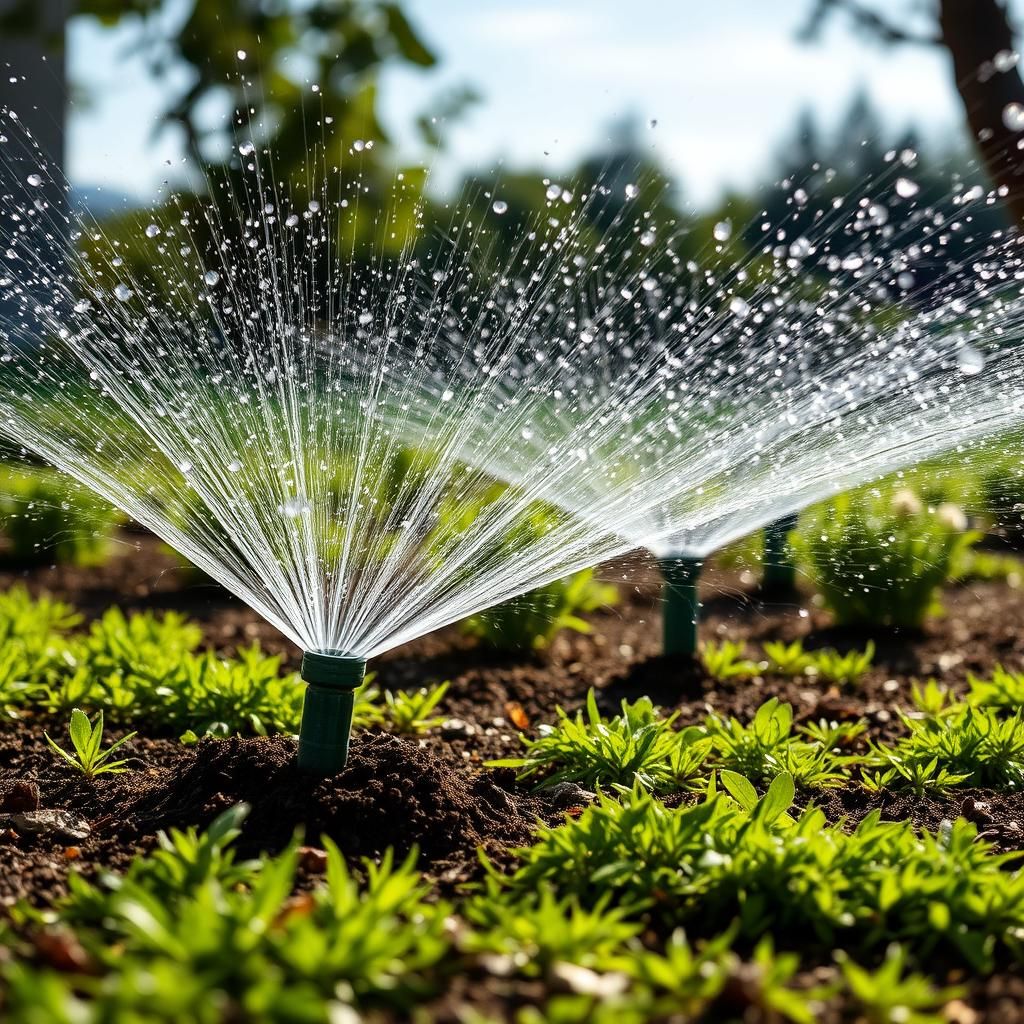
Irrigation is essential for maintaining healthy crops and landscapes, but understanding its costs can be challenging for farmers and property owners. This comprehensive guide aims to demystify the expenses associated with irrigation systems, breaking down costs per square metre. Factors such as soil type, climate, system design, and water source all play significant roles in determining individual expenses. By gaining insight into these variables, you can make informed decisions that optimize both efficiency and budget. Whether you're planning a small garden or a large agricultural project, knowing the costs involved will help you plan effectively for sustainable irrigation solutions.
Understanding the Cost of Irrigation per Square Metre
The cost of irrigation per square metre can vary significantly depending on several factors, including the type of irrigation system used (such as drip or sprinkler), the source of water, and the specific land characteristics of the area being irrigated. On average, the installation cost for drip irrigation can range from $0.25 to $2.00 per square metre, while sprinkler systems may cost between $1.00 to $3.00 per square metre. Ongoing maintenance costs and water usage also play a crucial role in determining the overall expense of irrigation, which can fluctuate based on local labour rates, water availability, and the efficiency of the system deployed.
Types of Irrigation Systems
There are various types of irrigation systems, each with its own cost structure. Drip irrigation is typically one of the most efficient systems, delivering water directly to the plant roots, minimizing waste and promoting healthy growth. Conversely, sprinkler systems tend to cover larger areas but can lead to higher water loss due to evaporation and wind drift. Choosing the right system depends on factors such as soil type, crop needs, and available water sources.
Installation Costs Breakdown
Installation costs can be broken down into several components, including equipment purchase, labour, and materials. For instance, drip irrigation systems require pipes, emitters, and filtration systems, while sprinklers depend on pipes, valves, and nozzles. Here is a general table summarizing potential costs:
| System Type | Installation Cost ($ per m²) |
|---|---|
| Drip Irrigation | 0.25 - 2.00 |
| Sprinkler System | 1.00 - 3.00 |
Maintenance and Operational Costs
Beyond installation, maintaining an irrigation system incurs further costs, including repairs, periodic system checks, and water usage. Drip systems require less maintenance compared to sprinklers, but both systems should be regularly inspected to ensure proper operation and efficiency. The operational costs are also influenced by local water tariffs, which can vary widely based on environmental regulations and supply availability.
See also:
Factors Influencing Cost Variability
Several factors can influence the variability of irrigation costs, including the size of the farm, the type of crops being cultivated, and regional climatic conditions. For example, larger farms may benefit from economies of scale, reducing the per-square-metre cost. Additionally, areas with scarcity of water may impose higher costs, reflecting the increased demand for irrigation technology and infrastructure.
Conclusion on Cost Considerations
In summary, understanding the cost of irrigation per square metre requires consideration of multiple variables including initial setup, ongoing maintenance, and local economic conditions. By accounting for these factors, farmers and landowners can make more informed decisions about which irrigation system is best suited for their needs while also optimizing their investment in water management practices.
Understanding the Factors Influencing Irrigation Costs
The cost of irrigation per square metre can greatly vary based on several factors including the type of system chosen, local labor rates, and the specific crop requirements. For instance, the installation of a drip irrigation system may have a higher initial cost due to the components needed, but it may lead to significant savings in water usage and maintenance over time. Moreover, geographical location plays a crucial role due to differences in water availability, regulatory fees, and infrastructure requirements. Thus, a comprehensive understanding of these variables is essential for accurate budgeting and effective irrigation management.
Types of Irrigation Systems
Different types of irrigation systems such as drip, sprinkler, and flood irrigation come with varying costs and efficiencies. Drip systems, while typically more expensive to install, are highly efficient and target water delivery directly to the plant roots, potentially reducing overall water usage. In contrast, traditional flood systems may require less investment but can result in greater water wastage and soil erosion, impacting long-term costs. Understanding the pros and cons of each system is crucial for making an informed decision.
Installation and Labor Costs
The installation and labor costs associated with irrigation can significantly impact the overall price per square metre. Labour costs can vary based on geographic location, availability of skilled workers, and current market rates. Additionally, the complexity of the installation, including the need for excavation, grading, or additional fittings, can lead to fluctuating prices. Overall, it is important to obtain multiple quotes to ensure that labor costs remain within a reasonable range.
See also:
Maintenance Expenses
Maintenance is another critical factor to consider when evaluating the overall costs of irrigation per square metre. Regular maintenance is necessary to keep the irrigation system functioning efficiently and can include tasks such as repairs, cleaning filters, and checking for leaks. These ongoing costs should be factored into the budgeting process, as neglecting maintenance can result in more significant issues and expenses in the long run.
Water Availability and Costs
The availability and cost of water play a crucial role in determining the overall irrigation costs per square metre. In regions where water is scarce, the price per unit of water may be significantly higher, increasing operational costs for any irrigation system. Additionally, the sources of water—whether from a municipal supply, wells, or surface water—can impact accessibility and costs. Understanding local water pricing and availability is essential to ensure effective budgeting and resource management.
Crop Requirements and Yield Potential
The crop requirements have a direct influence on irrigation costs as different plants necessitate varying levels of water and irrigation methods. Some crops may require more intensive water management, making certain irrigation systems more suitable than others. Additionally, higher yield potential can offset irrigation costs as healthy plants tend to produce more product. Therefore, it’s imperative to consider the specific needs of each crop when assessing irrigation system costs and potential returns on investment.
Questions from Our Readers
How much does irrigation cost per square metre?
The cost of irrigation per square metre can vary significantly depending on factors such as the type of system installed, local labor rates, and the specific needs of the vegetation being irrigated. On average, costs can range from $0.50 to $2.00 per square metre for installation, with ongoing maintenance adding additional expenses.
What factors influence the cost of irrigation systems?
Several factors can affect the overall cost of an irrigation system, including the size of the area to be irrigated, the type of irrigation (drip, sprinkler, etc.), the source of water, and any site-specific challenges. The quality of materials used and the complexity of the installation also play significant roles in determining the final price.
See also:
Are there any long-term savings associated with installing an irrigation system?
Yes, while the initial investment in an irrigation system can be high, there are often long-term savings associated with water conservation and reduced labor costs. Efficient irrigation systems can lead to decreased water consumption, lower utility bills, and healthier plants, which may translate to lower maintenance costs over time.
Can I install an irrigation system myself to save costs?
While it is possible to install an irrigation system yourself, it is important to consider the complexity of the installation and your own experience level. A professional installation can ensure that the system is designed correctly for optimal efficiency, potentially saving you more money in the long run compared to a DIY approach.

If you want to read more articles like How Much Does Irrigation Cost Per Square Metre? A Comprehensive Guide to Costs and Factors, we recommend you check out our Irrigation category.
Leave a Reply
Related Articles