How Much Compost Should I Mix With My Soil? A Comprehensive Guide for Gardeners

Compost is a gardener’s best friend, providing essential nutrients and improving soil structure. However, knowing how much compost to mix with your soil can be a challenge. Too little may not enhance your garden’s health, while too much can lead to imbalances that hinder plant growth. This comprehensive guide will help you understand the ideal compost-to-soil ratio for various types of gardens, as well as the specific needs of different plants. Whether you're a beginner or an experienced gardener, mastering the art of composting will take your gardening efforts to the next level, ensuring lush, thriving plants all season long.
How Much Compost Should I Mix with My Soil?
When determining how much compost to mix with your soil, a general guideline is to incorporate about 20% compost into your total soil volume, especially for garden beds and planting areas. This ratio allows for adequate drainage and aeration, while also introducing essential nutrients and improving the soil structure. For existing soil, mixing in 2 to 4 inches of compost and tilling it into the top 6 to 12 inches can greatly enhance soil fertility and water retention, creating an ideal environment for healthy plant growth.
Benefits of Mixing Compost with Soil
Incorporating compost into your soil brings numerous benefits, such as improved nutrient availability, enhanced soil structure, and increased water retention. Compost introduces beneficial microorganisms that promote a healthy soil ecosystem, which further aids in nutrient cycling and plant health. Additionally, it can help to balance pH levels in the soil, making nutrients more accessible to plants.
Calculating the Right Amount of Compost
To accurately determine how much compost to add to your soil, first assess the total volume of soil you plan to amend. For example, if your garden bed is 3 feet long, 2 feet wide, and 1 foot deep, that equals 6 cubic feet. Following the 20% guideline, you would need around 1.2 cubic feet of compost. Always consider the specific needs of the plants you will be growing, as some may require more or less organic matter.
Different Soil Types and Their Compost Needs
The amount of compost needed can vary significantly depending on the type of soil you have. For example, sandy soils often require more organic matter to improve water and nutrient retention, while clay soils may need slightly less to prevent compaction. Assessing your soil type will help tailor the right compost-to-soil ratio, ensuring optimal conditions for plant growth.
Best Practices for Mixing Compost
When mixing compost with your soil, it is best to do so when the soil is dry, as moist soil can become compacted easily. Apply the compost in layers and use a garden fork or tiller to blend it thoroughly, ensuring even distribution throughout the soil. Pay special attention to avoid creating clumps, as this can hinder overall soil performance. A well-mixed combination will lead to better root development and nutrient uptake.
When to Add Compost to Your Soil
The ideal times for adding compost to your soil are during the spring before planting or in the fall after the harvest, as this allows the compost to break down and integrate naturally into the soil. Regular amendments with compost throughout the growing season can also benefit existing plants, particularly in nutrient-depleted soils. Aim to refresh the compost layer annually to maintain optimal soil health.
| Soil Type | Recommended Compost Percentage |
|---|---|
| Sandy Soil | 20-30% |
| Clay Soil | 10-20% |
| Loamy Soil | 15-25% |
| Silty Soil | 15-25% |
What is the best compost mix ratio?
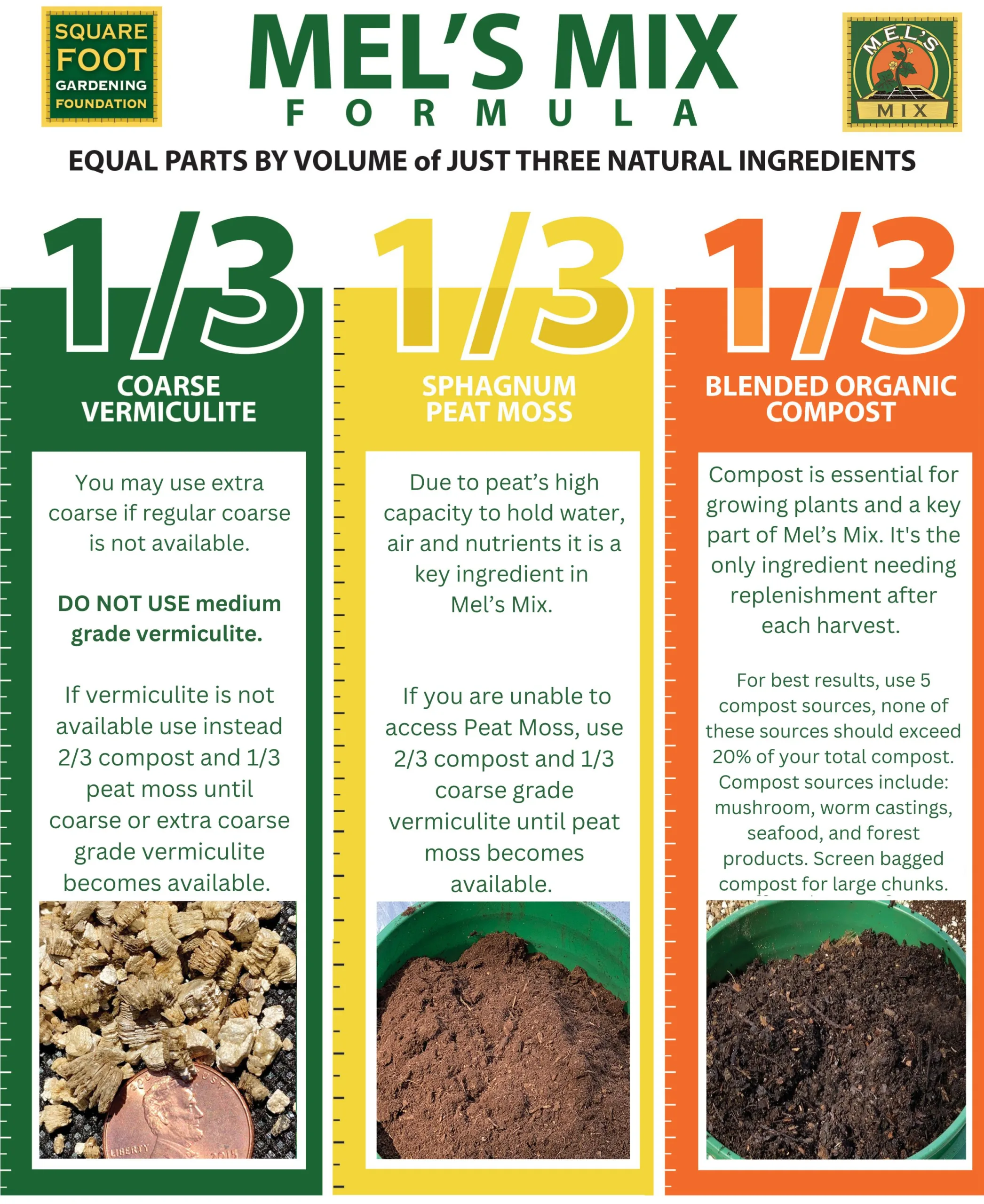
The best compost mix ratio generally suggested is 30:1, which means 30 parts of carbon-rich materials (browns) to 1 part of nitrogen-rich materials (greens). This balance ensures optimal microbial activity, leading to effective decomposition and nutrient-rich compost. Carbon provides energy for the microbes, while nitrogen aids in their growth and reproduction.
Understanding Carbon-Rich Materials
Carbon-rich materials are essential for composting as they provide the required energy for microbes. Common examples include:
- Dry leaves
- Wood chips
- Straw
These materials are often referred to as browns and help create a balanced compost pile by ensuring proper aeration and structure.
Identifying Nitrogen-Rich Materials
Nitrogen-rich materials are crucial for facilitating the growth of microbes. They include:
- Kitchen scraps (fruit and vegetable peels)
- Grass clippings
- Coffee grounds
These greens are high in moisture and nutrients, boosting the composting process significantly.
Importance of Aeration in Composting
Aeration is vital for a successful compost mix as it allows oxygen to reach the microbes responsible for decomposition. Proper aeration can be achieved through:
See also:
- Turning the compost pile regularly
- Using aeration tools to mix materials
- Maintaining the right moisture level for microbial activity
Good aeration not only accelerates composting but also prevents odor and ensures a healthy environment for beneficial organisms.
Monitoring Moisture Levels
Keeping the correct moisture level in your compost is essential for efficient decomposition. Here’s how to maintain moisture:
- Add water if the compost feels dry
- Cover the pile during heavy rain to avoid excess moisture
- Check for a damp sponge texture, which indicates a suitable balance
Moisture supports microbial activity while excessive wetness can lead to anaerobic conditions, resulting in foul odors.
Adjusting Ratios for Specific Materials
Depending on the materials available, you may need to adjust the compost mix ratio. Consider the following adjustments:
- Reduce browns if using high-nitrogen materials
- Increase greens when including carbon-heavy items
- Balance with additional dry materials if the mix is too wet
Flexibility in the mix allows for effective composting tailored to the composters' specific resources available.
Do you mix compost and soil together?
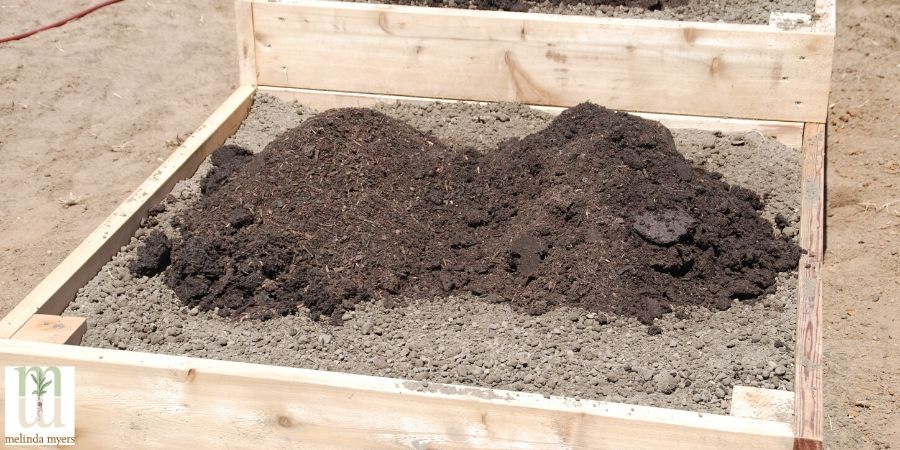
Mixing compost and soil together is a common practice among gardeners and farmers. It is widely recognized that combining these two elements can lead to improved soil health, enhanced plant growth, and better moisture retention. When you mix compost with soil, you are essentially enriching the soil with organic matter and nutrients that are beneficial to plants. Here’s a detailed look at the topic.
Benefits of Mixing Compost with Soil
Mixing compost into the soil offers numerous benefits. By integrating compost, you are adding nutrients that are necessary for plants to thrive. Here are some key advantages:
- Improved Soil Structure: Compost helps to aerate the soil, improving drainage and root penetration.
- Enhanced Nutrient Content: Compost is rich in essential nutrients that plants need, such as nitrogen, phosphorus, and potassium.
- Increased Microbial Activity: Adding compost introduces beneficial microorganisms that promote healthy soil ecosystems.
When to Mix Compost with Soil
The timing of mixing compost with soil is crucial for optimal results. Generally, it is best to mix compost into the soil during specific times of the growing season:
- Before Planting: Incorporating compost into the soil before planting ensures that nutrients are readily available to new plants.
- At the Start of Spring: Spring is an ideal time, as it prepares the soil for the growing season.
- In Fall: Mixing compost in the fall allows organic matter to decompose over winter, enriching the soil for the next season.
How to Mix Compost with Soil
The process of mixing compost with soil is relatively straightforward. Here’s a step-by-step guide to effectively blend these components:
- Gather Your Materials: Collect high-quality compost and the soil you intend to mix it with.
- Evaluate Ratios: A common recommendation is to use a ratio of about 1 part compost to 3 parts soil.
- Mix Thoroughly: Use a shovel or a rototiller to thoroughly combine compost and soil to ensure even distribution.
Types of Compost Suitable for Mixing
Not all compost is created equal. There are several types of compost that can be effectively mixed with soil, and choosing the right one is important:
- Well-Rotted Compost: This compost has broken down completely, making it safe and effective for mixing.
- Worm Castings: Worm compost is nutrient-rich and can greatly enhance soil quality.
- Leaf Compost: Made from decomposed leaves, it adds valuable organic matter and improves soil structure.
Potential Challenges When Mixing Compost and Soil
While mixing compost with soil is beneficial, there can be some challenges to be aware of:
- Caution with Fresh Compost: Fresh or un-aged compost can be high in nitrogen and may harm plants.
- Weed Seeds: Using improperly prepared compost can introduce weed seeds into your garden.
- Over-Application: Adding too much compost can lead to nutrient imbalances and poor plant growth.
Can you put too much compost into soil?
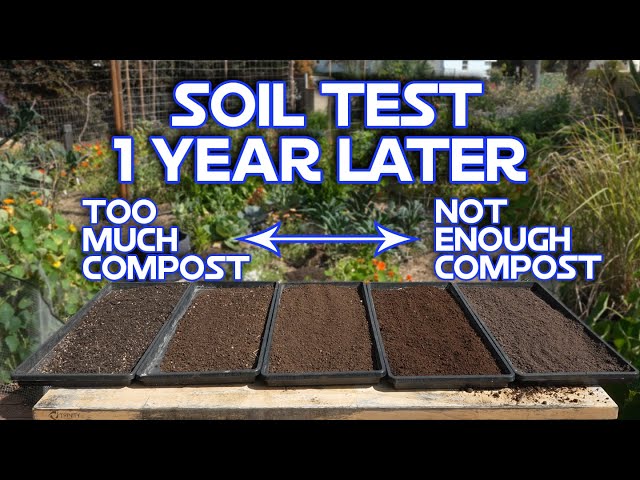
Yes, you can put too much compost into soil, and doing so can lead to several adverse effects on plant growth and soil health. While compost is an excellent source of nutrients and improves soil structure, its excessive application can lead to problems such as nutrient imbalance, poor drainage, and soil toxicity. Here’s how excess compost can affect your garden:
See also:
Effects of Over-application of Compost
Over-loading soil with compost can result in various negative effects, including:
- Nutrient Imbalance: Too much compost can lead to an excess of certain nutrients, such as nitrogen, which may cause vigorous leaf growth but inhibit flowering and fruiting.
- Soil Texture Changes: Excess compost can alter the soil structure, making it too light and fluffy, which could lead to poor water retention and aeration issues.
- Toxic Build-Up: Over time, too much compost may result in the accumulation of certain toxic substances or salts that can harm plant roots.
Signs of Too Much Compost
Recognizing the signs of excessive compost in your soil can help prevent further problems:
- Fungal Growth: An unusual increase in fungi or other pathogens can indicate nutrient imbalance and poor soil health.
- Root Issues: Stunted or discolored roots may point to toxic conditions or nutrient overabundance affecting root development.
- Poor Plant Health: Wilting, yellowing leaves, or lack of flowers can signal that plants are struggling due to over-fertilization.
Optimal Compost Levels
Determining the right amount of compost for your soil is crucial for optimal plant health:
- General Recommendation: A common guideline is to apply no more than 1 to 3 inches of compost to the top of the soil as a mulch or incorporate it into the soil.
- Soil Testing: Conducting soil tests can provide insights into current nutrient levels, informing you about how much compost to add.
- Gradual Addition: Incrementally adding compost throughout the growing season allows for better adjustments based on plant response.
Best Practices for Compost Use
To maximize the benefits of compost while minimizing the risks, follow these best practices:
- Mixing: Incorporate compost evenly with existing soil to prevent uneven nutrient distribution.
- Monitor Plant Health: Keep a close eye on your plants for any signs of distress, indicating potential over-application.
- Diversity in Amendments: Combine compost with other soil amendments like perlite or peat moss for improved texture and nutrient balance.
When to Avoid Using Compost
There are certain situations where the use of compost is not advisable:
- New Seedlings: Avoid using compost with young seedlings, as they may be vulnerable to over-fertilization.
- Heavy Clay Soils: In soils that are already dense, too much compost can worsen drainage issues.
- Known Contaminants: If compost contains contaminants like weeds or pathogens, it should be used cautiously or avoided.
What is the proper ratio for compost?

The proper ratio for compost typically follows the brown to green ratio, where the ideal mix consists of about 3 parts brown materials (carbon-rich) to 1 part green materials (nitrogen-rich). The browns include dry leaves, straw, and wood chips, while the greens encompass food scraps, grass clippings, and yarden waste. Adhering to this ratio promotes effective microbial activity, facilitating the decomposition process.
Understanding Brown Materials
Brown materials are essential for providing carbon, which is a crucial part of the composting process.
- Types of Brown Materials: Common brown materials include dry leaves, cardboard, paper, and straw. These contribute to a balanced compost mixture.
- Role in Composting: They provide the energy source for microorganisms, aiding in the breakdown of organic matter.
- Moisture Retention: Browns help to retain moisture in the compost pile, which is necessary for the decomposition process.
Understanding Green Materials
Green materials provide nitrogen, which is vital for the growth of microorganisms involved in composting.
- Types of Green Materials: Common green materials include vegetable scraps, coffee grounds, and fresh grass clippings.
- Role in Composting: Greens support microbial growth, enhancing the decomposition rate.
- Moisture Content: They often contain higher moisture levels, which is necessary to maintain the right moisture balance in the compost.
Importance of Proper Ratios
Maintaining the proper ratio of browns to greens is crucial for optimizing the composting process.
- Decomposition Efficiency: A balanced ratio ensures that microorganisms have enough energy and nutrients to efficiently break down materials.
- Avoiding Odors: Improper ratios can lead to unpleasant odors, typically caused by excess greens that can create an anaerobic environment.
- Temperature Control: The right mix influences the internal temperature of the compost pile, which is essential for effective decomposition.
Adjusting Ratios Based on Material Type
Different compost materials can affect the ideal ratio, so adjustments might be necessary.
- High-Nitrogen Materials: If using materials with high nitrogen content, such as manure, you may need to increase the amount of brown materials to maintain balance.
- High-Carbon Materials: Conversely, if you have a lot of dry materials, you may need to add more green materials to enhance the nitrogen available for decomposition.
- Monitoring Compost Quality: Regularly check the compost for odor and moisture levels to ensure that you are maintaining the right ratio.
Benefits of Proper Composting Ratios
Using the right ratios for composting provides several benefits for your garden and the environment.
- Rich Soil Amendment: Proper compost improves soil structure, enhances nutrient availability, and boosts microbial activity.
- Waste Reduction: Efficient composting reduces kitchen and yard waste sent to landfills.
- Sustainable Practices: Consistent use of compost promotes sustainable gardening, reducing the need for chemical fertilizers.
Questions from Our Readers
How much compost should I mix with my soil?
When mixing compost with your soil, it's generally recommended to add 20-30% compost to your total soil volume. This allows for nutrient enrichment without overwhelming the existing soil structure.
Can I use too much compost in my soil?
Yes, using too much compost can lead to nutrient imbalances and potential water retention issues. It's essential to stick to the recommended ratios to maintain a healthy balance in your soil.
See also:
Is there a specific type of compost I should use?
While there are various types of compost, using well-decomposed compost is ideal. This type has undergone the composting process and will provide beneficial microbes and nutrients without introducing harmful pathogens.
How often should I add compost to my soil?
It's advisable to add compost to your soil once a year, typically in the spring or fall. This ensures that the soil continues to receive nutrients and improves its overall structure and health over time.

If you want to read more articles like How Much Compost Should I Mix With My Soil? A Comprehensive Guide for Gardeners, we recommend you check out our Compost category.
Leave a Reply
Related Articles