How Much Area Does 1 Cubic Metre of Mulch Cover? A Complete Guide to Coverage Calculation
When it comes to landscaping and gardening, understanding the coverage of mulch is essential for effective planning and budgeting. A cubic metre of mulch may seem like a straightforward measurement, but its actual coverage can vary significantly based on the type of mulch being used and the desired depth of application. This article provides a comprehensive guide to calculating how much area 1 cubic metre of mulch can cover. We’ll explore different types of mulch, optimal application depths, and practical tips to ensure you get the most out of your mulch purchase for a healthy and aesthetically pleasing garden.
How Much Area Does 1 Cubic Metre of Mulch Cover?
One cubic metre of mulch typically covers an area of approximately 10 square metres at a depth of 100 millimetres (10 cm). The actual coverage may vary depending on the type of mulch used and the desired depth of application. For example, if you choose to apply the mulch at a shallower depth of 50 millimetres (5 cm), then the coverage could extend to about 20 square metres. It’s essential to consider the type of mulch and its density, as these factors influence how much material is needed to achieve effective ground coverage for weed suppression, moisture retention, and overall garden health.
Understanding Mulch Density
Mulch density refers to the weight of the mulch material per unit volume. Different types of mulch have varying densities, which affects how much area one cubic metre will cover. For instance, wood chips are less dense and may cover a larger area than rubber mulch, which is denser. Knowing the density helps gardeners calculate the required amount of mulch for their projects.
Factors Affecting Coverage Area
Several factors can affect the coverage area provided by one cubic metre of mulch. The depth at which the mulch is applied is the most significant factor, as thicker applications cover less area. Additionally, the type of mulch, whether it's organic or inorganic, will also influence coverage. Some mulches decompose over time, which can further affect the area covered if reapplication is not considered.
Calculating Coverage Depth
When calculating how much area one cubic metre of mulch will cover, it is crucial to determine the desired depth of application. For instance, if you wish to achieve a 5 cm depth, you can use the formula: Area = Volume / Depth. Therefore, 1 cubic metre of mulch divided by 0.05 metres equals 20 square metres of coverage.
Types of Mulch
The type of mulch you choose plays a significant role in its coverage area. Organic mulches, like wood chips, straw, or bark, tend to decompose over time and may require more frequent reapplication, affecting the long-term area coverage. On the other hand, inorganic mulches, such as gravel or rubber, maintain their volume longer and can provide consistent coverage but are usually more expensive.
Practical Tips for Application
When applying mulch, it's essential to consider practical tips for achieving optimal coverage. First, ensure the area is clear of weeds before application to maximize the effects of the mulch. Aim for a uniform depth to maintain moisture levels and minimize erosion. Using a garden rake can help spread the mulch evenly, reaching the desired coverage area effectively.
| Mulch Type | Density (kg/m³) | Coverage Area at 10 cm Depth (m²) |
|---|---|---|
| Wood Chips | 300 | 10 |
| Straw | 100 | 20 |
| Rubber Mulch | 600 | 5 |
| Bark Nuggets | 400 | 7.5 |
| Gravel | 1800 | 1.5 |
How much area will 1 cubic meter cover?
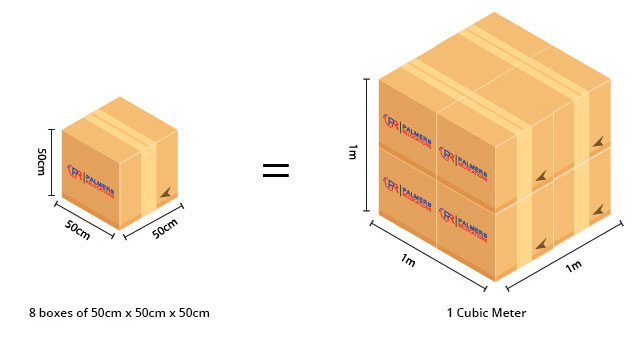
To determine how much area 1 cubic meter will cover, it's essential to understand that a cubic meter is a measure of volume, not area. The area covered depends on the thickness or depth of the layer in which the cubic meter is spread. Therefore, the area can vary significantly based on the specific application.
Assuming a uniform distribution over a specified depth, the area can be calculated using the formula:
[
text{Area} = frac{text{Volume}}{text{Depth}}
]
For example, if you spread 1 cubic meter of material at a thickness of 0.1 meters (or 10 centimeters), you can determine the area covered with the following calculation:
[
text{Area} = frac{1 , text{m}^3}{0.1 , text{m}} = 10 , text{m}^2
]
Thus, 1 cubic meter of material will cover an area of 10 square meters at a depth of 10 centimeters. The relationships between volume, area, and thickness are crucial when working with materials such as soil, gravel, concrete, or other substrates.
Understanding Volume and Area
Volume and area are fundamentally different measurements. Volume quantifies space in three dimensions, while area is limited to two dimensions. Therefore, to convert cubic meters to square meters, the thickness of the material must be considered.
- Volume is measured in cubic units (e.g., cubic meters).
- Area is measured in square units (e.g., square meters).
- To relate area and volume, the depth of application is necessary.
Examples of Area Coverage
Depending on the application of 1 cubic meter, the area it covers can vary. For instance, different materials or scenarios will yield different coverage.
- At a thickness of 0.5 meters, 1 cubic meter will cover 2 square meters.
- At a thickness of 0.2 meters, 1 cubic meter will cover 5 square meters.
- At a thickness of 0.05 meters, 1 cubic meter will cover 20 square meters.
Common Applications
There are various applications where measuring the area coverage of cubic meters is relevant, particularly in construction and landscaping.
See also:
- Concrete pouring for foundations or slabs.
- Soil distribution for gardening or landscaping.
- Gravel installation for driveways or paths.
Calculating Depth and Area
To effectively utilize the volume of 1 cubic meter, understanding the relationship between depth and area is crucial.
- Determine the desired thickness of application.
- Apply the formula to calculate the area.
- Adjust the thickness based on specific project requirements to achieve desired coverage.
Factors Influencing Area Coverage
Several factors can influence the area covered by 1 cubic meter of material.
- Material Density: Different materials have different densities, affecting how much area can be covered.
- Compaction: Some materials can compact, reducing the space they occupy.
- Moisture Content: In cases of soil or organic material, moisture can change the volume required.
How much is 1 cubic metre mulch?

The price of 1 cubic metre of mulch can vary significantly based on several factors, including the type of mulch, location, and source. Generally, costs can range anywhere from $30 to $100 per cubic metre. Here are some details regarding the pricing of mulch:
- Type of Mulch: Different materials come at different prices. For instance, wood chips or bark mulch may be cheaper than cedar mulch or colored mulch.
- Location: Prices can differ depending on local markets and availability. Urban areas may have higher prices compared to rural regions due to transportation costs.
- Bulk Purchase: Buying in bulk can often lead to discounts, so purchasing larger quantities may be more economical.
Factors Affecting the Cost of Mulch
The price of mulch can be influenced by a variety of factors that potential buyers should consider:
- Material Type: The kind of mulch you choose impacts the price. Organic mulches generally cost more than inorganic ones.
- Supplier: Different vendors may have varying pricing structures, driven by their inventory and operational costs.
- Shipping and Delivery: If you need mulch delivered, additional fees may apply depending on the distance and weight.
Types of Mulch
There are numerous types of mulch available, each with its own unique properties and costs:
- Organic Mulch: Composed of organic materials like wood chips or straw. Typically more expensive but enriches the soil over time.
- Inorganic Mulch: Such as rubber or gravel, often provides good weed control at a lower long-term cost.
- Cedar Mulch: Known for its natural resistance to insects, it can be pricier than most organic options.
How to Purchase Mulch
Buying mulch can be straightforward, but there are some tips to keep in mind:
- Local Suppliers: Check out local garden centers or landscape suppliers that may offer competitive pricing.
- Online Options: Many retailers provide online purchasing; comparing prices can save money.
- Community Resources: Sometimes, local municipalities or gardening clubs can provide mulch at reduced rates.
Volume Considerations
Understanding the volume when purchasing is crucial to avoid overbuying or underbuying:
- 1 Cubic Metre Measurement: This unit is commonly used to measure bulk materials. Ensure you know how much your garden or project requires.
- Coverage Area: Consider the surface area you plan to cover when calculating how many cubic metres you'll need.
- Depth of Mulch: Decide on the desired depth for effective ground coverage, which will influence how much mulch you require.
Benefits of Using Mulch
Investing in mulch offers various benefits that can enhance your landscaping:
- Weed Control: Act as a barrier to prevent weed growth, saving time on gardening maintenance.
- Soil Moisture Retention: Helps maintain soil moisture, reducing the need for frequent watering.
- Aesthetic Appeal: Enhances the visual appearance of gardens and landscaped areas.
How many wheelbarrows are in a cubic metre of mulch?

To determine how many wheelbarrows are in a cubic metre of mulch, several factors must be considered, including the size of the wheelbarrow and the density of the mulch. Generally, a standard wheelbarrow can hold approximately 0.1 cubic metres of material when fully loaded. Therefore, to find out how many wheelbarrows fit into a cubic metre, you can use the following calculation:
- Volume of mulch: 1 cubic metre
- Volume capacity of a standard wheelbarrow: 0.1 cubic metre
By dividing the total volume of mulch by the volume capacity of a wheelbarrow, the calculation is as follows:
1 cubic metre / 0.1 cubic metre per wheelbarrow = 10 wheelbarrows
Thus, approximately 10 wheelbarrows are required to transport one cubic metre of mulch.
Factors Affecting Wheelbarrow Capacity
When determining the number of wheelbarrows needed, consider the following factors that affect capacity:
See also:
- Wheelbarrow size: The dimensions and design of the wheelbarrow can lead to different capacities.
- Material type: Different types of mulch have varying densities, which can affect how much fits in a wheelbarrow.
- Loading technique: How the mulch is loaded can also impact the actual volume carried; heaped loads may exceed the standard volume.
Cubic Metres and Wheelbarrow Measurements
Understanding the measurements is crucial for accurate conversion between cubic metres and wheelbarrow loads. Key points include:
- Confirming cubic metre sizes: Ensure you are clear on the cubic metre size you are working with, as it plays a role in calculations.
- Wheelbarrow specifications: Always check the specifications for the specific wheelbarrow model, as sizes may vary between manufacturers.
- Volume conversions: Familiarizing yourself with volume conversions will help in adjusting calculations for different projects.
Different Types of Mulch
The type of mulch being transported also significantly influences how many wheelbarrows are needed due to variations in density and bulk. Consider these elements:
- Bark mulch: Generally lighter and bulkier, meaning more wheelbarrow loads may be needed for the same volume.
- Wood chips: Often less dense but can take up more space, impacting how many loads a wheelbarrow can carry.
- Compost and soil mixes: Typically heavier than traditional mulch, requiring fewer wheelbarrow loads to transport the same volume.
Calculating Volume for Different Projects
When planning for projects that involve mulch, calculating the volume correctly is essential:
- Estimating areas: Measure the area where the mulch will be used to determine how many cubic metres are required.
- Depth of mulch: Decide on the desired depth, as this affects the total volume needed for the project.
- Allowances for settling: Consider allowing extra mulch for settling, especially with organic materials that decompose over time.
Conclusion on Transporting Mulch
In transporting mulch efficiently, proper planning and understanding of wheelbarrow capacity and mulch volume are critical for successful project completion. Factors such as volume, wheelbarrow size, and type of mulch will also affect the logistics of your work.
How much mulch do I need for 2000 square feet?
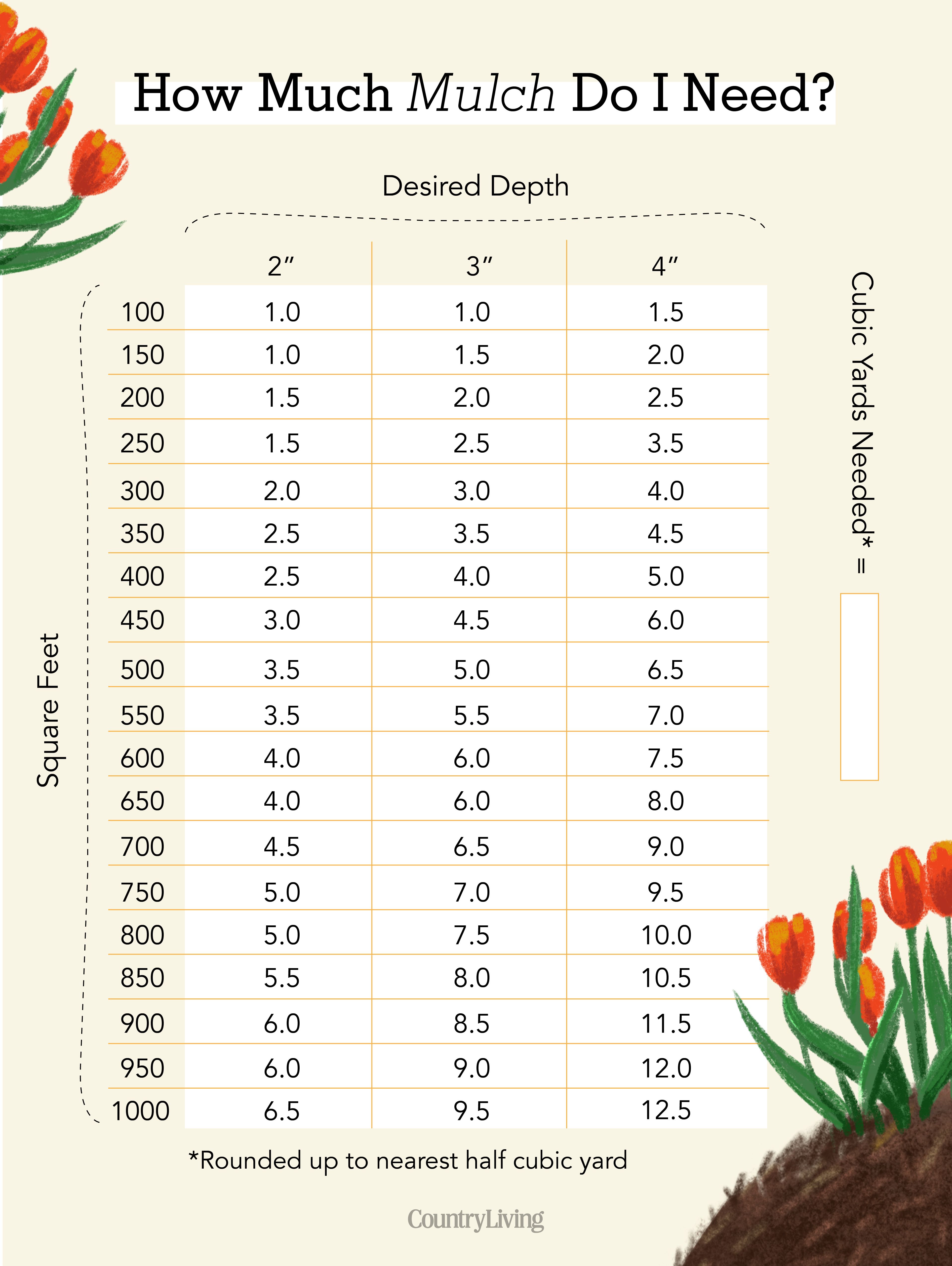
To determine how much mulch you need for an area of 2000 square feet, you first need to decide on the desired depth of the mulch layer. Typically, a depth of 2 to 3 inches is recommended for most landscaping purposes. Once the depth is decided, you can calculate the volume of mulch required using the following formula:
1. Convert depth from inches to feet:
- For 2 inches: 2 inches ÷ 12 = 0.167 feet
- For 3 inches: 3 inches ÷ 12 = 0.25 feet
2. Calculate the cubic feet required:
- Volume (cubic feet) = Area (square feet) × Depth (feet)
- For 2 inches: 2000 sq ft × 0.167 ft = 334 cubic feet
- For 3 inches: 2000 sq ft × 0.25 ft = 500 cubic feet
3. Convert cubic feet to cubic yards (since mulch is often sold by the cubic yard):
- 1 cubic yard = 27 cubic feet
- For 2 inches: 334 cubic feet ÷ 27 = ~12.37 cubic yards
- For 3 inches: 500 cubic feet ÷ 27 = ~18.52 cubic yards
So, you will need approximately 12 to 19 cubic yards of mulch for an area of 2000 square feet, depending on the layer depth you choose.
Understanding Mulch Types
Different types of mulch are available, and selecting the right one can affect your landscaping. Here are some common types:
- Bark Mulch: Provides natural look and suppresses weeds.
- Wood Chips: Offers a rustic appearance and improves soil structure.
- Rubber Mulch: Long-lasting and great for playground areas.
Calculating the Cost of Mulch
Knowing how much mulch you need is only part of the process; understanding the cost involved is equally important. Here are some factors to consider:
- Type of Mulch: Different types come at different prices.
- Delivery Fees: Some suppliers may charge for delivery, affecting total cost.
- DIY vs. Professional Installation: Consider whether you’ll install the mulch yourself or hire a service.
Benefits of Mulching
Applying mulch offers several advantages to your garden or landscape. Here are the main benefits:
- Weed Control: Helps suppress weed growth, reducing maintenance.
- Moisture Retention: Helps soil retain moisture, reducing the need for irrigation.
- Temperature Regulation: Insulates the soil, protecting roots from extreme temperatures.
Seasonal Considerations for Mulching
Timing can play a crucial role in the effectiveness of mulch. Seasonal factors include:
- Spring Application: Ideal for suppressing early weed growth.
- Fall Layering: Provides protection against winter frost.
- Pest Prevention: Mulch can deter certain pests when applied at the right time.
Maintenance of Mulched Areas
To keep your mulched areas in optimal condition, consider these maintenance tips:
- Regular Checks: Inspect mulch depth and replenish as needed.
- Reapplication Frequency: Typically every year or two, depending on decomposition.
- Controlling Weeds: Periodically check for weeds and remove them promptly.
Questions from Our Readers
How much area does 1 cubic metre of mulch cover?
It generally depends on the depth you apply the mulch, but on average, 1 cubic metre of mulch covers around 12 to 15 square metres at a depth of 75mm (3 inches). Always consider the desired depth for optimal results in your specific gardening or landscaping project.
What is the ideal depth for mulch application?
The ideal depth for mulch application is typically between 5 to 10 cm (2 to 4 inches), depending on the type of mulch and the plants you are mulching. Applying it at this depth helps suppress weeds and retain moisture without suffocating your plants.
See also:
Can I use less than 1 cubic metre of mulch for my garden?
Yes, you can use less than 1 cubic metre of mulch for your garden, especially if you are only covering small areas. Just ensure that you calculate the area you intend to cover and adjust the amount accordingly to maintain the recommended depth for effectiveness.
How do I calculate the amount of mulch I need?
To calculate the amount of mulch needed, measure the length and width of the area you want to cover in metres, multiply these numbers to get the area, and then multiply by the desired depth (in metres). This will give you the total cubic metres of mulch required for your project.

If you want to read more articles like How Much Area Does 1 Cubic Metre of Mulch Cover? A Complete Guide to Coverage Calculation, we recommend you check out our Mulch category.
Leave a Reply
Related Articles