How Many Years Does Greenhouse Plastic Last? A Comprehensive Guide to Durability and Lifespan

Greenhouse plastic is an essential component for many gardeners and agricultural producers, providing a controlled environment for plant growth. However, the sustainability and longevity of greenhouse plastic can greatly influence the overall effectiveness and cost of horticultural operations. In this comprehensive guide, we will explore the factors that affect the durability and lifespan of greenhouse plastic, including material types, environmental conditions, and maintenance practices. By understanding these elements, you can make informed decisions about your greenhouse setup and protect your investment, ensuring that your plants thrive while optimizing resources. Discover how to maximize the life of your greenhouse plastic today.
How Long Does Greenhouse Plastic Last?
The lifespan of greenhouse plastic can vary significantly depending on several factors, including the type of plastic used, environmental conditions, and maintenance practices. Generally, polyethylene greenhouse films can last between 4 to 6 years, while more durable options such as polycarbonate panels may last over 10 years. Factors like UV exposure, weather conditions, and physical wear can greatly influence the degradation rate of the material. Regular maintenance, such as cleaning and repairing any damages promptly, can also extend the life of the plastic, ensuring that the greenhouse remains efficient for a longer period of time.
Types of Greenhouse Plastic
There are various types of plastics used in greenhouses, with polyethylene and polycarbonate being the most common. Polyethylene is lightweight and cost-effective but has a shorter lifespan, typically around 4 to 6 years. Polycarbonate, on the other hand, offers greater durability and insulation, making it more suitable for long-term use, often exceeding 10 years if properly maintained. Understanding the differences helps growers make informed choices based on their specific needs.
Factors Affecting Lifespan
Several factors can impact the longevity of greenhouse plastic. UV radiation from sunlight can cause the plastic to become brittle and degrade over time. Weather conditions, including extreme temperatures and strong winds, also play a role in wear and tear. Additionally, the thickness and quality of the plastic can significantly influence how long it lasts. Thicker films tend to resist damage better and have a longer life span than thinner ones.
Maintenance Tips for Prolonging Life
Proper maintenance can significantly extend the life of greenhouse plastic. Regularly cleaning the plastic surface helps to prevent algae and dirt accumulation, which can block sunlight. Inspecting for and promptly repairing any rips or tears is crucial, as damage can accelerate degradation. Furthermore, avoiding contact with sharp objects and using proper installation techniques can also enhance the durability of the material over time.
Environmental Impact
The environmental impact of greenhouse plastic is another important consideration, as most plastics are not biodegradable. While they may last several years in use, their disposal can pose significant environmental challenges. Transitioning to more sustainable materials, such as biodegradable films or recycling used plastic, can help mitigate these concerns while still providing the necessary functionality for greenhouse operations.
Cost Considerations
When choosing greenhouse plastic, cost is often a significant factor. While cheaper options may have a shorter lifespan, investing in more durable materials can save money in the long run by reducing replacement frequency. Additionally, the cost of energy savings from better insulation may offset the higher initial investment for more durable plastics, proving beneficial in both the short and long term.
| Type of Plastic | Average Lifespan | Durability | Cost |
|---|---|---|---|
| Polyethylene | 4 to 6 years | Moderate | Low |
| Polycarbonate | 10+ years | High | High |
How long does greenhouse plastic last?
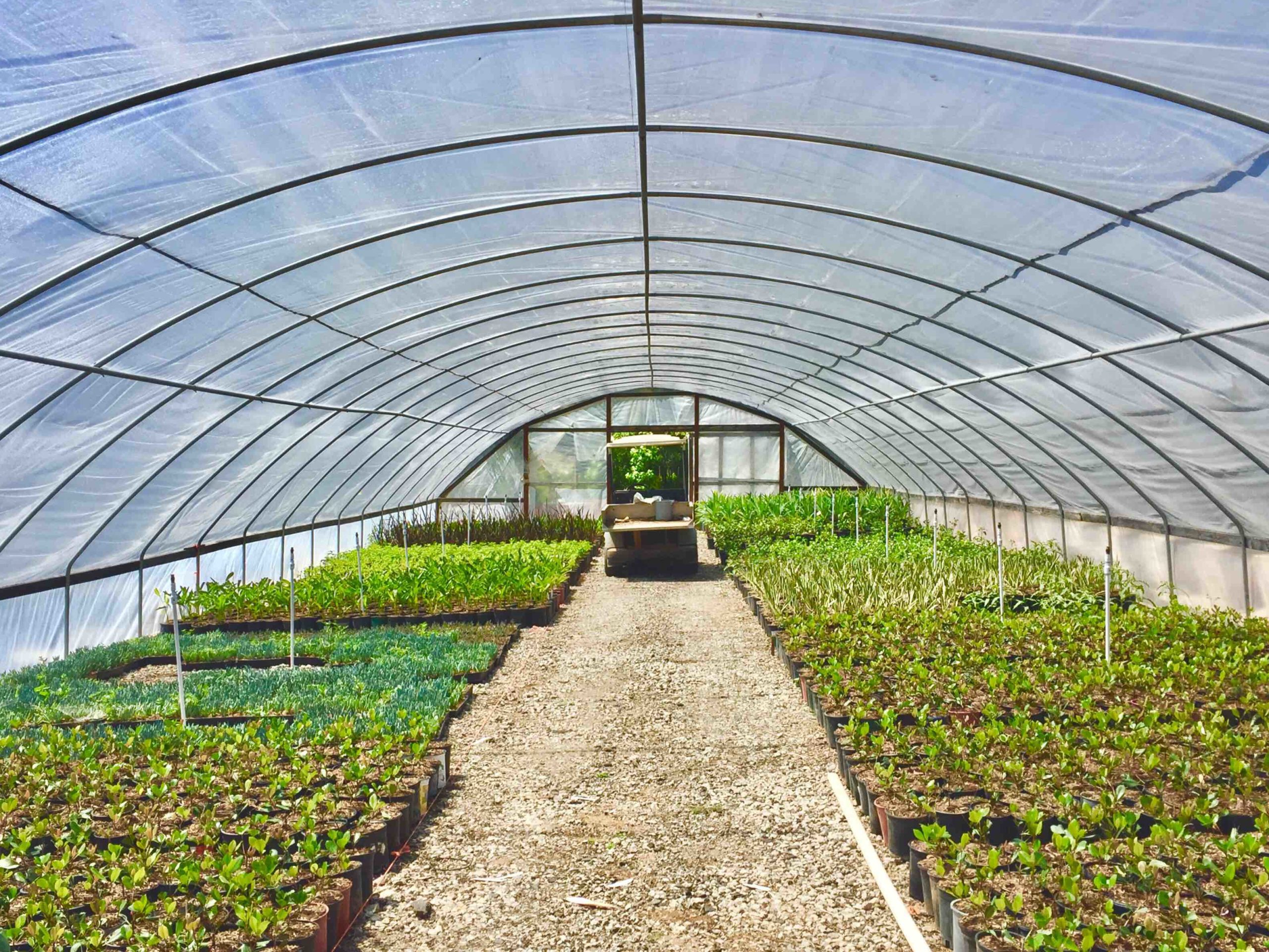
Greenhouse plastic typically lasts anywhere from 4 to 12 years depending on various factors. The type of plastic used, the conditions under which it is placed, and the maintenance practices all significantly impact its longevity. Polyethylene, which is the most common material used for greenhouse coverings, may last around 4 to 6 years under optimal conditions. In contrast, higher-grade plastics such as polycarbonate or polyvinyl chloride (PVC) can last longer, sometimes up to 12 years or more. Environmental factors such as UV radiation, temperature fluctuations, and physical wear also play a crucial role in determining how long the plastic will remain effective in a greenhouse setting.
Types of Greenhouse Plastic
Different types of greenhouse plastics come with varying life expectancies. The most common types include:
- Polyethylene: Generally lasts 4-6 years, inexpensive and widely used.
- Polycarbonate: Durable and can last up to 10-12 years, great for insulation but more costly.
- PVC: Good clarity and strength, usually around 7-10 years of lifespan.
Factors Affecting Longevity
Several factors can influence the lifespan of your greenhouse plastic, including:
- UV Exposure: High levels of ultraviolet radiation can degrade plastics over time.
- Temperature Changes: Extreme heat and cold can weaken the structural integrity of the plastic.
- Physical Damage: Wind, hail, and other weather-related factors can cause tears and punctures.
Maintenance Practices
Proper maintenance can significantly extend the life of greenhouse plastic. Consider the following practices:
- Regular Inspections: Check for tears, holes, or sagging regularly and repair immediately.
- Cleaning: Keep plastic clean to prevent algae and mold buildup that can degrade the material.
- Winter Preparation: Remove heavy snow buildup and ensure structural integrity before winter storms.
Signs of Degradation
It's essential to recognize when your greenhouse plastic is nearing the end of its life. Look for:
See also:
- Cloudiness: A cloudy appearance may indicate UV degradation.
- Cracks or Tears: Noticeable damage that can affect the greenhouse's effectiveness.
- Loss of Shape: Bubbles or sagging can signify weakened support.
Replacement Considerations
When deciding to replace greenhouse plastic, keep these factors in mind:
- Cost of Replacement: Weigh the cost of new plastic against potential losses from ineffective coverage.
- Type of Crops: Different crops may require specific conditions that new plastic can help provide.
- Technological Advancements: Newer materials may offer better durability and features worth considering.
When to replace greenhouse plastic?
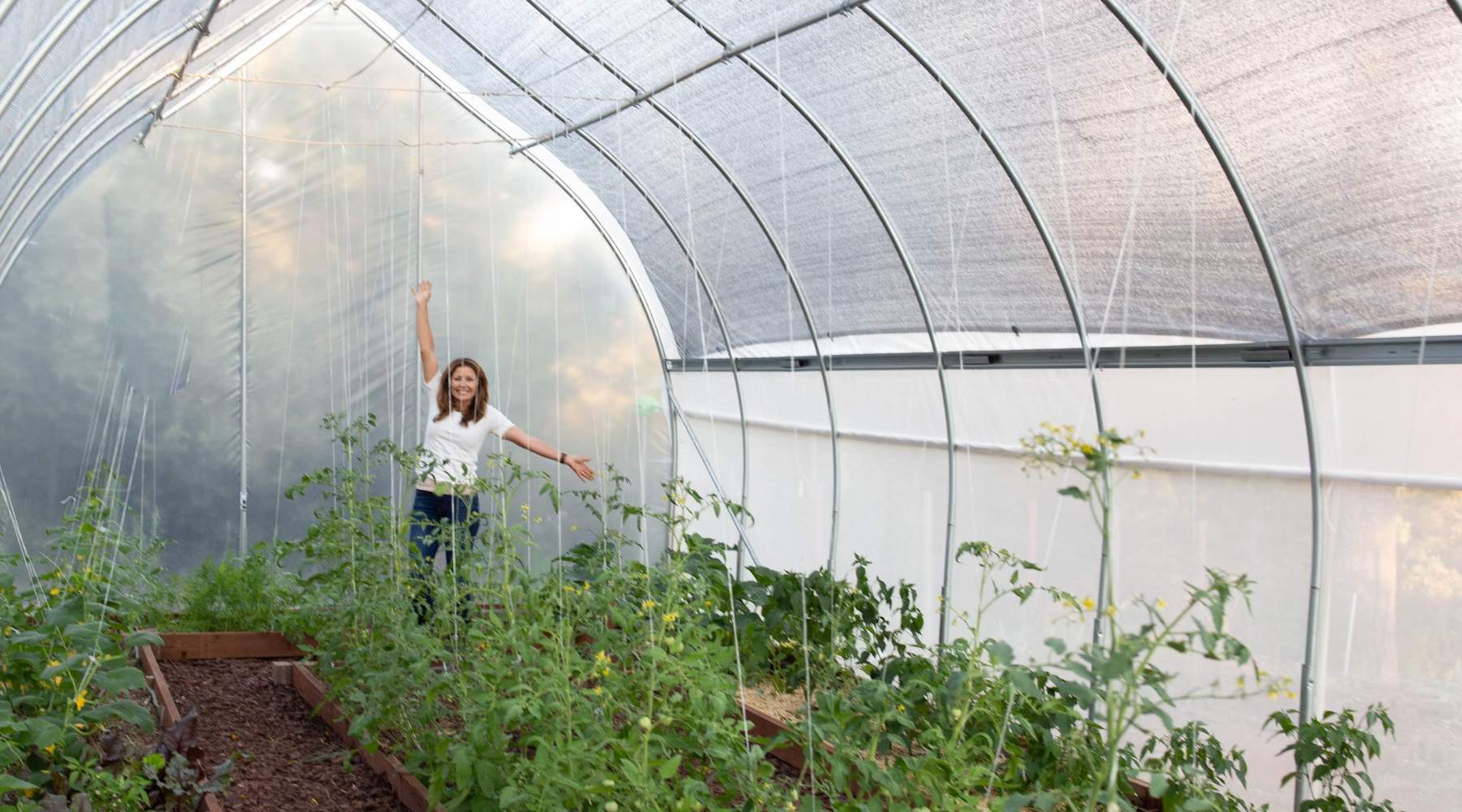
Replacing greenhouse plastic is a crucial part of maintaining an effective and efficient growing environment. The timing for replacement can depend on several factors, including the type of plastic used, the climate in which the greenhouse is located, and the level of care and maintenance the greenhouse has received. Here are key indicators and timelines to consider when determining when to replace greenhouse plastic.
Signs of Physical Damage
Identifying signs of physical damage is essential in deciding when to replace greenhouse plastic. Over time, UV exposure, physical stress from storms, and normal wear and tear can lead to cracks, tears, or punctures in the plastic. Regular inspections should focus on:
- Visible cracks that can lead to leaks.
- Tears that can expand and affect the structural integrity.
- Punctures caused by hail or debris from the environment.
Loss of Light Transmission
The ability of greenhouse plastic to transmit light is crucial for plant growth. Over time, plastic can become discolored and hazy, which affects light levels within the greenhouse. It is necessary to replace plastic if:
- The plastic appears cloudy or milky.
- There is significant loss in light levels which can be measured with a light meter.
- The plastic becomes brittle and inflexible, indicating degradation.
Age of the Material
The type and quality of plastic used in greenhouses dictates its expected lifespan. Generally, high-quality polycarbonate can last up to 10-15 years, while polyethylene films may only last 4-6 years. Consider replacing the plastic if:
- It has reached its expected lifespan based on material quality.
- Environmental conditions such as extreme sun or cold have accelerated degradation.
- There are environmental factors such as humidity or gas buildup affecting the plastic.
Climate and Environmental Factors
Climate plays a significant role in the lifespan of greenhouse plastic. Factors such as temperature fluctuations, humidity levels, and UV radiation can all affect durability. Be mindful to replace the plastic if:
- Your region experiences extreme weather conditions more frequently.
- Increased humidity leads to mold or algae growth on the plastic.
- Frequent storms cause physical damage or additional wear on the material.
Annual Maintenance and Care
Regular maintenance can extend the life of greenhouse plastic, but there comes a time when replacement is necessary. Evaluating how well you care for your plastic can inform your decision. Key maintenance points include:
- How often you clean the plastic to remove dirt and debris.
- Whether damage has been promptly repaired to avoid term degradation.
- Seasonal checks for wear, particularly before harsh weather conditions.
What is the lifespan of plastic sheeting?
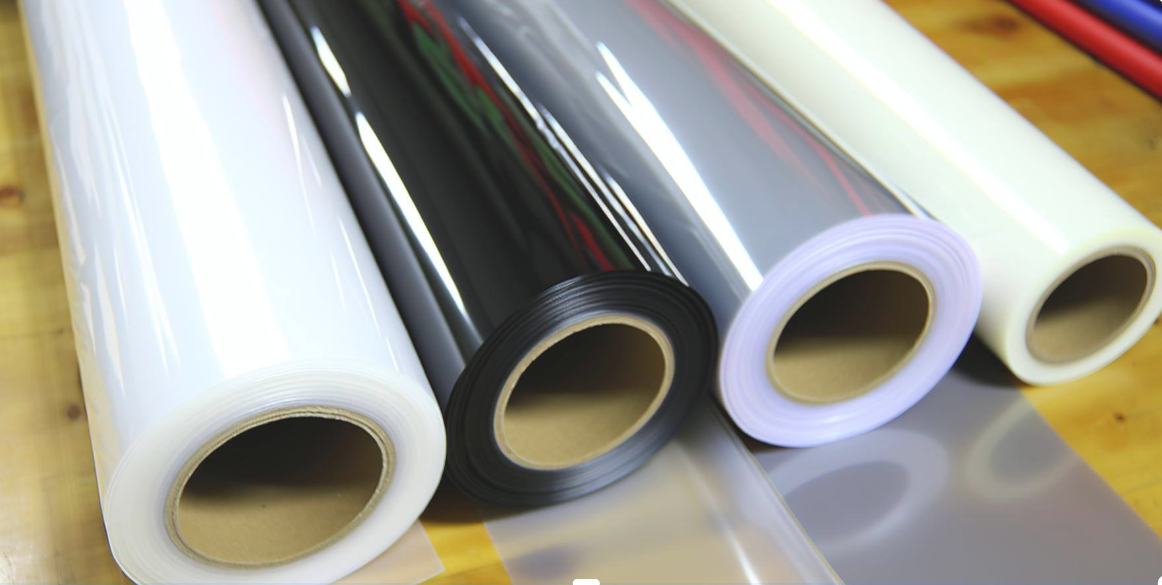
The lifespan of plastic sheeting can vary significantly based on several factors, including the type of plastic, environmental conditions, and the specific application for which it is used. Generally, common types of plastic sheeting such as polyethylene can last from 3 to 5 years when exposed to outdoor elements, while other materials like polyvinyl chloride (PVC) might last longer, around 5 to 10 years. However, indoor applications may lead to longer lifespans due to reduced exposure to UV light and extreme weather conditions.
Factors Affecting the Lifespan of Plastic Sheeting
The lifespan of plastic sheeting is influenced by multiple factors:
- UV Exposure: Prolonged exposure to ultraviolet light can significantly degrade plastic, causing it to become brittle and lose its structural integrity.
- Temperature Fluctuations: Extreme temperature changes can cause plastic sheeting to expand and contract, leading to wear over time.
- Moisture and Chemicals: Contact with water or certain chemicals can lead to deterioration of the plastic, especially if it is not designed for such environments.
Types of Plastic Sheeting and Their Durability
Different types of plastic sheeting offer varying levels of durability:
- Polyethylene (PE): Known for its lightweight and inexpensive nature, typically lasts around 3 to 5 years.
- Polyvinyl Chloride (PVC): More durable and resistant to UV light, lasts approximately 5 to 10 years.
- Polypropylene (PP): Offers better temperature resistance and can last over 5 years, depending on conditions.
Maintenance Practices to Extend Lifespan
Proper maintenance can help extend the lifespan of plastic sheeting:
See also:
- Regular Inspections: Routinely check for damage or wear and replace sections as necessary.
- Proper Storage: Store plastic sheeting in a cool, dry place away from direct sunlight when not in use.
- Use Protective Coatings: Applying UV-resistant coatings can help protect against sun exposure and extend the life of the sheeting.
Environmental Impact on Plastic Sheeting
Environmental factors can greatly influence the durability of plastic sheeting:
- Geographical Location: Regions with high humidity or frequent rain can accelerate degradation.
- Pollution Levels: Areas with high levels of air pollution can cause chemical reactions that weaken plastic.
- Wildlife Activity: Areas with active wildlife may see more damage due to animals interacting with the sheeting.
Replacement and Disposal Considerations
When it comes to replacement and disposal of plastic sheeting:
- Identify Signs of Wear: Look for cracks, discoloration, or brittleness as indicators for replacement.
- Responsible Disposal: Many plastic sheets can be recycled, but check local regulations for specific guidelines.
- Consider Alternatives: Explore biodegradable options for applications where longevity is not a critical factor.
What is the life expectancy of a greenhouse?
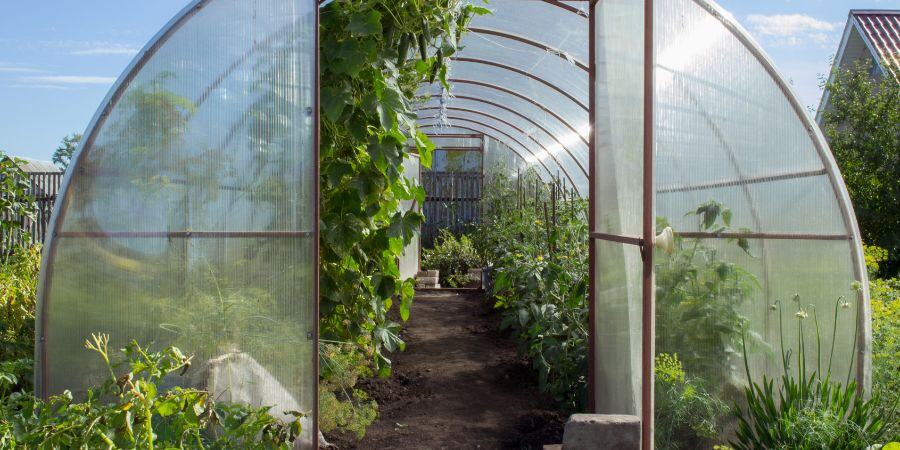
The life expectancy of a greenhouse can vary significantly based on several factors including materials used in construction, maintenance, environmental conditions, and the type of crops grown. Generally, greenhouses can last anywhere from 5 to 30 years or more. Here are several factors that influence this lifespan:
Materials Used in Construction
The type of materials used in building a greenhouse plays a crucial role in determining its durability and lifespan. Common materials include:
- Glass: Traditional greenhouses often use glass panels, which can last 20 years or more if properly maintained. However, they are prone to breakage and require more upkeep.
- Polycarbonate: This material is durable and offers better insulation than glass. A polycarbonate greenhouse can last approximately 10 to 20 years.
- Polyethylene Film: Often the most affordable option, this material typically lasts 4 to 6 years before needing replacement due to wear and tear.
Maintenance Practices
Regular maintenance is essential for prolonging the life of a greenhouse. Proper care can significantly enhance its longevity through various practices:
- Cleaning: Regularly removing dirt and debris from the panels helps maintain light penetration and prevents material degradation.
- Inspections: Conducting periodic inspections for damage or wear ensures that any issues can be addressed promptly, preventing further deterioration.
- Structural Repairs: Promptly addressing any structural issues, such as broken panels or corroded frames, can significantly extend the life of the greenhouse.
Environmental Factors
The environment in which a greenhouse is located greatly affects its lifespan. Key environmental factors include:
- Climate: Extreme weather conditions, such as heavy snowfall, high winds, or intense UV radiation, can lead to quicker degradation of materials.
- Location: Placing the greenhouse in a sheltered area can protect it from harsh weather conditions, enhancing its longevity.
- Temperature Control: Effective temperature management can minimize stress on materials and reduce the likelihood of damage over time.
Type of Crops Grown
The type of crops grown in the greenhouse can influence its lifespan based on the following factors:
- Plant Density: High-density planting can increase humidity and plant-related wear on the structure, requiring more frequent maintenance.
- Weight of Plants: Heavier plants or equipment can put additional strain on the structural components of the greenhouse, potentially shortening its lifespan.
- Use of Fertilizers: The chemicals in fertilizers can lead to corrosion of metal structures, affecting the overall durability of the greenhouse.
Innovations and Upgrades
Advancements in greenhouse technology can also enhance their longevity. Consider the following:
- Modern Materials: New materials such as advanced plastics or treated glass offer improved durability and UV resistance.
- Automation Systems: Implementing automated climate control systems can help reduce the wear on greenhouse materials by maintaining optimal environmental conditions.
- Modular Designs: Many newer greenhouses are designed to be modular, allowing for easy upgrades and repairs without compromising structural integrity.
Questions from Our Readers
How long does greenhouse plastic typically last?
The lifespan of greenhouse plastic can vary significantly, but most commonly, high-quality greenhouse films last between 4 to 6 years. This durability can be affected by factors such as UV exposure, climatic conditions, and the quality of the material used.
What factors affect the longevity of greenhouse plastic?
Several factors can influence the lifespan of greenhouse plastic, including exposure to sunlight, temperature fluctuations, and physical wear and tear. Additionally, the thickness and type of plastic are critical, as thicker materials tend to last longer than thinner alternatives.
Can greenhouse plastic be recycled or reused?
While it is possible to reuse greenhouse plastic if it is still in good condition, most used plastics from greenhouses are not easily recyclable due to their material composition. Therefore, it is important to check with local recycling facilities for specific guidelines and options for disposal.
What maintenance can extend the life of greenhouse plastic?
To extend the life of greenhouse plastic, regular maintenance is essential. This includes cleaning the plastic to prevent algae and dirt buildup, ensuring good ventilation, and promptly repairing any tears or damage to prevent further deterioration.
See also:

If you want to read more articles like How Many Years Does Greenhouse Plastic Last? A Comprehensive Guide to Durability and Lifespan, we recommend you check out our Greenhouse category.
Leave a Reply
Related Articles