How Many Times a Year Should You Cut a Hedge? Essential Tips for Perfect Pruning

Pruning hedges is a crucial aspect of garden maintenance, contributing not only to the health of the plants but also to the overall aesthetics of your landscape. However, knowing how often to cut a hedge can be a challenge for many gardeners. This article delves into essential tips and guidelines on how many times a year you should prune your hedges for optimal growth and appearance. From understanding the specific needs of different hedge types to determining the best seasonal timing, we provide practical advice to help you achieve that perfectly manicured look while promoting healthy growth.
How Many Times a Year Should You Cut a Hedge?
The frequency of cutting a hedge can vary based on several factors including the type of plant, the desired shape, and the climate in your area. Generally, hedges are trimmed twice a year: once in late spring to encourage healthy growth and then again in late summer or early fall to maintain shape and density. However, faster-growing species may require more frequent trimming to prevent them from becoming overgrown, while slower-growing varieties might need less frequent maintenance. It's important to observe your hedge's specific growth patterns and adjust your cutting schedule accordingly to promote vigorous growth and aesthetic appeal.
Benefits of Regular Hedge Trimming
Regular trimming of your hedges helps to promote a healthy growth pattern, keeps them looking neat, and prevents them from becoming too dense. By practicing consistent cutting, you can also protect your plants from pests and diseases that thrive in unkempt environments. Moreover, it encourages air circulation and sunlight penetration, both essential for the overall health of the plants.
Best Times to Trim Your Hedges
The best times to trim your hedges vary depending on the species, but typically, late spring is optimal for most types as they are actively growing. For deciduous hedges, trimming in early spring ensures that you do not cut off any new growth. Late summer or early fall is also suitable for a second light trimming to maintain shape and remove any overgrown branches. This schedule helps to minimize stress on the plants while ensuring that they remain healthy and aesthetically pleasing.
Signs Your Hedge Needs Trimming
If your hedge is starting to appear unruly with overlapping branches or excessive height, it's definitely time for a trim. Other signs include sparse growth in certain areas or signs of disease and pests. If the hedge is blocking light to adjacent areas or encroaching into pathways, a trim would improve both aesthetics and functionality. Monitoring the overall health and shape of your hedge will guide you in determining the right time for maintenance cuts.
Tools Needed for Hedge Trimming
To effectively trim your hedges, you need the right tools. Standard tools include hand pruners for small branches, hedge trimmers for larger areas, and possibly a ladder or pole saw for higher sections. Make sure to have protective gear, such as gloves and safety goggles, as trimming can sometimes lead to flying debris. Using electric hedge trimmers can also speed up the process, but ensure you follow safety guidelines to prevent any accidents.
Impact of Weather on Hedge Trimming
Weather plays a crucial role in how and when you should trim your hedges. It is advisable to avoid trimming during periods of extreme heat or cold, as this can stress the plants. Wet conditions can also lead to disease when wounds are exposed on the plants, making it essential to pick a dry day in moderate temperatures for your trimming tasks. Monitoring seasonal changes and forecasts can help you decide the best times to perform this necessary maintenance.
| Hedge Type | Recommended Trim Schedule |
|---|---|
| Fast-growing Species | 3-4 times a year |
| Moderate-growing Species | 2 times a year |
| Slow-growing Species | 1 time a year |
How often should you cut hedges?
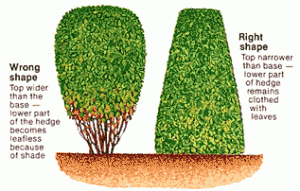
To maintain the health and aesthetics of your hedges, it is essential to understand how often they should be cut. In general, the frequency of hedge trimming depends on several factors, including the type of hedge, its growth rate, and the desired shape. For most types of hedges, a good rule of thumb is to trim them at least once a year, typically in late spring or early summer. However, faster-growing varieties might require more frequent cuts, up to two to three times a year.
To ensure you're making the best decisions for your specific plants, consider the following factors:
Types of Hedges
Different types of hedges have varying growth rates and maintenance needs.
- Deciduous Hedges: These lose leaves in the fall and typically require trimming in late winter or early spring before new growth begins.
- Evergreen Hedges: These retain their foliage throughout the year and often require more frequent cuts, ideally in late spring and early summer.
- Flowering Hedges: Depending on the blooming schedule, some flowering hedges should be trimmed just after flowering to encourage new growth.
Growth Rate
The growth rate of your hedge significantly influences how often it needs to be cut.
- Fast-Growing Hedges: Examples include leylandii and privet, which may need trimming every 6-8 weeks during the growing season.
- Moderate-Growing Hedges: Varieties like boxwood may only require a few trims throughout the year.
- Slow-Growing Hedges: Plants such as yew often need minimal maintenance, typically just once a year.
Seasonal Considerations
The timing of hedge trimming can significantly impact plant health and aesthetics.
See also:
- Spring Trimming: Trimming in spring helps shape the hedge before it starts growing actively.
- Summer Maintenance: During the growing season, trimming can help maintain shape and remove any overgrowth.
- Fall Pruning: Avoid heavy trimming in fall; light maintenance can prepare hedges for winter.
Desired Shape and Height
Your desired shape and height of the hedge will dictate the frequency of trimming.
- Formal Hedges: These require frequent maintenance to keep their shape and are typically trimmed two to three times a year.
- Informal Hedges: These can be trimmed less often, usually once a year.
- Height Management: Hedges used for privacy may need more frequent attention to ensure they reach and maintain the desired height.
Tools and Techniques
Using the right tools and techniques can affect how often you need to cut your hedges.
- Proper Tools: Use sharp shears or hedge trimmers to achieve clean cuts, promoting healthy growth.
- Technique Matters: Employing proper trimming techniques can minimize the need for excessive cuts and promote even growth.
- Safety Practices: Ensure safety measures are in place while trimming, which can encourage more frequent and careful maintenance.
Can you cut a hedge back too much?
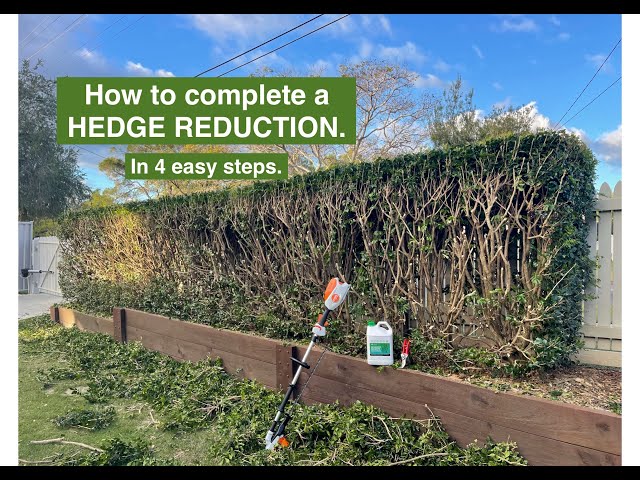
Yes, you can definitely cut a hedge back too much, which can lead to various problems for the plant. When you remove too much foliage, the hedge may struggle to recover, potentially affecting its health and appearance. It's important to understand that each type of hedge has specific pruning requirements and a maximum amount of greenery that can be safely removed without jeopardizing its vitality.
Understanding the Risks of Over-Pruning
Over-pruning can expose the inner branches to direct sunlight and create stress for the plant. Here are some risks to consider:
- Increased Vulnerability - A hedge that's been trimmed too much becomes more susceptible to pests and diseases.
- Stunted Growth - Excessive trimming can lead to poor regrowth, stunting the hedge's overall height and thickness.
- Leaf Burn - With less foliage, the remaining leaves may experience sunburn, leading to browning and dieback.
Identifying the Right Time to Prune
Timing is crucial when it comes to pruning hedges to avoid excessive cutting. Factors to consider include:
- Seasonal Growth Patterns - Most hedges should be pruned during their dormant season, which is typically late winter or early spring.
- Flowering Cycles - Prune flowering hedges after they've bloomed to preserve their flowers for the next season.
- Health Assessment - Before pruning, assess the hedge’s health to determine how much can be safely removed.
Signs of Over-Pruning
If a hedge has been cut back too much, there are several signs you can look for:
- Sparse Foliage - A hedge with significantly fewer leaves may indicate excessive cutting.
- Dieback - Dead branches or browning leaves are warning signs that the plant is under stress.
- Slow Recovery - If the hedge takes an unusually long time to regrow after pruning, it may have been over-trimmed.
Best Practices for Pruning Hedges
To maintain a healthy hedge while avoiding excessive cutting, consider the following best practices:
- Gradual Trimming - Instead of drastic cuts, opt for gradual trimming each season.
- Use Proper Tools - Invest in sharp and well-maintained pruning tools to ensure clean cuts.
- Follow Guidelines - Research specific pruning requirements for your hedge type to avoid common mistakes.
Long-Term Effects of Excessive Hedge Cutting
Continually cutting back a hedge too much can have lasting implications:
- Reduced Lifespan - Hedges that are frequently over-trimmed may have a shorter lifespan.
- Changes in Appearance - A hedge may lose its natural shape and fullness, becoming less aesthetically pleasing.
- Need for Replacement - In extreme cases, an over-pruned hedge may require replacement, leading to additional costs.
What month should I trim my hedges?
To determine the best month for trimming your hedges, it largely depends on the region you live in and the type of hedge you have. However, in general, the late winter or early spring months, typically from February to April, are considered ideal for most types of hedges. This timing allows your plants to recover from pruning before they enter their active growing season.
Factors to Consider When Trimming Hedges
Trimming hedges is not just about timing; various factors can influence when to prune. Consider the following:
- Hedge Type: Different plants have different growth patterns and ideal pruning times.
- Climate: Your local climate can impact the health and growth rate of your hedge.
- Growth Habit: Some hedges bloom on old wood, while others bloom on new wood.
Benefits of Trimming in Early Spring
Trimming your hedges in early spring offers several benefits that can enhance both the appearance and health of your plants:
See also:
- Encourages New Growth: Pruning stimulates new growth, leading to a fuller, healthier hedge.
- Prepares for Growth Season: Early trimming allows your hedge to focus energy on new foliage.
- Improves Shape: Regular trimming helps maintain a desirable shape and size.
Common Mistakes to Avoid When Trimming Hedges
Avoiding common mistakes during hedge trimming can lead to better results. Here are some pitfalls to watch out for:
- Timing Issues: Avoid trimming during the peak growing season as it can shock the plant.
- Neglecting Equipment: Always use sharp tools to make clean cuts and reduce plant stress.
- Ignoring Plant Type: Not all hedges should be trimmed in the same manner; research is essential.
Regional Variations in Pruning Schedules
Understanding regional variations can also guide your trimming schedule. The right timing may vary significantly based on where you are located:
- Temperate Regions: Generally, late winter to early spring is common.
- Tropical Areas: Pruning may be more frequent due to continuous growth patterns.
- Cold Climates: Wait until after the last frost to avoid damage.
Post-Trimming Care for Hedges
After trimming your hedges, providing proper care is crucial to ensure optimal recovery and growth:
- Watering: Ensure your hedges are adequately watered, especially if the weather is dry.
- Fertilizing: Applying a balanced fertilizer can help promote vigorous new growth.
- Monitoring Health: Keep an eye out for any signs of stress or disease post-trim.
How many times a year should you trim bushes?
:max_bytes(150000):strip_icc()/pruning-rule-of-thirds-for-shrubs-3269526-hero-b09072328c11465cbb3ac5870f3e890e.jpg)
To maintain the health and appearance of your bushes, it is generally recommended to trim them about 1 to 3 times a year. The exact frequency depends on the type of bush, its growth rate, and your desired aesthetic. Here's a detailed breakdown:
Factors Influencing Trimming Frequency
The frequency of trimming your bushes can be influenced by several factors:
- Type of Bush: Different species have varying growth rates. For example, fast-growing bushes may require more frequent trimming than slower-growing ones.
- Location: Bushes exposed to more sunlight may grow faster, necessitating more regular maintenance.
- Season: Some bushes thrive after being trimmed in the spring, while others may benefit from trimming in late summer or fall.
Spring Trimming Benefits
Trimming during the spring can help promote healthy growth. Here are some benefits:
- Encourages New Growth: Spring trimming can stimulate new shoots and leaves, leading to a fuller bush.
- Improves Shape: Trimming in early spring helps maintain a neat and attractive shape before the growing season.
- Pest Control: Removing dead or diseased branches in the spring can prevent pest infestations later in the year.
Summer Maintenance
Mid-summer can be another ideal time for trimming. Consider the following points:
- Shaping: Light trimming in the summer helps keep the bushes looking tidy as they continue to grow.
- Sun Exposure: It ensures that all parts of the bush receive adequate sunlight, promoting even growth.
- Deadheading: This involves removing spent flowers to encourage further blooming, especially in flowering bushes.
Autumn Trimming
Autumn may also be a suitable time for trimming some types of bushes. Here are the advantages:
- Preparing for Winter: Trimming in the autumn can help bushes withstand harsh winter conditions.
- Removing Dead Wood: It's a great opportunity to eliminate dead or dying branches that won't survive the cold months.
- Promoting Spring Blooms: By trimming in the fall, you can help ensure that the bush is ready to produce flowers in the spring.
Signs Your Bush Needs Trimming
It’s essential to watch for signs that indicate your bush may need trimming. Look for:
- Excessive Growth: If the bush has outgrown its designated space, it’s time to consider trimming.
- Uneven Shape: When the bush has a lopsided appearance, trimming can help restore balance.
- Dead or Diseased Branches: If you notice any dead sections, they should be removed immediately to protect the health of the bush.
Questions from Our Readers
How often should I cut my hedges?
It is generally recommended to cut your hedges twice a year: once in the spring and once in late summer. This helps to maintain a healthy shape while ensuring optimal growth and encourages budding.
Does the type of hedge affect cutting frequency?
Yes, the type of hedge can significantly impact how often you should cut it. Fast-growing hedges might require more frequent trimming, such as three to four times a year, while slower-growing varieties may only need to be cut once or twice.
When is the best time to cut hedges?
The best time to cut hedges is typically in late spring after the risk of frost has passed, and again in late summer to prepare for winter. This schedule promotes healthy growth and protects the plant from potential damage.
See also:
Can cutting hedges too frequently harm them?
Yes, cutting hedges too frequently can cause stress to the plants, leading to poor growth or even death. It is crucial to follow proper cutting practices and allow hedges time to recover between trims.

If you want to read more articles like How Many Times a Year Should You Cut a Hedge? Essential Tips for Perfect Pruning, we recommend you check out our Pruning category.
Leave a Reply
Related Articles