Ultimate Guide: How Many Sprinklers Can I Run Off One Hose?
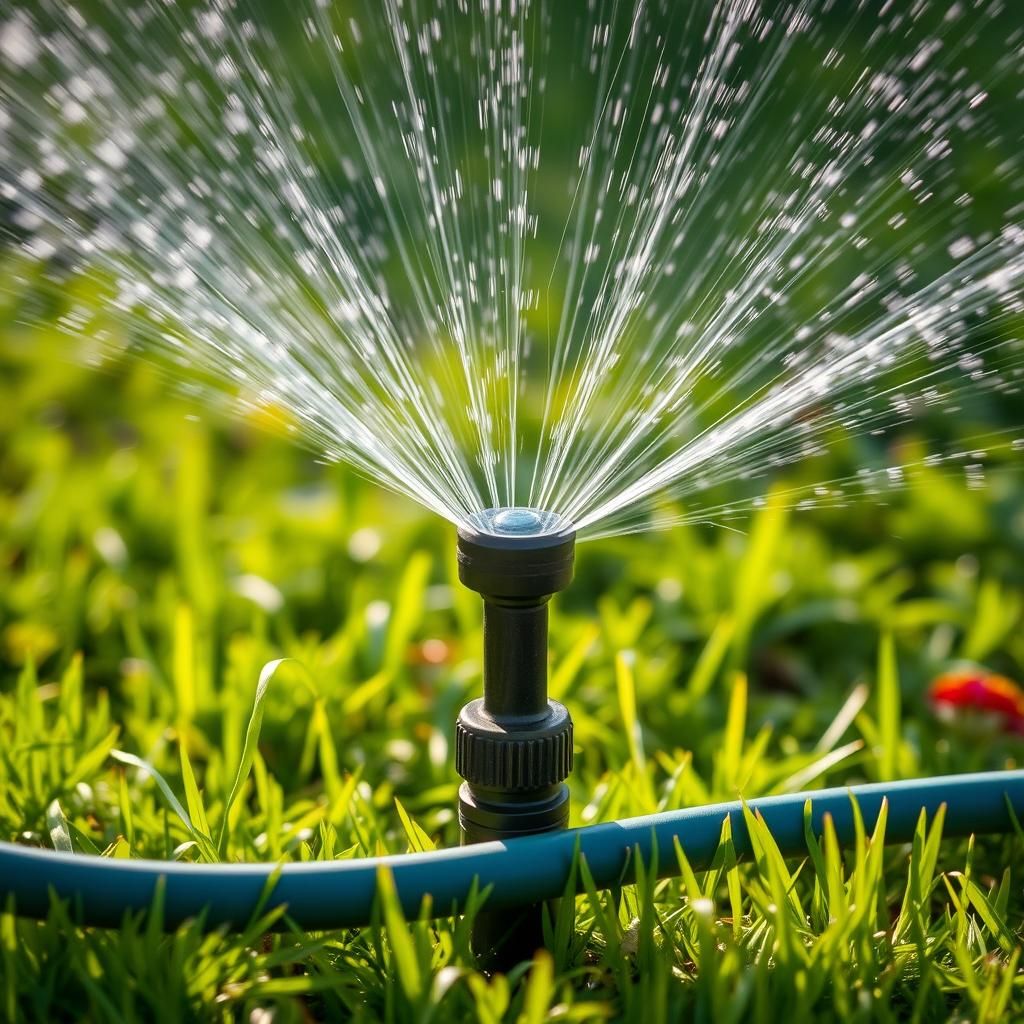
When planning an efficient irrigation system for your garden or lawn, one common question arises: how many sprinklers can you effectively run off a single hose? Understanding the limitations and capabilities of your garden hose is essential for optimal watering without sacrificing water pressure or performance. This ultimate guide will walk you through the factors that influence the number of sprinklers you can operate simultaneously. From hose diameter and length to water pressure and sprinkler type, we'll cover everything you need to know to create an effective and efficient watering setup that meets your landscaping needs.
How Many Sprinklers Can I Run Off One Hose?
When determining how many sprinklers can be run off a single hose, it primarily depends on the flow rate of the hose, the pressure of the water supply, and the type of sprinkler used. Typically, a standard garden hose has a flow rate of around 5 to 10 gallons per minute (GPM). The number of sprinklers you can run simultaneously will also vary depending on whether you are using stationary sprinklers or rotating ones, which require more water flow. As a rule of thumb, if you know the total flow rate available, you can divide this by the flow rate of your specific sprinkler to determine how many can effectively operate at the same time without significant drops in water pressure or effectiveness.
Understanding Hose Flow Rate
The flow rate of your hose is critical in understanding how many sprinklers can be used simultaneously. For example, a standard 5/8-inch hose typically has a flow rate of about 5 to 10 GPM depending on the water pressure. To find the number of sprinklers you can run, you will need to know both your hose's flow rate and the flow requirement of each sprinkler head. If each sprinkler needs 2 GPM, a hose with a rate of 10 GPM could theoretically accommodate up to five sprinklers.
Water Pressure Considerations
Water pressure affects the performance of your sprinklers significantly. Higher pressure means more water can be pushed through the hose and out of the sprinklers. If your water supply has low pressure, running multiple sprinklers might cause inadequate coverage, resulting in dry patches in your lawn. It’s essential to measure your water pressure in pounds per square inch (PSI) since most sprinklers operate effectively between 30 to 60 PSI.
Types of Sprinklers
Different types of sprinklers have varying water demands. For instance, stationary sprinklers typically require less water than rotating or oscillating sprinklers, which can drastically influence how many you can run off one hose. Understanding the specific flow rate of each type of sprinkler allows you to better design your irrigation system to meet your lawn's needs efficiently.
See also:
Distance and Hose Length
The length of the hose can affect the flow rate as well. Longer hoses can cause pressure drops due to friction losses as water travels through them. It’s important to consider the total distance from the water source to the sprinklers, as longer runs could mean that fewer sprinklers can function effectively. If you need to run multiple sprinklers far apart, it may be necessary to shorten the distances or use a larger diameter hose.
Calculating Sprinkler Usage
Calculating how many sprinklers can be run off one hose involves knowing the GPM and pressure, as well as the specifications of the sprinklers. Here’s a simple table to help visualize this:
| Hose Flow Rate (GPM) | Sprinkler Flow Rate (GPM) | Maximum Number of Sprinklers |
|---|---|---|
| 5 | 1 | 5 |
| 10 | 2 | 5 |
| 15 | 3 | 5 |
Understanding Hose Capacity for Multiple Sprinklers
When determining how many sprinklers can be operated from a single hose, it’s essential to consider the hose diameter, water pressure, and flow rate. A standard garden hose typically has a diameter of 5/8 inch, which affects its flow rate measured in gallons per minute (GPM). Generally, a hose can deliver around 7-9 GPM under normal conditions. Therefore, if you plan to run multiple sprinklers, each one’s GPM needs to be added up against the total flow rate your hose can provide. If the combined GPM exceeds what your hose can deliver, it results in a significant drop in water pressure and effectiveness. Thus, understanding these variables is crucial for efficient irrigation.
Factors Affecting Sprinkler Count
Several factors influence how many sprinklers can work efficiently off one hose. The water pressure at the source is the most critical variable; more pressure typically means more sprinklers can be accommodated. Additionally, the hoses' diameter impacts flow capacity; a wider hose allows for greater water movement. The GPM rating of each sprinkler also plays a significant role, as if their combined requirements exceed the flow rate of the hose, performance will be compromised.
Calculating Flow Rate
To accurately calculate the flow rate from your hose, you can conduct a simple test using a bucket. Fill a bucket of known volume (like a 5-gallon bucket) and time how long it takes to fill it completely. Use this data to determine your hose's GPM. For example, if it takes 30 seconds to fill the bucket, the flow rate is 10 GPM. This number will be essential for adjusting your sprinkler setup to avoid exceeding your hose’s capacity.
See also:
Choosing the Right Sprinklers
Not all sprinklers utilize water efficiently. When selecting sprinklers for use with a single hose, consider the type of sprinkler—some, like drip irrigation, use less water and can be more easily managed within the constraints of your hose. Conversely, large oscillating or impact sprinklers may require more flow and pressure. Ensure that the combined requirements of your selected sprinklers do not surpass your hose capacity to maintain adequate performance.
Maximizing Irrigation Efficiency
Maximizing your irrigation efficiency involves careful planning of both the number and type of sprinklers in use. To ensure proper coverage and pressure distribution, it may be wise to space out the sprinklers and check the pressure at various points along the hose. Regularly maintain hoses and connections to prevent leaks that could further diminish flow. The goal is to maintain adequate pressure while avoiding overloading your hose capacity.
Recommendations for Larger Yards
For larger yards requiring many sprinklers, consider using multiple hoses connected to separate spigots or install a sprinkler system designed for higher demands. A proper sprinkler system can maintain higher pressure and better distribute water without compromising flow rates. Ensuring your setup is optimized for your specific yard size and shape will help in managing water usage while keeping your landscaping healthy and vibrant.
Questions from Our Readers
How many sprinklers can I run off one hose?
You can typically run one to three sprinklers off a standard garden hose, depending on the size and water pressure. More sprinklers may lead to reduced performance as they divide the water supply.
What factors affect the number of sprinklers I can use?
The size of the hose, length of run, and water pressure are crucial factors. Larger hoses can handle more sprinklers, while lower water pressure may limit effectiveness.
See also:
Can I use multiple hoses to run more sprinklers?
Yes, using multiple hoses can allow you to connect more sprinklers, but ensure that your water source can handle the increased demand for water without compromising pressure.
What type of sprinklers is best for use with a single hose?
Impact or oscillating sprinklers are generally the best choices for use with a single hose, as they efficiently distribute water and are designed to work well with standard garden water pressure.

If you want to read more articles like Ultimate Guide: How Many Sprinklers Can I Run Off One Hose?, we recommend you check out our Irrigation category.
Leave a Reply
Related Articles