How Many Plants Should Be in a Planter Box? Expert Tips for a Thriving Garden
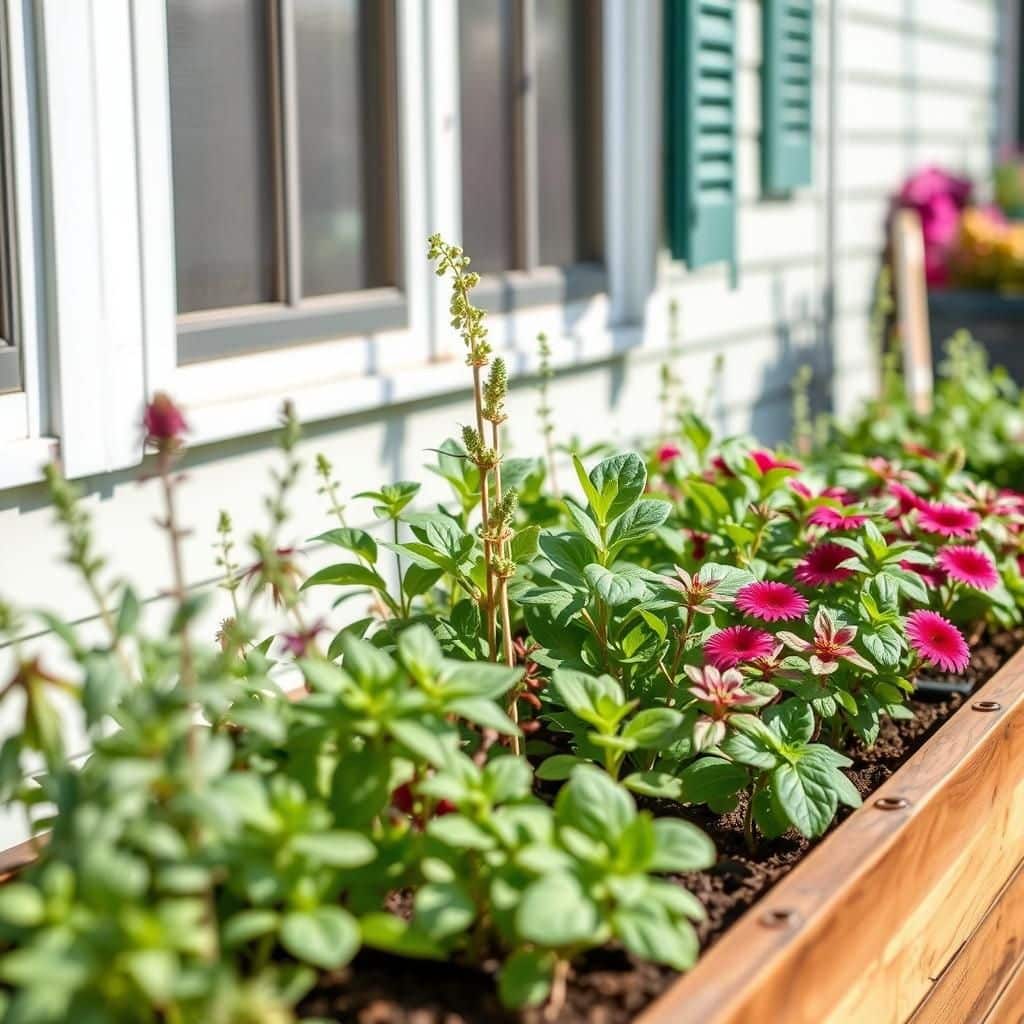
When it comes to creating a vibrant and thriving garden, one of the most common questions gardeners face is, How many plants should be in a planter box? The right plant density can significantly impact the health and growth of your plants, as well as the overall aesthetics of your garden. Understanding factors such as plant size, growth habits, and the specific environment of your planter box is essential. In this article, we will explore expert tips and guidelines to help you determine the ideal number of plants for your planter box, ensuring a flourishing and visually appealing garden space.
How Many Plants Should Be in a Planter Box?
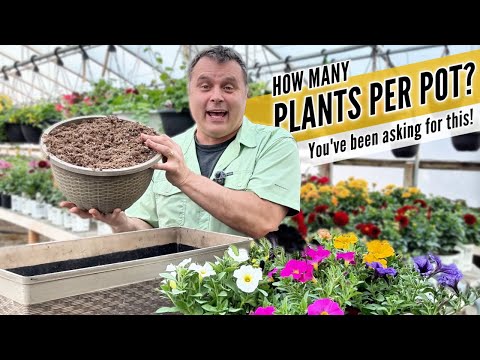
The number of plants that should be placed in a planter box depends on several factors including the size of the box, the type of plants, their growth habits, and the desired aesthetic. As a general guideline, a good rule of thumb is to allow about 1 to 2 square feet of space per plant for larger species, while smaller plants like herbs or annual flowers can be crowded a bit more, with about 6 to 12 inches between each plant. Overcrowding can lead to poor air circulation, increased competition for nutrients, and ultimately, stunted growth. It is essential to assess the specific needs of each plant species and consider their mature sizes before populating the box with plants.
Consider the Size of the Planter Box
The dimensions of your planter box play a crucial role in determining how many plants it can accommodate. A larger box can support multiple plants without overcrowding, while a smaller box may only hold one or two. It's recommended to measure the length, width, and depth of the box and use the total volume to gauge how many plants can thrive together. For instance, a 24-inch by 12-inch planter can usually hold up to 4 medium-sized plants comfortably, ensuring they have enough space for their roots to develop and for air circulation.
Choosing the Right Plants
Not all plants have the same growth habits. When selecting plants for a planter box, it's vital to consider whether they are spreading, upright, or have a bushy growth form. Spreading plants, such as ground covers, can take up more space horizontally, while upright grasses may allow for more vertical growth. Additionally, when combining different species, be aware of their specific watering and light requirements to prevent competition and ensure that each plant thrives.
Spacing Guidelines for Healthy Growth
Proper spacing between plants in a planter box is crucial for their health and growth. A commonly used guideline is to provide about 6 to 12 inches between smaller plants like herbs, while larger plants such as tomatoes or pepper plants may require up to 2 feet apart. This spacing allows each plant to access essential resources such as water, sunlight, and nutrients, thereby promoting healthy growth and reducing the risk of disease spread amongst crowded plants.
Determining Plant Types for Mixed Plantings
If you're considering a mixed garden in your planter box, understanding the compatibility of different plant types is key. Grouping plants with similar needs, such as those that require similar sunlight and watering, can optimize their growth potential. Consider pairing thriller, filler, and spiller plants where the taller varieties serve as focal points, mid-height plants fill in gaps, and trailing varieties create an attractive edge. This combination not only enhances visual interest but also makes sure each plant has adequate room to flourish.
Maintaining the Planter Box
Even with a well-planned arrangement, regular maintenance is essential for ensuring the longevity and productivity of your planter box. This includes pruning to prevent overcrowding, removing dead leaves, and monitoring for pests. Regularly refreshing the soil and nutrients every season will also help support healthy plant growth. These practices will contribute to a thriving environment where the number of plants can be sustained without compromising their well-being.
| Plant Type | Space Needed | Ideal Quantity for 24x12 Box |
|---|---|---|
| Herbs (e.g., basil, parsley) | 6-12 inches | 4-6 plants |
| Medium Flowers (e.g., petunias) | 12-18 inches | 3-4 plants |
| Bush Tomatoes | 18-24 inches | 1-2 plants |
| Spreading Ground Covers | 12-24 inches | 2-3 plants |
| Upright Ornamental Grasses | 18-24 inches | 1-2 plants |
What are the three rules for planters?

The three rules for planters are essential guidelines that help ensure successful planting and growth of plants. These rules typically emphasize the importance of understanding plant needs, the environment, and proper maintenance.
The Importance of Selecting the Right Location
Choosing the right location is crucial for the health and growth of your plants. Depending on the type of plants, some may require full sunlight, while others thrive in shade. Understanding the needs of your specific plants will help you determine the best placement. Key considerations include:
- Sunlight: Assess how many hours of direct sunlight your chosen location receives.
- Soil Quality: Investigate the soil type and its nutrient profile to match it with plant requirements.
- Drainage: Ensure the area has proper drainage to prevent root rot.
Understanding Soil Requirements
Soil is the foundation of plant health, and different plants have varying soil requirements. Knowing the right type of soil can significantly affect growth rates and overall vitality. The primary factors include:
- pH Level: Test the soil's pH to confirm it matches the needs of your plants.
- Nutrients: Ensure the soil is rich in essential nutrients such as nitrogen, phosphorus, and potassium.
- Texture: Choose soil with appropriate texture—sandy, clay, or loamy—to facilitate proper root development.
Watering and Moisture Management
Proper watering techniques are vital for the sustained growth of plants. Overwatering and underwatering can lead to various complications. Key points to consider are:
- Watering Schedule: Establish a consistent watering schedule based on the plant's growth stage and season.
- Soil Moisture: Regularly check soil moisture to ensure it is adequate for your plants’ needs.
- Watering Method: Employ the right watering method, such as drip irrigation or hand-watering, to avoid water stress.
Choosing the Right Plants
Selecting the appropriate plants for your garden or planter is fundamental to ensuring a flourishing environment. Different plants have unique requirements and benefits. Consider the following:
- Compatibility: Choose plants that grow well together and have similar sunlight and water needs.
- Local Climate: Select plants that are suited to your local climate to enhance their chances of survival.
- Growth Habit: Understand the growth habits (e.g., height, spread) of the plants to plan spacing effectively.
Regular Maintenance and Care
Consistent maintenance is essential to keeping plants healthy. This includes regular monitoring and services they require. Important maintenance tasks include:
- Fertilization: Apply appropriate fertilizers based on soil tests and plant needs.
- Pest Control: Regularly check for pests and take preventative measures or apply treatments as needed.
- Pruning: Prune dead or diseased branches to promote better airflow and plant vitality.
Can you put too many plants in a planter?


Yes, you can put too many plants in a planter, and doing so can lead to several issues that adversely affect plant growth and overall health. When a planter is overcrowded, plants compete for essential resources such as nutrients, water, and light. This competition can result in stunted growth, leggy plants, and increased susceptibility to disease and pests. Overcrowding may also lead to poor soil aeration and drainage, potentially causing root rot and other complications. Thus, it's crucial to consider the size of both the planter and the plants being used.
Plant Competition for Resources
When multiple plants are placed in a single planter, they begin to compete for limited resources essential for survival and growth.
- Nutrients: Each plant requires specific nutrients to thrive. Overcrowding forces them to share a limited supply.
- Water: Plants need a sufficient amount of water to grow. Too many plants can lead to inadequate watering for each individual.
- Light: If plants are not spaced properly, some may not receive enough sunlight, affecting their photosynthesis process.
Effects on Plant Growth
Overcrowding in a planter can severely affect the growth patterns of the plants involved, leading to various unfavorable outcomes.
- Stunted Growth: With inadequate access to nutrients and water, plants may stop growing or grow at a slower rate.
- Leggy Plants: Plants may stretch towards the light, resulting in elongated stems that weaken the plant structure.
- Reduced Yield: For flowering or fruiting plants, overcrowded conditions can lead to fewer blooms and less fruit set.
Soil Health and Aeration
The health of the soil is critical to the success of any planter. Too many plants can compromise soil quality and aeration.
- Poor Drainage: Excessive roots can clog the soil, preventing proper drainage and leading to water pooling.
- Soil Compaction: Overcrowding can compact the soil, reducing air pockets that roots need to expand effectively.
- Bacterial Growth: A damp and compacted environment can promote harmful bacterial growth, putting plants at risk.
Disease and Pest Vulnerability
When plants are too close together, they become more susceptible to diseases and pests, making care and management a bigger challenge.
- Spread of Disease: A disease affecting one plant can easily spread to neighboring plants that are in close proximity.
- Pest Infestation: Pests can quickly move from one plant to another when plants are too densely packed.
- Stress Factors: Overcrowded plants might experience stress that makes them more susceptible to diseases and infestations.
Balanced Planting Techniques
To prevent the issues outlined, it is essential to employ balanced planting strategies that allow plants to thrive.
- Choose the Right Size Planter: A larger planter can accommodate more plants without leading to overcrowding.
- Understand Plant Needs: Research the specific needs of each plant species regarding space, light, and water.
- Regular Pruning: Maintain plant health and optimize space by regularly pruning plants to encourage airflow and light penetration.
How do you arrange plants in a planter box?
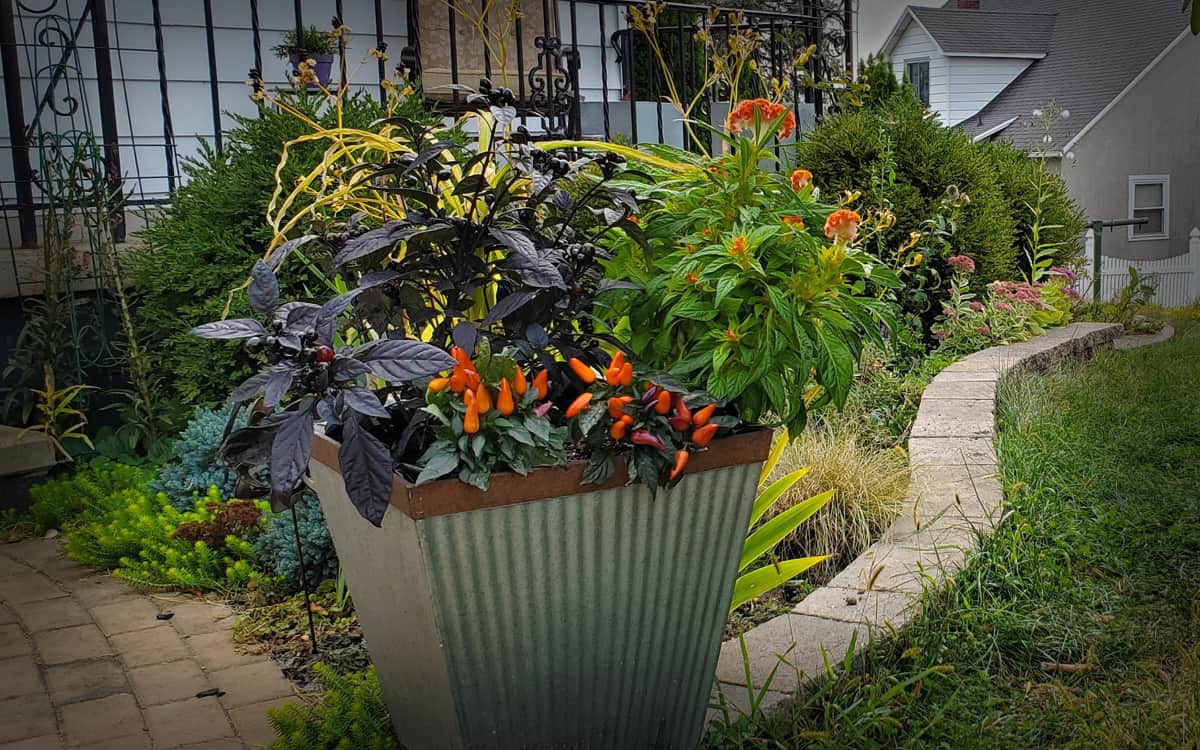
When arranging plants in a planter box, several factors come into play to ensure that the plants thrive together harmoniously. Here are the steps to follow for a successful arrangement:
1. Choose the Right Size: Select a planter box that is deep and wide enough to accommodate the root systems of the plants you choose.
2. Consider Light and Water Needs: Understand the light and water requirements of the plants to ensure they are compatible with each other.
3. Select a Focal Point: Opt for a larger plant or a striking color that will serve as the focal point of the arrangement.
4. Layering: Place taller plants in the back and shorter ones in the front. This creates depth and visibility.
5. Group Similar Plants: Group plants with similar care requirements together to simplify maintenance and promote healthy growth.
6. Use Spacing Wisely: Make sure to leave adequate space between plants to allow for growth and airflow.
7. Consider Color and Texture: Mix different textures and colors to create an interesting and visually appealing arrangement.
See also:
8. Add Accessories: Consider adding decorative elements like stones or other features to enhance visual interest.
Choosing the Right Plants
Selecting the appropriate plants is essential for the success of your planter box. Consider the following factors when making your selection:
- Climate: Ensure the plants can thrive in your local climate.
- Seasonality: Choose plants that bloom at different times for year-round color.
- Size: Consider the mature size of each plant to avoid overcrowding.
Understanding Plant Compatibility
Compatibility between plants affects their growth and overall health. Important aspects to consider include:
- Water Needs: Group plants that have similar watering requirements to prevent over- or under-watering.
- Lighting: Ensure all plants can thrive under the same light conditions, whether full sun, partial shade, or full shade.
- Soil Type: Choose plants that prefer the same type of soil for optimal growth.
Creating Depth and Interest
To make your arrangement visually striking, focus on creating depth and interest by:
- Height Variation: Use varying heights to add dimension, placing tall plants at the back and shorter ones in the front.
- Color Contrast: Incorporate contrasting colors to enhance visual appeal, ensuring they complement one another.
- Texture Combination: Mix plants with different leaf shapes and textures for added interest.
Maintenance and Care
Proper maintenance is crucial for the health of your plants. Key tasks include:
- Regular Watering: Check soil moisture regularly and water as needed, avoiding root rot.
- Fertilization: Apply a balanced fertilizer periodically to promote healthy growth.
- Pruning: Trim dead or overgrown parts to maintain the desired shape and health of the arrangement.
Incorporating Decorative Elements
Adding decorative elements can enhance your planter box arrangement. Consider the following:
- Stones: Use colored stones or gravel for ground cover to provide contrast and aid in drainage.
- Statues or Ornaments: Include small statues or ornaments that reflect your personal style.
- Lighting: Optional fairy lights can add charm and make the arrangement visible at night.
How full should you fill a planter box?
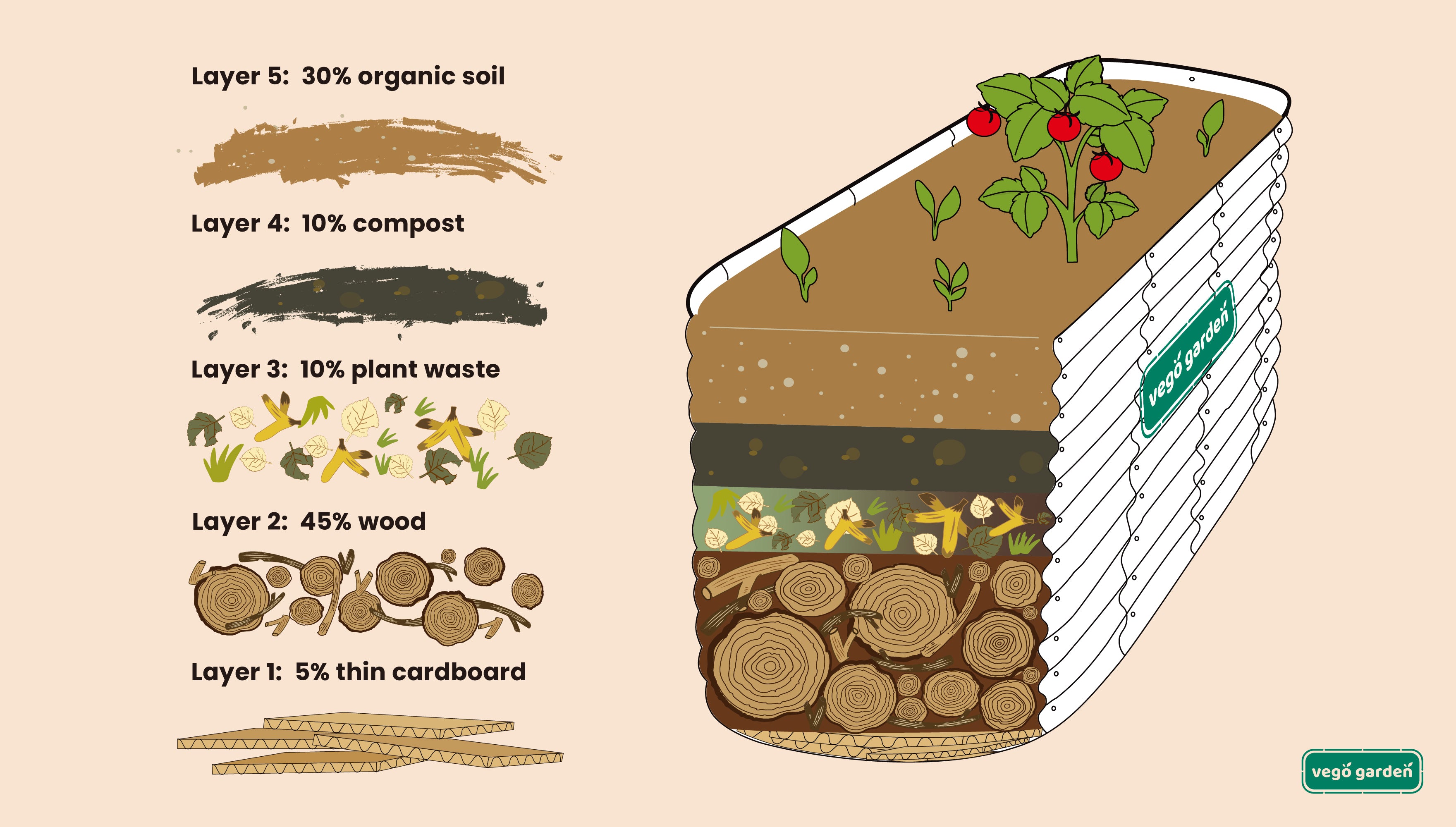
When filling a planter box, it is essential to consider the type of plants you intend to grow, the soil requirements, and the overall capacity of the container. A planter box should be filled to approximately 2 to 3 inches below the rim to allow for soil expansion and proper drainage. Overfilling can lead to water retention, which may cause root rot and other problems for your plants.
Importance of Drainage
Proper drainage is critical for the health of your plants. If the planter box is filled to the very top, water may accumulate, leading to soggy soil conditions.
- Drainage holes should be unobstructed to allow excess water to escape.
- Using a layer of stones or gravel at the bottom can help with drainage.
- Observe the moisture levels in the soil to ensure good drainage.
Soil Depth for Different Plants
Different plants have varying root depth requirements, which dictate how full you should fill your planter box. For instance, shallow-rooted plants may require less depth than deep-rooted ones.
- For herbs and small flowering plants, a depth of around 6 to 8 inches is usually sufficient.
- Vegetables like tomatoes or peppers may require at least 12 inches of soil.
- Deep-rooted plants and trees may need 18 inches or more for optimal growth.
Soil Composition
The composition of the soil you use in your planter box is just as important as the depth. A well-balanced mix encourages healthy plant growth.
- Use a combination of potting soil, compost, and perlite for aeration.
- Avoid using garden soil, as it can compact and hinder drainage.
- Consider adding organic matter to improve nutrient retention.
Seasonal Considerations
Be aware that the season can affect how full you should fill your planter box. Planting during different times of the year might require adjustments in soil level.
- In cooler months, you may need to adjust the soil level to prevent freezing conditions.
- During hot months, keep the soil slightly lower to minimize evaporation.
- In spring, ensure sufficient soil volume to accommodate growing plants.
Monitoring Soil Level Over Time
As time goes on, the soil level in your planter box may decrease due to settling, decomposition, and plant growth. Ongoing monitoring is essential.
- Check the soil level every few weeks, especially after heavy rains.
- Add soil or compost as needed to maintain appropriate levels.
- Watch for signs of stress in plants, which may indicate inadequate soil depth.
Questions from Our Readers
How many plants can I fit in a planter box?
The number of plants you can fit in a planter box depends on the size of the box and the type of plants you choose. As a general guideline, you should allow about 6 to 12 inches of space between each plant for proper growth, meaning that a small box could hold 2-3 smaller plants, while a larger box may accommodate more.
What factors determine the number of plants in a planter box?
Several factors influence the number of plants you can grow in a planter box, including the mature size of the plants, their growth habits, and the box's dimensions. Additionally, it's important to consider the light requirements and the soil health to ensure that each plant has enough resources.
See also:
Can I overcrowd plants in a planter box?
While it might be tempting to fit as many plants as possible into a planter box, overcrowding can lead to inadequate air circulation and nutrient competition, which may harm plant growth. It's best to adhere to recommended spacing guidelines to promote healthy development and maximize your overall garden success.
Do different plants require different spacing in a planter box?
Yes, different species of plants have varied spacing needs based on their expected size and growth patterns. For instance, herbs such as basil can be planted closer together, while larger plants like tomatoes need more space. Always check the specific requirements for each type of plant to ensure optimal growth conditions.
If you want to read more articles like How Many Plants Should Be in a Planter Box? Expert Tips for a Thriving Garden, we recommend you check out our Planter category.
Leave a Reply
Related Articles