How Many Hours Do Landscapers Work Per Day? A Comprehensive Guide to Landscaping Work Hours
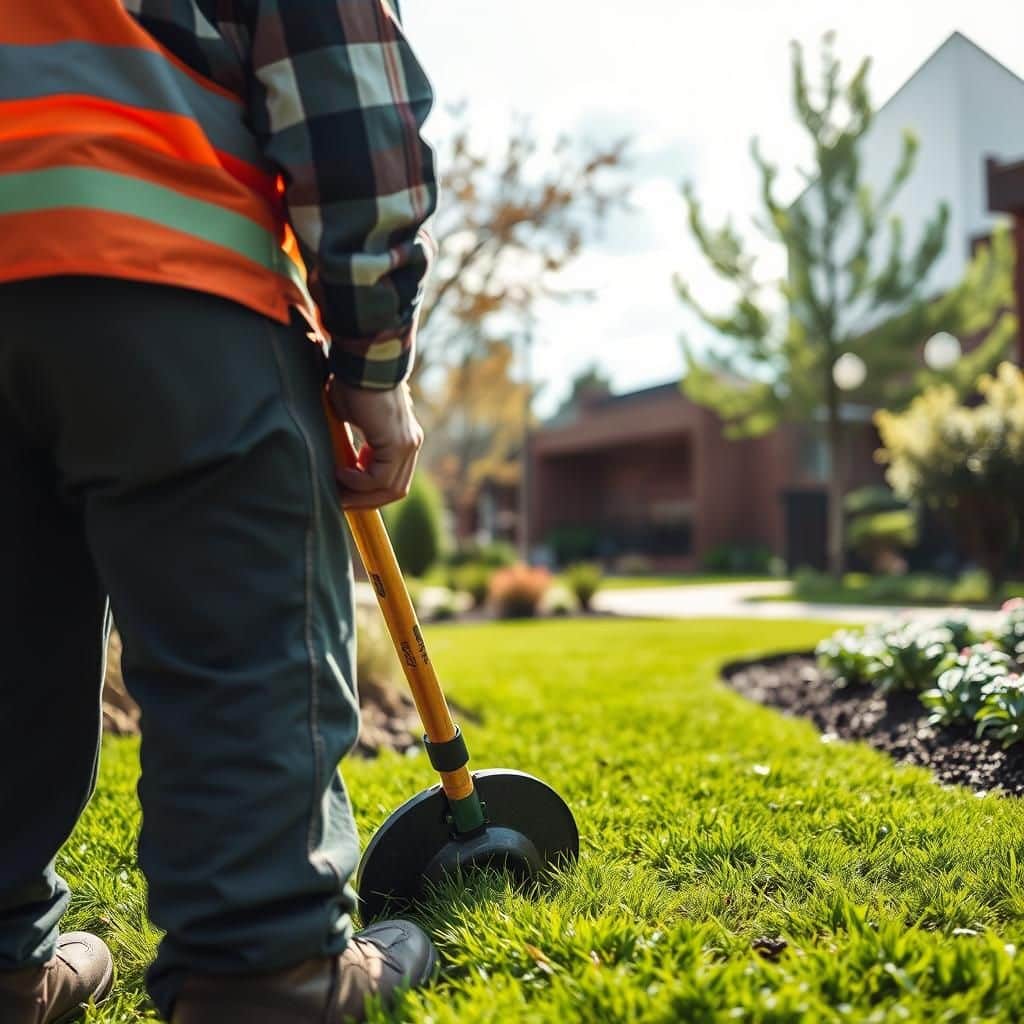
Landscaping is a rewarding yet demanding profession that requires a deep understanding of nature, design, and maintenance. For those considering a career in landscaping or hiring a landscaping service, one essential question arises: how many hours do landscapers work per day? This comprehensive guide aims to explore the typical work hours of landscapers, examining factors such as seasonal demands, project types, and the various roles within the industry. Understanding the nuances of landscaping work hours can help clients plan their projects effectively and provide aspiring landscapers with insights into the lifestyle and commitments of this vibrant field.
How Many Hours Do Landscapers Work Per Day?
Landscapers typically work 8 to 10 hours per day, depending on the demands of their projects and the season. During peak seasons, such as spring and summer, they may extend their daily hours to accommodate larger projects or increased customer requests. Weather conditions also play a crucial role in determining the length of a workday, with rain or extreme heat potentially leading to shorter hours or rescheduled work. Landscaping often requires physical labor and can be unpredictable, making flexibility in working hours essential for landscapers to meet client needs and project deadlines.
Typical Work Schedule for Landscapers
Most landscapers follow a regular schedule, typically working Monday through Friday, with some taking on weekend jobs as needed. This allows them to manage their time effectively and meet the demands of different clients. Some landscapers may also choose to start their day early, taking advantage of cooler morning temperatures, which not only enhances their productivity but also ensures they avoid the heat later in the day.
Factors Influencing Work Hours
Several factors influence the number of hours landscapers work each day. Seasonal variations are a significant factor; for example, during winter, working hours may reduce dramatically due to fewer landscaping tasks available. Additionally, the type of projects being handled can also affect working hours, as larger and more complex jobs may require more time investment than routine maintenance tasks.
Seasonal Variations in Work Hours
In the landscaping business, there are clear seasonal variations in work hours. Spring and summer are peak seasons, with landscapers often putting in longer hours to meet the high demand for services. In contrast, fall brings a decline in projects as plants prepare for winter, leading to a reduction in hours worked. Winter sees even fewer hours as many landscaping businesses may close down or shift their focus to snow removal and other winter services.
Impact of Weather on Daily Hours
Weather conditions can significantly affect a landscaper's daily working hours. Light rain might not disrupt their schedule much, but heavy rainfall or storms can lead to cancellations, forcing landscapers to either shorten their workday or reschedule projects to later dates. Additionally, extreme heat can lead to earlier starts and shorter hours to protect workers from heat-related illnesses.
Client Expectations and Custom Projects
Client demands and expectations also play a key role in determining the daily hours for landscapers. For instance, custom landscaping projects that require meticulous attention to detail may necessitate longer hours to ensure client satisfaction. Furthermore, repeat customers might advocate for faster turnaround times, prompting landscapers to adjust their schedule to accommodate these requests and maintain strong client relationships.
| Season | Typical Hours |
|---|---|
| Spring | 8-10 hours |
| Summer | 8-10+ hours |
| Fall | 6-8 hours |
| Winter | Variable (Reduced hours) |
How much does a landscaper make per day?
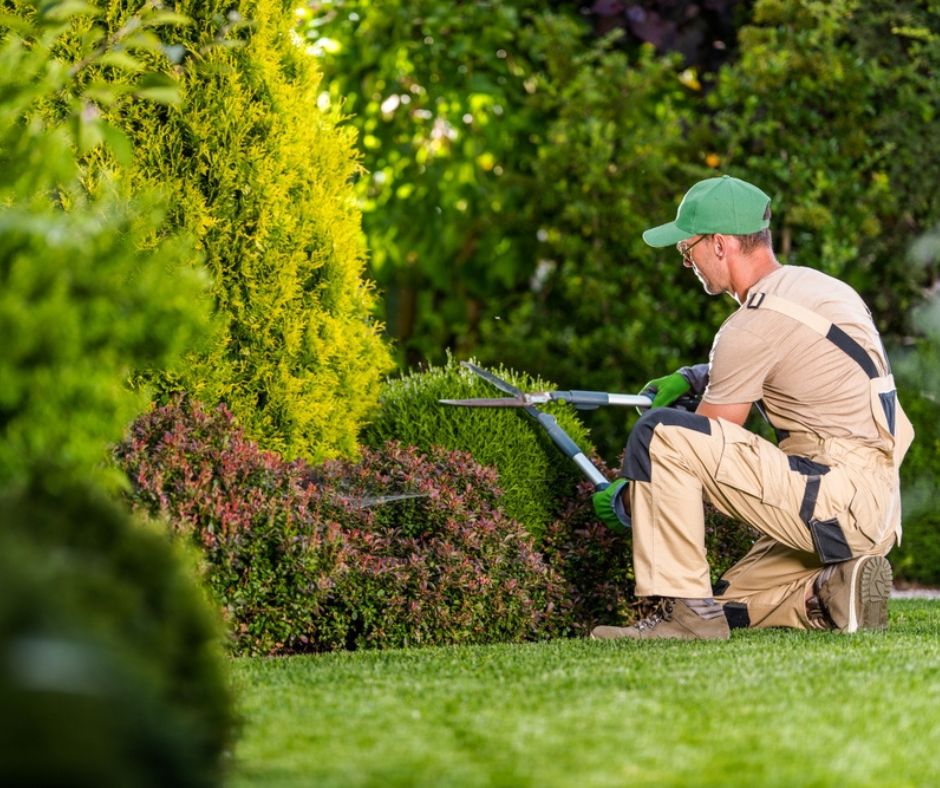
The daily earnings of a landscaper can vary significantly based on several factors including experience, location, and the complexity of the work. On average, a landscaper can expect to make between $100 to $300 per day. However, some highly skilled landscapers working in upscale markets may earn more, while those just starting or in lower-cost areas may make less.
Factors Affecting Daily Earnings
The earnings of a landscaper are influenced by various factors, which include:
See also:
- Experience: More experienced landscapers tend to charge higher rates due to their skill set and efficiency.
- Location: Landscapers in urban areas or regions with a higher cost of living generally earn more than those in rural settings.
- Type of Services: Specialized tasks such as landscape design or hardscaping often command higher fees compared to basic lawn care.
Experience Levels and Earnings
Different levels of experience can greatly impact a landscaper's daily wage.
- Entry-Level: New landscapers often start at the lower end of the pay scale, typically earning around $100 to $150 per day.
- Mid-Level: With a few years of experience, a landscaper can earn approximately $150 to $250 per day.
- Highly Skilled: Those with specialized training or certifications can command rates of $250 to $400 per day.
Seasonal Variations in Earnings
The landscape industry often experiences fluctuations in earnings depending on the season.
- Spring and Summer: These are typically the peak seasons for landscaping work, leading to higher daily earnings and more job opportunities.
- Fall: While still busy, the demand may decrease slightly, often affecting the daily income as some clients prepare for winter.
- Winter: Many landscapers may find themselves with little to no work during the colder months, affecting yearly income.
Contracts and Self-Employment
Landscapers who operate their own businesses may have different earnings compared to those employed by companies.
- Independent Contractors: They can set their own rates, potentially leading to higher daily earnings based on demand and reputation.
- Fixed Contracts: Some landscapers work on fixed contracts that guarantee a daily rate, providing more stable income throughout the year.
- Market Demand: A strong demand for landscaping services can allow self-employed landscapers to increase their rates and overall income.
Geographical Differences
Location plays a crucial role in determining a landscaper's earnings.
- Urban Areas: Landscapers in cities often earn more due to higher demand and living costs.
- Rural Areas: In less populated regions, the pay scale tends to be lower due to less competition and demand.
- Regional Variability: Different states or regions might also have unique wage standards reflecting local economies.
What is a good man hour rate for landscaping?

The man hour rate for landscaping varies greatly depending on several factors including location, the complexity of the work, and the expertise level of the professionals involved. Generally, a good man hour rate for landscaping can range from $50 to $150 per hour. Here’s a detailed breakdown.
Factors Influencing Landscaping Rates
The rate you can expect to pay per hour for landscaping services is influenced by several key factors:
- Geographic Location: Costs can differ significantly based on your location. Urban areas often have higher rates than rural regions.
- Type of Service: Specialized services such as garden design or irrigation installation typically cost more than general lawn maintenance.
- Experience and Certification: Landscapers with years of experience or specialized certifications may charge higher rates due to their expertise.
Comparative Rates for Different Services
Different landscaping services have varied pricing structures. Here are some comparisons:
- Lawn Care: Typically ranges from $50 to $80 per hour.
- Landscape Design: Can range from $75 to $150 per hour depending on design complexity.
- Irrigation Installation: Often costs between $70 to $120 per hour, influenced by system requirements.
Cost Benefits of Hiring Professionals
While hiring a landscaping professional may seem costly, the benefits often outweigh the expense:
- Time Efficiency: Professionals finish tasks quicker and with greater precision.
- Quality Workmanship: They ensure high-quality outcomes, minimizing the need for repeated work.
- Expert Knowledge: Professionals offer insights into plant types and landscape management that can enhance your property.
Estimating Your Landscaping Project Budget
Estimating the budget for your landscaping project involves several calculations:
See also:
- Initial Assessment: Determine the scope of work and types of services needed.
- Get Multiple Quotes: Contact various landscaping companies to get average rates.
- Include Materials: Don’t forget to factor in the cost of plants, soil, and other materials required.
Negotiating Landscaping Rates
Negotiating with landscaping professionals can potentially lead to better rates:
- Discuss Your Budget: Be open about what you can afford, as some may adjust their rates to accommodate.
- Consider Off-Season Work: Hiring during off-peak seasons can lead to lower rates.
- Bundle Services: Combining several services may result in overall discounts.
What does a landscaper do daily?
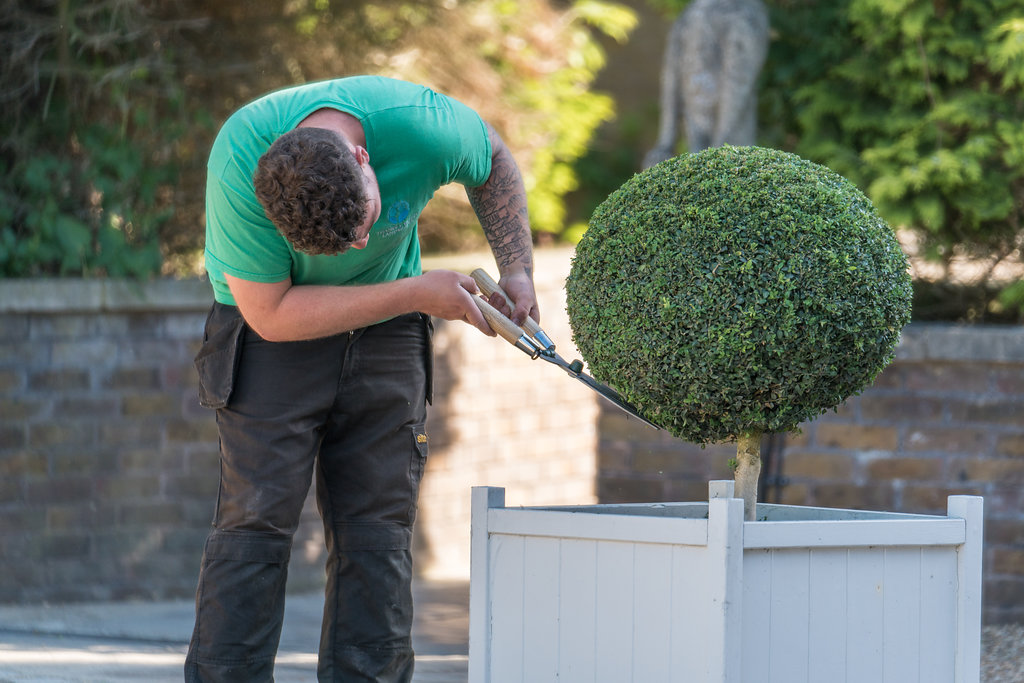
A landscaper’s daily tasks can vary widely depending on the specific projects they are involved in, the season, and the client's needs. Generally, their responsibilities can include a combination of planning, designing, installing, and maintaining outdoor spaces. Here is a detailed overview of what a landscaper does daily.
Planning and Designing Landscapes
A significant part of a landscaper's role involves creating detailed plans for outdoor spaces. This process includes assessing the area, understanding the client's preferences, and integrating environmental concerns into the design. Landscapers may use software tools or hand-drawn sketches to present their ideas, ensuring that the designs are functional as well as aesthetically pleasing.
- Site Assessment: Evaluating soil conditions, climate, and available sunlight.
- Client Meetings: Discussing ideas and requirements with the client.
- Design Creation: Producing layout plans incorporating plants, hardscaping, and features.
Installing Landscape Features
Once designs are approved, landscapers proceed to install various features in the outdoor spaces. This encompasses both softscaping (plants and trees) and hardscaping (patios, walkways, and retaining walls). They often work with a team to ensure the tasks are completed efficiently and to high standards.
- Planting: Carefully selecting and placing plants according to the design plan.
- Hardscape Installation: Laying down stones, bricks, and other materials for paths and patios.
- Irrigation Setup: Installing watering systems to maintain plant health.
Maintenance and Care
Ongoing maintenance is an essential duty of a landscaper. They ensure that the plants and hardscape features are well-maintained and thriving. This includes mowing lawns, trimming shrubs, weeding flower beds, and applying fertilizers or pest control when necessary.
- Lawn Care: Mowing, aerating, and fertilizing to ensure healthy grass.
- Pruning and Trimming: Maintaining the shape and health of trees and shrubs.
- Weeding: Removing unwanted plants to prevent competition for resources.
Using Tools and Equipment
Landscapers rely heavily on a variety of tools and equipment to carry out their tasks effectively. These tools can range from hand tools like shovels and pruners to larger machinery such as lawnmowers, bobcats, and excavators. Proper training and safety protocols are vital for using these tools.
- Hand Tools: Utilizing shovels, rakes, and hoes for detailed work.
- Power Equipment: Operating lawnmowers, leaf blowers, and hedge trimmers.
- Heavy Machinery: Handling excavators and skid steers for larger projects.
Client Communication and Managing Expectations
Effective communication with clients is crucial for landscapers. They regularly update clients on project progress, address any concerns, and make recommendations based on what they observe in the landscape. Building a good rapport can help foster long-term relationships with clients.
- Progress Updates: Informing clients about completed tasks and next steps.
- Feedback Collection: Asking for client input to ensure satisfaction.
- Problem-Solving: Addressing any issues that arise during the project.
Questions from Our Readers
How many hours do landscapers typically work in a day?
Typically, landscapers work between 8 to 10 hours per day, depending on the project's requirements and the season. During peak seasons, such as spring and summer, landscapers may work extended hours to meet client demands, while in cooler months, their hours might be reduced.
Do landscapers work part-time or full-time?
Many landscapers work full-time hours, but there are also part-time positions available, especially for those who may not want to commit to a full-time schedule. Part-time landscapers often work on weekends or during busy seasons to help meet demand.
See also:
Are landscaping hours flexible?
Yes, landscaping hours can be flexible, particularly for independent contractors. Landscaping companies might have set hours, but some landscapers can arrange their schedules based on client needs or personal preferences, allowing for a more varied work-life balance.
Do landscapers work in bad weather?
Landscapers often work in various weather conditions, but extreme weather, such as heavy rain or snow, can lead to cancellations or rescheduling. Generally, landscapers are expected to work during mild weather conditions, while maintaining safety as a priority.

If you want to read more articles like How Many Hours Do Landscapers Work Per Day? A Comprehensive Guide to Landscaping Work Hours, we recommend you check out our Landscaping category.
Leave a Reply
Related Articles