How Long Should You Leave Sprinklers On in Australia? Expert Tips for Efficient Watering

Proper watering techniques are essential for maintaining healthy lawns and gardens, especially in the diverse climates of Australia. With varying rainfall patterns and regulations regarding water usage, determining how long to leave sprinklers on can be challenging. Over-watering not only wastes precious resources but can also harm your plants. In this article, we delve into expert tips for efficient watering, considering factors such as plant types, soil conditions, and seasonal changes. Whether you’re aiming for a lush garden or a sustainable approach to water usage, having a clear understanding of sprinkler timing will make all the difference.
How Long Should You Leave Sprinklers On in Australia?
In Australia, the duration for which you should leave sprinklers on largely depends on the type of plants in your garden, local climate conditions, and regulations set by the respective state or territory. Generally, it is advisable to water your garden deeply but infrequently, aiming for about 20 to 30 minutes per session for spray sprinklers and 30 to 60 minutes for drip irrigation, allowing the water to penetrate the soil adequately without causing runoff. During hotter months or in arid regions, you may need to increase watering frequency, while in cooler, wetter months, reducing sprinkler time may be necessary to avoid overwatering. Adhering to local watering restrictions is also crucial to conserve water resources.
Factors Influencing Watering Time
Several factors influence how long you should leave your sprinklers on in Australia, including the soil type, plant species, and weather conditions. Sandy soils tend to drain quickly, requiring shorter watering sessions, while clay soils retain moisture longer, allowing for extended intervals between watering. Established plants may require less frequent watering compared to newly planted ones. Additionally, hot, windy days evaporate water more rapidly, necessitating longer watering times to ensure plants receive enough moisture.
Recommended Scheduling for Sprinklers
A typical watering schedule suggests operating your sprinklers early in the morning or late in the afternoon to minimize water loss due to evaporation. Aim for watering two to three times a week, adjusting the duration based on rainfall and temperature. This schedule supports healthy root growth while conserving water. Be sure to monitor your garden; if plants show signs of stress or wilting, you may need to modify your watering routine accordingly.
Types of Sprinklers and Their Efficiency
Different types of sprinklers have varying efficiencies that dictate how long they should operate. Impact sprinklers can cover larger areas but may require longer operation times, while stationary or oscillating sprinklers are more suited for smaller spaces. Drip irrigation systems are highly efficient, delivering water directly to plant roots and requiring only short intervals of operation. Understanding the efficiency of your specific sprinkler type can help you optimize watering times for best results.
Local Watering Restrictions
In many regions of Australia, particularly areas prone to drought, there are strict watering restrictions that dictate how often and how long you can use sprinklers. These rules can vary significantly between states and even local councils. Always check with your local water authority for current guidelines to ensure that you are not only following best practices for plant health but also complying with legal requirements aimed at conserving water.
Signs That You Need to Adjust Your Watering Routine
It is critical to adjust your watering routine based on the needs of your garden. Signs such as yellowing leaves, water pooling, or signs of disease might indicate overwatering, while wilting or cracked soil suggests underwatering. Regularly assessing your garden's health will ensure that you provide the right amount of water. Keeping an eye on local weather forecasts can also guide you in adjusting your watering schedule in response to rainfall or heat waves.
| Sprinkler Type | Recommended Duration |
|---|---|
| Spray Sprinklers | 20 to 30 minutes |
| Drip Irrigation | 30 to 60 minutes |
| Impact Sprinklers | 30 to 45 minutes |
| Stationary Sprinklers | 20 to 30 minutes |
Is 40 minutes too long to run a sprinkler zone?
When it comes to watering your lawn and garden, the duration for which a sprinkler zone runs can significantly impact both the health of your plants and the efficiency of water usage. Generally, whether 40 minutes is too long will depend on several factors, including the type of sprinkler system, soil type, climate, and species of plants being watered.
Factors Influencing Sprinkler Run Time
The amount of time a sprinkler should operate depends on various factors. Understanding these can help ensure optimal watering.
- Soil Type: Sandy soils drain quickly and may require shorter run times, while clay soils retain water longer.
- Plant Requirements: Different plants have varying needs for water; some thrive with more frequent watering, while others prefer dry spells.
- Weather Conditions: Hot, sunny days may necessitate longer runs to compensate for evaporation.
Recommended Sprinkler Duration
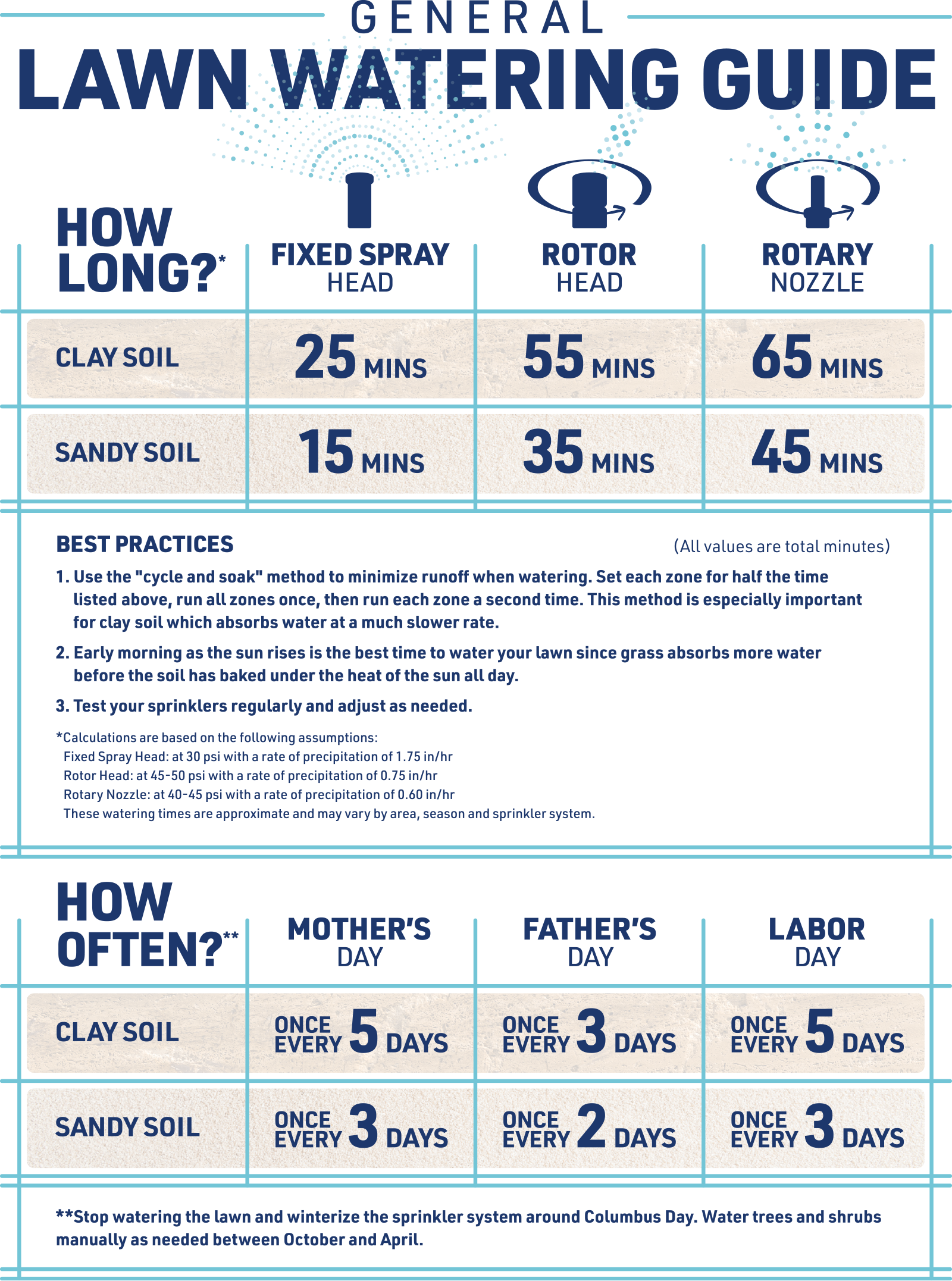
While 40 minutes might seem lengthy, it can be suitable under certain conditions. However, many gardeners recommend specific run times.
See also:
- General Guidelines: Most areas suggest 20-30 minutes per zone, depending on the factors mentioned above.
- Deep Watering: If you’re aiming for deep saturation, longer durations may be acceptable, but it’s crucial to monitor soil saturation.
- Frequent Short Runs: It can be more effective to water for shorter periods more frequently, depending on the needs of your garden.
Consequences of Overwatering
Running a sprinkler zone for too long can lead to overwatering, which can have several detrimental effects.
- Root Rot: Excess water can suffocate roots, leading to decay.
- Soil Erosion: Water can wash away nutrients and lead to soil compaction.
- Wasted Resources: Longer run times can result in higher water bills and unnecessary waste.
Adjusting Sprinkler Compliance
It’s advisable to regularly adjust your sprinkler settings based on ongoing results and observations in your garden.
- Trial and Error: Testing different durations can help determine the optimal time for your specific conditions.
- System Upgrades: Consider high-efficiency sprinklers that can guide better run times and water distribution.
- Timers and Sensors: Using timers and soil moisture sensors can automate and adjust watering times effectively.
Best Practices for Sprinkler Use
Implementing best practices can enhance the effectiveness of your sprinkler system and minimize water waste.
- Monitor Weather: Adjust watering times based on recent rainfall or weather forecasts.
- Check for Leaks: Ensure your system is functioning properly without leaks or broken heads.
- Water Early or Late: Watering during early morning or late evening reduces evaporation and improves absorption.
How long should I leave my sprinkler system on?
To determine how long to leave your sprinkler system on, several factors come into play, including the type of system you have, the climate in your area, soil type, and the type of plants you are watering. However, a general guideline is to run your sprinkler for about 30 minutes to an hour per watering session, ideally two to three times a week. This allows sufficient time for water to penetrate the soil without causing runoff.
Understanding Your Sprinkler System
Understanding the type of sprinkler system you have is the first step in determining the optimal run time.
- Manual vs. Automatic: Manual systems require you to start and stop the watering manually, while automatic systems can be programmed to run at specific times.
- Type of Sprinkler: Different types of sprinklers (e.g., drip, oscillating, stationary) have varying water delivery rates.
- Coverage Area: The larger the area you need to water, the longer the sprinkler will need to run to ensure even coverage.
Seasonal Variations
The time you should leave your sprinkler system on can vary significantly with the seasons.
- Summer Months: Hotter temperatures may require more frequent watering, typically 2-3 times a week.
- Spring and Fall: Cooler temperatures may necessitate less watering, often once a week may suffice.
- Winter Care: In many areas, you may not need to water at all, but be cautious of dry spells.
Soil Type Considerations
Your soil type significantly influences how long you should run your sprinkler system.
- Sandy Soil: Drains quickly but holds less moisture; may need shorter, more frequent watering.
- Clay Soil: Drains slowly but retains moisture; longer watering sessions may be required.
- Loamy Soil: Ideal for retaining moisture; moderate watering schedules work best.
Type of Plants and Their Needs
Different plants have unique water requirements, affecting how long your system should run.
- Lawns: Generally, lawns thrive with 1 to 1.5 inches of water per week.
- Flower Beds: Many annuals and perennials require consistent moisture, potentially needing more frequent light watering.
- Vegetable Gardens: Require about 1 to 2 inches of water per week, depending on the type of vegetables.
Checking Soil Moisture
Regularly checking soil moisture can help tailor your sprinkler schedule.
- Soil Moisture Gauge: Utilize a moisture gauge to determine if the soil is dry or moist.
- Finger Test: Stick your finger into the soil about an inch deep; if it feels dry, it’s time to water.
- Observation: Look for signs of wilting or browning in plants, as they may indicate the need for more watering.
How long should you let your lawn sprinklers run?
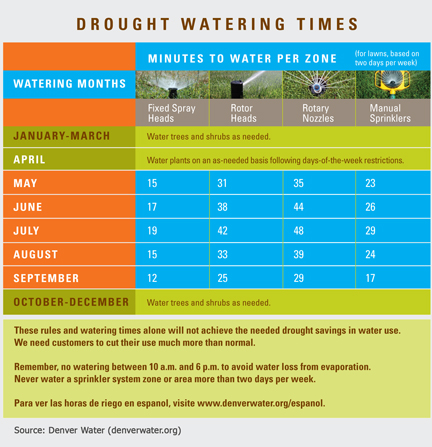
The duration for which you should let your lawn sprinklers run depends on several factors, including the type of grass, the weather conditions, and the type of sprinkler system used. Typically, lawns require about 1 to 1.5 inches of water per week. This can be achieved through a single deep watering session or multiple shorter sessions throughout the week.
Most experts recommend running your sprinklers for about 15 to 30 minutes per zone, depending on the coverage and water pressure of your system. It's essential to monitor your lawn for signs of over or under-watering, such as yellowing grass or pooling water.
Understanding Your Grass Type
Different types of grass have varying water needs. For instance, cool-season grasses such as Kentucky bluegrass thrive in cooler temperatures and may need less water. In contrast, warm-season grasses like Bermuda grass prefer the heat and can handle more prolonged periods without water.
- Cool-Season Grasses: Typically require 1-1.5 inches of water per week.
- Warm-Season Grasses: May need around 0.75-1 inch of water per week during peak growth.
- Grass Health: Regularly assess how your lawn responds to watering duration.
Weather Conditions
Weather plays a crucial role in determining how long to run sprinklers. On hot, windy, or sunny days, more water will evaporate before it can soak into the soil. Conversely, during cooler or overcast conditions, less water is necessary.
- Hot Weather: Increase watering duration by 5-10 minutes.
- Overcast Days: Consider reducing watering duration to avoid waterlogging.
- Windy Conditions: Adjust sprinkler direction to minimize evaporation losses.
Type of Sprinkler System
The type of sprinkler system you use can significantly impact how long you need to run them. Some systems are more efficient and can cover larger areas with less water, while others may require longer run times to achieve the same effect.
- Fixed Spray Sprinklers: Generally need about 10-15 minutes per area.
- Rotary Sprinklers: May require 20-30 minutes to fully hydrate the lawn.
- Drip Irrigation: Operates best with frequent, short watering sessions.
Soil Type and Condition
The soil type in your yard will determine how quickly water penetrates. Sandy soils drain quickly and may require more frequent watering, while clay soils hold water longer but may need more time for deeper penetration.
- Sandy Soil: Need shorter, more frequent watering sessions of 10-15 minutes.
- Clay Soil: Benefit from longer watering sessions of 30 minutes or more, allowing time for absorption.
- Loamy Soil: Requires moderate watering of around 20 minutes to stay adequately moist.
Signs of Over or Under-Watering
Regularly monitoring your lawn for signs of water stress is crucial. Recognizing these signs can help you adjust your watering schedule to maintain a healthy lawn.
- Yellowing Grass: Indicates under-watering; consider increasing your watering duration.
- Puddling Water: Suggests over-watering; may require reducing watering time.
- Wilting: A sign that grass is dehydrated, highlighting the need for longer watering sessions.
Questions from Our Readers
How long should you leave sprinklers on for optimal watering?
Sprinklers should typically be left on for about 15 to 30 minutes per session, depending on the type of grass and soil conditions. This duration helps to ensure adequate penetration and minimizes water runoff.
What time of day is best for using sprinklers in Australia?
It's recommended to use sprinklers in the early morning or late afternoon, as this timing reduces evaporation and ensures that more water reaches the roots of the plants.
Are there restrictions on sprinkler usage in Australia?
Yes, many areas in Australia have specific water restrictions that dictate when and how long you can use sprinklers. It's important to check local regulations to avoid fines.
How often should I run my sprinklers in summer?
During the hot summer months, it's advised to run your sprinklers about two to three times a week, allowing your lawn to soak in the moisture effectively while preventing overwatering.
See also:

If you want to read more articles like How Long Should You Leave Sprinklers On in Australia? Expert Tips for Efficient Watering, we recommend you check out our Irrigation category.
Leave a Reply
Related Articles