How Long Should I Leave a Soaker Hose on My Garden? Expert Tips for Optimal Watering
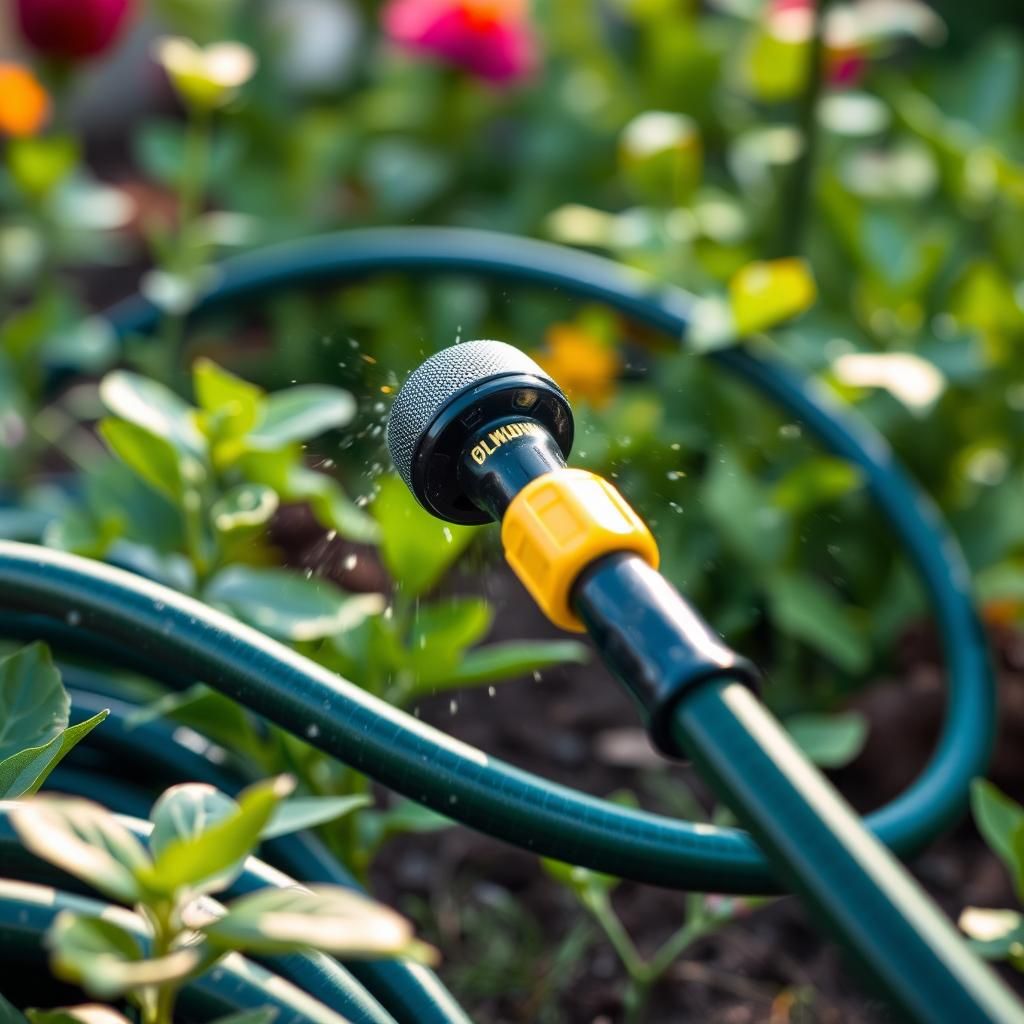
When it comes to maintaining a healthy garden, understanding the optimal watering practices is essential. Soaker hoses are a popular choice among gardeners for their efficiency in delivering water directly to the soil, minimizing evaporation and runoff. However, many people wonder: how long should they leave a soaker hose on to ensure their plants receive adequate hydration without overwatering? This article explores expert tips and guidelines to help you determine the ideal duration for watering your garden with a soaker hose, ensuring your plants thrive while conserving water resources effectively. Let's dive into the best practices for using this handy irrigation tool.
How Long Should I Leave a Soaker Hose on My Garden?
A soaker hose is an effective irrigation system that allows water to seep directly into the soil, ensuring deep and consistent moisture for your plants. The duration for which you should leave a soaker hose on your garden depends on various factors such as soil type, plant requirements, and weather conditions. Generally, you should leave the soaker hose running for 1 to 3 hours to allow adequate moisture penetration. During the growing season, particularly in hot or windy weather, you may need to increase the time slightly, while in cooler or more humid conditions, shorter watering times may suffice. Monitor your garden and adjust as needed to ensure your plants are getting the right amount of water without causing waterlogging.
Factors Affecting Watering Time
Several factors influence how long a soaker hose should be left on, including the type of soil in your garden. Sandy soils drain quickly and may require shorter watering times compared to clay soils, which retain moisture longer. Additionally, the type of plants you are watering affects duration; for instance, newly planted seedlings may require more frequent watering than established plants. Evaluating the moisture levels in your soil and adjusting based on weather conditions will yield the best results.
Soil Type and Its Impact
The type of soil in your garden plays a crucial role in determining how effectively water from a soaker hose is absorbed. For instance, sandy soils tend to drain faster, meaning you might need to use the soaker hose for shorter periods but more frequently. On the other hand, clay soils hold moisture for longer, allowing for extended watering sessions with less frequency. Understanding your garden's soil composition can help you optimize your watering.
Plant Water Needs
Different plants have varying water requirements, which influence how long you should run your soaker hose. For example, vegetables and flowering plants often need more moisture, especially during their growing season, requiring you to use the soaker hose for an extended time. Conversely, hardy perennials may not require as much water. Always assess your specific plants’ needs, particularly during hot weather or growth phases, to provide adequate hydration.
Seasonal Considerations
As the seasons change, so do the watering requirements for your garden. During hot summer months, your soaker hose may need to be on longer to compensate for increased evaporation and plant demand. Conversely, in cooler months or during periods of rain, you can reduce the watering time significantly. It’s essential to adjust the duration based on seasonal temperature changes and rainfall patterns to maintain healthy moisture levels.
Troubleshooting Overwatering
To avoid overwatering your garden, it is essential to monitor soil moisture levels and adjust your soaker hose runtime accordingly. Signs of overwatering include yellowing leaves, wilting, or a soggy garden bed. If you notice these symptoms, consider shortening the duration of how long the hose runs, or reducing the frequency of watering sessions until your plants recover. Regularly checking soil moisture—by sticking your finger into the soil—can be an effective way to prevent overwatering.
| Soil Type | Watering Duration | Plant Health Indicator |
|---|---|---|
| Sandy | 30-60 minutes | Dry soil after watering |
| Loamy | 60-90 minutes | Even moisture levels |
| Clay | 90-120 minutes | Signs of waterlogging |
How long should I run my soaker hose in my garden?
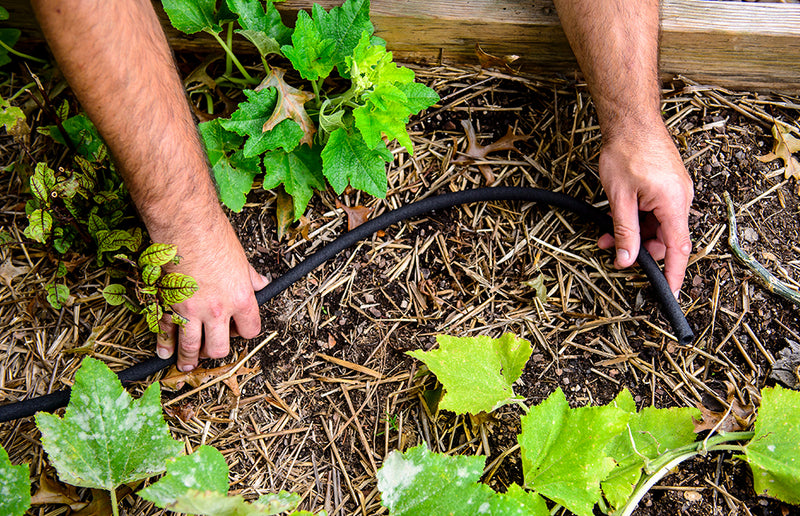
To determine how long to run a soaker hose in your garden, various factors need to be considered. The general recommendation is to run the soaker hose for about 30 minutes to 2 hours, depending on the soil type, weather conditions, and the specific needs of your plants.
Factors that affect the duration:
1. Soil Type:
- Sandy soil drains quickly, requiring more frequent watering for shorter durations.
- Clay soil retains moisture longer, allowing for less frequent watering for extended periods.
- Loamy soil strikes a balance and will typically require standard watering durations.
2. Weather Conditions:
- Hot and dry weather necessitates longer watering times, usually in the range of 1 to 2 hours.
- Cool or overcast days may only require 30 minutes to 1 hour of watering since evaporation rates are lower.
3. Plant Watering Needs:
- Newly planted seeds or transplants generally require more moisture, so longer watering times may be beneficial.
- Established plants often need less frequent watering but should still receive deep watering sessions when necessary.
4. Garden Size:
- Larger gardens will require longer durations overall, especially if there are many plants with varying water needs.
- For smaller gardens, you might find that 30-45 minutes is sufficient to saturate the soil adequately.
5. Soaker Hose Placement:
- How the soaker hose is laid out (overlapping or straight) will affect how much water each area receives.
- If the hose is placed strategically, you might be able to reduce the watering time by ensuring that water reaches the root zones efficiently.
Understanding Soil Absorption Rates
The absorption rate of your soil greatly influences how long you should run your soaker hose. To gauge the absorption rate, conduct a simple test:
- Dig a small hole about 6 inches deep in your garden.
- Fill the hole with water and time how long it takes for the water to soak in completely.
- This will give you a baseline for how quickly your soil absorbs moisture, helping you determine the appropriate watering duration.
Monitoring Weather Conditions
Paying attention to weather forecasts can help you adjust your watering durations. For instance:
- If rain is expected, reduce the watering time accordingly to avoid over-saturation.
- During particularly hot spells, consider extending the watering session to ensure your plants stay adequately hydrated.
- Cloudy or humid days can decrease evaporation, suggesting a shorter watering duration is adequate.
Evaluating Plant Needs
Different plants have varying levels of water requirements. For effective watering:
See also:
- Research specific plants in your garden to understand their watering needs.
- Monitor your plants for signs of under-watering (like wilting) or over-watering (such as yellowing leaves).
- Adjust the soaker hose duration based on these observations to suit the unique needs of each plant type.
Using a Timer for Accuracy
Implementing a timer can help ensure you're watering the right amount of time. Consider the following:
- Set a timer for your desired watering duration to prevent over-watering.
- Experiment with different times and adjust based on the outcomes in your garden.
- Use technology, such as smart irrigation systems, that can automate watering times based on soil moisture levels.
Regular Maintenance and Adjustment
Regularly check your soaker hose system to ensure it's functioning properly. To optimize:
- Inspect the hose for clogs or leaks that could affect water distribution.
- Adjust the watering duration periodically as the seasons change and your plants mature.
- Keep track of how different conditions impact your garden’s moisture levels for future reference.
Should you leave a soaker hose on all the time?
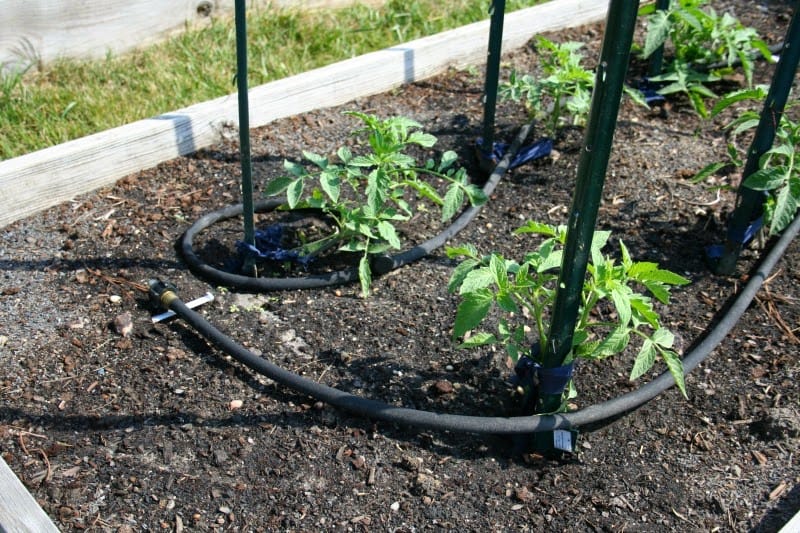
Leaving a soaker hose on all the time is generally not recommended for several reasons. While soaker hoses are an effective irrigation tool designed to deliver water directly to the roots of plants, continuous use can lead to several issues.
First, excessive moisture can cause root rot and other fungal diseases in plants. If the soil remains overly saturated without sufficient drying time, it creates a perfect environment for these problems to thrive.
Second, continuous watering can also promote the growth of weeds, as many weed seeds can germinate in moist conditions. This can lead to increased competition for nutrients and water among plants.
Third, the pressure within the hose may cause uneven watering, leading to some areas receiving too much water while others remain dry. This inconsistency can lead to water wastage and negatively affect the health of your garden.
Lastly, leaving a soaker hose on all the time can increase your water bill, especially if the hose is active during hot weather when evaporation rates are high.
Understanding Soaker Hoses
Soaker hoses are a type of irrigation tool designed to release water slowly along their length. They can be made from various materials and are typically perforated to allow water to seep through.
- Functionality: They work by using the pressure of the water flowing through the hose to allow water to seep out.
- Design: Soaker hoses are often used in gardens where consistent moisture is required.
- Benefits: They conserve water and minimize runoff compared to traditional sprinklers.
Potential Issues with Continuous Use
Leaving a soaker hose on continuously can create several potential issues, such as overwatering and increased moisture levels in the soil.
- Root Problems: Constant moisture can lead to root rot and other health issues for plants.
- Wet Conditions: A consistently damp environment can encourage the growth of fungus and mold, which can harm plants.
- Water Waste: If not monitored, excessive water usage can lead to waste and increased water costs.
Best Practices for Using Soaker Hoses
To optimize the use of a soaker hose, follow recommended best practices to ensure the health of your garden and promote efficient watering.
- Timing: Water early in the morning or late afternoon to reduce evaporation.
- Duration: Limit watering sessions to about 30 minutes to an hour, several times a week.
- Monitoring: Check soil moisture with your finger or a moisture meter before re-using the hose.
Alternatives to Continuous Soaker Hose Use
If you need to provide consistent moisture to your plants but want to avoid the downsides of leaving a soaker hose on all the time, consider these alternatives.
- Timers: Use a timer to automate the watering schedule, ensuring it only runs for a set period each day.
- Drip Irrigation: Consider switching to a drip irrigation system that can be better controlled.
- Mulching: Apply mulch around plants to retain moisture and reduce watering frequency.
Signs Your Plants May Be Overwatered
Recognizing the signs of overwatering is crucial in maintaining a healthy garden. Be on the lookout for the following symptoms:
- Yellowing Leaves: Leaves may turn yellow or see a decline in their vibrant color.
- Wilting: Even if the soil is wet, plants can appear wilting due to root issues.
- Mold Growth: The presence of mold on the soil surface can indicate excessive moisture levels.
Should I bury a soaker hose in the ground?

Burying a soaker hose in the ground can be beneficial, but it depends on certain factors. Soaker hoses are designed to slowly release water into the soil, providing efficient irrigation for your garden or landscape. Here are some considerations for burying a soaker hose:
Advantages of Burying a Soaker Hose
Burying a soaker hose provides multiple advantages for efficient watering:
- Even Water Distribution: When buried, the soaker hose can achieve optimal water distribution, reaching deep into the soil to nourish plant roots.
- Reduced Evaporation: Burying the hose protects it from direct sunlight, significantly reducing water loss due to evaporation.
- Preventing Algae Growth: By covering the hose with soil, you minimize sunlight exposure, which can help prevent algae growth within the hose.
Disadvantages of Burying a Soaker Hose
See also:
While there are advantages, there are also potential downsides to consider:
- Maintenance Challenges: If the soaker hose becomes damaged or clogs, repairs can be more challenging when buried.
- Soil Compaction: Excessively compacted soil over the hose can restrict water flow and negatively affect plant growth.
- Installation Complexity: Burying the hose requires more effort during installation and may require extra planning for laying out the garden.
Optimal Depth for Burying a Soaker Hose
Determining the right depth for burying the soaker hose is essential:
- 6 to 12 Inches Deep: It is generally recommended to bury a soaker hose between 6 to 12 inches deep for efficient moisture distribution.
- Soil Type Considerations: Soil texture affects how deep the hose should be; sandy soils may require a shallower placement compared to clay soils.
- Plant Root Zones: Ensure that the hose is placed at a depth that corresponds with the root zones of the plants you are watering.
Best Practices for Using a Burying Soaker Hose
To maximize water efficiency with a buried soaker hose, follow these practices:
- Testing the System: Run the system for a short period after installation to ensure proper water output and adjust the depth if necessary.
- Avoiding Sharp Turns: Lay the hose in smooth, gradual curves to prevent kinks that could restrict water flow.
- Regular Checks: Periodically check the system for clogs or leaks, especially if it is buried, to maintain efficiency.
Alternatives to Burying a Soaker Hose
If burying a soaker hose isn't suitable, consider these alternatives:
- Surface Installation: Leaving the hose on the soil surface can facilitate easier monitoring and maintenance, though it may result in higher evaporation rates.
- Drip Irrigation Systems: An alternative is to use drip irrigation systems, which can also provide targeted watering with less labor involved.
- Timed Watering Schedules: Employ timers with above-ground hoses to ensure consistent watering without the complications of burying.
What is the disadvantage of soaker hose?
:strip_icc()/BHG-Drip-Irrigation-vs.-Soaker-Hose_185280890-_100654813-b41cdb98b91043039e2fd76aaf96c7c0.jpg)
Soaker hoses are a popular choice for gardeners looking to efficiently irrigate their plants. However, they come with several disadvantages that potential users should consider. One significant disadvantage of soaker hoses is their tendency to clog over time. This happens because mineral deposits and sediment can build-up in the porous holes, which significantly reduces the effectiveness of the watering system. Other disadvantages include varying water distribution, limited durability, and difficulty in installation.
Clogging Issues
One of the major complications associated with soaker hoses is the problem of clogging. Over time, these hoses can accumulate dirt, minerals, and other debris that obstruct the flow of water. This leads to uneven water output, which can negatively affect plant health.
- Mineral Buildup: Hard water can leave mineral deposits that clog the hose.
- Plant Debris: Organic material can accumulate in the hose, further exacerbating the clogging issue.
- Maintenance Needs: Regular cleaning and maintenance are required to ensure functionality.
Uneven Water Distribution
Soaker hoses do not always deliver water evenly across all areas of the garden. The rate at which they release water can vary, potentially leading to some plants receiving too much water while others receive too little. This unevenness can create a range of issues.
- Root Health: Plants with excess water may develop root rot, while others may struggle with drought.
- Soil Saturation: Over-saturation in some areas can lead to poor soil structure.
- Water Wastage: Uneven distribution can also result in water being wasted in certain areas.
Limited Durability
Soaker hoses are often made from materials that can wear out over time. Factors like UV exposure, temperature fluctuations, and physical abrasion can lead the materials to weaken, causing them to tear or leak.
- UV Degradation: Prolonged exposure to sunlight can degrade the hose material.
- Environmental Factors: Extreme temperatures can affect the longevity of the hose.
- Wear and Tear: Physical damage can occur from garden tools or ground conditions.
Installation Challenges
Installing soaker hoses might not be as straightforward as some gardeners anticipate. Proper layout and positioning are crucial for effective irrigation, and failure to do so can lead to wasted resources.
- Complex Layouts: Creating a design that ensures even coverage can be time-consuming.
- Movement Vulnerability: Hoses may shift position, requiring frequent readjustments.
- Initial Setup: The initial installation process can be labor-intensive and confusing.
Dependency on Water Pressure
Soaker hoses rely heavily on adequate water pressure to function effectively. If the pressure is insufficient, the hose will not distribute water evenly, leading to inadequate irrigation.
- Pressure Regulation: Low water pressure can hinder distribution effectiveness.
- Impact of GPM: The Garden Hose Gallon Per Minute (GPM) rating can impact performance.
- Adjustments Needed: Gardeners may need to install additional equipment to manage pressure.
Questions from Our Readers
How long should I leave a soaker hose on my garden?
Typically, you should leave a soaker hose on for about 1 to 3 hours, depending on the soil type and moisture levels needed. Clay soils may require less time, while sandy soils may need longer to absorb water effectively.
How often should I use a soaker hose in my garden?
It’s recommended to use a soaker hose 2 to 3 times a week, providing enough moisture for the plants without overwatering. Weather conditions and the specific needs of your plants can also impact this frequency.
Can I leave my soaker hose on overnight?
Yes, you can leave a soaker hose on overnight, but it’s wise to monitor the moisture levels in your garden, as extended use may lead to waterlogging, especially in heavier soils.
What is the best time of day to use a soaker hose?
The best time to use a soaker hose is in the early morning or late afternoon when temperatures are cooler. This helps minimize evaporation and allows the water to penetrate the soil more effectively.
See also:
If you want to read more articles like How Long Should I Leave a Soaker Hose on My Garden? Expert Tips for Optimal Watering, we recommend you check out our Irrigation category.
Leave a Reply
Related Articles