How Long Should a Residential Sprinkler System Last? Essential Insights and Maintenance Tips

When it comes to home safety, a residential sprinkler system plays a crucial role in preventing fire damage and ensuring peace of mind for homeowners. However, many people wonder about the longevity of these systems and how to maintain them for optimal performance. Understanding the expected lifespan of a residential sprinkler system, along with essential maintenance tips, is vital for preserving its efficiency and reliability. In this article, we will explore the factors that affect the durability of sprinkler systems, provide insights into maintenance practices, and highlight essential steps homeowners can take to ensure their systems remain functional for years to come.
How Long Should a Residential Sprinkler System Last?
A residential sprinkler system is designed to provide reliable protection against fire hazards, and its lifespan can significantly impact its effectiveness. Typically, a well-maintained residential sprinkler system can last between 20 to 30 years. Factors such as the quality of materials used, environmental conditions, and the frequency of maintenance play crucial roles in determining the actual lifespan. Regular inspections, timely repairs, and adherence to local building codes can help ensure that the system remains functional throughout its intended lifespan, allowing homeowners to enjoy peace of mind knowing they are protected against potential fire risks.
Factors Affecting Lifespan
Several factors can influence the lifespan of a residential sprinkler system. The type of materials used in the system's construction plays a significant role; for example, systems made from galvanized steel tend to last longer than those made from copper. Environmental conditions, such as temperatures, humidity, and exposure to corrosive elements, can also affect durability. Additionally, how often the system is used and the maintenance practices followed will contribute to the longevity of the sprinkler system.
Regular Maintenance Importance
Performing regular maintenance is essential for extending the life of a residential sprinkler system. Homeowners should schedule annual inspections with a licensed professional to check for leaks, corrosion, and any signs of wear and tear. Additionally, routine maintenance tasks such as flushing the system, checking water pressure, and testing the sprinkler heads should be conducted. These preventive measures can help identify potential issues early on, thereby preventing costly repairs and ensuring the system functions optimally.
Signs of System Wear
There are specific signs to watch for that may indicate a residential sprinkler system is reaching the end of its useful life. Homeowners should be alert to water leaks, reduced water pressure, or signs of corrosion on pipes and fittings. If sprinkler heads fail to activate or produce inadequate coverage, these can also indicate that the system is no longer operating effectively. Regular observations and prompt attention to these signs can help prevent catastrophic failures during an emergency.
Upgrading Your System
As technology advances, homeowners might consider upgrading their residential sprinkler systems to benefit from improved safety features and efficiencies. Newer models may offer better coverage, smarter controls, and enhanced durability. Additionally, local fire codes and regulations may change over time, necessitating updates to a home’s fire protection systems. Investing in an updated system can not only enhance safety but also potentially increase property value.
Cost of Replacement
The cost of replacing a residential sprinkler system can vary greatly depending on factors such as the size of the home, the complexity of the system, and local labor costs. On average, homeowners may expect to spend between $1,500 to $3,000 for a replacement system, but it can be significantly higher for larger homes or more advanced systems. Planning and budgeting for eventual replacement can ensure that homeowners maintain effective fire protection long-term.
| Factor | Impact on Lifespan |
|---|---|
| Material Quality | Higher quality materials tend to last longer. |
| Environmental Conditions | Extreme weather can shorten lifespan. |
| Maintenance Frequency | Regular maintenance extends system longevity. |
| System Usage | Frequent use can lead to wear and tear. |
| Age of the System | Older systems are likely to require replacement. |
How often should you replace your sprinkler system?
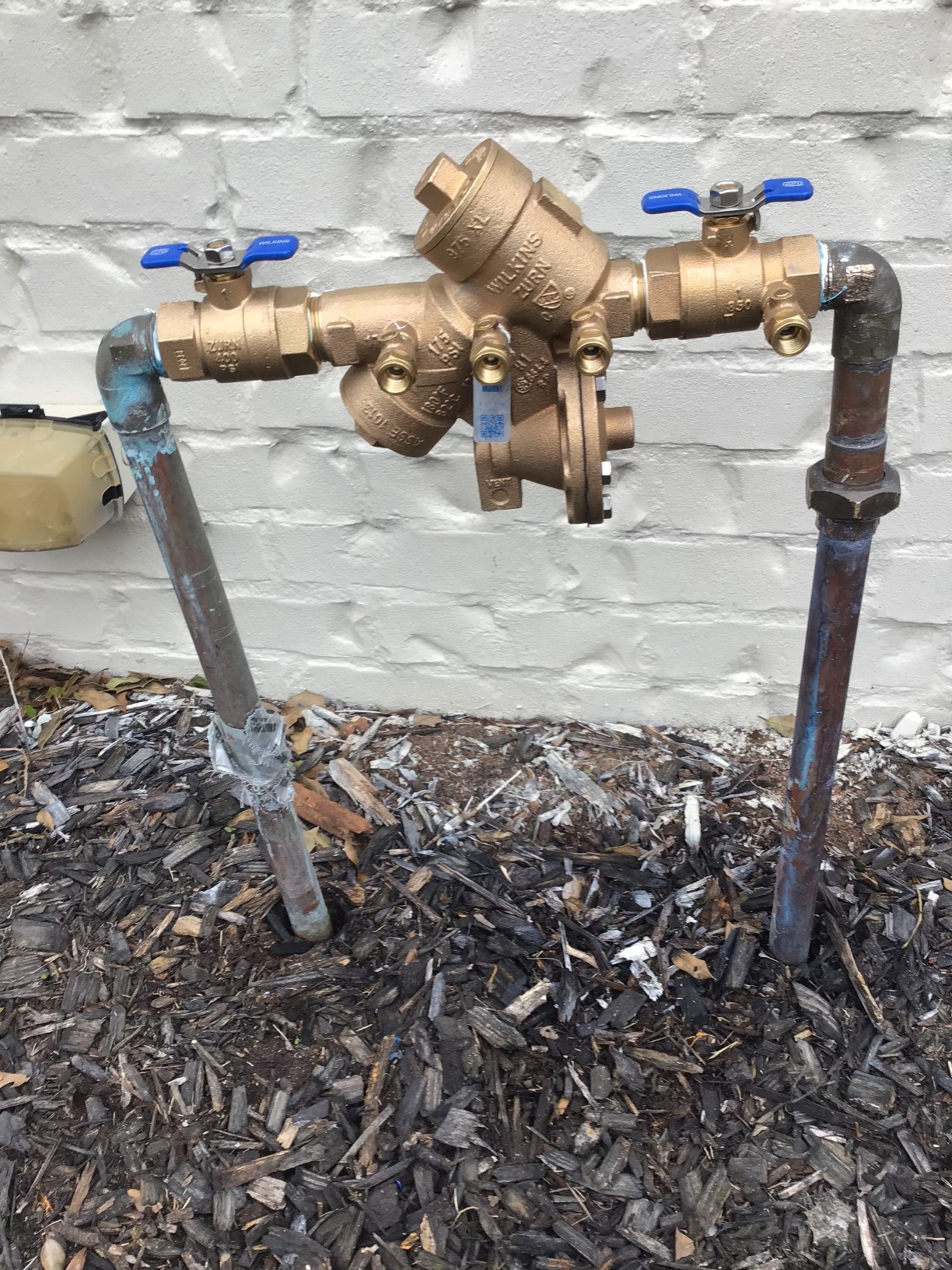
Replacing your sprinkler system is essential for maintaining an efficient and effective watering solution for your landscape. Generally, you should consider replacing your sprinkler system every 10 to 15 years. However, several factors can influence this timeline, including system performance, technology advancements, and weather conditions.
Signs That Indicate You Need a Replacement
When evaluating the condition of your sprinkler system, several signs can indicate it's time for a replacement. Pay attention to the following indicators:
See also:
- Leaking Pipes: Frequent leaks can lead to significant water wastage and increased water bills.
- Uneven Water Distribution: If certain areas of your lawn receive too much water while others remain dry, your system may not be functioning correctly.
- Sprinkler Heads Malfunction: If the sprinkler heads are broken or clogged, it can severely impact the system's performance.
Technological Advancements in Sprinkler Systems
Technology in irrigation solutions continues to evolve, providing more efficient systems that save water and energy. Here are a few advancements to consider:
- Smart Controllers: These devices adjust watering schedules based on weather conditions, reducing unnecessary water usage.
- Efficient Sprinkler Heads: Newer models use less water while providing better coverage, improving overall system performance.
- Soil Sensors: These sensors can be added to monitor soil moisture levels, further optimizing watering efforts.
Maintenance Practices to Extend Lifespan
Regular maintenance can enhance performance and prolong the life of your sprinkler system. Here are some best practices:
- Seasonal Inspections: Regularly check for leaks, clogs, and broken parts, especially before and after irrigation seasons.
- Adjusting Sprinkler Heads: Ensure that your sprinkler heads are correctly aimed to avoid watering sidewalks or driveways.
- Replacing Filters: Regularly replace any filters to keep the water flow clean and efficient.
Environmental Factors to Consider
Environmental conditions can impact the effectiveness and lifespan of your sprinkler system. Here are some factors to keep in mind:
- Climate Changes: Increasing temperatures or drought conditions may require more efficient watering systems.
- Soil Type: Different soil types absorb water differently, which can affect how your system operates.
- Plant Growth: As plants mature, their watering needs may change, necessitating system adjustments or replacements.
Cost Considerations for Replacement
When planning to replace your sprinkler system, understanding the costs involved is crucial. Here are some cost-related factors to consider:
- Initial Investment: Costs can vary widely based on the size of your landscape and the type of system you choose.
- Long-term Savings: Investing in a new, efficient system can lead to savings on water bills over time.
- Installation Costs: Professional installation may add to the initial cost but ensures proper configuration and functionality.
How much does it cost to replace a sprinkler system?
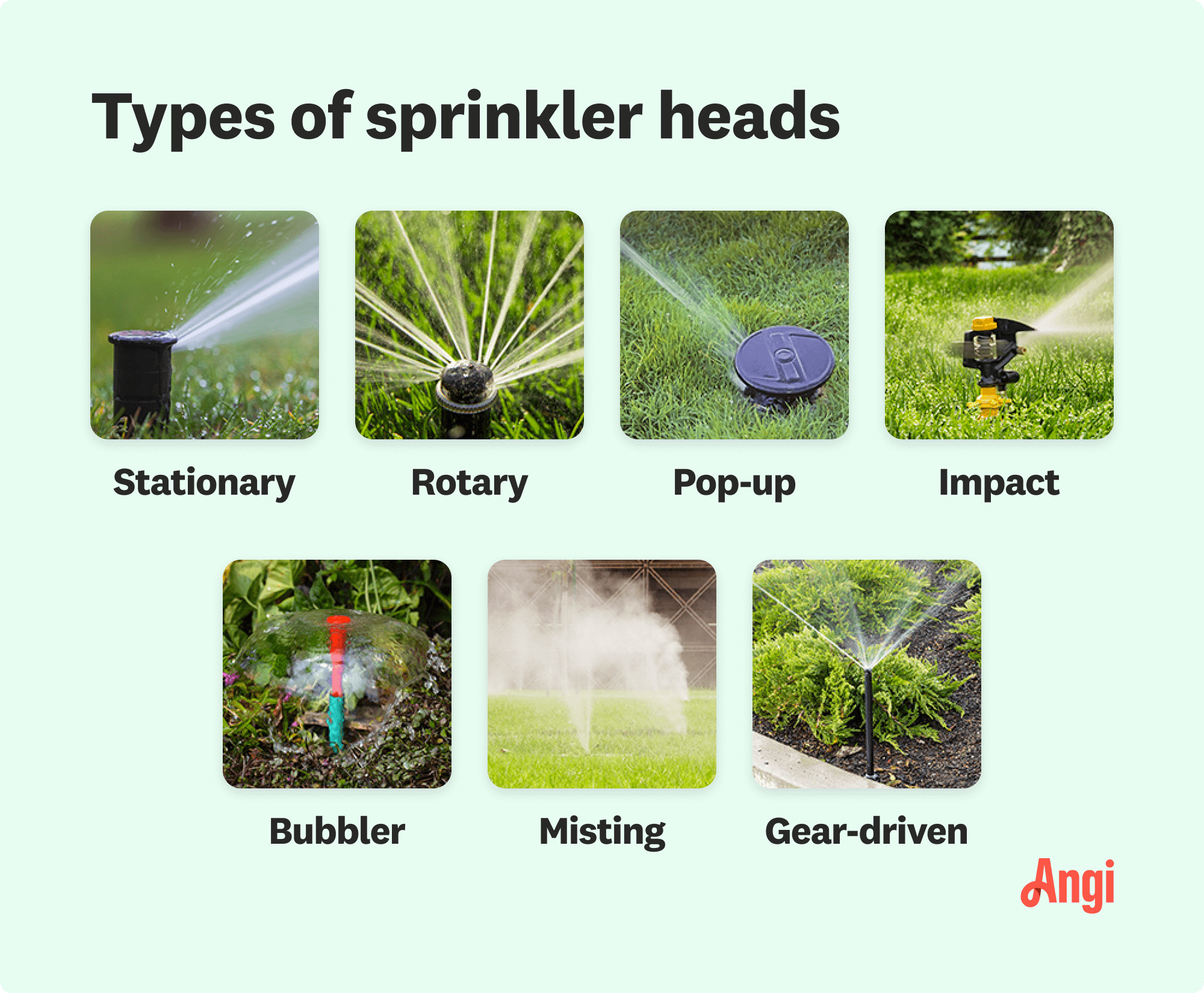
The cost to replace a sprinkler system can vary significantly based on several factors, including the size of the area to be covered, the type of system being installed, and the specific features or upgrades chosen. On average, homeowners can expect to pay between $2,000 and $4,000 for a complete replacement of a residential sprinkler system. This price typically includes the cost of materials, labor, and any necessary permits. To provide a clearer understanding, the following sections break down the different aspects that can influence the overall cost.
Factors Affecting the Cost of Replacement
The cost of replacing a sprinkler system is influenced by multiple factors, including:
- Size of the Area: Larger properties will require more materials and labor, increasing the overall cost.
- Type of System: Sprinkler systems can be basic or sophisticated; advanced systems with smart technology will cost more.
- Labor Costs: Rates charged by landscape contractors can vary by region and can impact the final bill substantially.
Average Costs for Different Types of Sprinkler Systems
Different types of sprinkler systems come with varying price tags. The average costs include:
- Standard Systems: Traditional systems typically range between $2,000 and $3,000.
- Smart Irrigation Systems: These high-tech systems can cost between $3,500 and $5,500 due to additional features.
- Drip Irrigation Systems: Generally less expensive, ranging from $1,500 to $2,500, ideal for gardens and flower beds.
DIY vs. Professional Installation
When considering replacement, homeowners have the option to install systems themselves or hire professionals. Key points include:
- DIY Installation: While this may save on labor costs, it requires time and knowledge of irrigation principles.
- Professional Services: Hiring experts ensures the system is correctly installed, but costs can increase by $500 to $1,500.
- Permits and Regulations: Some areas require permits, which can add to the installation cost if professional help is utilized.
Maintenance Costs After Replacement
Upon replacing a sprinkler system, ongoing maintenance is necessary to ensure efficiency and longevity. Typical maintenance costs include:
See also:
- Seasonal Check-ups: Annual maintenance can cost between $100 and $300 to ensure everything is functioning well.
- Repairs: Typical repair costs for leaks or broken components can range from $50 to $150 each time.
- Winterization: Preparing the system for winter might incur additional costs, often around $75 to $150.
Additional Features and Upgrades
Homeowners often consider adding extra features, which can increase the cost but enhance overall efficiency. These include:
- Smart Controllers: Adding a smart irrigation controller can raise costs by $200 to $500.
- Soil Sensors: Installation of soil moisture sensors can add $100 to $300 to the project cost.
- Rain Sensors: These devices help conserve water and can typically cost an additional $50 to $150.
How often do sprinkler systems need to be serviced?
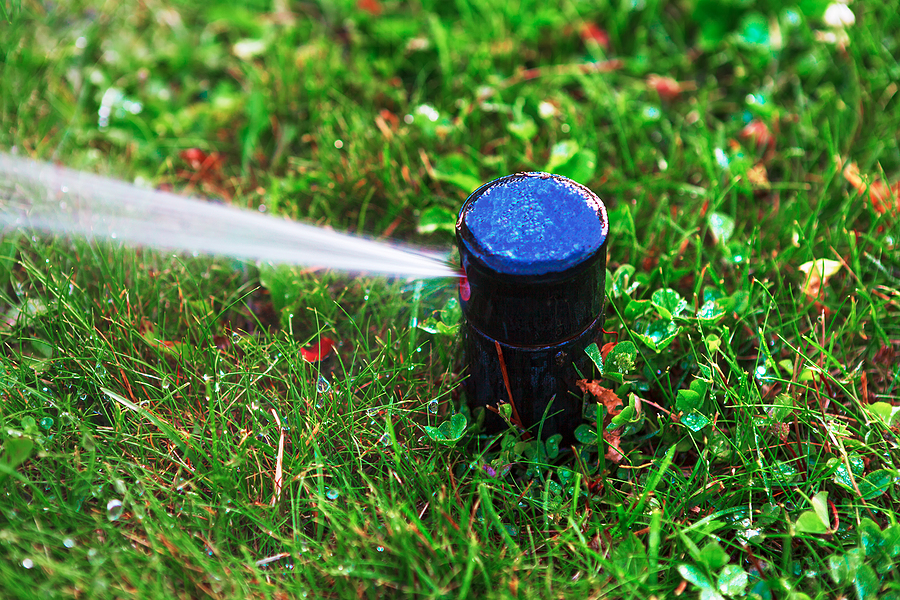
Sprinkler systems typically require servicing once a year to ensure optimal performance and functionality. However, the frequency can vary based on certain conditions and system types. Routine maintenance may involve checking for leaks, adjusting sprinkler heads, and verifying that the system is providing adequate coverage. For more complex systems or those located in areas with harsh weather conditions, transitions between seasons may necessitate additional inspections, particularly before and after winter.
Benefits of Regular Servicing
Regular servicing of sprinkler systems offers several advantages that can enhance their efficiency and longevity:
- Prevention of Damage: Routine checks can identify and fix small problems before they result in significant damage.
- Water Efficiency: Ensuring proper settings can save water and reduce utility costs.
- Improved Performance: A well-maintained system will operate more effectively, providing better coverage.
Signs Your System Needs Service
Understanding when your sprinkler system needs service is crucial for maintaining its functionality:
- Uneven Water Distribution: If some areas of your lawn are dry while others are overly saturated, it may indicate a malfunction.
- Leaking Pipes: Visible leaks around sprinkler heads or underground can signify the need for repair.
- Unusual Noises: Hissing or gurgling sounds when the system is operating could point to air in the pipes.
Seasonal Considerations for Servicing
Seasonal changes affect how often your sprinkler system should be serviced:
- Spring Activation: Before starting the system in spring, a comprehensive check should be performed.
- Summer Monitoring: Regular assessments during hot months ensure the system is functioning correctly and efficiently.
- Winterization: Preparing for winter with proper shutdown procedures can prevent freezing damage.
Do-It-Yourself vs. Professional Service
Choosing between DIY maintenance and hiring professionals can depend on several factors:
- Complexity of the System: If your system is intricate, professional service may be more suitable.
- Time and Skills: Homeowners with time and knowledge can perform basic checks effectively.
- Cost Considerations: Weighing the cost of professional service against potential water waste or repairs can guide your decision.
Recommended Maintenance Activities
There are several key maintenance activities that should be performed during servicing:
- Checking for Obstructions: Ensuring nothing is blocking the sprinkler heads or hoses.
- Adjusting Sprinkler Heads: Proper alignment maximizes coverage and efficiency.
- Testing Timers and Controls: Confirming that automated systems are functioning correctly helps maintain consistent watering schedules.
Questions from Our Readers
How long should a residential sprinkler system last?
A residential sprinkler system typically lasts between 20 to 30 years with proper maintenance. However, various factors, such as quality of installation, material of components, and environmental conditions, can influence its lifespan.
What maintenance is required to prolong the lifespan of a sprinkler system?
Regular maintenance is essential to prolong the lifespan of a sprinkler system, including inspecting the system for leaks, cleaning the nozzles, and checking for any signs of wear or damage. Additionally, seasonal adjustments and winterization are crucial in maintaining optimal performance.
See also:
Are there any signs that indicate a sprinkler system needs replacement?
Yes, there are several signs indicating that a sprinkler system may need replacement, such as frequent malfunctions, uneven watering, or corroded pipes. If you notice a significant drop in water pressure or rust stains, these can also be strong indicators that replacement is necessary.
Can the lifespan of a sprinkler system be extended with upgrades?
Absolutely! Upgrading key components, such as valves, pipes, and sprinkler heads, can significantly extend the lifespan of your system. Additionally, implementing smart technology and water-efficient nozzles can not only enhance performance but also reduce water usage.

If you want to read more articles like How Long Should a Residential Sprinkler System Last? Essential Insights and Maintenance Tips, we recommend you check out our Irrigation category.
Leave a Reply
Related Articles