How Long Does Weed Killer Take to Kill Weeds? Understanding the Timeline and Effectiveness
Weed killers are essential tools for maintaining a healthy and attractive garden or lawn. However, the effectiveness and timeline of these products can vary significantly, leading to questions among homeowners and landscapers alike. Understanding how long it takes for weed killer to effectively eliminate unwanted plants is crucial for achieving the desired results. This article will delve into the factors that influence the timeline of weed death, different types of herbicides, and tips for maximizing their effectiveness. By grasping these elements, readers can ensure a weed-free environment more efficiently and effectively.
How Long Does Weed Killer Take to Kill Weeds?
The time it takes for weed killer to effectively eliminate weeds can vary significantly depending on several factors, including the type of herbicide used, the species of weeds targeted, environmental conditions, and the application method. Generally, most systemic herbicides can take anywhere from 24 hours to several weeks to show noticeable effects. For example, some contact herbicides might kill weeds within a day, while systemic options, which are absorbed and transported throughout the plant, may take longer as they disrupt vital functions within the weed's system. Consequently, patience is essential after application, and it’s important to follow the manufacturer's guidelines for optimal results.
Types of Weed Killers
There are various types of weed killers, primarily categorized into selective and non-selective herbicides. Selective herbicides target specific types of weeds while leaving desirable plants unharmed, whereas non-selective options kill all vegetation they come in contact with. The choice of herbicide affects the time frame for weed elimination; selective herbicides typically work over a longer period, while non-selective options can yield faster results.
Environmental Factors Influencing Efficacy
Environmental conditions play a crucial role in how quickly weed killers work. Factors such as temperature, humidity, and soil moisture can significantly influence the effectiveness of the herbicide. Higher temperatures and adequate moisture levels generally enhance herbicide absorption and activity, resulting in quicker kills. Conversely, cooler temperatures or dry conditions may slow down the process, delaying the overall effectiveness of the application.
Application Method and Timing
The method of application and the timing can also affect the speed at which weed killers work. Applications made during active growth periods—typically in spring or early summer—tend to yield faster and more effective results as the weeds are actively absorbing nutrients and herbicides. Moreover, proper application techniques, such as even spraying and avoiding windy days, can ensure maximum contact with the weeds and promote rapid kill times.
Follow-Up Treatments
Sometimes, follow-up treatments may be necessary to achieve complete weed control. Depending on the weed species and growth cycles, some weeds may require a second application to address regrowth or any missed patches after the initial treatment. Regular monitoring of the treated area is essential to assess the effectiveness and determine whether additional sprays are needed.
Reading the Label for Guidance
Always refer to the manufacturer's label for specific guidance on the expected time for weed killer to take effect. Labels often include information on the expected visual results, recommended application intervals, and any required safety precautions. This can help ensure you are using the herbicide effectively and achieving optimal results.
| Factor | Impact on Kill Time |
|---|---|
| Type of Herbicide | Varies from 24 hours to several weeks |
| Environmental Conditions | Higher temperatures and moisture lead to faster kills |
| Application Timing | Active growth seasons yield quicker results |
| Follow-Up Treatments | May be required for complete control |
| Manufacturer’s Instructions | Provide exact timing and safety guidelines |
How quickly does weed killer kill weeds?
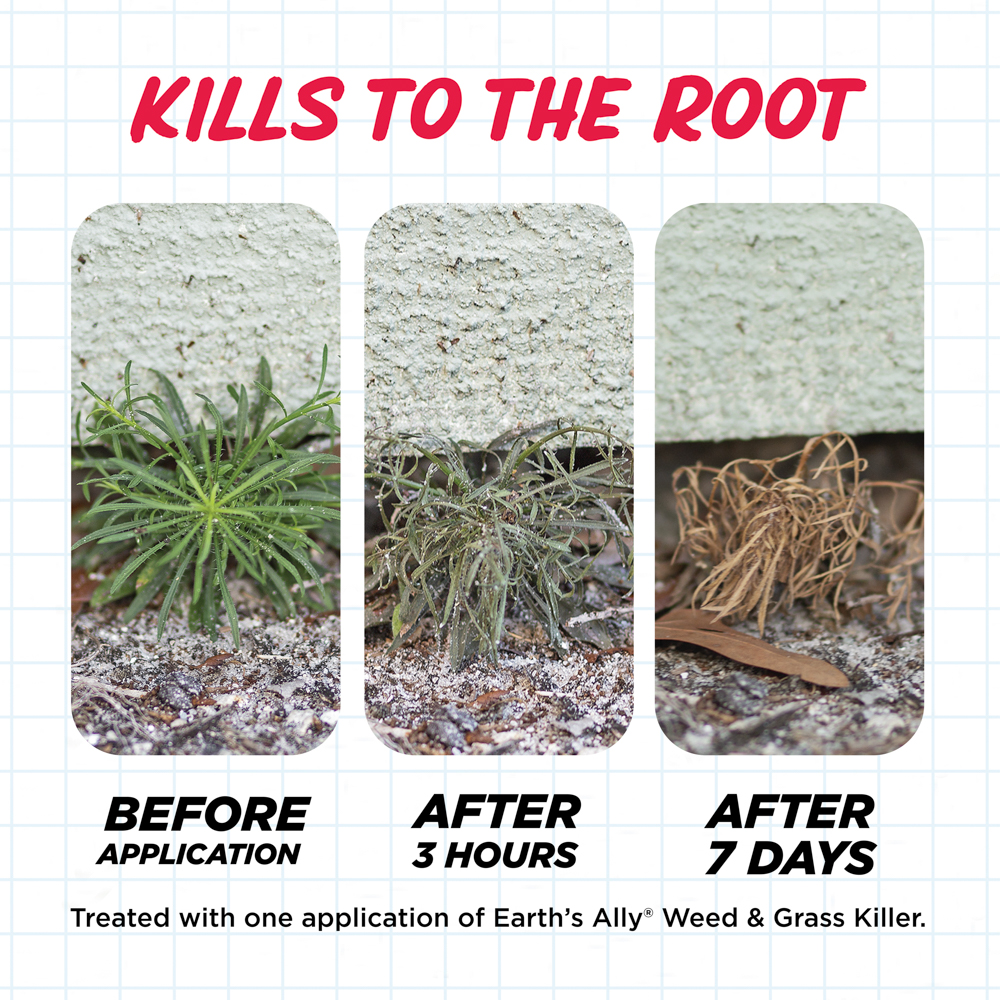
Weed killers, also known as herbicides, work through various mechanisms to eliminate unwanted plants. The time it takes for weed killers to kill weeds can vary significantly based on several factors, including the type of herbicide used, the environmental conditions, and the type of weed being targeted.
Generally, many systemic herbicides can take anywhere from 1 to 3 weeks to fully kill the weeds. These herbicides are absorbed by the plant and move through its systems to kill it from the inside out. On the other hand, contact herbicides can show results within a few hours to a couple of days, as they destroy the parts of the plant they contact.
Types of Weed Killers
There are primarily two types of weed killers: systemic and contact herbicides.
- Systemic Herbicides: These are absorbed by the plant and act throughout its systems. They can effectively kill deep-rooted weeds but may take longer to show results.
- Contact Herbicides: These work by destroying the parts of the plant they touch. They are typically faster acting than systemic options.
- Selective Herbicides: Designed to kill specific weed types while sparing desirable plants, these can also vary in their speed of action.
Environmental Factors
The effectiveness and speed of a weed killer can be heavily influenced by environmental factors.
- Temperature: Warm temperatures generally enhance the absorption and effectiveness of the herbicide.
- Moisture: Adequate soil moisture can help weeds absorb systemic herbicides more effectively.
- Sunlight: Some herbicides work best under direct sunlight, which can accelerate their effectiveness.
Weed Types
Different types of weeds respond to herbicides at varying rates depending on specific factors.
- Annual Weeds: These tend to be easier to eliminate and might respond quicker to treatments.
- Perennial Weeds: These have extensive root systems that can slow down the herbicide's effectiveness.
- Noxious Weeds: Some difficult-to-control species may require multiple applications to achieve satisfactory results.
Application Techniques
How a weed killer is applied can significantly impact its effectiveness.
- Spray Application: Ensures even coverage and can lead to faster results, especially for contact herbicides.
- Soil Application: Some herbicides are effective when applied to the soil and can combat weeds as they germinate.
- Timing: Applying herbicides during the active growth phase of the weeds can enhance efficacy and speed of action.
Follow-Up Care
After applying a weed killer, proper care is essential for achieving the desired results.
- Monitoring: Regularly check the treated area to gauge the effectiveness of the herbicide.
- Reapplication: If necessary, consider reapplying after a specific period for stubborn weeds.
- Weed Management: Integrating cultural practices can help in long-term weed management alongside the use of herbicides.
How do you know if a weed killer is working?
To determine if a weed killer is working, several indicators can be observed over time. Typically, it is important to understand what to look for after applying the product. The following factors can help you assess its effectiveness:
Visible Signs of Wilting
When a weed killer is effective, you should start to see visible signs of wilting in the target weeds. This is often the first indication that the chemicals are taking effect. Look for the following signs:
- Leaves beginning to yellow or brown.
- Stems becoming soft or limp.
- Overall droopiness in the plant's structure.
Time Frame for Results
Different weed killers have different time frames for showing results. Generally, you can expect to see effects within a few days to weeks. Keep an eye on:
- Symptoms of damage appearing usually within 1-2 weeks, depending on the formulation.
- Complete die-off of the weeds, which can take several weeks or longer for more stubborn varieties.
- Check for any new growth after the initial effects, as this can indicate whether the product was effective or if the weeds are resistant.
Regrowth Patterns
Monitoring for regrowth is crucial after treatment. If the weeds start to recover, it might mean the weed killer was not fully effective. Consider the following:
- If you notice new shoots or leaves emerging from the base.
- Weeds regrowing in areas that were treated may suggest the product was ineffective.
- Keep track of how quickly the weeds come back after treatment; faster regrowth may indicate resistance.
Soil Impact
The effect of a weed killer can also be observed in the soil and overall ecosystem. A successful application will generally not adversely affect nearby healthy plants significantly. Look for:
- Minimal impact on surrounding plants, indicating selectivity of the herbicide.
- Soil health remains intact if you see beneficial organisms such as earthworms in the area.
- No harm caused to desired plants nearby, which may indicate that the weed killer is properly formulated.
Follow-Up Tests
After the initial application, conducting follow-up tests can help confirm the effectiveness of the weed killer. Consider the following actions:
- Conduct a visual inspection of treated areas after a set amount of time.
- Perform a simple test by trying to pull the weeds out—if they come out
easily, that’s often a good sign. - Consider a professional evaluation if unsure, as they can provide expert insight on the effectiveness of your treatment.
How long does it take for a strong weed killer to work?
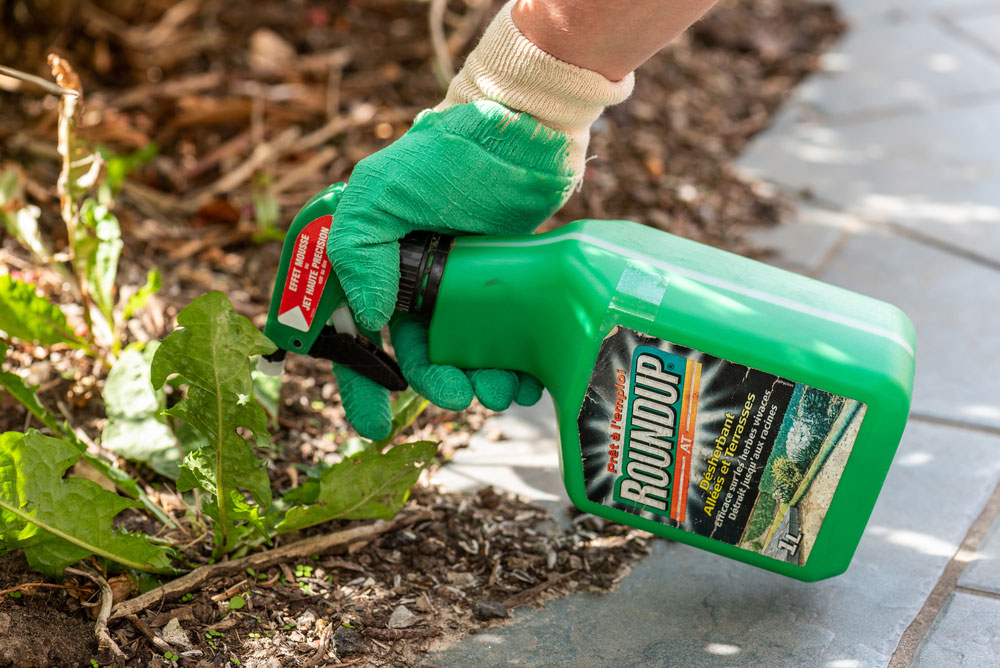
The time it takes for a strong weed killer to work can vary significantly based on several factors, including the type of weed killer used, the type of weeds being targeted, environmental conditions, and application methods. Generally, most strong weed killers show noticeable effects within hours to days, but complete eradication may take longer.
Types of Strong Weed Killers
The effectiveness of a weed killer can often depend on its formulation. Here are the main types:
- Non-selective herbicides: These kill any plant they come into contact with and usually work within 24 to 48 hours.
- Selective herbicides: These target specific weeds while leaving other plants unharmed. They may take longer to show effects, often up to a week.
- Pre-emergent herbicides: Designed to prevent weed seeds from germinating, these can take several weeks before noticeable results are seen.
Application Method
The method used to apply the weed killer can influence how quickly it works:
- Spraying: This is the most common method and generally offers immediate contact results.
- Granular application: This method can take longer, as it requires moisture and time to activate.
- Soil treatment: Some products are designed to be mixed into the soil, which can delay results as they work on root systems.
Environmental Conditions
Weather plays a crucial role in the effectiveness of weed killers:
- Temperature: Higher temperatures can speed up the absorption of the herbicide, leading to faster results.
- Moisture levels: Adequate rainfall or watering helps in the activation of granular products.
- Sunlight: Full sun can enhance the effectiveness of some spray-on products, while heavy overcast may slow it down.
Weed Type
The type of weed being targeted can also affect how quickly a weed killer takes effect:
- Annual weeds: These generally die off quickly, often visible within days of application.
- Perennial weeds: More resilient, these may take longer to eradicate due to established root systems, sometimes needing multiple applications.
- Woody plants: Stronger formulations may be required, and complete die-off can take several weeks.
Follow-Up and Maintenance
After the application of a strong weed killer, maintenance is essential for optimal results:
- Monitoring: Keep an eye on the area for any signs of regrowth within a few weeks.
- Reapplication: Some stubborn weeds may require follow-up treatments, especially for those that are persistent.
- Soil health: Improving soil health can help prevent future weed infestations, ensuring long-term effectiveness of weed management strategies.
Questions from Our Readers
How long does it take for weed killer to start working?
Weed killer typically begins to show signs of effectiveness within 24 to 48 hours after application. However, the complete kill of the weeds can take longer, depending on the type of weed killer used and the kind of weeds being treated.
Is rain effective after applying weed killer?
After applying weed killer, it is generally recommended to wait at least 24 hours before it rains, as this allows enough time for the product to be absorbed by the weeds. If it rains too soon, the effectiveness of the weed killer may be diminished.
How long does it take for weeds to die completely?
While many weed killers begin to show results quickly, it can take anywhere from one week to several weeks for weeds to die completely, depending on factors such as the type of herbicide used and environmental conditions like temperature and soil moisture.
Can I apply weed killer more than once?
Yes, you can apply weed killer more than once, but it's essential to follow the instructions on the product label. Generally, a second application can be done after the initial treatment has had sufficient time to work, which is usually two to three weeks after the first application.

If you want to read more articles like How Long Does Weed Killer Take to Kill Weeds? Understanding the Timeline and Effectiveness, we recommend you check out our Weeds category.
Leave a Reply
Related Articles