How Long Does It Take for Blueberries to Grow: A Complete Guide to Blueberry Cultivation Timelines
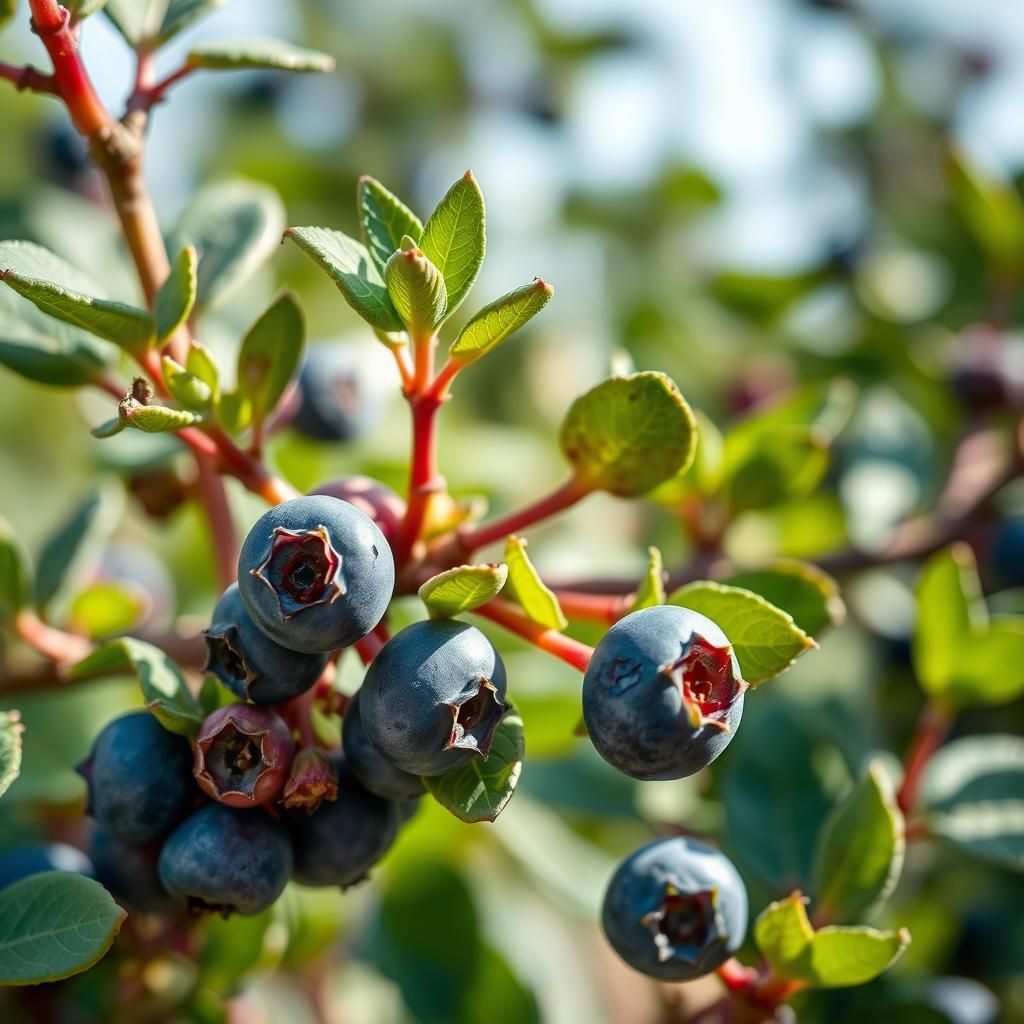
When embarking on the journey of blueberry cultivation, understanding the timeline involved in growing these delightful berries is crucial for both new and experienced gardeners. This complete guide will explore the factors that influence how long it takes for blueberries to grow, from planting to harvest. We will examine the different varieties, their growth stages, and the ideal conditions needed for optimal fruit production. By familiarizing yourself with the timelines and care requirements of blueberry plants, you can ensure a successful and bountiful harvest. Join us as we delve into the fascinating world of blueberry cultivation and its timelines.
How Long Does It Take for Blueberries to Grow?
Growing blueberries can take anywhere from 2 to 5 years before you see a significant harvest. The growth process begins with planting healthy blueberry bushes that are suitable for your climate and soil conditions. Initially, you may not see a lot of fruit in the first couple of years as the plants establish their root systems. However, with proper care, including consistent watering, appropriate fertilization, and pruning when necessary, these plants can yield a productive harvest as they mature. Blueberries typically start bearing fruit in their second or third year, but maximum yields generally occur when the plants are between 5 to 10 years old.
Factors Affecting Growth Time
Several factors can influence the time it takes for blueberries to grow. The variety of blueberry chosen, such as highbush, lowbush, or rabbiteye, affects growth time as different species have different growth rates. Additionally, climate plays a crucial role; blueberries thrive in acidic soils and require specific temperatures to flourish. Proper care, including sunlight exposure and efficient irrigation, is also pivotal in determining how quickly the plants reach maturity.
Soil Requirements for Blueberries
Blueberries prefer well-drained, acidic soil with a pH between 4.5 and 5.5. The right soil conditions are essential for their root development and overall health. Heavy or alkaline soils can delay growth and reduce fruit production. It is recommended to amend the soil with organic material such as peat moss or compost to create an optimal growing environment that supports the quick growth of blueberry bushes.
Watering Blueberry Plants
Consistent watering is vital during the growth stages of blueberry plants. Newly planted bushes require regular moisture to help establish their root systems. Once established, blueberries need about 1 to 2 inches of water per week, especially during fruiting season, to ensure a robust crop yield. Overwatering or underwatering can both impede growth and affect fruit quality.
Sunlight Needs for Blueberries
Blueberries grow best in full sun, requiring at least 6 to 8 hours of direct sunlight each day. Insufficient sunlight can result in slower growth and fewer flowers, impacting overall fruit production. Planting blueberry bushes in a sunny area will help enhance their growth potential and yield a fruitful harvest earlier than if they were shaded.
Pruning Blueberry Bushes
Pruning blueberry bushes is an important practice that helps promote healthy growth and fruit production. It's advisable to prune during the late winter or early spring before new growth begins. By removing dead or overcrowded branches, you can improve air circulation and sunlight penetration, which contributes to better overall plant health and quicker fruit development.
| Factor | Impact on Growth Time |
|---|---|
| Variety | Different types can have varied maturity timelines. |
| Soil | Acidic, well-drained soil promotes optimal growth. |
| Watering | Consistent moisture is crucial for establishment. |
| Sunlight | Full sun enhances growth and fruit yield. |
| Pruning | Encourages healthier plants and quicker fruiting. |
How long do blueberries take to bear fruit?


Blueberries typically take about 2 to 3 years to bear fruit after planting, depending on several factors such as the variety of the plant, growing conditions, and care provided. When you first plant a blueberry bush, it may not produce any fruit in its first year as it focuses on establishing a solid root system. By the second year, you might see a few berries, but a more significant harvest usually comes in the third year and beyond. Once fully mature, which can be around 5 to 6 years, a blueberry bush can yield a prolific harvest for many years.
Factors Affecting Time to Fruit
The time it takes for blueberries to bear fruit can be influenced by various factors. Understanding these can help you manage your expectations and care for your plants better.
- Plant Variety: Different varieties of blueberries have different maturation times. Early-ripening varieties might produce fruit sooner compared to late varieties.
- Growing Conditions: Soil quality, sunlight, and water availability greatly affect the plant's growth and time to fruiting.
- Climate: Blueberries thrive in specific climate conditions. If grown outside their preferred climate, fruit production may be delayed.
Ideal Planting Conditions
To promote early fruiting in blueberry plants, it's crucial to provide them with the right environmental conditions:
- Soil pH: Blueberries prefer acidic soils with a pH between 4.5 and 5.5 for optimal growth and fruit production.
- Sunlight: Full sun exposure for at least 6-8 hours per day is ideal for maximizing fruit production.
- Watering: Consistent moisture is necessary, but overwatering or poor drainage can hinder growth.
Care and Maintenance
Proper care and maintenance can significantly affect the time it takes for blueberries to bear fruit. Regular attention can improve yields.
- Fertilization: Using fertilizers that are suitable for acid-loving plants can enhance growth and fruiting.
- Pruning: Regular pruning in winter can encourage better air circulation and healthier growth, which can lead to improved fruit yield.
- Pest and Disease Control: Keeping an eye on pests and diseases is important to avoid interfering with fruit development.
Signs of Approaching Fruiting
As your blueberry plants mature, there are several signs that indicate they are nearing the fruit-bearing stage:
- Flower Formation: Blossoms that appear in spring indicate that the bushes are preparing to produce fruit.
- Leaf Growth: Healthy, vibrant leaves are a sign of a robust plant, which is also crucial for fruit production.
- New Branch Development: New shoots and branches can be an indicator that the bush is maturing and ready to bear fruit soon.
Harvesting Techniques
Once your blueberries are ready for harvest, employing proper techniques ensures the best yield and quality:
- Timing: Blueberries should be picked when they are fully ripe; they will be blue all over and have a slight softness.
- Hand Picking: Gently hand-picking reduces damage to the berries and the plant, ensuring more fruit can be produced in the future.
- Storage: Properly storing harvested blueberries in cool, dry places can prolong their freshness and flavor.
Do blueberry bushes grow quickly?
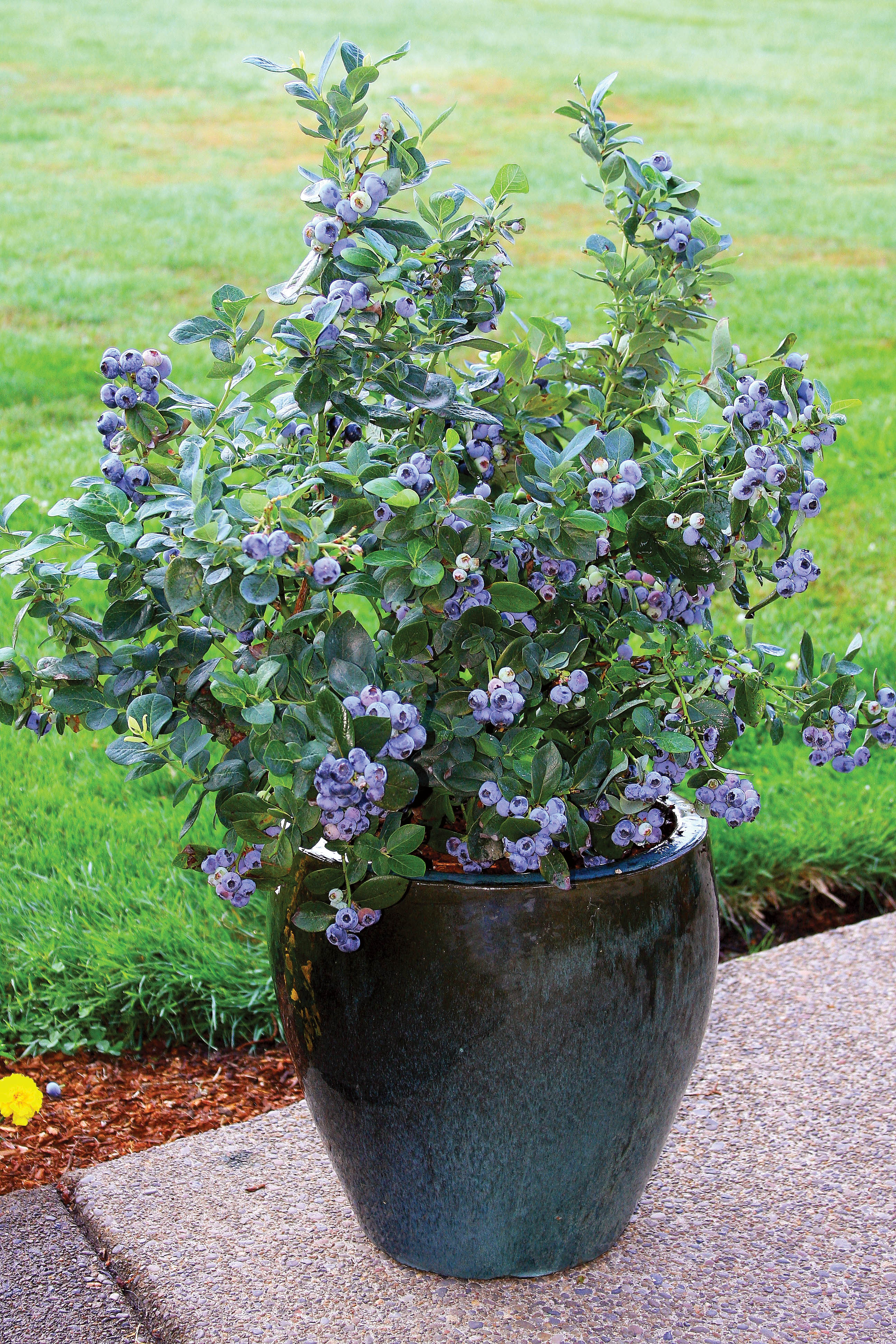
Blueberry bushes, scientifically known as Vaccinium species, can vary in their growth rates depending on several factors including the specific variety, climate conditions, and care they receive. Generally, blueberry bushes are considered to have a moderate growth rate. It can take them a few years to reach their full potential in terms of height and fruit production. Here's a detailed look into the growth characteristics of blueberry bushes.
See also:
Growth Rate of Blueberry Bushes
Blueberry bushes typically take 3-4 years to start producing a significant amount of fruit. During their initial growth period, they focus on establishing a strong root system. Factors influencing their growth rate include:
- Variety: Different types of blueberries (like highbush, lowbush, and rabbit-eye) can have varying growth rates.
- Environmental conditions: Sunlight, soil quality, and moisture levels play a big role.
- Care and maintenance: Proper pruning and fertilization can encourage faster growth.
Factors Influencing Growth Speed
The speed at which blueberry bushes grow can be influenced by environmental and genetic factors. Key influences include:
- Soil Quality: Well-drained, acidic soil enriched with organic matter can enhance growth.
- Watering Practices: Adequate watering during dry spells can promote rapid growth.
- Temperature: Blueberries thrive in cool climates, so temperatures affect their growth rates significantly.
Optimal Conditions for Fast Growth
To ensure quicker growth for blueberry bushes, certain optimal conditions should be met, such as:
- Sunlight: Providing full sun for at least 6 hours a day is crucial for photosynthesis.
- pH Levels: A soil pH between 4.5 and 5.5 is ideal for blueberries to absorb nutrients efficiently.
- Nutrients: Regularly applying fertilizers that are high in organic matter can promote robust growth.
Pruning and Maintenance Practices
Regular maintenance practices like pruning can significantly affect the growth rate of blueberry bushes. Important practices include:
- Pruning in Late Winter: This helps to remove old wood and encourages new growth.
- Weed Control: Keeping the area around the bush free from weeds ensures that they don't compete for nutrients.
- Pest Management: Addressing any pests early will help to reduce stress on the plants and promote faster growth.
Common Varieties and Their Growth Rates
Different blueberry varieties exhibit distinct growth rates. Some common ones include:
- Highbush Blueberries: Generally fast-growing, reaching heights of 5-7 feet.
- Lowbush Blueberries: Slower growth but can spread effectively.
- Rabbiteye Blueberries: Adaptable to various soils and can grow up to 10 feet tall in optimal conditions.
Questions from Our Readers
How long does it take for blueberries to grow from seeds?
Growing blueberries from seeds can take several years, typically 3 to 6 years before the plants bear fruit. Patience is essential, as the seeds require a stratification process to germinate, which can add to the timeline.
How long does it take for blueberry bushes to mature?
Blueberry bushes usually take about 3 to 4 years to reach full maturity. During this period, they will start producing a limited amount of fruit, with full production typically achieved at around 6 to 8 years of age.
How long does it take for blueberries to ripen?
Once blueberry flowers are pollinated, it generally takes 30 to 50 days for the berries to ripen. The exact time can depend on variety, environmental conditions, and proper care during the growing season.
See also:
Can the growth rate of blueberries be accelerated?
While you cannot significantly reduce the time it takes for blueberries to grow, providing optimal conditions such as well-drained soil, adequate sunlight, and regular watering can help the plants grow healthier and possibly bear fruit sooner than expected.

If you want to read more articles like How Long Does It Take for Blueberries to Grow: A Complete Guide to Blueberry Cultivation Timelines, we recommend you check out our Seeds category.
Leave a Reply
Related Articles