How Long Does Grass Seed Take to Grow Australia: A Comprehensive Guide

Establishing a lush and vibrant lawn in Australia starts with understanding the growth timeline of grass seed. With various factors influencing germination—including climate, soil type, and maintenance practices—knowing how long it takes for grass seed to grow is essential for successful landscaping. This comprehensive guide will provide you with detailed insights into the different grass varieties suitable for Australian conditions, the optimal planting times, and the care required to ensure healthy growth. Whether you're a homeowner looking to enhance your yard or a professional landscaper, this article will equip you with the knowledge needed to achieve a thriving lawn.
How Long Does Grass Seed Take to Grow in Australia?
In Australia, the time it takes for grass seed to germinate and establish varies depending on factors such as seed type, climate, and soil conditions. Generally, most types of grass seed will begin to germinate within 7 to 21 days after planting, with warm-season grasses typically emerging more quickly than cool-season varieties. For optimal growth, it’s essential to keep the soil consistently moist during the germination period while also considering the local temperature and weather patterns.
Factors Affecting Grass Seed Germination Time
Several factors influence how quickly grass seed will germinate in Australia. These include temperature, where warmer temperatures often accelerate growth; soil quality, as nutrient-rich soils promote healthier and faster development; moisture levels, since consistent watering is crucial for seed viability; and seed type, as different species have unique germination timelines and requirements.
Common Grass Types in Australia
Australia features a variety of grass types suitable for different climates. Buffalo grass and Bermudagrass are popular for warmer regions due to their ability to thrive in heat and drought conditions. In contrast, fescue and ryegrass are more adapted for cooler climates and tend to germinate faster in those areas. Understanding which type suits your region best can significantly streamline the germination process.
Optimal Conditions for Grass Seed Growth
To ensure rapid and successful germination of grass seeds in Australia, aim for optimal conditions including a soil temperature of around 15°C to 30°C (59°F to 86°F). Keeping the soil moist but not waterlogged is essential, as excessive water can lead to seed rot. Additionally, providing adequate sunlight and allowing for proper air circulation will further enhance the growth rate of newly planted grass.
Germination Timeline by Grass Type
Different grass types have varying germination timelines. For instance, Bermudagrass typically takes about 7 to 12 days to germinate, while Tall Fescue may take around 10 to 14 days. Kentucky Bluegrass, on the other hand, might require 14 to 30 days. Below is a table summarizing the average germination timelines for some common grass types in Australia:
| Grass Type | Average Germination Time (Days) |
|---|---|
| Bermudagrass | 7 - 12 |
| Buffalo Grass | 14 - 30 |
| Tall Fescue | 10 - 14 |
| Kentucky Bluegrass | 14 - 30 |
| Perennial Ryegrass | 5 - 10 |
Maintenance Tips During Germination
During the germination phase, it is crucial to monitor the newly planted area closely. Regular watering should be maintained—about once a day or as needed to keep the soil evenly moist, especially in warmer regions. Avoid heavy foot traffic to prevent soil compaction, and be vigilant for any signs of pest or disease, which can hinder growth and delay the establishment of your lawn.
How long does it take to see grass grow after seeding?
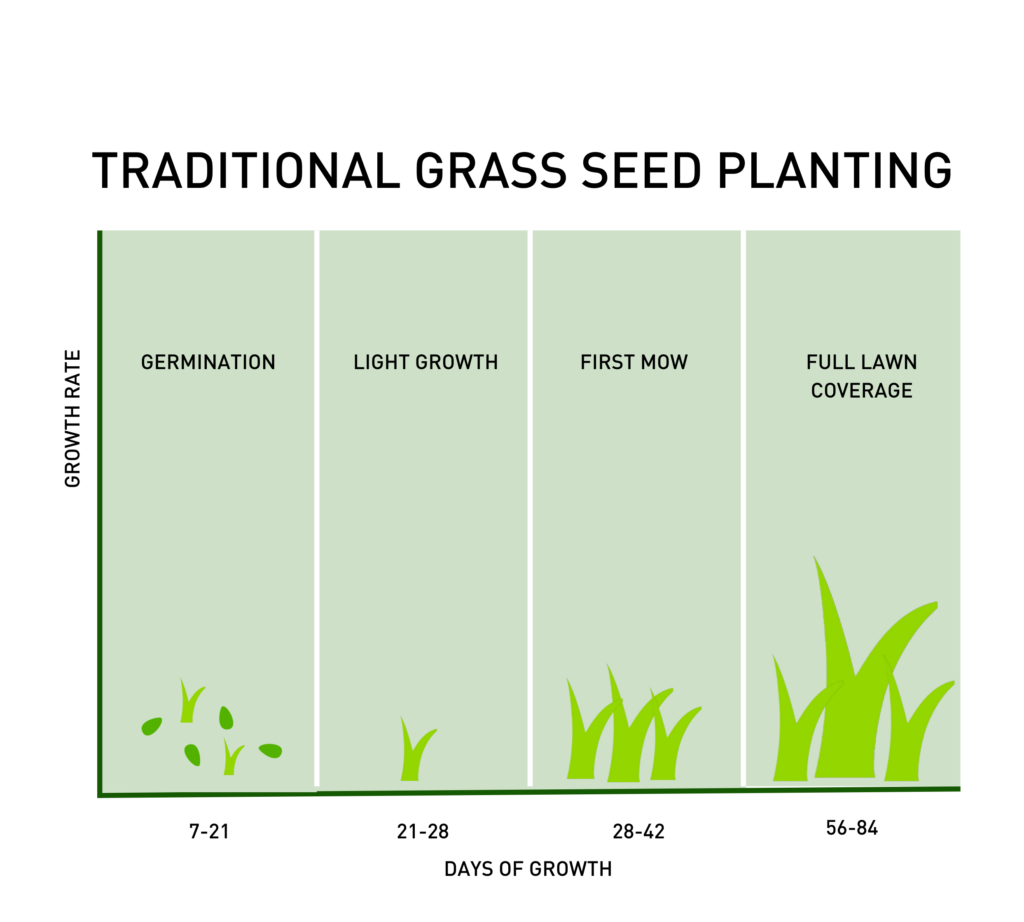

It generally takes 7 to 21 days to see grass grow after seeding, depending on various factors such as the type of grass seed, soil conditions, and environmental factors. Different grass species have different germination rates, which can significantly influence how quickly you’ll see green shoots coming through the soil.
Factors Affecting Germination Time
The time it takes for grass to germinate can be influenced by several key factors. Understanding these can help in managing expectations regarding the speed of growth.
- Grass Type: Different species of grass have varying germination periods. For instance, ryegrass may germinate within 5 to 10 days, while fescue or bluegrass can take longer.
- Soil Temperature: The ideal soil temperature for most grasses is between 65°F to 75°F (18°C to 24°C). Cooler temperatures can slow down germination significantly.
- Moisture Level: Adequate moisture is crucial for germination. If the soil is too dry, seed will not germinate effectively.
Pre-Seeding Soil Preparation
Ensuring that your soil is well-prepared can promote faster germination. Proper preparation creates a favorable environment for seeds to sprout quickly.
- Soil Test: Conduct a soil test to determine pH and nutrient levels, allowing for necessary amendments.
- Clearing Debris: Remove any weeds or debris from the area to reduce competition for nutrients and water.
- Tilling: Loosening the soil can help improve aeration and drainage, facilitating quicker seed germination.
Seed Covering and Protection
Covering and protecting the seeds appropriately can also influence how quickly you will see grass growth. It helps maintain the necessary conditions for seed germination.
- Seed Depth: Seeds should be sown at the recommended depth to ensure they are in optimal contact with soil.
- Mulching: A light layer of mulch can help retain moisture and protect seeds from birds and other pests.
- Watering Techniques: Regularly water the area using a fine mist to keep the soil consistently moist until germination.
Timing of Seeding
When you choose to seed your grass can significantly impact how long it takes to grow. Seasonal timing plays a critical role.
- Spring Seedings: Early spring is generally favorable for cool-season grasses, allowing them to establish before summer heat.
- Fall Seedings: Late summer to early fall is often considered the best time for cool-season varieties, providing optimal cooler temperatures for growth.
- Avoiding Extremes: Planting during extremely hot or cold periods can lead to slower or unsuccessful germination.
Post-Seeding Care
How you care for the newly seeded area post-planting can affect the growth rate and establishment of the grass. Proper care can enhance germination rates significantly.
- Regular Watering: Keeping the soil moist, but not waterlogged, is essential during the germination stage.
- Avoiding Foot Traffic: Limiting traffic on the seeded area until the grass is established can prevent soil compaction and damage.
- Monitoring for Pests: Keeping an eye out for signs of pests or disease can help you intervene early, ensuring better growth.
How do I speed up grass seed germination?

To speed up grass seed germination, several factors need to be optimized, including the choice of seed, soil preparation, water management, temperature, and sunlight exposure. Here are detailed steps to enhance germination rates effectively:
See also:
Understanding Grass Seed Types
Different types of grass seeds have varying germination rates and optimal conditions. Choosing the right grass seed for your climate and soil type is crucial.
- Cool-season grasses germinate best in spring or fall and thrive in cooler temperatures.
- Warm-season grasses perform optimally during the warmer months and require higher soil temperatures for seed germination.
- Research local environmental factors to select the most suitable grass seed variety for your area.
Soil Preparation
Proper soil preparation is essential for enhancing seed germination. A well-prepared seedbed provides the ideal conditions for seeds to thrive.
- Test the soil to determine its pH and nutrient levels; amend it as necessary to create a balanced environment.
- Loosen the soil to improve aeration; this helps roots penetrate the ground more easily.
- Remove debris, rocks, and weeds that can compete with the newly germinated grass for nutrients and water.
Water Management
Water is critical for seed germination, but the amount and frequency must be carefully managed to avoid discouraging growth.
- Keep the soil consistently moist but not soggy; overwatering can lead to mold and rot.
- Use a light mist or fine spray to avoid displacing seeds while watering.
- Monitor soil moisture levels regularly and adjust your watering schedule according to weather conditions.
Temperature Control
Grass seeds require specific temperature ranges to germinate effectively. Managing the soil temperature can significantly impact germination rates.
- Ensure soil temperatures are within the ideal range for the type of grass you are planting - typically between 50°F and 65°F for cool-season varieties and 65°F to 80°F for warm-season types.
- If temperatures are low, consider using a seed germination mat to provide bottom heat.
- Time your seeding efforts to coincide with optimal temperature conditions for the best results.
Providing Adequate Sunlight
Sunlight is essential for the growth and establishment of grass. Seeds that aren't exposed to enough light may struggle to germinate.
- Choose a planting location that receives at least 6-8 hours of direct sunlight daily.
- If planting in a shady area, select shade-tolerant grass seed varieties.
- Consider using reflective materials or thin mulch to help retain moisture while optimizing light conditions for seed germination.
Questions from Our Readers
How long does it take for grass seed to germinate in Australia?
The germination period for grass seed in Australia typically ranges from 7 to 21 days, depending on the type of grass and climate conditions. Warm-season grasses generally grow faster in temperatures above 20°C.
What factors influence the growth rate of grass seed in Australia?
The growth rate of grass seed in Australia is influenced by several factors including soil quality, moisture levels, temperature, and sunlight exposure. Ensuring optimal conditions can significantly enhance growth.
When is the best time to plant grass seed in Australia?
The optimal time to plant grass seed in Australia is during the spring or early summer when temperatures are rising, allowing for quicker germination and establishment. Avoid planting during extreme winter conditions.
See also:
How can I speed up the growth of grass seed in Australia?
To speed up the growth of grass seed, ensure the soil is well-aerated, provide adequate moisture, and apply a suitable fertilizer. Additionally, using a seed starter can promote faster establishment.

If you want to read more articles like How Long Does Grass Seed Take to Grow Australia: A Comprehensive Guide, we recommend you check out our Seeds category.
Leave a Reply
Related Articles