How Long Does Compost Last Once Opened for Plants? Essential Tips for Optimal Use
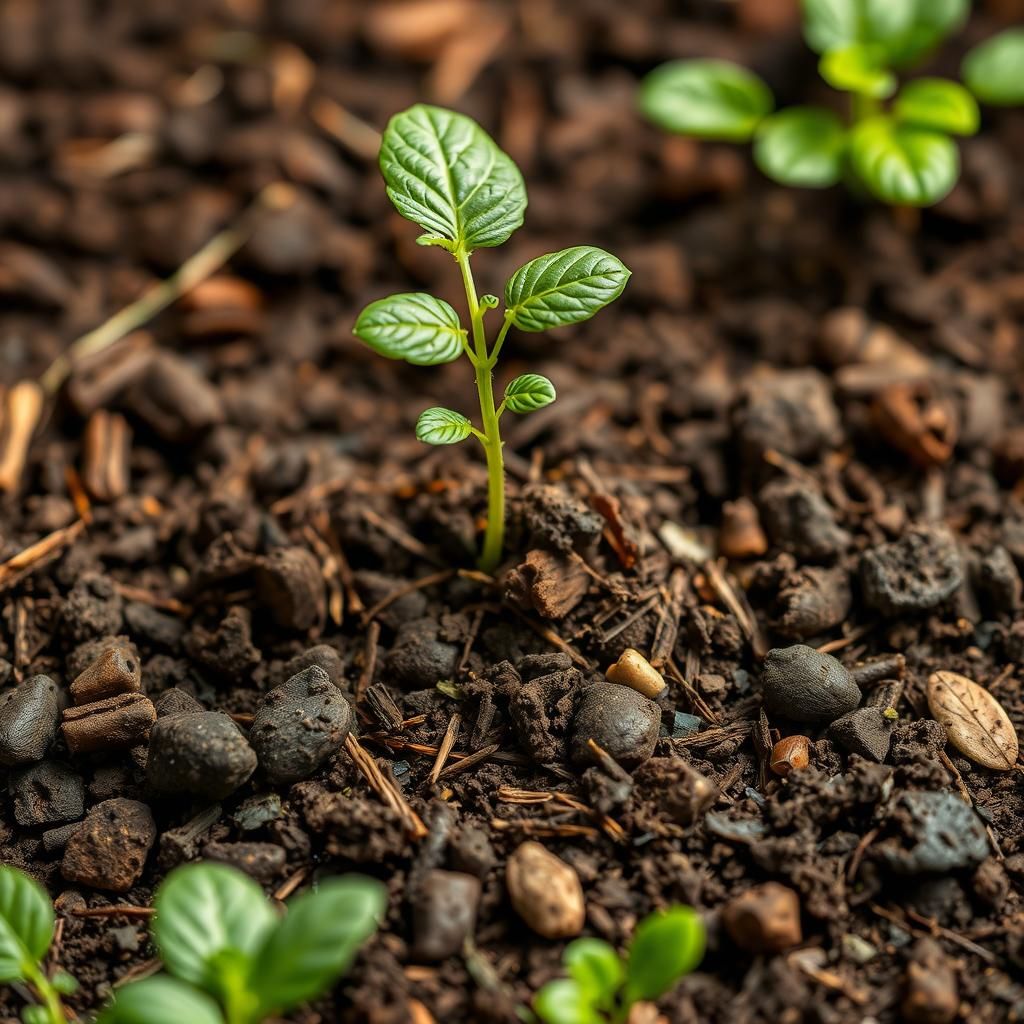
Composting is an essential practice for gardeners looking to enhance soil health and promote plant growth. However, once opened, the lifespan of compost can vary significantly based on several factors. Understanding how long compost remains effective after opening is crucial for maximizing its benefits. This article delves into the longevity of compost for plants, offering essential tips for optimal use. By knowing how to store and apply compost properly, gardeners can ensure their plants receive the nutrients they need while reducing waste. Explore the best practices to maintain the vitality of your compost and elevate your gardening experience.
How Long Does Opened Compost Last for Plants?
Once opened, compost can last for a period of approximately 6 months to 2 years, depending on several factors such as the type of compost, storage conditions, and moisture levels. If compost is kept in a cool, dry place, it will maintain its quality longer than if exposed to heat and humidity. Regularly checking its texture and odor can help ensure that it remains viable for enriching your plants. If it starts to smell bad or has visible signs of mold, it's typically a sign that it's past its prime and may not be beneficial for your plants.
Factors Affecting Compost Longevity
The longevity of opened compost is influenced by various factors, including the composition of the compost, its moisture levels, and the environment in which it is stored. Compost that contains a balanced mix of nitrogen, carbon, and other nutrients is likely to last longer. Additionally, maintaining appropriate moisture levels—neither too dry nor too soggy—can prevent decomposition from accelerating too quickly, thereby extending its shelf life.
Storage Conditions
Proper storage conditions play a crucial role in preserving the quality of opened compost. Ideally, compost should be stored in a cool, dry area away from direct sunlight. Using airtight containers can also help keep moisture in check and prevent the compost from drying out too quickly. In contrast, if compost is exposed to high temperatures and humidity, its decomposition process may hasten, leading to a shorter lifespan.
Signs of Degradation
As compost ages, certain signs of degradation become apparent. A foul odor, excessive moisture, or the presence of mold indicates that the compost may no longer be viable for use. An undesirable smell often suggests anaerobic conditions, which can lead to nutrient loss. Visually inspecting the compost for changes in texture and consistency can also help determine whether it’s still suitable for enriching your plants.
Utilization Timeline
The utilization timeline for opened compost typically ranges from 6 months to 2 years, as mentioned earlier. It is advisable to use the compost within this time frame for the best results. For optimal effectiveness, gardeners are encouraged to apply compost while it is still fresh and potent, as older compost may not deliver the same nutrient benefits that plants require.
Table of Compost Lifespan Factors
| Factor | Effect on Lifespan |
|---|---|
| Storage Temperature | Higher temperatures decrease lifespan |
| Moisture Levels | Maintaining balance prolongs viability |
| Composition | Balanced ingredients ensure longevity |
| Container Type | Airtight containers extend shelf life |
| External Conditions | Exposure to elements shortens lifespan |
How long does compost last once opened?

Once compost is opened and exposed to air, its longevity can vary significantly based on several factors. Typically, compost can last anywhere from 6 months to a year. However, its usability and health for the soil will decrease over time once it has been exposed to the elements. Here are some key factors that affect the longevity of opened compost:
Factors Affecting Compost Longevity
The duration that compost lasts once opened is influenced by various elements:
- Moisture Levels: If compost is too wet, it can lead to anaerobic conditions and decay faster. Conversely, too dry compost may become inactive.
- Exposure to Air: Air exposure fosters microbial activity. After opening, if the compost is not used, it can lose its effectiveness and nutrients.
- Temperature: Higher temperatures can accelerate the breakdown process, whereas cooler temperatures can preserve its quality longer.
- Contamination: If opened compost comes in contact with pathogens or weeds, it can spoil, diminishing its lifespan.
- Storage Conditions: Properly sealing compost in a moisture-proof container can extend its shelf life significantly.
Signs of Degradation in Opened Compost
Recognizing signs that compost is declining in quality can help in deciding its usability:
See also:
- Mold Growth: The presence of mold can indicate that the compost is breaking down improperly.
- Offensive Odors: A foul smell may suggest that the compost is anaerobic and not suitable for use.
- Color Changes: If compost becomes darker or shows signs of being overly broken down, its nutrients may be depleted.
- Heat Generation: Excessive heat may signal active decomposition, while a cool temperature can signify stagnation.
- Presence of Pests: Insects or rodents can indicate that the compost is degrading and may no longer be suitable for gardening.
Optimal Storage Practices for Opened Compost
To ensure the longevity of your opened compost, consider the following storage techniques:
- Sealing Containers: Use air-tight containers to minimize moisture loss and prevent pests.
- Covering with Tarps: If stored outdoors, cover compost with tarps to protect it from rain and UV exposure.
- Turning Compost: Regularly turning the compost can help maintain air flow and prevent it from becoming compacted.
- Location: Store compost in a shaded area to prevent it from drying out too quickly.
- Monitoring Moisture: Keep an eye on the moisture content; it should feel like a damp sponge for ideal conditions.
Composting and Nutrient Retention
Understanding how nutrient levels change in opened compost is essential:
- Microbial Activity: Once exposed, microbial organisms can consume nutrients rapidly, which can affect the compost's effectiveness over time.
- Loss of Volatile Nutrients: Nutrients like nitrogen may evaporate, diminishing the benefits of the compost for plants.
- Leaching: Rain or excessive moisture can leach nutrients out of the compost, particularly if it is not adequately covered.
- Oxidation: Oxygen exposure can lead to a loss of some nutrients, lowering the compost's agricultural value.
- Performance in Soil: The longer you wait to use opened compost, the less effective it may be for enriching the soil.
Usage Recommendations for Opened Compost
When deciding how to use opened compost, consider the following suggestions:
- Immediate Application: Use opened compost quickly to maximize its benefits for your plants.
- Mixing with Soil: Incorporate compost into the soil promptly to enrich it effectively.
- Layering in Beds: Apply as a top layer in garden beds for optimal drainage and nutrient accessibility.
- Container Plants: Use opened compost in pots or containers to improve soil structure and nutrient content.
- Monitoring Plant Growth: Observe plant responses closely; if growth is slow, consider that the compost may have degraded.
How to tell if compost has gone bad?
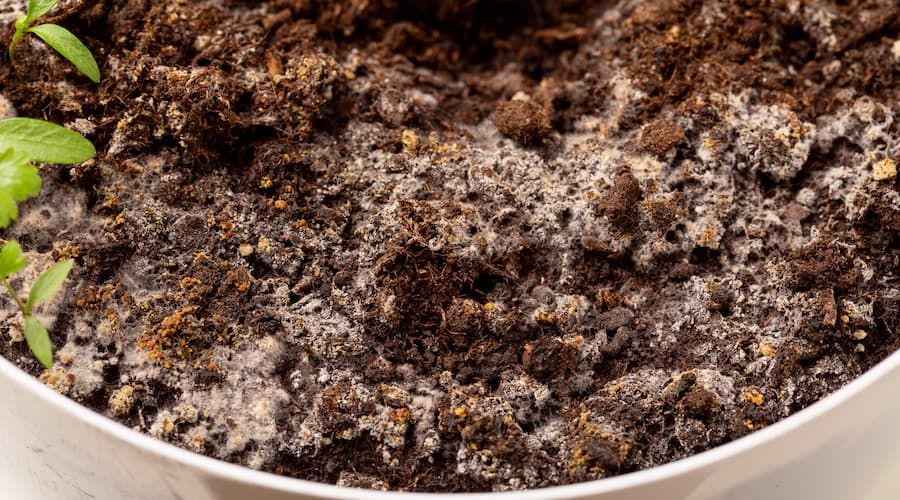
To determine if compost has gone bad, you should look out for several signs that indicate it is not in a healthy or usable state. Healthy compost should have a pleasant earthy smell and be dark in color. Conversely, bad compost can emit unpleasant odors, have a slimy texture, or display other unusual characteristics. Here are detailed aspects to consider:
1. Unpleasant Odors
One of the most telling signs that compost has gone bad is the presence of unpleasant odors. A properly decomposed compost should smell earthy and pleasant. In contrast, if it emits a strong, foul smell, it could mean the compost is anaerobic, which happens when there is a lack of oxygen in the pile. Such odors may include:
- Rotten eggs smell, indicating sulfur compounds.
- Ammonia scent, suggesting an excess of nitrogen-rich materials.
- Putrid odors, usually from decomposing food scraps.
2. Slimy or Wet Texture
Another indicator of bad compost is its texture. Healthy compost should be crumbly and moist but not excessively wet. If you notice a slimy or overly wet texture, it signifies that the compost pile is holding too much moisture, leading to anaerobic conditions. Consider these factors:
- A layer of slime on the surface can indicate over-saturation.
- Excessive moisture can lead to pest problems and slow down decomposition.
- Sinking or compacting of the pile suggests it might be too wet.
3. Presence of Pests
While some bugs are beneficial, the presence of an abundance of pests can indicate problems within your compost. If you see an influx of harmful insects or rodents, it may be a sign that the compost is unhealthy or attracting unwanted attention. Here’s what to look for:
- Presence of fruit flies can suggest decomposing fruit or vegetables.
- Seeing mice or rats indicates food scraps that might be too accessible.
- A significant number of ants might suggest a dry compost that needs moisture.
4. Temperature Fluctuations
A healthy compost pile typically goes through a temperature range indicating active decomposition. If the compost is not heating up or fluctuating in temperature excessively, it could be a sign of failed aerobic processing. Consider these points:
- Compost should ideally register between 130°F and 160°F (54°C to 71°C) during active decomposition.
- Failure to heat up might mean the pile is too dry or has insufficient nitrogen.
- Constantly high temperatures may signify too much of nitrogen-rich material.
5. Color Changes
The color of compost can be a good indicator of its health. Healthy compost appears dark brown or black, resembling topsoil. If you notice significant color changes, it might be a sign of issues. Here are key points regarding color:
See also:
- A light-colored, grayish appearance may indicate an inability to decompose properly.
- Burnt, blackened bits could suggest overexposed materials to heat.
- A green hue might suggest an excess of nitrogen materials that have not properly broken down.
How long does compost last in soil for plants?
Compost can last in soil for plants for a significant period, typically ranging from several months to a couple of years. Its longevity depends on several factors, including the type of compost, environmental conditions, and the soil's microbial activity. Over time, compost not only improves soil structure and fertility but also enhances the soil's ability to retain moisture and provide nutrients to plants.
Factors Affecting Compost Longevity
The lifespan of compost in the soil can be influenced by various factors such as:
- Soil Microbial Activity: Healthy soil contains a diverse range of microorganisms that can break down organic matter, including compost. High microbial activity can accelerate compost decomposition.
- Soil Conditions: Factors such as moisture, temperature, and soil type can impact how quickly compost is decomposed. Warm and moist conditions typically promote faster breakdown.
- Type of Compost: Different compost types (e.g., leaf mold, kitchen scraps) have varying nutrient profiles and decomposition rates, affecting how long they persist in the soil.
Type of Compost Influences
The type of compost used plays a crucial role in its longevity in the soil:
- Green Compost: Made from nitrogen-rich materials, green compost tends to decompose quickly, usually lasting only a few months.
- Brown Compost: Composed mainly of carbon-rich materials, brown compost breaks down more slowly, potentially lasting up to two years in the soil.
- Compost Blends: Often combining both green and brown materials, these mixes can vary in longevity based on their composition.
Environmental Conditions
Environmental elements significantly impact how long compost remains effective:
- Climate: In warmer climates, compost may break down faster, while cooler areas might see a slower decomposition process.
- Moisture Levels: Adequate moisture aids microbial activity, promoting faster compost breakdown; however, overly wet conditions can lead to anaerobic decomposition.
- Sun Exposure: Direct sunlight can expedite the drying-out process of compost in the soil, potentially shortening its life span.
Benefits of Long-Lasting Compost
Using compost that remains effective for extended periods provides several advantages:
- Improved Soil Fertility: Long-lasting compost continues to supply nutrients, enhancing plant growth over time.
- Healthy Soil Structure: Compost helps maintain good soil structure, which benefits root development and moisture retention.
- Reduced Soil Erosion: Well-composted soil is more stable and less prone to erosion, promoting sustainability in gardening and farming practices.
Best Practices for Compost Application
To ensure compost lasts longer in the soil, consider the following practices:
- Proper Aeration: Ensure compost is well-aerated before application to enhance microbial activity, promoting better decomposition.
- Layering Technique: Apply compost in layers, mixing it with topsoil to improve its integration and slow down decomposition.
- Regular Monitoring: Keep an eye on soil moisture and temperature to maintain optimal conditions for compost longevity.
Questions from Our Readers
How long does compost last once opened?
Once opened, compost can last for several months to a year, depending on factors such as storage conditions and moisture levels. It is important to keep it in a cool, dry place and monitor it regularly for any signs of degradation.
What factors affect the shelf life of opened compost?
Several factors affect the shelf life of opened compost, including humidity, temperature, and exposure to air. Maintaining a consistent environment can help prolong its usability, while excessive moisture or heat can lead to faster decomposition.
Can you use compost after it has been opened for a long time?
Yes, you can still use compost that has been opened for a long time, provided it does not have an unpleasant odor or signs of mold. If it appears dry, you can rehydrate it slightly before application to your plants.
See also:
How can you tell if opened compost has gone bad?
Opened compost may have gone bad if it emits a strong, foul odor or appears excessively wet and slimy. It's crucial to check for any signs of pests or unusual colors, as these can indicate that the compost is no longer suitable for use.
If you want to read more articles like How Long Does Compost Last Once Opened for Plants? Essential Tips for Optimal Use, we recommend you check out our Compost category.
Leave a Reply
Related Articles