How Long After Laying Turf Can You Top Soil? Essential Tips for Successful Lawn Care
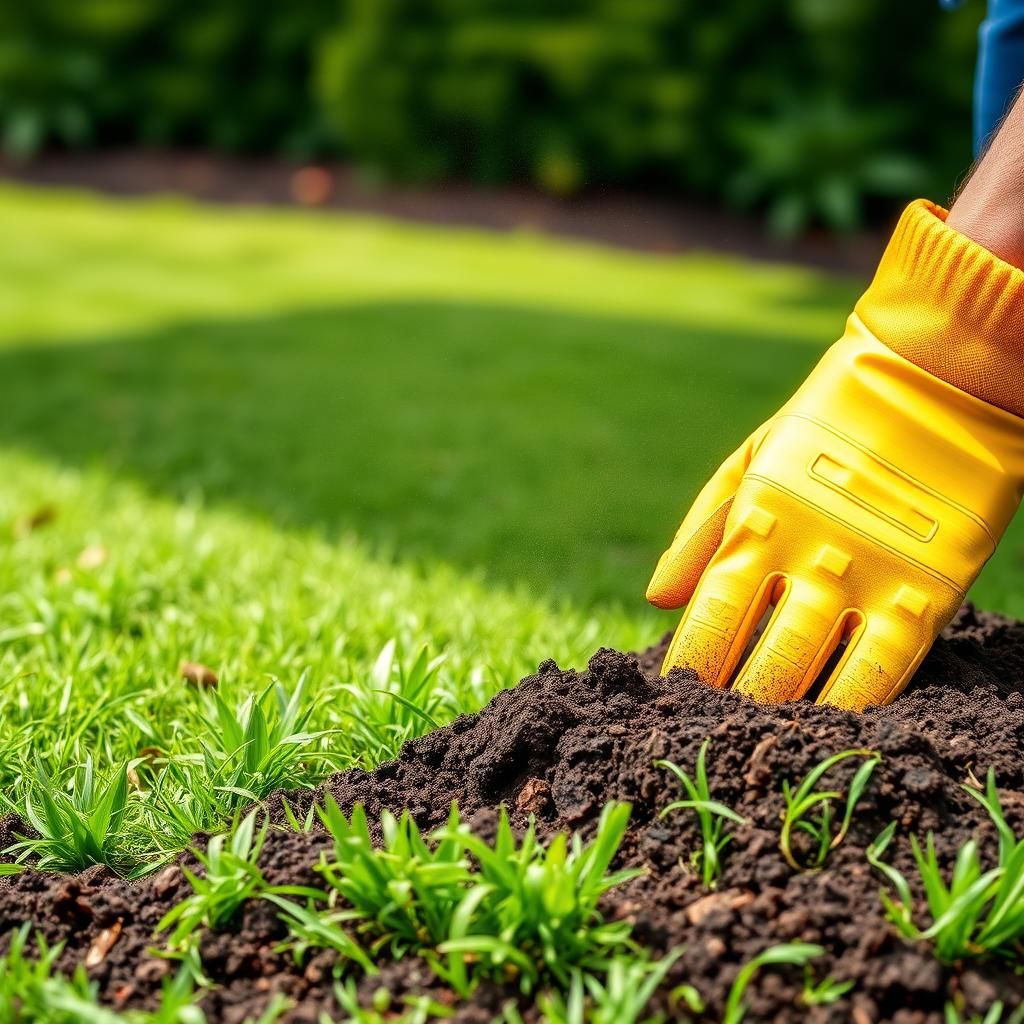
Establishing a lush, green lawn requires careful planning and maintenance, especially when it comes to laying turf. One common question that arises among homeowners and gardening enthusiasts is, How long after laying turf can you top soil? Understanding the optimal timeline and techniques for adding topsoil is crucial to ensuring the health and longevity of your lawn. In this article, we will explore essential tips for successful lawn care, including ideal timings, the benefits of top-soiling, and best practices for nurturing your newly laid turf. Read on to discover how to create a thriving and beautiful lawn.
How Long After Laying Turf Can You Top Soil?
After laying turf, it is generally advisable to wait at least two to three weeks before applying any topsoil. This waiting period allows the turf to establish its roots firmly into the ground. If you topsoil too soon, you risk disrupting the root development and potentially harming the new grass. It is crucial to ensure that the turf has had enough time to adapt and begin rooting into the existing soil before adding any additional layers, as this will ultimately promote a healthier and more robust lawn.
Importance of Timing
Timing is essential when applying topsoil after laying turf. If you apply topsoil too soon, it can smother the turf and hinder its ability to establish a strong root system. Adequate time allows the grassroots to penetrate the existing soil, promoting better nutrient uptake and water absorption, which is critical for the turf's health.
Signs Turf is Ready for Topsoil
You can tell your turf is ready for topsoil when you notice that the grass blades are beginning to grow and thicken. Additionally, if you gently tug at the edges of the turf and it resists being pulled up, this indicates that the roots are starting to settle into the soil. Observing these signs can help ensure that you are applying topsoil at just the right moment, thereby enhancing the growth of your lawn.
Benefits of Adding Topsoil
Adding topsoil after the turf has established can provide numerous benefits, such as improved soil structure and increased nutrient content. This can enhance water retention and promote better drainage, ultimately leading to a lusher and more vibrant lawn. Additionally, adding quality topsoil can help fill in any low spots in the yard, creating a more level and aesthetically pleasing landscape.
See also:
Potential Risks of Topsoiling Too Early
If topsoil is added prematurely, it can create a barrier between the roots of the turf and the soil beneath. This may lead to root rot or other issues, as the turf could struggle to absorb necessary water and nutrients. Furthermore, excessive moisture can accumulate in the newly added topsoil, increasing the risk of disease and damaging your turf rather than supporting its growth.
Best Practices for Applying Topsoil
When you're ready to apply topsoil, ensure that you use a high-quality mix that is free of weeds and contaminants. Spread the topsoil evenly, ideally to a depth of 1/4 inch, to avoid smothering the grass. Lightly rake the surface to help the topsoil settle and then water it thoroughly. Proper application techniques will help ensure that your turf thrives.
| Action | Timing | Notes |
|---|---|---|
| Laying Turf | Day 1 | Ensure a proper base before laying grass. |
| Wait for Establishment | 2-3 weeks | Roots should develop before any topsoil is added. |
| Apply Topsoil | After establishment | Use a quality mix to enhance growth. |
The Importance of Timing When Applying Top Soil on Newly Laid Turf
Applying topsoil on newly laid turf is a critical step in ensuring a healthy and vibrant lawn. The recommended timeframe for adding topsoil is typically two to three weeks after laying the turf, as this allows the grass to establish its root system without being disturbed. It's essential that the soil remains adequately moist, and applying topsoil too early can interfere with the rooting process. By waiting the appropriate amount of time, you give your new lawn the best chance to adapt and thrive while benefiting from the additional nutrients that topsoil provides.
Understanding the Establishment Phase of Turf
The establishment phase refers to the period shortly after laying down new turf, where the grass begins to form roots and stabilize itself in the ground. This phase typically lasts for two to four weeks, depending on factors like weather conditions and soil type. During this time, it's crucial to keep the turf well-watered but not soggy, allowing the roots to grow deeply into the soil. Engaging in practices such as gentle foot traffic and minimizing lawn maintenance can also foster a healthier turf establishment.
Signs That Your Turf is Ready for Top Soil
Before applying top soil, it's essential to identify the signs that indicate your turf is ready for this additional layer. Look for strong-rooted grass, which can typically be assessed by gently tugging at a patch of turf; if it holds firm in place, it's a good indication of rooted establishment. Additionally, signs of vibrant color and healthy growth suggest that the grass is adapting well. If you notice any areas that are still lifting or brown patches, it may indicate that the turf is not yet ready for topsoil.
See also:
Choosing the Right Type of Top Soil
Selecting the right kind of topsoil is vital for the health and success of your lawn. Ideally, you should choose a considerably fine-textured topsoil that is free of contaminants and weed seeds. It should also have a balanced mix of organic matter, sand, and clay to promote both drainage and moisture retention. By using high-quality topsoil that complements your existing soil's pH and nutrient levels, you can enhance the overall health of your lawn and support the growth of your new turf.
Best Practices for Applying Top Soil
When it comes to applying topsoil to newly laid turf, following best practices ensures effective results. Firstly, ensure the ground surface is moist; this helps to facilitate better integration of the topsoil with the existing soil. Use a shovel or a spreader to apply an even layer of topsoil, approximately half an inch thick, avoiding heavy deposits that may suffocate the grass. Rake the surface lightly to blend the topsoil and then water gently to settle it without washing it away.
Post-Application Care After Adding Top Soil
After you've applied the topsoil, appropriate post-application care is crucial for the continued health of your turf. Keep the area consistently moist, but avoid overwatering, as too much water can lead to root rot and other growth issues. Regularly check the moisture levels and consider applying a light fertilizer to give your grass an added nutrient boost. Additionally, limit heavy foot traffic for the first few weeks to allow the turf to recover and establish a strong root system with the new soil.
Questions from Our Readers
How long should you wait after laying turf to topsoil?
After laying turf, it is recommended to wait at least four to six weeks before applying topsoil. This time frame allows the turf to establish its roots and adapt to the new environment. Applying topsoil too soon can disrupt the root system and hinder growth.
Can topsoil be applied directly over freshly laid turf?
It is generally not advisable to apply topsoil directly over freshly laid turf. Doing so can smother the grass and prevent it from receiving adequate light and nutrients, which are crucial for healthy growth during the initial establishment phase.
See also:
What are the benefits of applying topsoil after turf is established?
Applying topsoil after the turf has been established can offer several benefits, including improved soil structure, enhanced water retention, and the addition of essential nutrients. This can lead to a healthier and more resilient lawn in the long run.
Should you water the turf before applying topsoil?
Yes, it is beneficial to water the turf thoroughly before applying topsoil. This ensures that the grass is well-hydrated and can better handle the additional weight of the topsoil, promoting an effective integration of the soil with the existing lawn.

If you want to read more articles like How Long After Laying Turf Can You Top Soil? Essential Tips for Successful Lawn Care, we recommend you check out our Lawn category.
Leave a Reply
Related Articles