How Far from the Boundary Can You Build a Pergola? Essential Guidelines for Your Outdoor Space
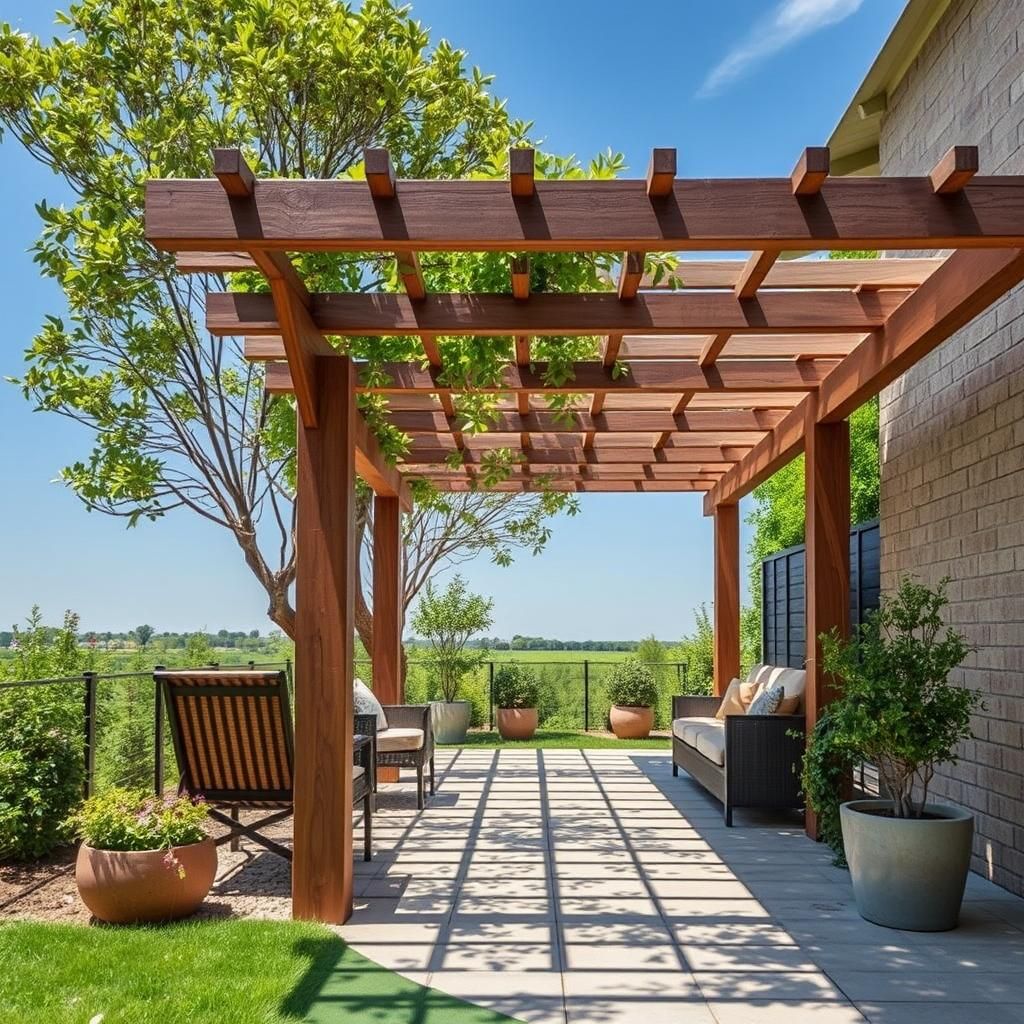
When considering the installation of a pergola in your outdoor space, understanding boundary regulations is essential. This structure can enhance your backyard’s aesthetic and functional appeal, but it’s crucial to know how far you can build from your property line to avoid potential disputes with neighbors and compliance issues with local zoning laws. In this article, we will explore the essential guidelines, including setback requirements, local ordinances, and best practices for ensuring a harmonious blend of outdoor design and legal compliance. Whether you’re embarking on a new project or renovating your existing landscape, these insights will help you create the perfect outdoor retreat.
How Far From the Boundary Can You Build a Pergola?
When considering the construction of a pergola, it is essential to understand local zoning laws and regulations that dictate how far you must build from your property boundary. Typically, these regulations vary by region, but most municipalities require that any structure, including a pergola, be placed a certain distance away from the property line to ensure privacy, safety, and to prevent disputes with neighbors. Standard distances often range from 3 to 10 feet, depending on the size of the pergola and local building codes. It is advisable to consult with your local building authority or a professional contractor to obtain specific guidelines relevant to your area.
Zoning Laws and Regulations
Understanding zoning laws is crucial for any construction project, including pergolas. These laws are established by local governments and vary widely across different areas. They often dictate where and how structures can be built concerning property lines. Before beginning construction, it's necessary to research your local zoning ordinances or consult a town planner to ensure compliance with any setback requirements imposed on structures like pergolas.
Typical Setback Requirements
Setback requirements refer to the minimum distance a structure must be from the property line. Generally, these distances can range from 3 to 10 feet, depending on the local jurisdiction. Some areas might even have stricter rules based on the type of structure, its height, and its intended use. Always verify with local regulations to avoid any potential issues or delays in your project.
Neighbor Relations
Building a pergola too close to the boundary can lead to conflicts with neighbors. Good neighbor relations are vital, and maintaining a respectful distance from property lines can help prevent disputes. Open communication with neighbors is always advisable before starting construction. This can include discussing your plans, addressing any concerns, and potentially even obtaining consent to avoid misunderstandings later on.
Permitting Process
Obtaining the necessary permits is often a crucial part of erecting a pergola. Many local governments require a permit for any structure built on a property, especially those that may encroach on setback lines. The permitting process typically involves submitting plans for review, paying a fee, and possibly undergoing an inspection after construction. This ensures that all local codes and safety standards are met, providing peace of mind for the builder.
Exceptions and Variances
In some cases, homeowners may seek a variance from zoning regulations if their design meets specific criteria. A variance allows for deviations from the standard setback distance, often requiring homeowners to provide a strong justification for their request. This process can vary significantly between jurisdictions and may involve public hearings, so it's essential to gather all necessary documentation and understand local procedures before pursuing this option.
| Aspect | Details |
|---|---|
| Zoning Laws | Regulations set by local governments that dictate building distances. |
| Setback Requirements | Minimum distance structures must be from property lines, typically 3 to 10 feet. |
| Neighbor Relations | Maintaining good communication and respect for property boundaries to avoid disputes. |
| Permitting Process | Obtaining necessary approvals and permissions before construction begins. |
| Exceptions and Variances | Requests to deviate from standard regulations, usually requiring justification. |
How close to my neighbour's boundary can I build a pergola?
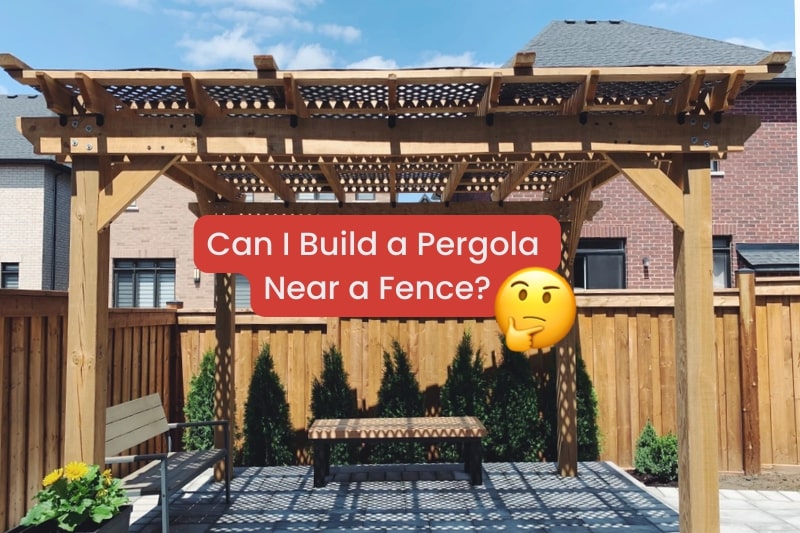
Determining how close to your neighbour's boundary you can build a pergola depends on various factors, including local building regulations, zoning laws, and property lines. Here are some general guidelines to consider:
1. Local Building Codes: Most municipalities have specific building codes that dictate setback requirements for structures like pergolas. These regulations often specify the minimum distance your structure must be from property lines.
2. Zoning Laws: Zoning laws vary significantly from one area to another. These laws will define how close to the boundary you can build, as well as the type of structures allowed on your property.
3. Easements and Rights-of-Way: There might be easements on your property that restrict building near certain boundaries. It's crucial to check if there are any rights-of-way or utility easements that may affect your building plans.
4. Neighbourly Agreements: In some instances, you may have a friendly agreement with your neighbours regarding the positioning of structures. While this is not a legal requirement, it's a good practice to communicate with them to avoid any disputes.
5. Design and Size Considerations: The design and overall size of your pergola may also impact how close you can build it to the boundary. Larger structures could necessitate a greater distance from property lines to comply with local regulations.
See also:
Understanding Setback Requirements
Setback requirements are regulations that dictate how far a building must be from property lines. These rules are designed to ensure privacy, access, and safety. To adhere to these requirements, consider the following:
- Research your local building codes: Visit your local planning office or website to obtain specific information on the required setbacks.
- Consult with a professional: A contractor or architect can provide guidance tailored to your property and location.
- Compare with neighbouring structures: Observing how close neighbouring structures are built may provide insight into local practices.
Influence of Zoning Laws
Zoning laws govern how land can be used and developed within certain areas. These laws can have a significant impact on structure placements:
- Identify your zoning classification: This will often dictate the type of structures you can build and their required distance from property lines.
- Check for any overlays: Additional zoning overlays may provide further restrictions or allowances for certain areas.
- Gather information from the local zoning board: They can clarify specific zoning rules that may apply to your parcel of land.
Considering Easements and Rights-of-Way
Easements are legal rights to use someone else's land for a specific purpose. This could affect where you can build:
- Review your land documents: These documents can reveal if there are any easements that may limit building areas.
- Consult a land surveyor: They can help identify property boundaries and easements accurately.
- Discuss with neighbours: Neighbours may also have relevant information regarding easements affecting your property.
Importance of Neighbourly Agreements
Having a good relationship with your neighbours can ease tensions and promote a cooperative approach to boundary issues:
- Communicate your plans: Discussing your intentions with neighbours can prevent misunderstandings and accusations of encroachment.
- Document any agreements: If your neighbour consents to a particular plan, document it in writing to avoid confusion later.
- Be willing to compromise: Sometimes a small adjustment to your plan can satisfy both parties, fostering goodwill.
Design and Size Limitations
The design and dimensions of your pergola can dictate the necessary distance from the property line:
- Consult design guidelines: Check if your local building authority has guidelines regarding the dimensions of structures relative to property lines.
- Utilize smaller designs: A smaller pergola may have more lenient setback requirements than a larger structure.
- Consider vertical space: Taller structures may require greater distances compared to shorter ones due to potential impact on light and privacy.
How big can a pergola be without planning permission?
When it comes to building a pergola, the specific regulations about how large it can be without requiring planning permission can vary significantly depending on your location, particularly if you are in the UK or the US. Generally, for most regions, a pergola can be constructed without planning permission as long as it adheres to certain size limits and guidelines.
Permitted Development Rights
In many jurisdictions, the ability to build a pergola without needing planning permission falls under permitted development rights. This concept generally allows owners to make certain changes to their property without the need for formal consent. Key points to note include:
- The maximum height allowed typically ranges from 2.5 to 3 meters for structures near a property boundary.
- In some cases, the design should not cover more than 50% of your garden space.
- It is important for the structure to be at least 2 meters away from property boundaries to avoid any complications.
Size Restrictions for Pergolas
The size restrictions often dictate how large a pergola can be built without planning permission. The common limits include:
- Generally, a pergola should not exceed 3 meters in height, which is crucial to comply with most local regulations.
- The structure's footprint should ideally not exceed 30 square meters if it is freestanding.
- In some areas, a pergola located adjacent to a wall may have different rules, so it's wise to consult local guidelines.
Additional Regulations to Consider
Besides size, there are other factors to consider when building a pergola. These regulations may include:
- The pergola should not obstruct light or views for neighboring properties.
- Materials used must comply with local safety standards to ensure structural integrity.
- Some regions may require specific design standards to match the local architectural style.
Regional Variations in Regulations
It's essential to recognize that different regions can have vastly different rules regarding pergola construction. This variation may include:
- In urban areas, the restrictions may be stricter due to proximity to other buildings.
- Council regulations can vary even from one neighborhood to another within the same city.
- Consulting with local government or planning offices can provide clarity on specific regulations relevant to your area.
How to Check Local Regulations
Before starting your pergola project, it is wise to verify local regulations. Here are steps you can take:
- Visit your local council's website for specific guidelines and planning permission requirements.
- Contact your local planning office directly for detailed information.
- Look for resources such as community bulletins or neighborhood associations that may provide insight into construction norms.
Can you put a pergola against a fence?
Yes, you can put a pergola against a fence, but there are several factors to consider. A pergola is an outdoor structure that provides partial shelter and can create a beautiful focal point in your garden or yard. When positioning a pergola against a fence, it's essential to assess the structural integrity of both the pergola and the fence, as well as any local regulations that may apply.
See also:
Considerations for Placement
When opting to place a pergola against a fence, keep in mind the following considerations:
- Space Requirements: Ensure that there is sufficient space between the pergola and the fence for maintenance access.
- Height Restrictions: Check local building codes for any height restrictions that may affect your pergola.
- Sunlight Exposure: Consider how the placement against the fence may affect sunlight reaching the pergola.
Structural Integrity of the Fence
The integrity of the fence is crucial when adding a pergola. A few points to consider are:
- Material Quality: Ensure the fence is made of durable materials that can withstand the additional weight of the pergola.
- Condition of the Fence: Inspect the fence for any damage or rot before attaching anything to it.
- Support Systems: Depending on the design, you may need to provide additional support to the fence to handle the load.
Design Aesthetics
Placing a pergola against a fence can enhance the overall aesthetics of your outdoor space. Consider the following:
- Visual Harmony: Ensure that the design and color of the pergola complement the fence.
- Vertical Balance: The height and structure of the pergola should create a balanced look against the fence.
- Plant Integration: Incorporate climbing plants or vines to integrate the pergola with the fence visually.
Local Regulations and Permits
Before installing a pergola, check for any local guidelines:
- Building Codes: Familiarize yourself with local building codes that may dictate the distance from property lines.
- Permits Requirement: Determine whether you need a permit for your pergola installation.
- Homeowner Association Rules: Review any HOA guidelines that could affect your pergola construction.
Maintenance Considerations
Lastly, think about the maintenance of both the pergola and the fence:
- Access for Repairs: Ensure you can easily access the fence for upkeep and repairs.
- Longevity of Materials: Use weather-resistant materials for both the pergola and the fence to ensure durability.
- Cleaning Accessibility: Consider how placement affects your ability to clean both structures effectively.
Can I put a pergola next to my house?
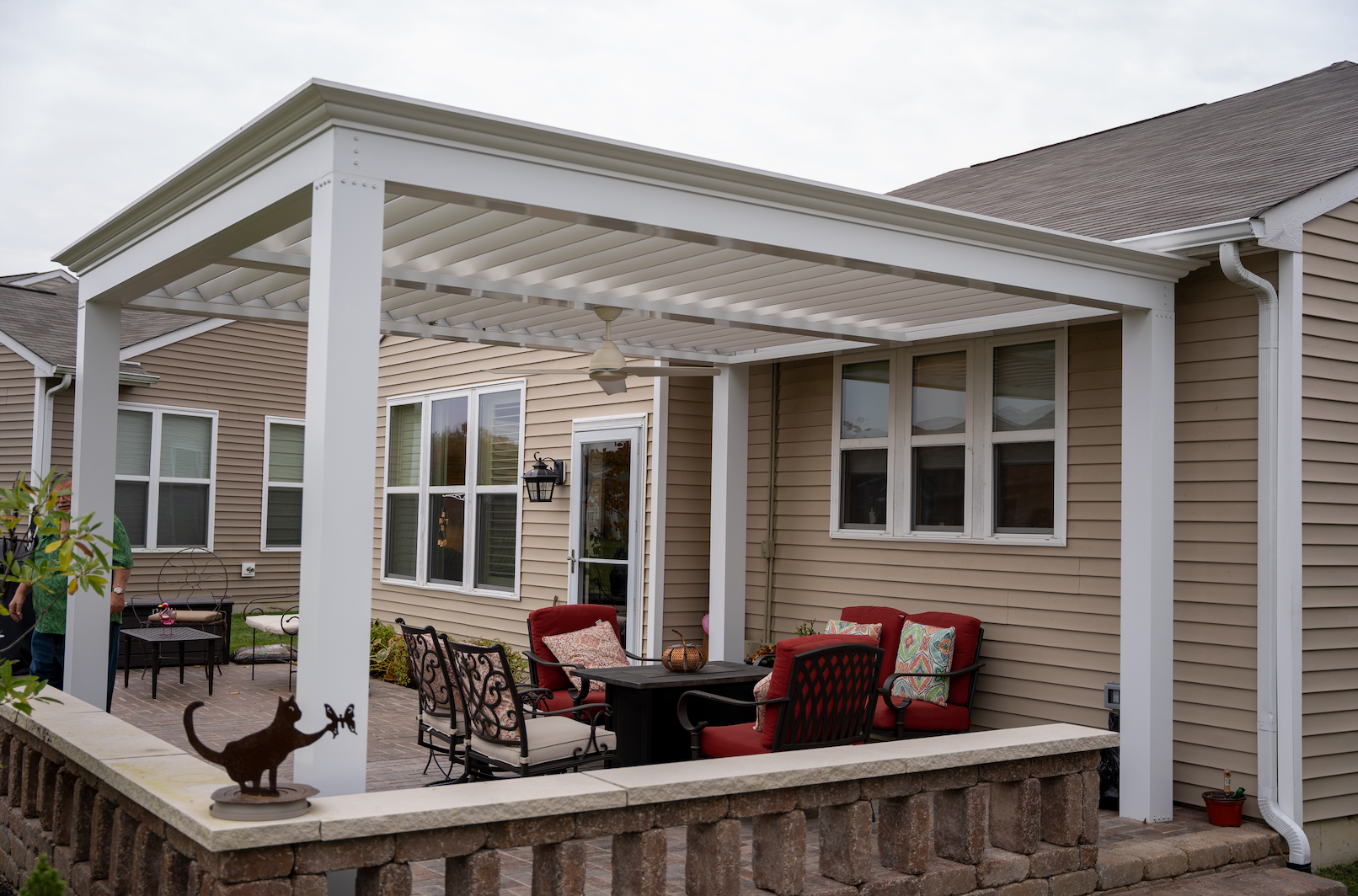
To determine whether you can put a pergola next to your house, there are several factors you need to consider. First, check your local zoning laws and building codes, as these regulations vary significantly by location. Additionally, you will need to assess your property lines, as well as the style and size of the pergola. Consulting with a professional or your local planning department can provide clarity and guidance. Here are some essential aspects to keep in mind.
Local Zoning Laws
Understanding your local zoning laws is crucial when considering the installation of a pergola.
- Zoning restrictions may limit where structures can be placed on your property.
- Some jurisdictions require setback distances from property lines or neighboring structures.
- Consult your local zoning office to obtain detailed regulations that apply to your area.
Building Codes
Building codes establish standards for construction, which you must adhere to when building a pergola.
- Check if you need a building permit for your pergola project.
- Building codes may dictate the materials and structural requirements for safety.
- Ensure your pergola complies with state and local regulations to avoid future issues.
Property Lines
Identifying your property lines is important to avoid disputes with neighbors.
- You should conduct a land survey if you are uncertain about your property boundaries.
- Be aware that structures placed too close to property lines can lead to legal issues.
- Consider informing your neighbors about your intentions to maintain cordial relationships.
Design and Size Considerations
The design and size of the pergola can affect its placement next to your house.
- The height of the pergola should not obstruct your neighbor’s light or view.
- Choosing a compatible design with your home’s architecture can enhance property aesthetics.
- Evaluate whether the size of the pergola will fit well in the intended space.
Consulting Professionals
Seeking advice from experts can simplify the process of installing a pergola next to your house.
- A landscape architect can help with design and local regulations.
- A contractor can provide insights into building codes and structural integrity.
- Engaging with a real estate agent can help assess the potential impact on property value.
Questions from Our Readers
How far from the boundary can I build a pergola?
The distance from the boundary for building a pergola typically varies by local building regulations. Generally, many jurisdictions require a minimum setback of around 1 to 3 meters from the property line, but it’s essential to check with your local council for specific rules.
Do I need a permit to build a pergola close to the boundary?
Whether you need a permit to build a pergola near the boundary depends on your local laws and the design of the pergola. In most cases, if the pergola is within the required setback distance, you may not need a permit, but it's wise to confirm with your local authority.
See also:
Can my neighbor object to my pergola if it's near the boundary?
Yes, your neighbor can raise concerns or objections if you plan to build a pergola close to the boundary. It's advisable to discuss your plans with them beforehand to promote good neighborly relations and mitigate any potential disputes.
What should I consider when building a pergola near the property line?
When building a pergola near your property line, consider factors such as local regulations, the potential impact on your neighbor's privacy, and the aesthetics of your property. Ensuring that your pergola complies with zoning laws will help avoid future disputes or legal issues.

If you want to read more articles like How Far from the Boundary Can You Build a Pergola? Essential Guidelines for Your Outdoor Space, we recommend you check out our Pergola category.
Leave a Reply
Related Articles