How Far Away from the Fence to Plant Lilly Pilly? The Ultimate Guide for Gardeners
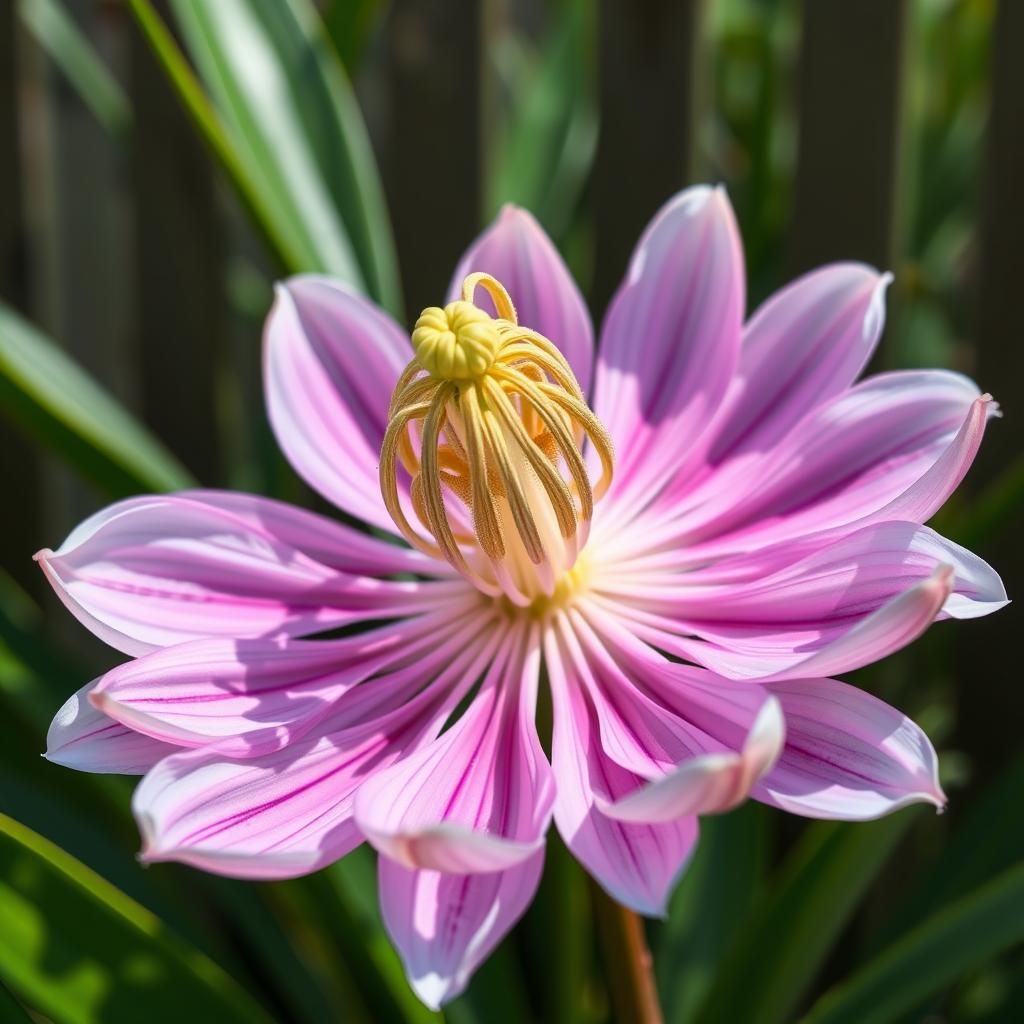
When planning to plant Lilly Pilly, one of the key considerations is the distance from your fence. This decision can impact the growth and health of your plants, as well as your garden's overall aesthetics. Understanding the optimal spacing is essential for ensuring that your Lilly Pilly thrives while respecting property boundaries and neighborly relations. In this ultimate guide for gardeners, we will explore the ideal distance to plant Lilly Pilly from a fence, taking into account factors such as growth patterns, maintenance, and local regulations. With the right information, you can create a beautiful and functional garden space.
How Far Away from the Fence to Plant Lilly Pilly?
When considering how far away from the fence to plant Lilly Pilly (Syzygium), it's essential to account for their mature size and growth habits. As a general guideline, these plants should be sited at least 1 to 2 meters (approximately 3 to 6 feet) away from the fence to allow for proper air circulation, minimize potential damage to both the plant and the fence, and facilitate easier maintenance. Additionally, this distance helps avoid any potential disputes with neighbors regarding overhanging branches or growth encroaching into their space.
Why Distance Matters for Lilly Pilly Growth
Maintaining an adequate distance from the fence is crucial for the Lilly Pilly’s overall health. If planted too close, the plant may struggle for nutrients and light, as it could be shaded by the fence. Moreover, insufficient space can lead to root competition in the soil, which may hinder growth and lead to stunted development. Establishing a proper distance encourages a healthy, robust growth pattern and allows the plant to reach its full height and spread.
Considerations for Planting Near Fences
When planting Lilly Pilly near a fence, it's important to consider the fence's material and height. If the fence is made of wood or vinyl, overhanging branches may lead to damage during routine maintenance. Conversely, a taller fence may also block sunlight, thereby affecting the health of the plant. Proper spacing allows for growth while mitigating risks associated with damage to both the fence and the plant.
Impact of Soil Type on Planting Distance
The type of soil in which the Lilly Pilly is planted can significantly impact how far away it should be from the fence. In well-drained soils, a distance of about 1 meter may suffice, allowing ample room for growth and air circulation. However, in denser or less drainable soils, increasing that distance to around 2 meters ensures that the roots have enough space to expand without being limited by the fence or other nearby structures.
Maintenance Needs and Accessibility
Accessibility for maintenance is another critical consideration. By planting the Lilly Pilly at least 1 to 2 meters from the fence, you ensure that routine tasks such as pruning, watering, and disease inspections are more manageable. If plants are too close to the fence, maintaining them can be cumbersome, thereby increasing the risk of neglect, which can lead to pests or disease infestations and reduced overall health of the plant.
Understanding Neighbor Relations
Growing Lilly Pilly close to property lines can sometimes lead to disputes with neighbors. To maintain good relations, planting at least 1 to 2 meters away from the fence not only respects their space but also reduces issues connected to overgrowth. It is beneficial to discuss planting plans with neighbors, making sure they are informed and comfortable with the species and its potential growth.
| Aspect | Recommended Distance |
|---|---|
| General Guideline | 1 to 2 meters (3 to 6 feet) |
| Well-drained Soil | 1 meter |
| Dense Soil | 2 meters |
| Accessibility for Maintenance | 1 to 2 meters |
| Neighbor Considerations | 1 to 2 meters |
How far to plant from a fence?
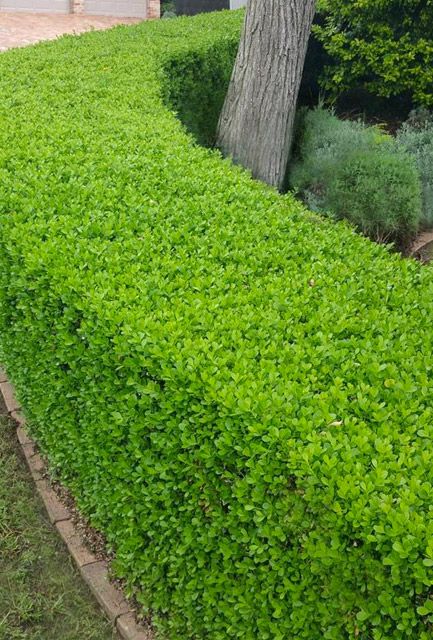
When planting near a fence, the distance can greatly depend on various factors, such as the type of plant, the height of the fence, and local regulations. Generally, a good rule of thumb is to plant at least 2 to 3 feet away from a fence for most shrubs and small trees. This distance helps prevent damage to the plants, maintains good airflow, and allows for future growth without causing obstructions or entanglements with the fence.
Factors Influencing Planting Distance
The distance from a fence can be influenced by several key factors:
- Type of Plant: Different plants have varying growth habits. Some spread wider and taller, which may require more space.
- Height of the Fence: A taller fence may necessitate planting further away to avoid shading plants that require full sun.
- Root System: Consider whether the plant has a shallow or deep root system; this can affect how close you can safely plant.
Local Zoning Regulations
Check local laws and regulations regarding the distance from property lines and structures:
- Setback Requirements: Some areas have specific rules on how far from a fence or property line plants must be.
- Neighbor Considerations: A good relationship with neighbors is crucial; consider their views and possible complaints.
- Permits: In some cases, you may need a permit for planting certain species close to a boundary.
Best Practices for Planting Near Fences
To ensure optimal growth and health of plants near fences, follow these best practices:
- Choose the Right Plants: Select species that are known to thrive in small spaces and do not require extensive room to grow.
- Plan for Growth: Consider both the current size and potential future growth when determining the plant placement.
- Maintain Regular Pruning: Keep plants well-maintained to prevent them from encroaching upon the fence and to reduce risks of damage.
Environmental Considerations
Environmental factors should also be weighed when planting near fences:
See also:
- Sunlight Exposure: Ensure that your plants will receive adequate sunlight without being obscured by the fence.
- Water Drainage: Consider how water will drain in the area. Planting too close could affect drainage and lead to root rot.
- Pest Management: Monitor for pests that might reside near the fence, as they could impact the health of nearby plants.
Accessibility and Maintenance
Accessibility plays a critical role in plant care:
- Access for Maintenance: Ensure that you can easily access plants for watering, pruning, and monitoring for pests or diseases.
- Weed Management: Planting further away makes it easier to manage weeds without disturbing other plants.
- Safety Considerations: Avoid planting too close to avoid any potential hazards, especially if your fence is made of sharp materials.
How much space is between Lilly Pilly?

The spacing between Lilly Pilly plants largely depends on the specific variety, as well as their intended purpose (e.g., hedging, screening, or ornamental use). Typically, it is advisable to plant Lilly Pilly trees 2 to 3 feet (approximately 0.6 to 0.9 meters) apart for a dense hedge. However, for individual trees meant to grow larger, a distance of 6 to 10 feet (approximately 1.8 to 3 meters) may be more appropriate. Correct spacing is crucial to ensure adequate sunlight, airflow, and nutrition for each plant, contributing to their overall health and growth.
Benefits of Proper Spacing
Proper spacing between Lilly Pilly plants offers several advantages:
- Airflow: Increased space allows for better airflow, reducing fungal diseases.
- Sunlight: Adequate spacing ensures that each plant receives sufficient sunlight for photosynthesis.
- Nutrient Access: Sufficient distance helps roots access nutrients without competition from neighboring plants.
Factors Influencing Spacing Decisions
Several factors should be taken into account when deciding on spacing between Lilly Pilly plants:
- Variety: Different varieties of Lilly Pilly can vary in size and growth habits, impacting spacing needs.
- Purpose: Whether for privacy, decoration, or as a focal point determines how closely or far apart they should be.
- Soil Quality: Nutrient-rich soils can allow plants to be closer together, while poorer soils may require more distance.
Recommended Spacing for Different Purposes
The purpose of planting affects the recommended spacing:
- Screening/Hedging: 2 to 3 feet apart for a thick barrier against noise and visibility.
- Ornamental Planting: 4 to 6 feet apart to allow individual plants to showcase their features.
- Shade Trees: 10 feet apart or more, depending on the expected growth size and canopy spread.
Impact of Overcrowding
Overcrowding Lilly Pilly plants can lead to several negative outcomes:
- Stunted Growth: Limited access to light and nutrients slows down plant growth and health.
- Increased Disease Risk: Poor air circulation can lead to higher susceptibility to diseases.
- Pest Infestation: Dense plantings can attract more pests due to concealment and ease of access.
Spacing Adjustments for Maintenance
Considerations for future maintenance may also influence initial spacing:
- Pruning: Adequate space allows for easier access for pruning and maintaining plant shape.
- Damage Control: More space can help reduce damage from wind or heavy rain on neighboring plants.
- Growth Variation: If growth habits vary, spacing adjustments may help accommodate different growth rates.
How big is the root system of a Lilly Pilly?

The root system of a Lilly Pilly (Syzygium species) can vary based on several factors such as the specific variety, age, soil type, and environment. Generally, Lilly Pillies are known to have a relatively extensive and fibrous root system that can spread both deep and wide. The roots typically extend to a depth of about 1 to 1.5 meters (3 to 5 feet) and can reach out horizontally for several meters, often exceeding the width of the tree's canopy. This root structure is beneficial for the plant’s stability and nutrient absorption.
Root Depth of Lilly Pilly
The root depth of a Lilly Pilly can significantly impact its growth and stability. Typically, the roots can grow down to 1 meter (3 feet) on average, allowing the plant to access moisture and nutrients at various soil levels. The depth depends on factors such as:
- Soil Quality: Well-drained, nutrient-rich soils encourage deeper root growth.
- Water Availability: Adequate watering can promote deeper rooting.
- Plant Age: Older trees generally have deeper root systems.
Horizontal Spread of Roots
The horizontal spread of a Lilly Pilly's roots is equally significant, often extending beyond the tree's canopy. This expansiveness serves multiple functions. The roots can stretch:
- Nutrient Absorption: Roots search for nutrients in a wider area.
- Stability: A broader root spread enhances the tree's anchorage in the ground.
- Competing Plants: Wide roots enable competition with nearby flora for resources.
Fibrous Root System Characteristics
Lilly Pillies exhibit a fibrous root system, which consists of many thin, hair-like roots. Key characteristics include:
See also:
- High Surface Area: Fibrous roots have a larger surface area for absorbing water and nutrients.
- Rapid Growth: They adapt quickly to changes in soil conditions.
- Resilience: These roots can recover from disturbances, allowing for better adaptability.
Impact of Environmental Conditions
The environmental conditions surrounding a Lilly Pilly can significantly influence its root system development. Various factors include:
- Climate: Warm, humid climates may result in faster root growth.
- Soil Type: Sandy soils could lead to different root structures compared to clay soils.
- Watering Practices: Over-watering or under-watering affects root health and distribution.
Management of Root Growth
Proper management of the Lilly Pilly's root growth is crucial for ensuring healthy development. Effective strategies include:
- Regular Pruning: Helps manage root and canopy growth.
- Soil Amendments: Adding organic matter can improve soil structure and health.
- Controlled Watering: Maintaining optimal soil moisture levels can promote healthy root systems.
How do you make Lilly Pilly grow faster?
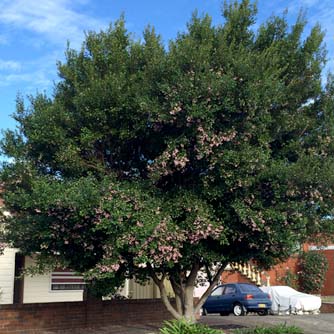
To make Lilly Pilly grow faster, several strategies can be implemented that focus on environmental aspects, care techniques, and proper nutrient management. Here are detailed approaches to enhance the growth rate of Lilly Pilly plants:
Soil Preparation
Proper soil preparation is essential for the growth of Lilly Pilly. This involves ensuring the right soil structure and nutrient levels:
- Use a well-draining soil mix, preferably loamy soil with organic matter.
- Conduct a soil test to determine pH levels and nutrient availability; Lilly Pillies prefer slightly acidic to neutral pH (6.0 to 7.0).
- Amend the soil with compost or aged manure to improve fertility and enhance moisture retention.
Watering Practices
Consistent and adequate watering is vital for the growth of Lilly Pilly. Appropriate moisture levels help establish strong root systems:
- Water regularly, especially during dry spells, ensuring the soil remains moist but not waterlogged.
- Employ a drip irrigation system to provide consistent moisture directly to the roots.
- Mulch around the base of the plants to retain moisture and suppress weeds.
Fertilization Techniques
The application of the right fertilizers contributes significantly to the growth speed of Lilly Pilly. Nutrient management is crucial:
- Use a balanced, slow-release fertilizer rich in nitrogen, phosphorus, and potassium (NPK 10-10-10) during the growing season.
- Incorporate organic fertilizers such as fish emulsion or seaweed extract for micronutrients and enhanced soil health.
- Apply fertilizer according to the package instructions, avoiding over-fertilization, which can damage the plant roots.
Sunlight Exposure
Lilly Pilly thrives in full sunlight but can also tolerate partial shade. Ensuring the right amount of light can speed up its growth:
- Plant Lilly Pilly in a location with at least 6-8 hours of direct sunlight daily to promote vigorous growth.
- If planted in a shaded area, trim surrounding vegetation to reduce competition for light.
- Monitor plant health; if growth appears stunted, consider relocating to a sunnier spot.
Pest and Disease Management
Protecting Lilly Pilly from potential pests and diseases is crucial for maintaining its vigor and growth rate:
- Regularly inspect the plant for signs of pests such as scale, aphids, or leaf spot diseases.
- Implement biological control methods or use organic pesticides when necessary to manage infestations.
- Maintain good air circulation around the plant to prevent fungal diseases and encourage healthy growth.
Questions from Our Readers
How far away from the fence should I plant Lilly Pilly?
Planting Lilly Pilly at least 1 to 2 meters away from the fence is recommended. This distance allows the plant to grow properly without causing issues with the fence structure and provides adequate space for its root system.
What factors should I consider when determining distance from the fence?
Consider the variety of Lilly Pilly, as some grow larger than others; additionally, account for the root spread and canopy size. Planting too close can lead to overcrowding and potential damage to both the plant and the fence.
Can I plant Lilly Pilly closer to the fence if I prune regularly?
While regular pruning can help maintain size, it's still best to keep Lilly Pilly at least 1 meter from the fence to ensure healthy growth and to prevent any damage to the fence over time due to potential overcrowding or root encroachment.
What is the best spacing between Lilly Pilly plants and the fence?
The best practice is to maintain a spacing of 1 to 2 meters between Lilly Pilly plants and the fence. This spacing helps create a more aesthetic appearance and allows for proper air circulation, reducing the risk of diseases.
See also:

If you want to read more articles like How Far Away from the Fence to Plant Lilly Pilly? The Ultimate Guide for Gardeners, we recommend you check out our Hedges category.
Leave a Reply
Related Articles