How Far Away from a Fence to Plant a Hedge? A Complete Guide for Gardeners
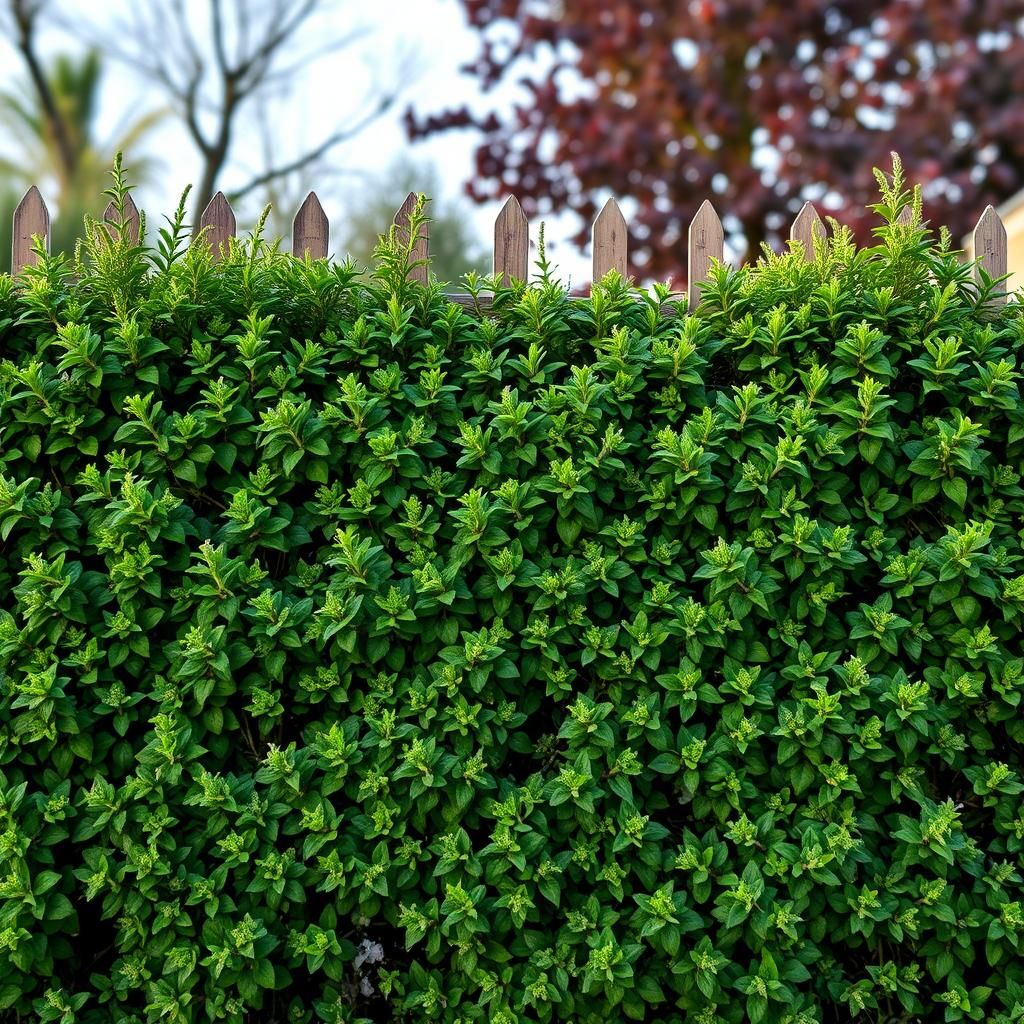
When planning a garden, the placement of hedges is a crucial consideration that can impact both aesthetics and functionality. Knowing how far away from a fence to plant a hedge is essential for fostering healthy growth, ensuring proper air circulation, and maintaining an appealing landscape. Additionally, spacing can help prevent issues related to encroachment on neighboring properties and promote a harmonious relationship with local wildlife. This complete guide will provide gardeners with the necessary guidelines, tips, and best practices to determine the optimal distance for planting hedges while enhancing their garden's beauty and practicality.
How Far Away from a Fence to Plant a Hedge?
When considering the distance to plant a hedge from a fence, it's essential to take into account several factors. Generally, it is recommended to plant hedges at least 2 to 3 feet away from the fence line. This distance allows for proper air circulation, light penetration, and gives the hedge room to grow without encroaching on your neighbor's property. Additionally, local regulations and the type of hedge being planted can influence the ideal distance. Checking with your local ordinances can help ensure compliance and maintain good relations with neighbors, as some species may require more space due to their mature size.
Factors Influencing Planting Distance
Several factors can influence the distance at which a hedge should be planted from a fence. The type of hedge, its expected height and width, and the growth rate are critical considerations. For instance, fast-growing varieties may necessitate more distance to avoid overshadowing or crowding a fence. Moreover, local climate conditions can affect the hedge's growth, which can further dictate the spacing requirements. Understanding these factors will lead to healthier hedges and better results in your landscaping.
Local Regulations and Guidelines
Before planting a hedge, it is vital to consult local regulations and guidelines regarding property lines and the minimum distance required from fences. These rules can vary significantly based on location, and adhering to them can help avoid disputes with neighbors. Some municipalities have specific laws that require hedges to be planted at least a certain number of feet away from fences to maintain visibility and access. Thus, familiarizing yourself with these guidelines ensures compliance and helps foster harmonious relationships with those nearby.
Types of Hedges and Their Characteristics
Different types of hedges exhibit varying growth characteristics, which can impact how far they should be planted from a fence. For example, dense hedges, such as Boxwood or Privet, may require more space to thrive, while lighter, more open varieties may be more forgiving. Additionally, some hedges might spread wider over time, necessitating additional distance to prevent encroachment on neighboring properties. Understanding the characteristics of the chosen hedge variety is fundamental to determining the correct planting distance.
Maintenance Considerations
Regular maintenance is crucial when planting hedges near fences. Planting too close can make it challenging to maintain both the hedge and the fence itself, leading to potential damage or obstruction. Providing adequate space allows for easier trimming, pruning, and overall care of the hedge. It also facilitates the maintenance of the fence, allowing for repairs and upkeep without impacting the hedge. Consequently, planning for maintenance is an essential reason to consider distance when planting.
Benefits of Proper Planting Distance
Planting hedges at the correct distance from a fence brings numerous benefits. It encourages healthy air circulation and light exposure, which contributes to robust growth. Additionally, maintaining an adequate distance reduces the risk of root systems causing damage to nearby fences or structures. Proper spacing also helps prevent disputes with neighbors, promoting positive relationships. This proactive approach to planting ensures that the hedge matures beautifully while respecting adjacent properties.
| Hedge Type | Recommended Distance from Fence |
|---|---|
| Boxwood | 2-3 feet |
| Privet | 3 feet |
| Laurel | 3-4 feet |
| Holly | 2-4 feet |
| Cypress | 3 feet |
How close to a fence should I plant a hedge?

To determine how close to a fence you should plant a hedge, there are several factors to consider. The general recommendation is to plant the hedge at least a few feet away from the fence line. This distance allows for adequate airflow, access for maintenance, and prevents potential disputes with neighbors regarding encroachment. Here are some detailed considerations:
1. Local Regulations and Property Lines
Before planting a hedge, it's crucial to understand your local regulations regarding landscaping and property lines. Some municipalities have specific rules that dictate how close plants can be to boundary lines. Check the following:
- Contact your local zoning office for guidelines.
- Review any homeowners' association rules if applicable.
- Have a survey done to clearly mark your property boundaries.
2. Desired Hedge Growth and Maintenance
Different types of hedges can grow to various heights and widths, which influences how close they can be to a fence. Consider these aspects:
- Assess the mature size of the specific hedge variety you intend to plant.
- Keep in mind that hedges may require pruning, which necessitates extra space.
- Allow room for the hedge’s natural growth habit to prevent overcrowding against the fence.
3. Aesthetic Considerations
The visual appeal of your landscape design can be impacted by how closely you plant your hedge to the fence. Consider the following:
- Distance can affect the overall composition of your garden space.
- Consider the view from both sides of the fence when determining spacing.
- Ensure that the hedge complements other landscaping features without obstructing them.
4. Hedging for Privacy and Noise Reduction
The main reasons people plant hedges near fences often include privacy and noise reduction. Here’s how this plays a role:
See also:
- Positioning the hedge at a adequate distance can enhance its effectiveness for privacy.
- Hedges placed too close may grow weak or unevenly, reducing efficacy.
- Planting them further away might allow for additional leafy density, increasing sound dampening.
5. Consideration of Neighboring Plants and Structures
When deciding where to plant your hedge, consider the existing plants and structures around your fence:
- Evaluate any neighboring plants that might compete for sunlight and water.
- Take into account nearby structures that may cast shadows on the hedge.
- Discuss with neighbors about their preferences and possible future landscaping plans.
How close to my boundary can I plant a hedge?

To determine how close to your boundary you can plant a hedge, it's essential to consider both legal regulations and neighborly relations. The rules can vary significantly depending on your location and local laws, so it's advisable to check with your local council or an agricultural office. However, common practices generally allow for certain distances from property lines.
In many areas, homeowners are encouraged to plant hedges at least 2 feet away from the boundary to avoid encroachments and disputes with neighbors. However, if you have specific privacy or aesthetic needs, you might want to plant them closer, as long as it complies with local regulations. Some places may have limits on the height of hedges, especially if they are near a boundary, to avoid obstructing views or light.
Local Regulations
It's crucial to familiarize yourself with the local regulations regarding hedge planting. Different regions can have different rules based on zoning laws.
- Check with your local council for specific distance requirements.
- Understand any restrictions on height or type of hedge permitted.
- Consult your neighborhood association if applicable, as there might be additional rules.
Nuisance Laws
If a hedge grows too close to a boundary and causes issues, you could be at risk of violating nuisance laws.
- A neighbor may claim the hedge blocks light or views.
- If the hedge causes damage to neighboring properties, you might be liable.
- Understand that lengthy disputes could lead to legal action if not managed carefully.
Neighbor Relations
Maintaining a good relationship with your neighbors is essential when planting hedges.
- Discuss your plans with them to avoid any future disputes.
- Consider planting a hedge that grows slowly if you're close to the boundary.
- Invite neighbors to participate in the decision process to foster goodwill.
Hedge Types
Different types of hedges may have different spacing requirements based on their growth patterns and characteristics.
- Fast-growing hedges may necessitate more space to manage height and spread.
- Deciduous vs. evergreen: certain types might have different impacts on sunlight and privacy.
- Assess the final height and width of the hedge to inform how close you can plant.
Maintenance Considerations
Think about the maintenance of the hedge as part of your boundary planting strategy.
- You may need space to prune and trim without encroaching on your neighbor's property.
- Ensure easy access for upkeep; this could influence how close you plant.
- Regular maintenance can reduce conflicts and keep the hedge healthy.
How close to a fence can I plant a laurel hedge?
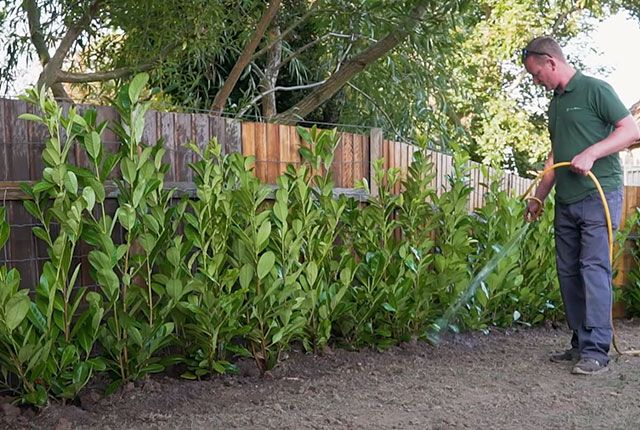
When planting a laurel hedge near a fence, it's essential to consider several factors to ensure the health of the plant and adherence to local regulations. Generally, a distance of at least 2 feet (60 cm) from the fence line is advisable. This distance helps avoid potential disputes with neighbors regarding overgrowth and allows sufficient space for the hedge to establish itself without obstruction.
Factors to Consider When Planting a Laurel Hedge
The following factors are crucial when determining how close to a fence you can plant a laurel hedge:
- Growth Habits: Laurel hedges can grow quite tall and wide if left unchecked. Understanding their growth patterns can help in making an informed planting distance.
- Local Regulations: Local laws and regulations regarding planting distances from property boundaries should be considered to avoid legal issues.
- Soil and Moisture: Ensure the soil condition is suitable for a laurel hedge. Proper drainage and moisture levels affect how close you can plant to a fence.
Types of Laurel Hedges
Understanding the different types of laurel that can be used for hedging purposes is essential:
See also:
- Cherry Laurel (Prunus laurocerasus): This is the most common type, known for its glossy leaves and fast growth. It can be quite dense.
- Portuguese Laurel (Prunus lusitanica): This type is more tolerant of pruning and can be kept smaller, allowing for closer planting.
- Bay Laurel (Laurus nobilis): Known for its culinary use, this type requires more care in terms of shape and size, which might affect planting decisions.
Maintenance Considerations
Regular maintenance is vital for the health of your laurel hedge:
- Pruning: Regular pruning helps maintain the desired shape and size, allowing you to manage how close to the fence the hedge can grow.
- Watering: Adequate watering practices ensure the plant can thrive without conflict from the fence or surrounding plants.
- Pest Control: Monitor for pests, as they can spread to neighboring properties if the hedge is too close to a fence.
Effects on Neighboring Properties
Planting too close to a fence can have repercussions for neighboring properties:
- Light Blockage: Laurels can grow dense and may block sunlight from neighboring gardens, leading to disputes.
- Root Expansion: Roots can extend close to fences, potentially damaging them or disrupting nearby plants.
- Height Restrictions: Some areas have rules about hedge height next to boundaries; be sure to check local regulations.
Benefits of Proper Spacing
Maintaining distance from the fence when planting a laurel hedge offers multiple benefits:
- Ease of Maintenance: Adequate space makes it easier to prune and care for the hedge without interfering with the fence.
- Aesthetics: A well-placed hedge improves the visual appeal of both your garden and your neighbor's.
- Healthier Growth: Proper spacing allows for better air circulation and sunlight, promoting healthier plants overall.
What is the best hedge to grow against a fence?
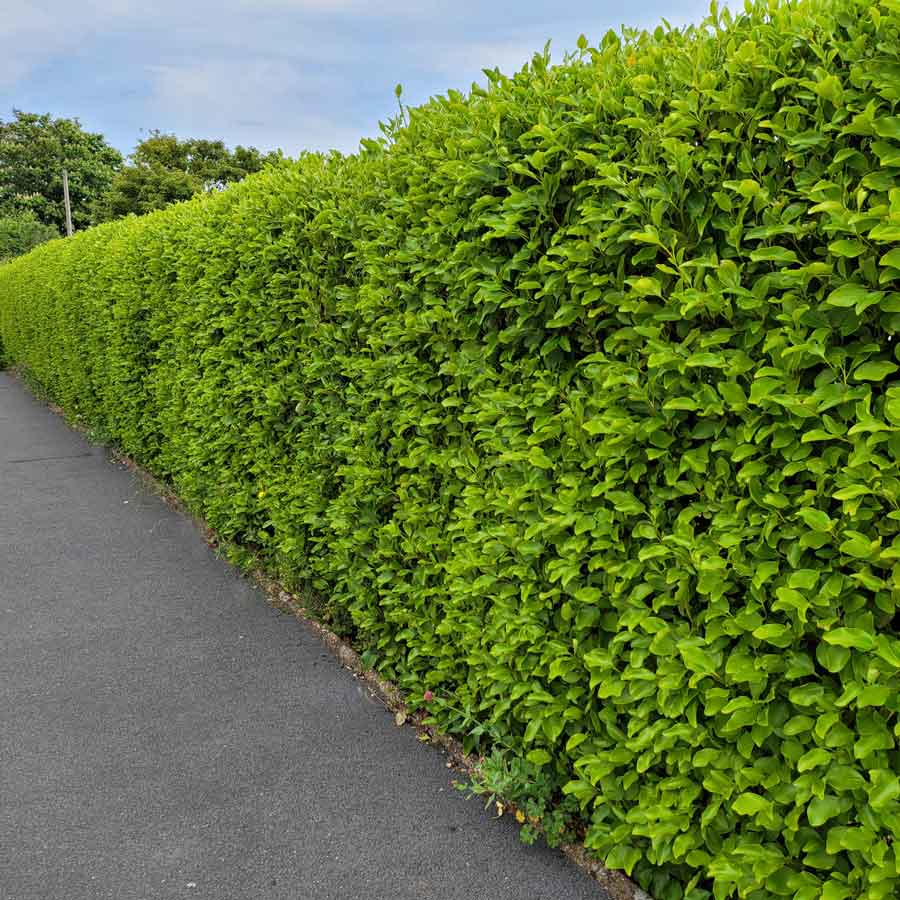
The best hedge to grow against a fence depends on various factors such as climate, soil conditions, and the intended use of the hedge. Commonly recommended hedge plants provide aesthetics, privacy, and noise reduction. Here are some of the best options:
1. Leylandii (Cupressocyparis leylandii)
Leylandii is a rapidly growing conifer that can reach heights of up to 15-20 meters. It is known for its dense foliage, making it an excellent option for privacy and windbreaks.
- Fast Growth: Leylandii can grow up to 90 centimeters per year under optimal conditions.
- Privacy: Its thick growth provides an excellent natural screen.
- Low Maintenance: Requires minimal care beyond regular trimming to maintain shape.
2. Boxwood (Buxus spp.)
Boxwood is a traditional choice for formal hedges, prized for its ability to be shaped and pruned. This evergreen plant can grow well in various soil types and is suitable for both sunny and shaded areas.
- Versatility: Can be shaped into formal or informal designs.
- Evergreen: Retains foliage year-round, providing consistent coverage.
- Pest Resistant: Generally free from serious pests or diseases.
3. Privet (Ligustrum spp.)
Privet is a hardy shrub that thrives even in poor soil conditions. It's often used for creating tall hedges quickly and can be kept well-trimmed for formal gardens.
- Fast Establishment: Grows quickly to form a dense barrier within a few years.
- Durability: Tolerant of pruning and can be shaped as desired.
- Wildlife Friendly: Attracts pollinators and birds.
4. Bamboo (Bambusoideae)
Bamboo is an unconventional yet increasingly popular choice for hedges due to its rapid growth and exotic appearance. However, it's crucial to select clumping varieties that do not spread uncontrollably.
- Height: Some varieties can reach over 3 meters, providing significant privacy.
- Fast growth: Can grow up to 60 centimeters per day in optimal conditions.
- Unique Aesthetic: Offers a distinct, tropical look to gardens.
5. Yew (Taxus baccata)
Yew is a slow-growing evergreen shrub that can live for centuries. It is often used in formal gardens due to its ability to be pruned into various shapes.
- Longevity: Extremely long-lived, providing a lasting hedge solution.
- Shade Tolerant: Can thrive in full sun or partial shade.
- Dense Foliage: Creates an effective noise and visual barrier.
Questions from Our Readers
How far away from a fence should I plant a hedge?
To ensure proper growth and health of the hedge, it’s generally recommended to plant it at least 2 to 3 feet away from the fence. This distance allows for adequate air circulation, sunlight, and access for maintenance, while also preventing potential damage to both the hedge and the fence.
Can I plant a hedge directly next to a fence?
While it is possible to plant a hedge directly next to a fence, it is not advisable as it can lead to issues such as root damage to the fence and restricted growth for the hedge. It’s best to maintain a safe distance to promote healthy plants and protect your property’s boundaries.
What factors affect the distance for planting a hedge from a fence?
Several factors can affect the recommended distance for planting a hedge from a fence, including the type of hedge, its potential height and width, and your specific local regulations or property lines. When choosing a distance, consider these factors to ensure the hedge thrives without infringing on your neighbor's property or violating any local laws.
See also:
Are there specific types of hedges that require more space from a fence?
Yes, some types of hedges, particularly those that grow tall or wide, such as laurel or holly, require more space from a fence—typically around 3 to 5 feet. These types of hedges need ample room to grow without causing obstruction or damage to neighboring structures or properties.

If you want to read more articles like How Far Away from a Fence to Plant a Hedge? A Complete Guide for Gardeners, we recommend you check out our Hedges category.
Leave a Reply
Related Articles