How Do You Stabilize a Freestanding Trellis? Essential Tips and Techniques for Garden Success
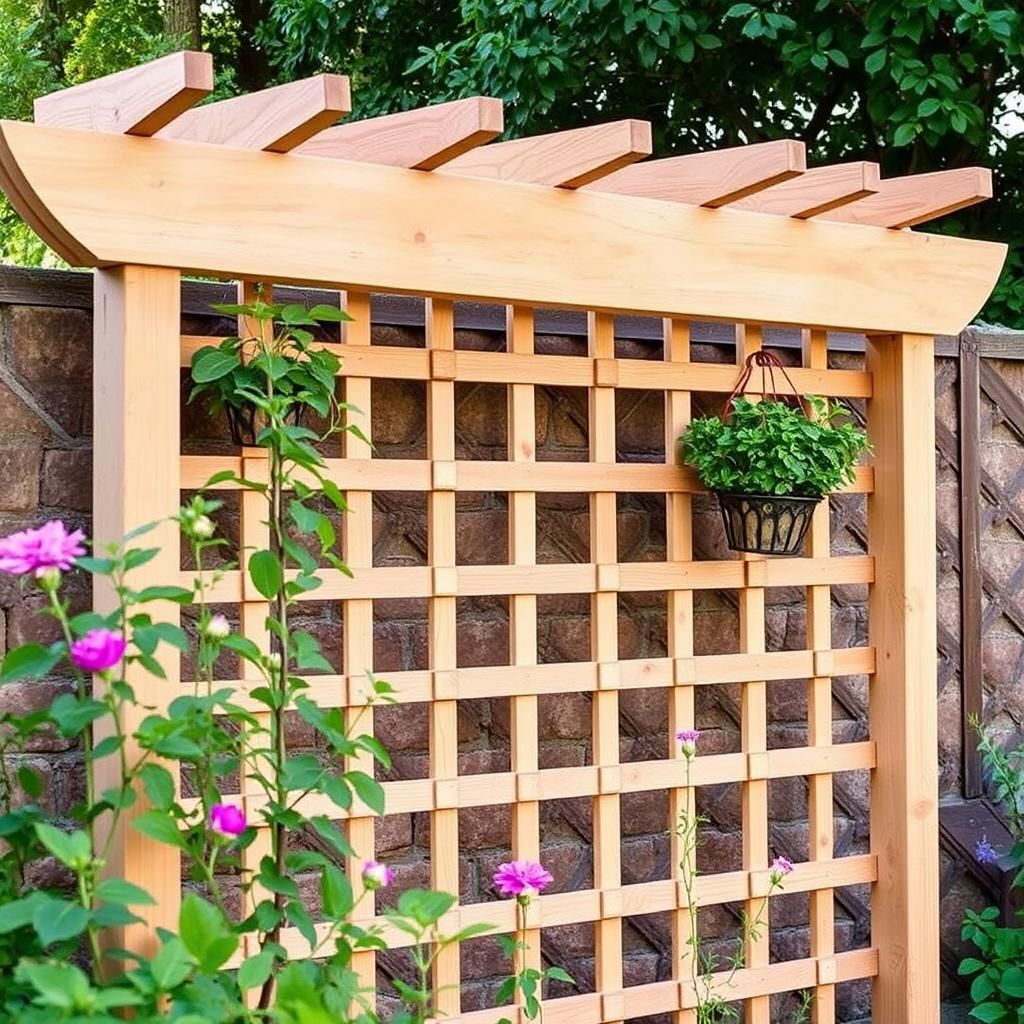
A freestanding trellis can be a beautiful and functional addition to any garden, providing support for climbing plants and enhancing visual appeal. However, ensuring that your trellis remains stable is crucial for the health of your plants and the longevity of the structure itself. In this article, we will explore essential tips and techniques for stabilizing a freestanding trellis, helping you create a robust support system for your garden. Whether you’re a seasoned gardener or a novice, these strategies will empower you to achieve success and enjoy a flourishing garden that stands the test of time.
How to Stabilize a Freestanding Trellis
To stabilize a freestanding trellis, it is essential to consider factors such as the materials used, the design of the structure, and external factors like wind exposure. One effective method is to anchor the base of the trellis by using stakes or screws, which can be driven into the ground for added stability. Additionally, using cross-bracing can improve rigidity and resistance to lateral forces. Ensure that the trellis is built from sturdy materials, such as treated lumber or metal, and consider using weight at the base, such as potted plants or heavy stones, to prevent toppling. Regular maintenance checks should be conducted to ensure that the structure remains secure over time.
Choosing the Right Materials
Selecting the appropriate materials is crucial for the durability and stability of a freestanding trellis. Wood options like cedar or redwood are naturally durable and resistant to decay, but they may require periodic treatment. Metal trellises offer greater longevity and strength but can be heavier and may require additional support. Furthermore, using a composite material can offer the benefits of both wood and metal while requiring less maintenance. Ultimately, the choice of materials affects not only the aesthetic appeal but also the structural integrity of the trellis.
Design and Structure Considerations
The design of a freestanding trellis plays a significant role in its stability. A wider base provides a lower center of gravity, reducing the likelihood of tipping. Incorporating features like cross-bracing can significantly enhance stability by distributing forces more evenly. It is also beneficial to consider the height of the trellis; taller structures might require additional stabilization features to withstand strong winds. A well-thought-out design will not only be visually appealing but also functional and robust against the elements.
Securing the Base
Securing the base of the trellis is one of the most effective ways to ensure stability. This can be achieved by using stakes that are driven deep into the ground, preventing movement from wind or heavy plant loads. Alternatively, securing the base with screws or brackets can also provide additional support. Using weight in the form of potted plants or decorative stones can further anchor the trellis, especially in mobile designs. By firmly anchoring the base, the overall stability of the structure is significantly enhanced.
See also: Can a Trellis Be Free Standing? Exploring the Benefits and Design Ideas
Environmental Factors
Environmental factors, including wind and precipitation, can greatly affect the stability of a freestanding trellis. When placed in an area prone to high winds, it's essential to position the trellis away from open areas where wind can easily catch the top. Additionally, ensuring proper drainage around the base prevents excess moisture from eroding the ground that holds the trellis. Understanding the specific conditions of your location can help in planning and stabilizing the trellis more effectively.
Maintenance and Checkups
Regular maintenance and checkups are vital to ensure the long-term stability of a freestanding trellis. Inspecting for any signs of wear or damage, particularly after severe weather, will help identify potential issues before they escalate. It is advisable to check the anchors and supports to ensure they remain secure and replace any compromised materials. Additionally, keeping the area surrounding the trellis free from debris will aid in maintaining its stability. By committing to routine checkups, the lifespan and functionality of the trellis can be significantly extended.
| Factor | Impact on Stability |
|---|---|
| Materials | Durability and resistance to elements |
| Design | Height and base width influence balance |
| Securing | Anchors prevent toppling |
| Environmental | Weather impacts structural integrity |
| Maintenance | Regular checks support longevity |
Key Considerations for Choosing the Right Location for Your Trellis
Finding the optimal location for your freestanding trellis is crucial for its stability and the success of your plants. Look for a spot that receives adequate sunlight, as most climbing plants thrive in bright conditions. Ensure the ground is level and firm to prevent leaning or toppling during wind or rain. Consider any nearby structures that might cast shadows, as well as potential obstructions that could hinder your plants’ growth. Additionally, evaluate drainage conditions to avoid water accumulation at the base, which can weaken the foundation. It’s also vital to position your trellis away from high traffic areas, reducing the risk of accidental bumps.
Use of Ground Anchors for Added Stability
Utilizing ground anchors can significantly enhance the stability of your freestanding trellis. These anchors are typically made of metal or plastic and are driven deep into the soil to provide a secure hold. By attaching your trellis to these anchors, you can prevent shifting and wobbling during strong winds. The choice of anchor will depend on the type of soil and the overall height of your trellis to ensure it can withstand environmental stresses.
Selecting the Right Materials for Your Trellis
The materials you choose for constructing your trellis play a substantial role in its stability and durability. Options include wood, which offers a natural look but may rot over time unless treated, or metal, which provides greater strength and weather resistance. Additionally, vinyl trellises are becoming popular due to their low maintenance needs. Always opt for sturdier materials when selecting a design that should endure the weight of climbing plants and exposure to outdoors elements.
See also:
Designing for Wind Resistance
When designing your freestanding trellis, consider the aerodynamics of its structure. A trellis that has a wide surface area can catch the wind, increasing the likelihood of tipping over. To combat this, design your trellis with a slimmer profile or ensure that it has some form of weight distribution at the base. Adding features such as cross-bracing can further reinforce the trellis’s overall design, helping it withstand strong gusts without compromising the growth of your plants.
Importance of Regular Maintenance
Regular maintenance is essential in ensuring the long-term stability of your freestanding trellis. Check for any signs of wear and tear, including rust on metal parts or rot on wooden components. Additionally, inspect the anchors regularly to ensure they remain secure in the ground. Maintain the plants by ensuring they are not overly heavy for the trellis and prune them as necessary to prevent excess load on the structure. These routine checks contribute significantly to sustaining the integrity and functionality of your trellis over time.
Choosing the Right Climbing Plants
Selecting appropriate climbing plants not only enhances the aesthetics of your garden but also plays a crucial role in stabilizing your trellis. Opt for plants that have a moderate growth rate and are not overly heavy, as some species can exert excessive weight on the structure. Additionally, consider the root system; plants with strong, deep roots can help anchor the trellis naturally. Ensure the chosen plants are well-suited for your climate and available sunlight, as this will support their health and the overall success of your garden setup.
Questions from Our Readers
What materials are best for stabilizing a freestanding trellis?
To stabilize a freestanding trellis, it is recommended to use durable materials such as wood, metal, or PVC for the structure, paired with concrete anchors or heavy stones at the base to provide stability against wind and weather elements.
How deep should I bury the base of the trellis for stability?
For optimal stability, the base of the trellis should be buried at least one-third of its height in the ground, allowing for a deeper installation that can effectively resist tipping and provide a sturdy foundation.
See also:
Can I use guy wires to enhance the stability of my trellis?
Yes, utilizing guy wires attached to the trellis and anchored in the ground can significantly improve its stability, especially in windy areas, by distributing forces and preventing the trellis from swaying or falling over.
What types of plants can I grow on a stabilizing trellis?
A stabilizing trellis is ideal for a variety of climbing plants such as vines, roses, or beans, which not only benefit from the vertical support but also add aesthetic appeal and contribute to a more stable structure as they grow.
If you want to read more articles like How Do You Stabilize a Freestanding Trellis? Essential Tips and Techniques for Garden Success, we recommend you check out our Trellis category.
Leave a Reply
Related Articles