How Do You Know When Pumpkins Are Ready to Harvest? Essential Tips for the Perfect Pumpkin Picking

As autumn approaches, the vibrant hues of pumpkins signal the season of harvest is upon us. Knowing when to harvest pumpkins is essential for ensuring optimal flavor and texture. The perfect timing can make all the difference between a delicious addition to your fall recipes and a disappointing crop. This article will explore key indicators that reveal when pumpkins are ripe for picking, alongside practical tips to help you choose the best specimens from the patch. Whether you're a seasoned gardener or a first-time pumpkin enthusiast, these insights will prepare you for a successful and satisfying harvest.
How to Determine When Pumpkins are Ready to Harvest
Determining when pumpkins are ready to harvest involves several key indicators. First, you should look for a change in color; pumpkins typically turn a deep orange, but this can vary depending on the variety. Additionally, check the skin’s toughness; ripe pumpkins will have a hard shell that resists your fingernail when pressed. The stem will also turn brown and dry out, indicating it's time to harvest. Lastly, if the leaves of the pumpkin plant start to wilt or die back, it often signals that the fruit has reached maturity and should be picked soon to prevent decay.
Color Change
The most noticeable sign of a pumpkin's readiness is its color. As pumpkins ripen, they transition to a deep orange hue, though some varieties may remain yellow or green when ripe. It's essential to recognize the typical color associated with your specific pumpkin variety. A fully colored pumpkin indicates that it has absorbed maximum nutrients and is ready for harvesting.
Skin Texture
The skin texture of the pumpkin is another vital factor to assess. A ripe pumpkin will have a hard exterior that feels firm to the touch. If you can easily puncture the skin with your fingernail, the pumpkin likely needs more time to grow. This tough skin is crucial for protecting the fruit and prolonging its shelf life after harvest.
Stem Condition
The condition of the stem is a clear indicator of a pumpkin’s maturity. A ripe pumpkin will have a brown and dry stem, contrasting with the green, pliable stem of an unripe pumpkin. If the stem starts to wither or shrivel, it suggests that the pumpkin is ready for harvesting and should be picked soon to prevent decomposition.
Plant Health
Observing the overall health of the plant can provide clues about the ripeness of the pumpkins. When the leaves begin to wilt or die back, it is usually a sign that the pumpkin is maturing and needs to be harvested quickly. This decay can spread to the fruit if not addressed promptly, making it essential to keep an eye on plant health as the harvesting period approaches.
Time Frame
Timing is crucial when it comes to harvesting pumpkins. Generally, pumpkins take about 90 to 120 days to mature after sowing. Keeping track of the days since planting can help you anticipate when they will be ready. If you are unsure, refer to the specific variety’s growth timeline for better accuracy, ensuring that you harvest at the optimal time.
| Indicator | Signs of Ripeness |
|---|---|
| Color Change | Deep orange hue (varies by variety) |
| Skin Texture | Hard and firm exterior |
| Stem Condition | Brown and dry stem |
| Plant Health | Wilting or dying back leaves |
| Time Frame | 90 to 120 days after sowing |
How do you know when a pumpkin is ready to be picked?
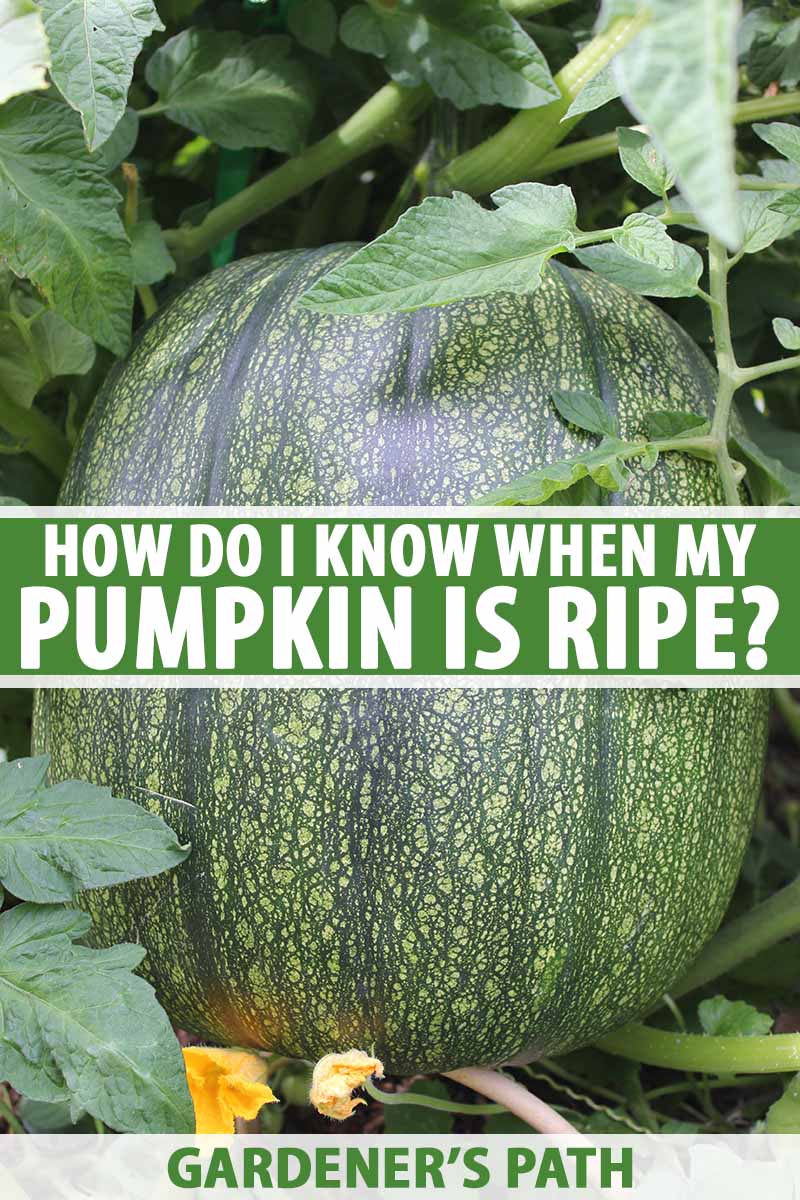
To determine when a pumpkin is ready to be picked, several key indicators can help ensure that you harvest at the right time. Understanding these signs not only impacts the flavor and texture of the pumpkin but also affects its ability to store well. Below are essential factors to consider when deciding if your pumpkin is ripe for picking.
Color
The color of the pumpkin is one of the most noticeable indicators of its ripeness. A pumpkin that is ready for harvest typically has a vibrant orange color, although some varieties may be yellow or green when mature. Each pumpkin type will present its characteristic color when ripe.
- Uniform Color: Ensure that the entire surface of the pumpkin displays consistent color.
- Deep Color: The pumpkin's hue should be vivid and bright, indicating that it has matured properly.
- Variety Consideration: Different varieties have different color expectations, so identify the specific type you are growing.
Skin Texture
The skin texture of the pumpkin becomes a crucial factor when evaluating its maturity. As pumpkins ripen, their skins harden and become less susceptible to damage.
- Hardness: A ripe pumpkin will have a tough outer skin that resists puncture when pressed with a fingernail.
- Waxy Coating: A slight waxy finish develops on the skin, which helps in moisture retention.
- Scratch Test: Conduct a light scratch test; if the skin does not scratch easily, it's often a sign of ripeness.
Stems
The condition of the stems also indicates pumpkin readiness. Observing the stem can provide key information on the pumpkin’s overall health and maturity.
- Shriveling: A mature pumpkin's stem will begin to shrivel and dry out as the fruit approaches harvest time.
- Color Change: The stem color may change to a brownish hue, suggesting that the pumpkin has stopped growing.
- Thickness: A thicker, sturdier stem indicates a well-developed pumpkin that is ready for picking.
Size and Shape
Evaluating the size and shape is essential for knowing when to harvest pumpkins. Different varieties have specific size ranges; thus, recognizing your pumpkin’s expected size is vital.
- Varietal Standards: Research the average size for the specific pumpkin variety you are growing.
- Symmetrical Appearance: A ripe pumpkin should be uniformly shaped, without any irregularities.
- Weight: A mature pumpkin will feel heavy for its size, indicating that it is full of pulp and seeds.
Time to Maturity
Each pumpkin variety has a specific time to maturity, which is typically listed on seed packets or plant labels. Knowing when to expect your pumpkins to be ready is critical for timing the harvest correctly.
See also:
- Days to Maturity: Most pumpkin types require about 75 to 100 days from planting to reach maturity.
- Seasonal Timing: Harvest pumpkins before any frost, which can damage them and reduce their storage life.
- Development Stage: Observe the general development of the plants and gauge maturity based on your growing conditions.
Can you leave pumpkins on the vine too long?

It is indeed possible to leave pumpkins on the vine for too long, and doing so can lead to various consequences for the fruit’s quality, health, and overall yield. When pumpkins remain on the vine past their optimal harvest time, several factors come into play, potentially affecting the fruit in negative ways.
Risks of Overripening Pumpkins
When pumpkins are left on the vine for an extended period, they may become overripe. This can lead to several issues:
- Decreased Flavor: Overripe pumpkins can develop an overly sweet or mushy texture, detracting from their taste.
- Disease Susceptibility: Extended exposure on the vine increases the risk of diseases and pests, which can damage the pumpkin.
- Physical Damage: Pumpkins left too long are more prone to cracking, splitting, or bruising due to the weight and environmental factors.
Optimal Harvest Time for Pumpkins
To achieve the best results, it is essential to know the optimal harvest time for pumpkins. Generally, pumpkins are ready for harvest when their rind is hard, and they have turned a vibrant orange color.
- Firmness: The skin should be tough when pressed with a fingernail.
- Color: A deep orange color indicates ripeness, while a pale color suggests more time on the vine.
- Vine Health: The stem should begin to dry out and turn brown, signaling that it's time to harvest.
Impact of Weather on Harvesting
Weather can significantly impact the decision to leave pumpkins on the vine. Prolonged exposure to unfavorable conditions can affect the pumpkin's viability.
- Frost Risks: Early frost can damage pumpkins left on the vine, potentially ruining them.
- Excess Rain: Heavy rain can lead to rot and fungal diseases if pumpkins are left on the vine too long.
- Heat Stress: High temperatures can cause pumpkins to become overly ripe or sunburned.
Signs That Pumpkins Are Overripe
Identifying the signs of overripeness can help prevent harvesting issues. Recognizing these signs can help growers make informed decisions.
- Soft Spots: Presence of soft or mushy areas are indicators that the fruit is past its prime.
- Cracks or Splits: Physical damage that suggests the pumpkin cannot withstand further growth.
- Decreased Color Vibrancy: A fading orange color implies overripeness and deterioration.
Storage Considerations for Overripe Pumpkins
Once pumpkins have been harvested, particularly if they are overripe, proper storage becomes crucial for maintaining quality.
- Cool Environment: Store pumpkins in a cool, dry place to prolong their shelf life.
- Avoid Moisture: Ensure that pumpkins do not come into contact with moisture, which can accelerate decay.
- Regular Inspection: Regularly check stored pumpkins for any signs of decay to prevent spoilage of nearby fruits.
When should pumpkins be ready?

When it comes to determining when pumpkins should be ready for harvest, several factors play a critical role. Pumpkins generally require a growing season of about 90 to 120 days, depending on the variety. To ensure that they are ready, it's essential to monitor their physical characteristics and environmental conditions.
Typically, pumpkins are ready when they have reached a deep orange color, their skin is hard, and the stems are dry and brown. It is also advisable to check the size of the pumpkin, ensuring it has reached the expected dimensions for its particular variety.
Signs of Ripeness
To effectively determine if a pumpkin is ripe, look for the following signs:
- Color: The pumpkin should display a rich, vibrant orange color. Some varieties may have different colors, but they should appear uniformly colored.
- Skin Texture: A ripe pumpkin will have a hard skin that resists punctures. If you can easily poke your fingernail into the skin, it is not ready for harvest.
- Stem Condition: The stem should be brown and dry. A green stem indicates the pumpkin has not fully matured.
Optimal Time for Harvesting
The optimal time for pumpkin harvesting is typically during the fall months. Consider these points:
- Frost Risk: Pumpkins are sensitive to frost. It's best to harvest them before the first frost occurs, usually in late September or October.
- Days to Maturity: Check the seed packet for the specific variety's days to maturity, usually between 90 and 120 days after planting.
- Weather Conditions: Harvest on a dry day, as wet conditions can impact the quality of the pumpkin.
Varieties of Pumpkins and Their Maturity
Different pumpkin varieties have unique growing times and characteristics. Here are some examples:
See also:
- Jack-O'-Lantern: Typically matures in about 90 to 100 days, perfect for carving during Halloween.
- Sugar Pumpkins: These take around 100 to 110 days and are sought after for pies due to their sweet flavor.
- Giant Pumpkins: These can take longer, often maturing in 120 days or more, growing to impressive sizes.
Post-Harvest Care
Once harvested, pumpkins require specific care to ensure they last. Keep in mind:
- Cleaning: Wipe the surface with a damp cloth to remove dirt and debris.
- Storage Conditions: Store in a cool, dry place to prolong shelf life. A temperature around 50-60°F is ideal.
- Avoiding Damage: Handle them carefully to avoid bruises or cuts, which can lead to rot.
Common Mistakes When Harvesting Pumpkins
Many growers make common mistakes that can affect the ripeness of their pumpkins. Consider avoiding:
- Ignoring Color Changes: Waiting too long for the color to change can lead to over-ripening.
- Harvesting Too Early: Picking pumpkins before they are fully mature can affect their flavor and storage longevity.
- Not Monitoring Weather: Failing to check the weather can lead to harvesting too late, risking frost damage.
When to pick Jack O'Lantern pumpkins?
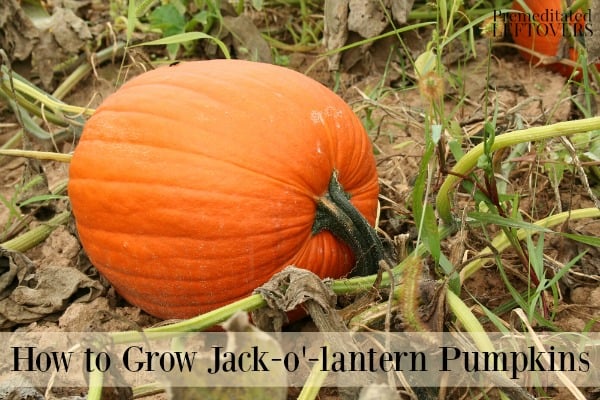
The optimal time to pick Jack O'Lantern pumpkins is generally in the late summer to early fall, specifically from late September to mid-October. The exact timing can vary depending on the specific variety of pumpkin and the climatic conditions of the growing season. The pumpkins are ready for harvest when their skin turns a deep, vibrant orange, and they have developed a hard rind.
To ensure that your pumpkins are ready for decorating, consider the following indicators:
1. Color: The pumpkins should exhibit a rich orange hue.
2. Rind texture: The outer skin should feel firm and hard to the touch.
3. Stem condition: The stem should be dry and brown, indicating maturity.
Optimal Harvest Time
The optimal harvest time for Jack O'Lantern pumpkins is crucial for achieving the best results. Harvesting too early can lead to immature pumpkins that do not hold up well for carving. The best time to check for readiness is usually between 90 to 120 days after planting, depending on the variety.
- Monitor seed packets for the specific growing time.
- Wait until the vines start to die back.
- Check the pumpkin's firmness and color regularly.
Indicators of Ripeness
Several indicators can help you determine if your pumpkins are ripe for picking. One of the most significant signs is the color of the pumpkin. As it turns a solid orange, it indicates that it is nearing maturity.
- Test the firmness by pressing your fingernail into the skin—if it resists, it's ripe.
- Look for a dark green or brown stem; a green stem often means the pumpkin is not yet fully mature.
- Check for consistent color across the surface of the pumpkin.
Environmental Factors
The growing conditions play an important role in when to pick Jack O'Lantern pumpkins. Factors such as temperature, rainfall, and sunshine can affect the ripening process. For instance, extended periods of rain can lead to rot if picked too late.
- Ensure the pumpkins get full sunlight during the day.
- Be mindful of excessive rain, which can make pumpkins rot.
- Consider local climate trends that may affect ripening times.
Harvesting Techniques
Using proper harvesting techniques is essential to ensure the longevity of your Jack O'Lantern pumpkins. When picking, avoid yanking or pulling, as this can damage the fruit or the vine. Instead, use a sharp knife or pruning shears.
- Cut the pumpkin stem with a sharp knife, leaving 2-4 inches of stem attached.
- Avoid carrying pumpkins by the stem to prevent damage.
- Handle the pumpkins gently to avoid bruising.
Post-Harvest Care
Once harvested, providing proper care for your Jack O'Lantern pumpkins is vital for maintaining their quality. Store them in a cool, dry place away from direct sunlight to extend their shelf life.
- Keep them off of the ground to prevent rot—use racks or boxes.
- Check them regularly for signs of decay.
- Consider applying a wax coating for added protection against the elements.
Questions from Our Readers
How can I tell if my pumpkins are ripe?
To determine if your pumpkins are ripe, check for a deep, uniform color and ensure the skin feels hard to the touch. Additionally, inspect the stem; it should be dry and brown, indicating that the pumpkin has matured properly.
What color should pumpkins be when they're ready to harvest?
Ready-to-harvest pumpkins generally display a vibrant orange color, although some varieties may be yellow or green. Regardless of the color, the pumpkin should appear consistent and full, without any green spots.
Should I wait for the frost before harvesting my pumpkins?
It's best to harvest pumpkins before the first frost as cold temperatures can damage them, leading to rot. Ideally, you should harvest when they are ripe, ideally 2-3 weeks before the expected frost date.
See also:
How can I tell if a pumpkin is overripe?
An overripe pumpkin may show signs of soft spots, wrinkles, or a dull color. Additionally, if the stem is extremely dry or begins to shrink, it's a sign that the pumpkin has gone past its peak.

If you want to read more articles like How Do You Know When Pumpkins Are Ready to Harvest? Essential Tips for the Perfect Pumpkin Picking, we recommend you check out our Seeds category.
Leave a Reply
Related Articles