How Do You Keep a Small Greenhouse Warm at Night? Essential Tips and Techniques
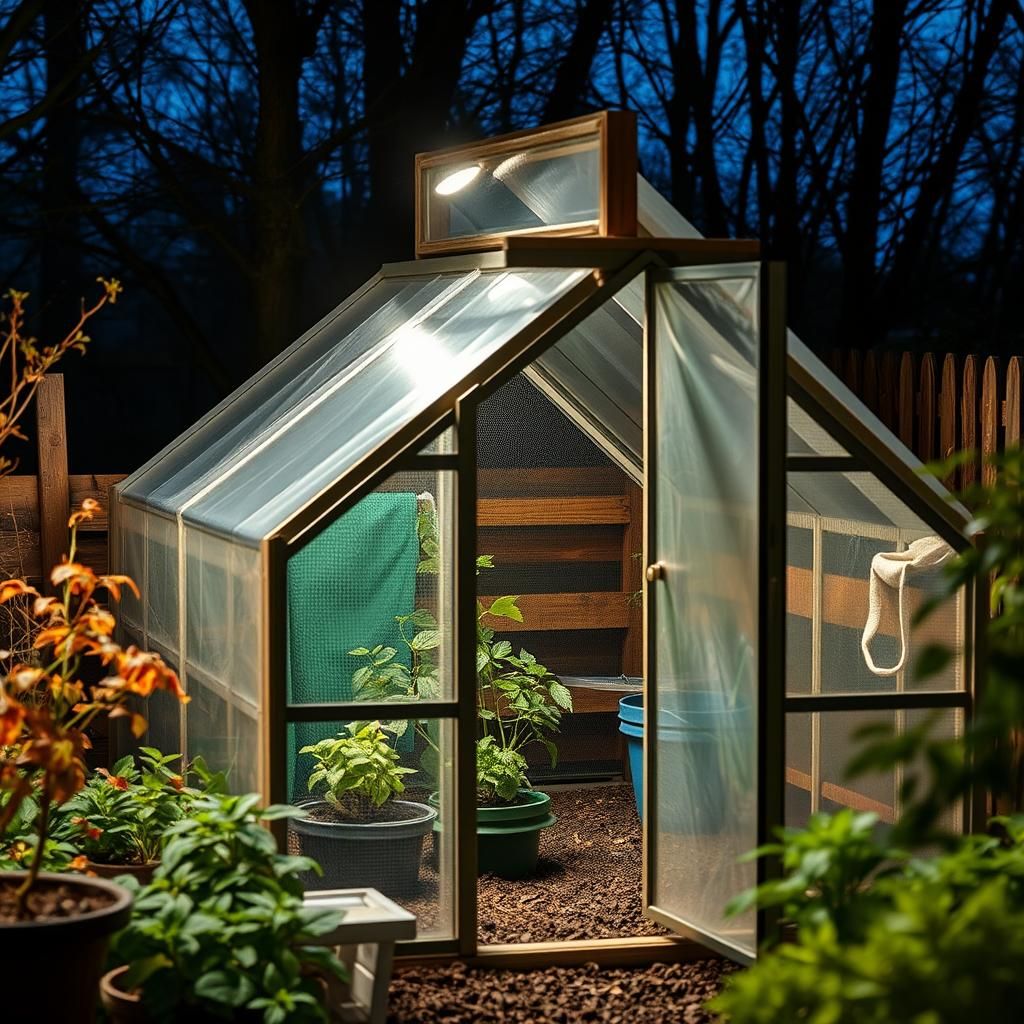
Maintaining warmth in a small greenhouse during the night is crucial for the health and growth of your plants. As temperatures drop, it can pose a significant challenge, especially for delicate seedlings and tropical varieties. Fortunately, there are several effective strategies to ensure your greenhouse remains cozy after sunset. In this article, we'll explore essential tips and techniques, ranging from insulation methods to innovative heating solutions. Whether you're a novice gardener or an experienced horticulturist, these insights will help you create a warm and nurturing environment for your plants, allowing them to thrive even in cooler nighttime temperatures.
How to Keep a Small Greenhouse Warm at Night
To maintain optimal temperatures in a small greenhouse during the night, it is essential to implement various strategies that enhance heat retention. Start by ensuring that the greenhouse is well-insulated, using materials such as double-layer polycarbonate or polyfilm to minimize heat loss. Adding thermal mass in the form of stones, bricks, or water containers can store heat during the day and release it slowly at night. Installing heating systems like electric heaters or propane heaters can provide supplemental warmth when necessary. Utilizing row covers or thermal blankets for plants can help retain heat around individual crops. Finally, proper ventilation during the day to prevent overheating is crucial, as it allows plants to acclimate, enhancing their survivability when nighttime temperatures drop.
Insulation Techniques
To improve the ability of a small greenhouse to retain heat at night, consider using effective insulation techniques. This includes selecting quality materials such as double-glazed glass, polycarbonate panels, or bubble wrap that help trap heat inside. Seal all cracks and openings to prevent unwanted drafts. Additionally, utilizing thermal curtains can provide an extra layer of insulation during the coldest hours, helping maintain a stable temperature.
Adding Thermal Mass
Incorporating thermal mass is a smart way to keep a small greenhouse warm at night. Materials such as water barrels, bricks, or stones can absorb heat during the day and gradually release it once temperatures begin to drop. Place these materials strategically throughout the greenhouse to maximize their heat retention abilities, ensuring the greenhouse stays cozy throughout the night, even in colder temperatures.
Heating Systems
Utilizing heating systems is an essential strategy for maintaining warmth in a small greenhouse at night. Options include electric heaters, fan-forced heaters, or propane heaters designed specifically for greenhouse use. When selecting a heating system, consider the size of the greenhouse, the degree of temperature fluctuation, and the energy source available. Ensure the heater is placed in such a manner that it uniformly distributes warmth without creating hot or cold spots.
See also:
Use of Row Covers
Row covers are an excellent tool for gardeners looking to keep their small greenhouse warm during the night. These lightweight, flexible covers can be draped directly over plants to create a pocket of warmer air around them, helping to protect against chilling effects. They not only help with heat retention but also provide a barrier against frosts, thus ensuring plant health and vitality.
Ventilation Management
Proper ventilation management plays a crucial role in temperature control in a small greenhouse. During sunny days, it’s important to ventilate adequately to prevent overheating, which can lead to heat stress in plants. Use roof vents, louvered side vents, or even exhaust fans to circulate air when needed. Managing daytime ventilation will help maintain healthier plants, allowing them to withstand cooler nighttime temperatures better.
| Strategy | Description |
|---|---|
| Insulation Techniques | Improve heat retention with double-glazed materials and sealing cracks. |
| Thermal Mass | Use materials like water barrels and stones to store and release heat. |
| Heating Systems | Install electric or propane heaters to maintain a constant warm environment. |
| Row Covers | Protect plants with covers to create warmer air pockets overnight. |
| Ventilation Management | Ensure proper airflow during the day to stabilize overall greenhouse temperatures. |
Effective Insulation Strategies for Small Greenhouses
To maintain a warm environment in a small greenhouse during the night, it is crucial to implement effective insulation strategies that minimize heat loss. Using materials such as bubble wrap, thermal blankets, or specially designed greenhouse films can significantly improve insulation by creating air pockets that trap warmth. Additionally, sealing any gaps or drafts around windows and doors ensures that hot air does not escape. Incorporating heat-storing materials, such as water barrels or stones, inside the greenhouse can also help retain warmth accumulated during the day and release it slowly throughout the night.
Utilizing Heat Retention Materials
Incorporating heat retention materials into your greenhouse can be a game-changer for nighttime temperatures. Water barrels, for instance, absorb heat from sunlight during the day and release it slowly when temperatures drop at night. Additionally, using heavy materials like rocks or bricks can also act as thermal mass, storing heat and helping to keep the greenhouse warm. By placing these materials strategically within your greenhouse, you can enhance the overall temperature regulation.
Insulating the Greenhouse Structure
Insulating the greenhouse structure is another vital component in maintaining warmth during the night. Covering the greenhouse with polycarbonate panels or adding layers of bubble wrap on the interior surface can significantly reduce heat loss. Furthermore, using insulated curtains at night can provide an extra barrier against cold air, effectively creating a microclimate inside that retains heat more efficiently. Properly insulating not only helps keep plants healthy but also saves energy in temperature regulation.
See also:
Implementing Heating Solutions
Heating solutions can be essential for keeping a small greenhouse warm at night. Options such as electric heaters, propane heaters, or soil warming cables can provide the additional warmth needed when temperatures drop significantly. When using heating devices, it is important to ensure they are compatible with the greenhouse environment to prevent any fire hazards. Additionally, setting up a thermostat can help automate the heating process, ensuring optimal temperature control and energy efficiency.
Effective Ventilation Techniques
While keeping a greenhouse warm is important, proper ventilation is equally crucial. During the day, the greenhouse can become excessively hot, so incorporating adjustable vents helps to maintain an adequate temperature balance. At night, closing these vents can prevent cold air from entering while also allowing trapped heat to circulate. Using fans or creating airflow pathways can further enhance temperature stability, ensuring your plants remain safe and healthy regardless of outside conditions.
Strategic Plant Placement
The placement of plants within the greenhouse can significantly affect temperature regulation. Positioning heat-loving plants near the walls or closer to heat retention sources can help distribute warmth evenly throughout the greenhouse. Additionally, using taller plants as a windbreak can protect smaller, more sensitive plants from cold drafts, ensuring they receive the warmth they need during the night. Strategically organizing your plants to maximize their exposure to heat sources will enhance their growth and survival rates in cooler temperatures.
Questions from Our Readers
How can I retain heat in my small greenhouse during the night?
To retain heat in your small greenhouse at night, you can use thermal mass materials such as water barrels or stones, which absorb heat during the day and release it slowly at night. Additionally, covering your greenhouse with insulating blankets or using bubble wrap on the interior can help minimize heat loss.
Should I use a heater in my small greenhouse to keep it warm at night?
Using a heater can be an effective way to maintain a warm temperature in your small greenhouse at night, especially during extremely cold weather. Opt for an electric heater or a propane heater, ensuring you have proper ventilation to avoid any buildup of harmful gases.
See also:
What role do greenhouse coverings play in nighttime warmth?
The covering of your greenhouse plays a crucial role in maintaining warmth at night. Using double-walled or polycarbonate panels can provide better insulation compared to single layers, reducing heat loss. Additionally, using thermal curtains at night helps to trap warmth inside.
Are there natural methods to keep a small greenhouse warm at night?
Yes, there are several natural methods to keep your greenhouse warm at night, such as placing compost piles inside, which generate heat as they decompose. You can also use plants that conserve heat or implement row covers to provide additional insulation against cold air.

If you want to read more articles like How Do You Keep a Small Greenhouse Warm at Night? Essential Tips and Techniques, we recommend you check out our Greenhouse category.
Leave a Reply
Related Articles