Top Tips: How Do I Get My Compost to Decompose Faster? Expert Advice and Techniques
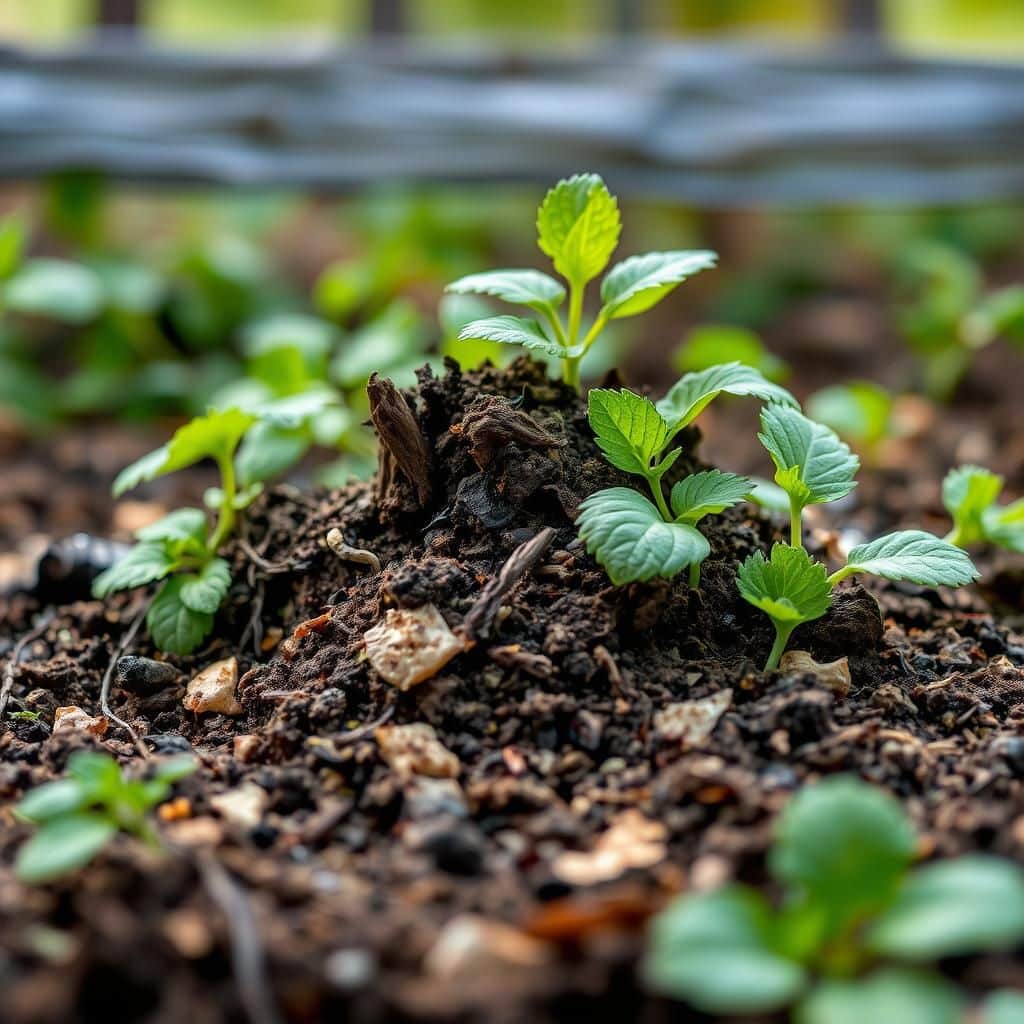
Composting is an eco-friendly way to recycle organic waste, but what if you want to speed up the decomposition process? Faster composting not only reduces waste more efficiently but also produces nutrient-rich soil amendments in a shorter time frame. In this article, we’ll explore expert advice and techniques to enhance your composting efforts, from balancing materials to optimizing moisture levels and aeration. Whether you’re a novice or an experienced composter, these top tips will help you achieve quick, effective results, ensuring your compost pile thrives and benefits your garden or landscape. Let’s dive into the world of rapid decomposition!
Tips to Accelerate the Decomposition of Your Compost
To get your compost to decompose faster, it's essential to maintain an optimal balance of green and brown materials, properly aerate the pile, and keep the moisture levels just right. Green materials, such as fruit scraps and grass clippings, provide nitrogen, while brown materials, like dry leaves and cardboard, supply carbon, which is crucial for healthy microbial activity. Turning your compost regularly every few weeks introduces oxygen, speeding up the decomposition process. Additionally, the ideal moisture level should feel like a damp sponge; if too wet, it can slow down decomposition, and if too dry, microbial activity will diminish.
Maintain a Balanced Carbon to Nitrogen Ratio
A healthy compost requires a balance between carbon (brown materials) and nitrogen (green materials), ideally in a ratio of about 30:1. Without this balance, microbial organisms may not thrive, leading to slower decomposition rates. Too much carbon can result in a dry compost pile, inhibiting microbial activity, while excessive nitrogen can create foul odors. Therefore, it's crucial to regularly assess your compost's ingredients and adjust the mix accordingly.
Aerate Your Compost Regularly
Aeration is critical for speeding up composting because it introduces oxygen, which is vital for aerobic bacteria that break down organic matter efficiently. Turning the pile every couple of weeks with a pitchfork or compost aerator increases airflow and enhances microbial activity. An adequately aerated compost also prevents unpleasant smells and reduces the risk of the pile becoming anaerobic, which can slow down the decomposition process significantly.
Control Moisture Levels
The moisture content of your compost should be maintained at a level where it feels like a damp sponge; this is vital for the microbes that facilitate decomposition. If your compost is too dry, the decomposition slows, so consider adding water or moist materials, like kitchen scraps, when needed. Conversely, if it’s too wet, it may become compacted, leading to anaerobic conditions; in this case, adding dry, brown materials like shredded leaves or straw can help balance out the moisture.
Cut Materials into Smaller Pieces
Chopping or shredding organic materials into smaller pieces increases the surface area that microbes can access, which accelerates the breakdown process. This practice not only facilitates faster decomposition but also helps to create a more uniform compost mix. For instance, cutting up fruit scraps and shredding cardboard will allow for quicker and more efficient composting than if these items were left whole.
Incorporate Activators
Adding organic activators, such as compost starter or partially decomposed compost, can enhance microbial activity and hasten the composting process. These activators contain microorganisms that help jumpstart the breakdown of materials. You can also consider adding worm castings, which are rich in nutrients and beneficial microbes, or even using aged manure as a natural activator to boost the fertility and speed of your compost pile.
| Factor | Impact |
|---|---|
| Carbon to Nitrogen Ratio | Maintains microbial health |
| Aeration | Increases oxygen levels |
| Moisture Levels | Supports microbial activity |
| Size of Materials | Enhances breakdown efficiency |
| Use of Activators | Boosts microbial populations |
How can I speed up my compost decomposition?

To speed up compost decomposition, several factors must be optimized to enhance the activity of microorganisms responsible for breaking down organic matter. Here are some effective strategies to accelerate the process.
Maintain Proper Carbon to Nitrogen Ratio
Balancing the carbon-to-nitrogen (C:N) ratio in your compost heap is crucial for quick decomposition. Ideal ratios range from 25:1 to 30:1. Materials high in carbon include dry leaves, straw, and paper, while those high in nitrogen include green grass clippings, food scraps, and manure.
See also:
- Mix brown materials (carbon) with green materials (nitrogen).
- Aim for a balanced ratio to promote microbial activity.
- Monitor layers to maintain consistency in C:N ratio.
Increase Aeration
Oxygen is vital for the activity of aerobic bacteria, which speed up decomposition. Ensuring your compost pile has sufficient air can significantly impact breakdown rates.
- Turn your compost pile regularly to introduce air.
- Use a pitchfork or compost aerator to mix materials and create air pockets.
- Avoid compacting the pile; maintain a loose structure.
Maintain Moisture Levels
Moisture is essential for microbial life. Compost should be kept damp but not soaking wet. Too much water can lead to anaerobic conditions, slowing down the composting process.
- Check the moisture level regularly; it should feel like a wrung-out sponge.
- Add water if it feels dry or add dry materials if too wet.
- Cover the compost pile during heavy rain to prevent saturation.
Chop Materials Into Smaller Pieces
Breaking down materials into smaller pieces can enhance the surface area available for microorganisms to act upon. The smaller the particles, the faster they decompose.
- Use a garden shredder or a lawn mower for larger materials.
- Cut kitchen scraps into small pieces before adding them to the compost.
- Avoid whole or large pieces, as they take longer to decay.
Introduce Compost Activators
Sometimes adding compost activators can provide beneficial microorganisms that may help kick-start the decomposition process. These can include specific microbial inoculants, manure, or finished compost.
- Add a layer of finished compost or aged manure to enhance microbial populations.
- Consider purchasing compost starter products available in garden centers.
- Even a handful of garden soil can introduce beneficial microbes.
What is the best homemade compost accelerator?
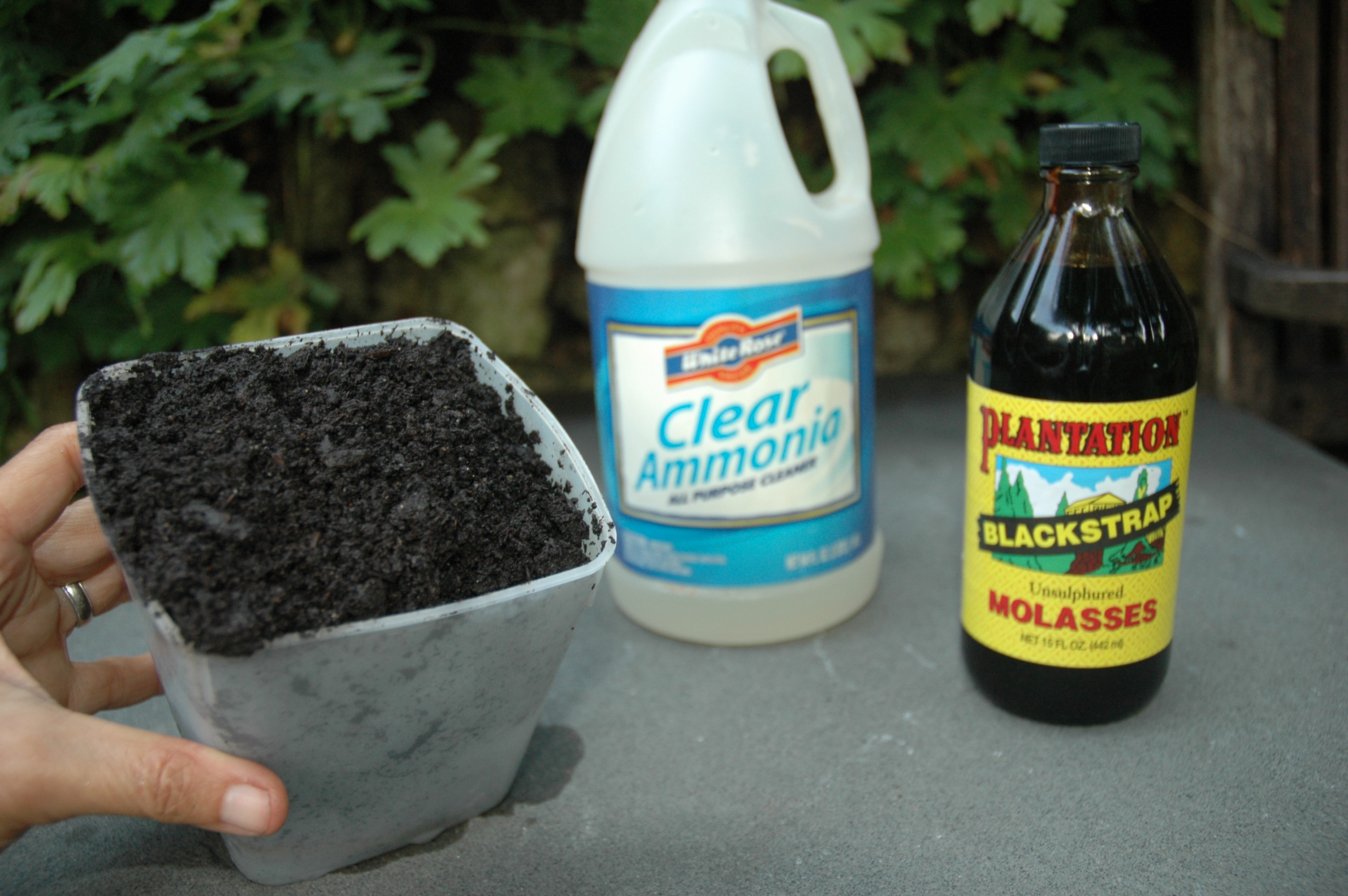
Using a homemade compost accelerator can significantly speed up the composting process by providing additional nutrients and essential microorganisms. The best homemade compost accelerator often includes easily accessible materials that enhance microbial activity, thereby improving decomposition rates. One of the most effective options is a mix of greens (nitrogen-rich materials), browns (carbon-rich materials), and moisture, but more specifically, certain homemade combinations can serve as excellent accelerators.
1. Coffee Grounds as a Compost Accelerator
Coffee grounds are an excellent homemade compost accelerator due to their high nitrogen content. They not only provide essential nutrients for microorganisms but also improve aeration within the compost.
- Nitrogen Rich: Coffee grounds are rich in nitrogen, an essential nutrient for microbial growth.
- Texture Improvement: Their gritty texture helps aerate the compost pile, which is vital for oxygen flow.
- Worm Attraction: They attract worms, which further aid in the decomposition process.
2. Manure: The Super Accelerator
Animal manure, particularly from herbivores like cows, horses, and chickens, is one of the most potent homemade compost accelerators. It is loaded with nutrients and beneficial bacteria.
- Nutrient Density: Manure is rich in nitrogen, phosphorus, and potassium, which are crucial for plant growth.
- Microbial Boost: It introduces a vast number of beneficial bacteria and fungi to your compost.
- Heat Generation: When added, it can elevate the temperature of the compost pile, aiding in faster decomposition.
3. Worm Castings for Enhanced Results
Worm castings, or vermicompost, are highly nutrient-dense and can serve as an excellent compost accelerator due to their rich microbial content.
- Nutrient-Rich: Worm castings contain higher concentrations of nutrients than traditional compost.
- Microbial Life: They are packed with beneficial microorganisms that improve soil health.
- Improved Soil Structure: They enhance soil aeration and moisture retention when applied to the compost mix.
4. Banana Peels for Potassium Boost
Banana peels are often overlooked, but they are an excellent source of potassium, which helps plants thrive and accelerates compost breakdown.
See also:
- High in Potassium: Potassium is crucial for plant health and helps in the development of strong roots.
- Microbial Support: The peels contribute to microbial activity, aiding in faster decomposition.
- Attracts Beneficial Insects: They can attract helpful insects that can enhance the composting process.
5. Fruit Scraps for a Nutrient Boost
Fruit scraps are another effective homemade compost accelerator. Citrus peels, apple cores, and other leftover fruit are not only biodegradable but also pack a nutritional punch.
- Rich in Nutrients: They provide a variety of essential nutrients that can improve the overall quality of compost.
- Moisture Retention: The water content in fruit scraps aids in maintaining optimal moisture levels in the compost.
- Encourages Microbial Growth: The sugars from fruit scraps help feed beneficial microorganisms, speeding up decomposition.
What to add to compost to break it down?

To enhance the breakdown of compost, it's essential to include materials that are rich in nitrogen, carbon, and other beneficial elements. Here’s a comprehensive look into what can be added to optimize the decomposition process.
Understanding Carbon to Nitrogen Ratio
The Carbon to Nitrogen (C:N) ratio is vital for composting efficiency. A balanced mix of carbon-rich browns and nitrogen-rich greens accelerates microbial activity, which speeds up decomposition.
- Browns: These include dry leaves, straw, and paper products, providing carbon.
- Greens: Fresh kitchen scraps, grass clippings, and manure supply nitrogen.
- Ideal Ratio: Generally, aim for a C:N ratio of about 30:1 to promote optimal breakdown.
Additions of Nitrogen-Rich Materials
Incorporating nitrogen-rich materials boosts microbial activity, which is crucial for breaking down organic matter in compost.
- Fruit and Vegetable Scraps: These are moist and packed with nitrogen.
- Grass Clippings: Freshly cut lawns are excellent nitrogen sources but should be mixed to avoid matting.
- Manure: Animal manure (from herbivores) is rich in nitrogen and enhances microbial diversity.
Incorporating Carbon-Rich Materials
Carbon-rich materials supply the energy necessary for the microbial community’s growth in compost.
- Dry Leaves: Fallen dry leaves are a great carbon source and add bulk.
- Wood Chips and Shavings: These are excellent for aeration and provide long-term carbon.
- Cardboard and Newspaper: These materials can be shredded and contribute both carbon and structure.
Moisture Balance in Compost
Maintaining the right moisture balance is crucial for the decomposition process. Too much or too little moisture can slow down or halt microbial activity.
- Water: Spritzing the pile with water can help maintain moisture levels, especially in dry climates.
- Damp Greens: Adding moist greens can increase the moisture content effectively.
- Aeration: Turn the compost regularly to promote evaporation and aeration within the pile.
Utilizing Activators for Faster Breakdown
Compost activators can introduce additional microbes that enhance the decomposition rate.
- Store-Bought Activators: These contain concentrated microbes designed to speed up composting.
- Compost Tea: Using a liquid made from steeping finished compost can increase microbial populations in the pile.
- Soil from the Garden: Adding a bit of garden soil introduces beneficial microorganisms that assist in breakdown.
Questions from Our Readers
How can I increase the temperature of my compost?
To increase the temperature of your compost, ensure that you have the right balance of greens and browns. Greens provide nitrogen while browns add carbon, and a ratio of about 2:1 (greens to browns) is ideal. Additionally, turning your compost regularly can help aerate it, promoting microbial activity which generates heat.
What materials should I avoid adding to my compost?
It's important to avoid adding materials like meat, dairy, and oils as they can create odors and attract pests. Additionally, avoid composting plants that are diseased or contaminated with pesticides, as these can harm beneficial microorganisms in your compost.
See also:
How often should I turn my compost pile for faster decomposition?
For optimal decomposition, it's recommended to turn your compost pile every 1 to 2 weeks. This regular aeration helps to introduce oxygen, enhance microbial activity, and increase the overall temperature of the compost, all of which speed up the decomposition process.
Can I compost in winter and how does it affect decomposition?
Yes, you can compost in winter, but the cold temperatures can slow down the decomposition process. To combat this, you can insulate your compost pile with materials like straw or leaves, and include enough nitrogen-rich materials to kickstart activity when temperatures rise.

If you want to read more articles like Top Tips: How Do I Get My Compost to Decompose Faster? Expert Advice and Techniques, we recommend you check out our Compost category.
Leave a Reply
Related Articles