How Close to a Neighbour's Fence Can I Plant a Tree? Essential Guidelines for Homeowners
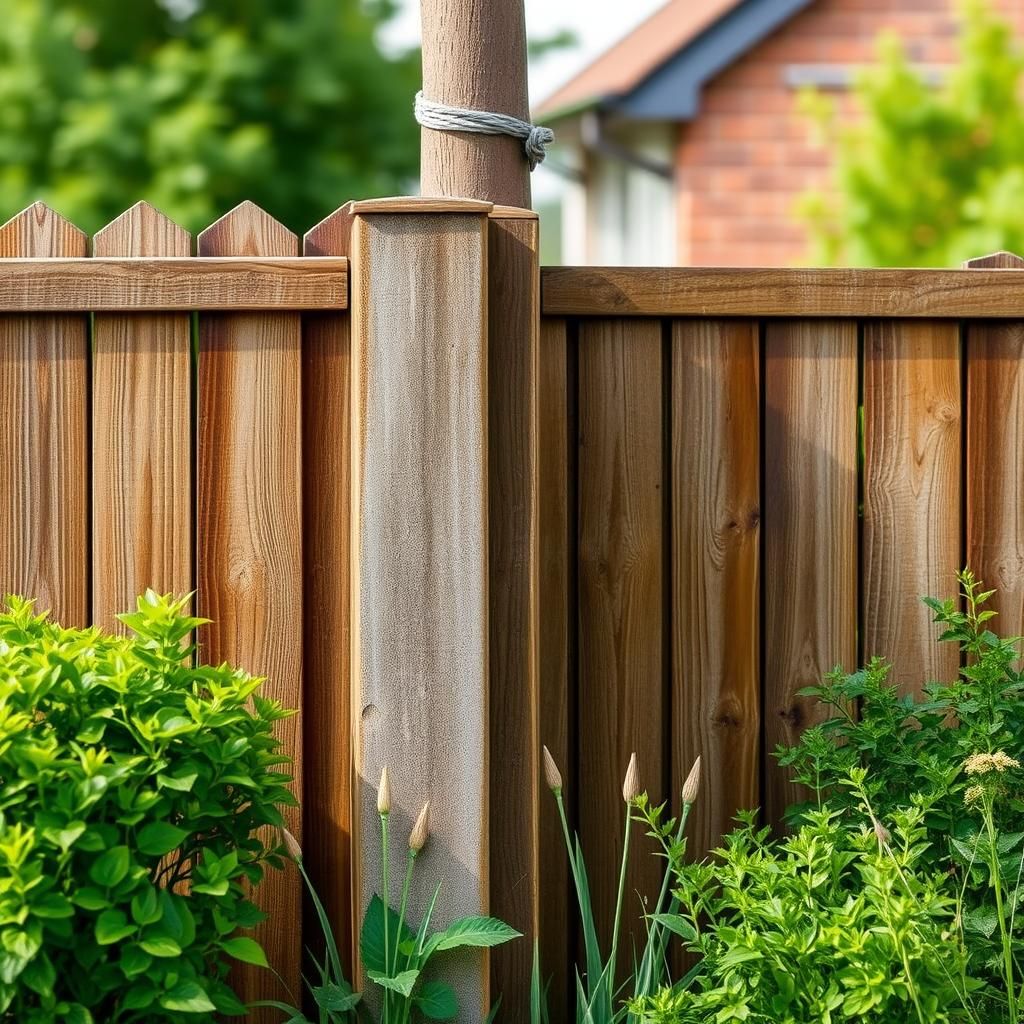
When planting trees in your yard, understanding the distance to your neighbor's fence is crucial. Homeowners must navigate various regulations, personal relationships, and the health of the trees themselves. Incorrect placement can lead to disputes, potential damage, and even legal issues. This article provides essential guidelines on how close you can safely plant a tree to a neighbor's fence, considering local laws, tree growth patterns, and best practices for maintaining peace and harmony within your community. Whether you're a seasoned gardener or a new homeowner, these insights will help you make informed decisions about your landscaping choices.
How Close to a Neighbour's Fence Can I Plant a Tree?
When considering how close to a neighbour's fence you can plant a tree, there are several factors to take into account, including local zoning laws, the species of tree, and the potential impact on both your property and your neighbour's. Generally, it is advisable to plant trees at a distance of at least three to six feet from the fence line to prevent roots and branches from encroaching on the neighbour's property. However, some municipalities have specific regulations that might require a greater distance, so it is always a good idea to check with local ordinances before proceeding.
Local Zoning Laws
Local zoning laws can significantly influence how close you can plant trees near a neighbour's fence. Some areas may have specific regulations that dictate the required distance between trees and property lines. It's essential to check with your local building department or the city planning office to ensure compliance with such laws, which may include setbacks that apply to various trees based on their mature height and width.
Tree Species Considerations
Different tree species have varying growth habits and root systems, which can affect how close they can be planted to a fence. For instance, larger trees with extensive root systems, such as oaks and maples, typically require more distance from a fence to minimize potential damage or interference with the structure. Conversely, smaller species or shrubs can often be planted closer to property lines. Understanding the specific requirements of the tree species you choose is critical for successful planting.
Potential Impact on Both Properties
Planting a tree too close to a neighbour's fence can lead to conflicts regarding property rights. Over time, the tree's roots may spread into the neighbouring property, leading to potential issues such as damage to fences, driveways, or foundations. Additionally, tree branches may overhang the fence, resulting in disputes over maintenance and debris cleanup. Assessing the impact on both properties and communicating with your neighbour before planting can help mitigate potential conflicts.
Root and Branch Management
Proper root and branch management is vital when planting near a fence. If you plan to plant a tree close to your neighbour's property, it is wise to implement regular trimming and maintenance to keep the tree's growth in check. This practice not only helps maintain a good relationship with your neighbour but also ensures that the tree does not become a nuisance or hazard by encroaching on their space. Using pruning techniques can also promote healthy growth while limiting potential invasiveness.
Best Practices for Planting
To ensure the best outcomes for your tree and your neighbour's property, consider following best practices for planting. First, choose the right tree species that suits the climate and soil conditions of your area. Secondly, prepare the planting site thoroughly, ensuring it has enough room for growth. Lastly, consult with a local arborist if you're uncertain about the appropriate distance from the fence or the specific care your chosen tree may require.
| Aspect | Description |
|---|---|
| Local Zoning Laws | Regulations that dictate distance from property lines. |
| Tree Species | Growth habits that affect spacing requirements. |
| Impact on Properties | Potential damage and disputes with neighbors. |
| Root Management | Maintaining roots to prevent encroachment issues. |
| Best Practices | Choosing the right tree and preparing the site effectively. |
Can I plant a tree next to my neighbour's fence?

When considering whether you can plant a tree next to your neighbour's fence, several factors must be taken into account, including local laws, property boundaries, and the type of tree you wish to plant. Generally, you can plant a tree near the fence, but it is essential to be aware of the implications and potential issues that may arise.
Local Regulations
Before planting, check the local regulations governing tree planting. Many municipalities have specific ordinances related to planting near property lines. Understanding these rules can help avoid potential legal disputes or fines.
- Research local zoning laws.
- Consult with your local government or homeowner's association.
- Look into any tree protection ordinances that may apply.
Property Lines
Establishing clear property lines is crucial when planting a tree. You must ensure that the tree's position does not cross into your neighbour’s property. Misunderstandings regarding boundaries can lead to conflicts.
- Consider hiring a surveyor to get accurate property boundaries.
- Check your property deed for any information on boundaries.
- Communicate with your neighbour regarding the placement of the tree.
Tree Type Considerations
Different types of trees have varying growth rates and root systems. Some species can grow large and may cause problems if planted too close to a fence. It's crucial to select a tree that will not intrude upon your neighbour’s space or cause damage.
- Research the growth characteristics of the tree species.
- Choose slow-growing or small-sized trees for limited spaces.
- Consider the potential for roots to damage fences or underground utilities.
Impact on Neighbouring Property
Consider the potential impact of the tree on your neighbour's property. Issues such as shade, falling leaves, and possible property damage can create tensions. It's essential to think about how the tree will affect your neighbour’s enjoyment of their property.
See also:
- Discuss your planting plans with your neighbour to gauge their feelings.
- Plan for maintenance and care to minimize any inconvenience.
- Consider planting at a distance that prevents overshadowing their space.
Maintenance and Responsibilities
When you plant a tree near a neighbour's fence, understanding your responsibilities for its maintenance is essential. Your tree might affect their property in various ways, which could lead to disputes.
- Regularly check the tree for health, growth, and potential hazards.
- Ensure the tree does not encroach on your neighbour's property over time.
- Be prepared to trim or manage the tree if it causes issues.
How close to my neighbor's property line can I plant a tree?
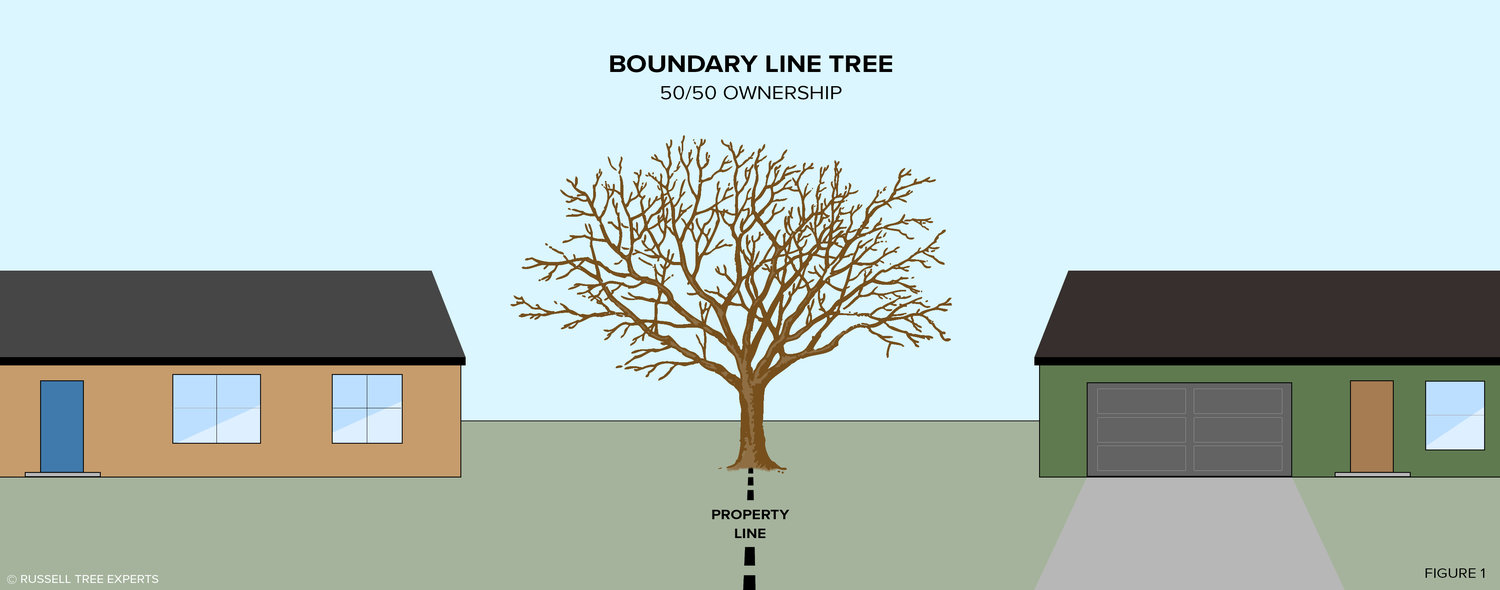
When considering how close you can plant a tree to your neighbor's property line, several factors come into play, including local laws and regulations, as well as the type of tree being planted. Generally, there are no strict universal rules governing this distance, but common practices suggest maintaining a distance of at least 3 to 10 feet. Here are some considerations and guidelines:
Understanding Local Laws
Local ordinances can significantly impact how close you can plant your tree to the property line. Many municipalities have specific regulations regarding setbacks for trees.
- Check your local zoning laws which might stipulate distances.
- Consult with your local planning department for guidance.
- Be aware that neighbor disputes can arise from planting trees too close.
Types of Trees and Their Growth
The type of tree you plant can influence how close it should be to a property line, as different trees have varying growth patterns and root systems.
- Small ornamental trees generally need less space.
- Large trees may require more distance to avoid overhanging limbs and root intrusion.
- Consider the mature height of the tree when deciding placement.
Neighbor Relations and Communication
Communication with your neighbor is crucial before planting a tree near the property line. Maintaining a good relationship can help prevent conflicts.
- Discuss your planting plans with your neighbor beforehand.
- Seek their input if they have concerns about shade or maintenance.
- Consider a written agreement if you anticipate possible disputes.
Potential Liability and Responsibility
Planting a tree too close to a property line can lead to potential liabilities if branches or roots cause damage to neighboring properties.
- Know your local laws regarding liability for property damage.
- Inspect the tree regularly for pests or diseases that could affect nearby properties.
- Understand that you may be responsible for any damage caused by your tree.
Future Considerations for Tree Maintenance
Trees require ongoing maintenance, and planting them close to a property line can complicate care and trimming.
- Plan for future trimming or removal if the tree grows too large.
- Understand that you may need permission to access a neighbor's yard for maintenance.
- Consider using trees that require less maintenance if planted close to a property line.
How close to a fence can you plant a tree?
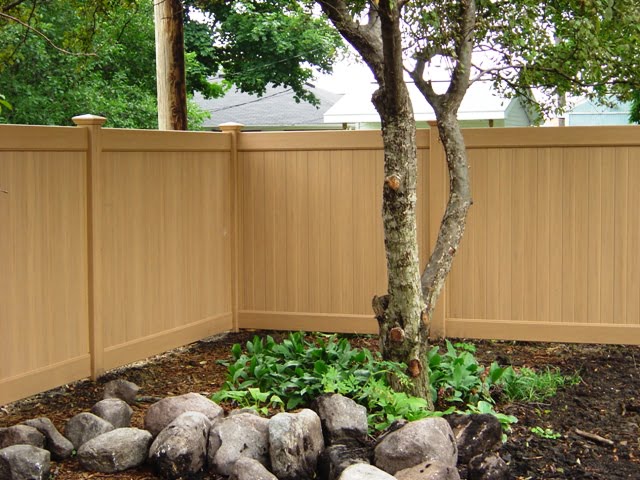
When planting a tree near a fence, it's important to consider several factors, including local regulations, the species of the tree, and the potential implications for both growth and maintenance. Generally, it is recommended to plant trees at least 3 to 10 feet away from a fence, depending mainly on the mature size of the tree and local conditions. This distance ensures that the tree has enough space to grow without causing damage to the fence or the tree itself.
Local ordinances or zoning laws may also dictate the minimum distance trees must be planted from property lines or structures. Therefore, it is prudent to check with local authorities or landscaping professionals before planting.
Factors to Consider When Planting Trees Near Fences
Planting trees near fences requires careful consideration of several factors:
- Tree Species: Different species have varying root systems and canopy spreads, which impact how close they can be planted to structures.
- Mature Size: Understanding the eventual height and width of the tree will help in determining the appropriate distance from the fence.
- Soil Conditions: The quality of soil and drainage can affect tree health, necessitating additional space for proper root development.
Local Regulations and Tree Ordinances
Many municipalities have specific laws regarding tree planting near fences or property lines.
See also: Ultimate Guide to Low Maintenance Full Sun Tropical Plants Queensland for Effortless Gardening
- Property Lines: Trees may need to be planted a certain distance from property lines to avoid encroachment on neighbors' land.
- Height Restrictions: Some areas enforce height limitations for trees to prevent obstruction of views or sunlight.
- Permits: You may need a permit for planting certain types of trees in specific areas, especially if they are large species.
Root Systems and Their Impact
Understanding root systems is critical when considering tree placement:
- Surface Roots: Some trees develop surface roots that can damage fences, paving, and other structures if planted too close.
- Invasive Roots: Certain types of trees have aggressive root systems that may invade nearby spaces, including under fences.
- Boundaries: Roots extending into neighboring properties can lead to disputes over property boundaries and tree management.
Maintenance Considerations
Trees planted too close to a fence may require additional maintenance:
- Pruning: Trees near fences may need regular trimming to prevent branches from encroaching on the fence space.
- Health Monitoring: Trees close to structures may have health issues due to limited air circulation and sunlight.
- Accessibility: Maintaining access to the tree for care becomes more complicated when planted near fences.
Alternatives for Planting Near Fences
If planting near a fence isn't ideal, here are alternatives:
- Choose Smaller Trees: Opting for smaller or slower-growing species may allow for closer planting without structural issues.
- Use Shrubs: Consider planting shrubs which often require less distance from fences compared to larger trees.
- Expand the Boundary: Create an expanded buffer zone away from the fence to ensure healthy growth without conflicts.
Which is the most common mistake made in tree planting?

The most common mistake made in tree planting is improper planting depth. When a tree is planted too deep, it can lead to several issues that affect its health, growth, and overall stability. It's crucial to ensure that the root collar, the area where the roots meet the trunk, is level with or slightly above the surrounding soil surface. Planting too deeply can suffocate the roots due to lack of oxygen and create a foundation that is prone to rot and disease.
Understanding Proper Planting Depth
To successfully plant a tree, understanding the appropriate planting depth is essential. The tree's root system needs to be healthy and functional for it to thrive. If the roots are buried too deep, they can become stressed and hinder the tree’s ability to absorb water and nutrients.
- Identifying the Root Collar: This is the key to planting at the right depth. The root collar should be visible above the soil line.
- Soil Type Considerations: Different soils can settle differently, which may influence planting depth; consider how the soil might change over time.
- Tree Species Variations: Different species of trees have specific depth requirements; research your tree’s needs before planting.
Consequences of Planting Too Deep
Planting trees too deep can lead to numerous detrimental outcomes. These effects can severely affect the overall health and longevity of the tree. Common consequences include reduced access to water and nutrients, formation of girdling roots, and increased susceptibility to diseases.
- Root Suffocation: Deeper planting restricts oxygen access, which is vital for root respiration.
- Decay: Roots buried too deep are more prone to rotting, particularly in moist soils, leading to tree instability.
- Stunted Growth: Poor development of roots can hinder the tree's growth and lead to an overall weak structure.
Best Practices for Planting Trees
Implementing best practices during the planting process can prevent the common mistake of improper depth. Proper care from the very beginning is essential to ensure the tree grows healthy and strong in its new environment.
- Site Preparation: Clear the area of weeds and debris before planting to help the young tree establish itself.
- Digging the Right Hole: Ensure that the hole is wide but not overly deep; the hole should be at least twice as wide as the root ball.
- Stake if Necessary: For large trees, consider using stakes to provide stability but only if needed; avoid restricting natural movement.
Common Signs of Improper Planting Depth
Observing the tree's growth and health over time can provide insight into whether it has been planted correctly. Being aware of the signs of improper planting depth can prompt immediate corrective actions.
- Yellowing Leaves: This could indicate a lack of nutrient availability, often stemming from root issues.
- Slow Growth: A tree failing to grow at an expected rate might be a reflection of deep planting.
- Mushrooms or Fungi: Signs of decay, such as mushrooms at the base of the tree, may suggest excessive moisture accumulation due to depth issues.
When to Seek Professional Help
In some cases, it may be prudent to consult a professional arborist, especially if issues persist despite best efforts. Knowing when to get help can save time and resources in the long term.
- Persistent Health Issues: If symptoms like yellowing leaves and stunted growth persist, professional diagnosis may be required.
- Tree Stability Concerns: If the tree is leaning excessively, a professional can help assess root health and provide solutions.
- Expert Planting Advice: Before planting, especially for larger projects, hiring an arborist can ensure all best practices are followed.
Questions from Our Readers
How close can I plant a tree to my neighbour's fence?
The distance you should plant a tree from your neighbour's fence often depends on local regulations and the type of tree. Generally, it is advisable to plant a tree at least two to ten feet away from the fence line to avoid any potential disputes or damage to the fence.
Do I need permission to plant a tree near my neighbour's fence?
In many areas, you do not need formal permission to plant a tree on your property, but it is a good practice to consult with your neighbour, especially if the tree may grow large or affect their property.
What are the risks of planting a tree too close to a neighbour's fence?
Planting a tree too close to a neighbour's fence can lead to root damage to the fence, shading issues, and potential disputes regarding property lines. Additionally, branches may overhang into the neighbour's yard, which could lead to further conflicts.
See also:
Are there specific regulations for tree planting near property lines?
Yes, many municipalities have specific regulations about the distance trees must be planted from property lines, which can vary based on the size of the tree at maturity. It is advisable to check your local laws to ensure compliance and avoid fines or issues with neighbours.

If you want to read more articles like How Close to a Neighbour's Fence Can I Plant a Tree? Essential Guidelines for Homeowners, we recommend you check out our Landscaping category.
Leave a Reply
Related Articles