How Close to a Fence Should I Plant a Hedge? Essential Tips for Garden Planning
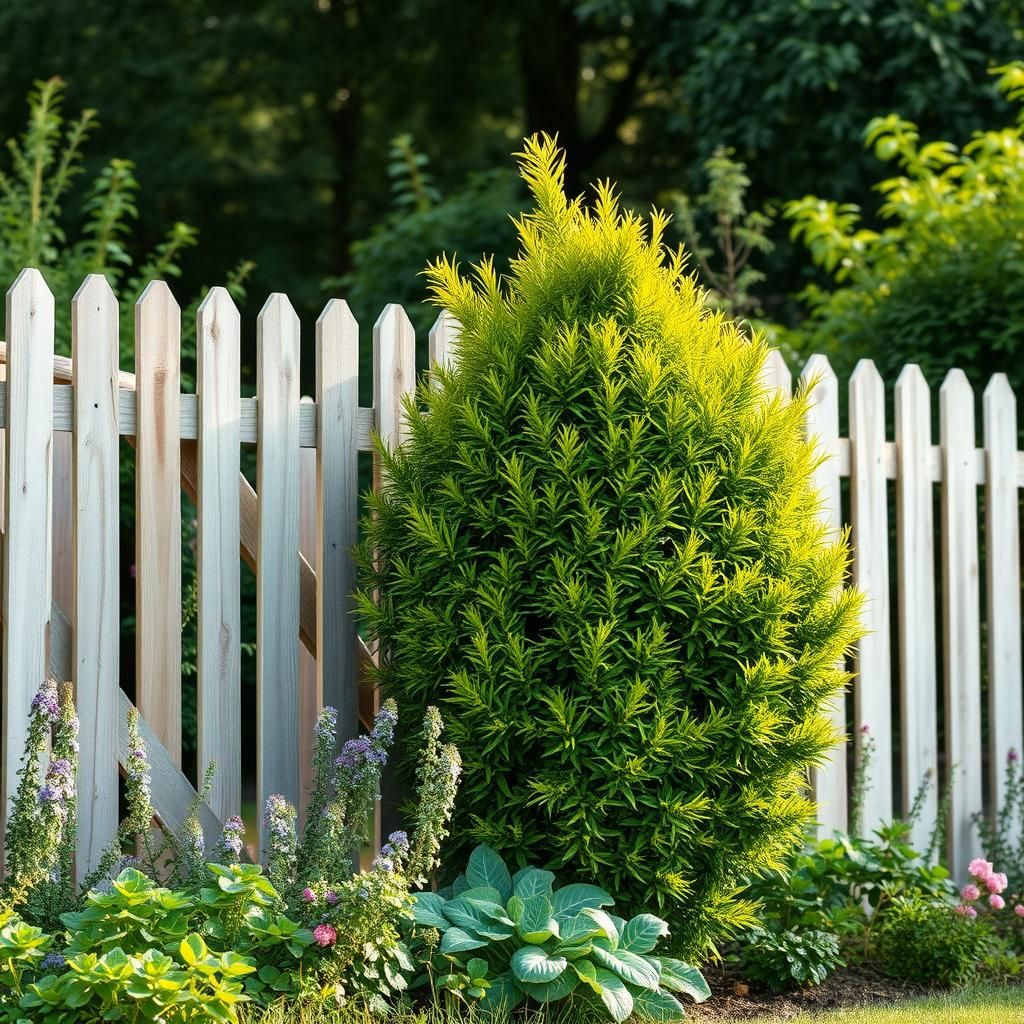
When planning your garden, one crucial question arises: how close to a fence should you plant a hedge? The distance you choose can significantly impact both the health of your plants and your relationship with neighbors. A well-placed hedge can provide privacy, reduce noise, and enhance the aesthetic appeal of your outdoor space. However, planting too close to a fence might lead to issues such as restricted growth or damage to the fence. This article will explore essential tips and guidelines to help you make informed decisions for a thriving hedge and a harmonious garden environment.
How Close to a Fence Should I Plant a Hedge?
When considering how close to a fence you should plant a hedge, several factors come into play, including the type of hedge, its intended purpose, and local regulations. Generally, it’s advisable to maintain a distance of at least three to five feet from the fence to allow for proper air circulation, sunlight exposure, and ease of maintenance. This space also ensures that the hedge does not encroach on the property line, which can prevent potential disputes with neighbors. Additionally, planting too close may hinder the growth of the plant and affect its overall health.
Factors to Consider When Planting a Hedge
When selecting a location for your hedge, consider factors such as the plant's mature height and width, growth rate, and the purpose of the hedge. For example, a fast-growing hedge may require more space than a slow-growing, low-maintenance option. Additionally, the type of soil and local climate conditions can significantly influence the success of your hedge.
Local Regulations and Property Lines
Before planting a hedge, it’s essential to check local regulations and property line guidelines, as some areas have restrictions regarding the height and proximity of hedges to fences. Maintaining the plant within a designated distance from the fence not only fosters good neighborly relations but also ensures compliance with the law, helping to avoid potential fines or the need for removal.
Maintenance Considerations
Planting a hedge too close to a fence can complicate maintenance tasks such as trimming, pruning, and pest control. Having adequate space allows for easier access, enabling you to maintain the health and appearance of your hedge without damaging the fence or the plants themselves. It also allows for proper air circulation and sunlight, which are vital for the growth of the hedge.
See also:
Types of Hedges and Their Spacing Needs
Different types of hedges have varying spacing needs. For instance, tall evergreens generally need more space than low-growing flowering shrubs. A guideline to follow is to plant taller hedges at least five feet away from a fence, while smaller varieties may only require three feet. Understanding these needs is crucial for achieving a healthy and aesthetically pleasing landscape.
Visual Appeal and Landscape Design
The proximity of a hedge to a fence can impact the overall visual appeal of your landscape. Placing a hedge too close may create a cramped look and obstruct the view of your home's exterior or outdoor features. To enhance the landscape design, maintaining adequate space can help achieve a more balanced and harmonious appearance, allowing your hedge to flourish.
| Distance from Fence | Hedge Type | Considerations |
|---|---|---|
| 3 feet | Low shrubs | Easier maintenance, good aeration |
| 5 feet | Tall evergreens | Prevents overgrowth, better light access |
| 2 feet | Flowering hedges | Still manageable, aesthetic appeal |
| 6 feet | Privacy hedges | Maintain proper height and width |
| 4 feet | Mixed varieties | Allows diversity in design |
Understanding Local Regulations and Property Lines
When considering how close to a fence you should plant a hedge, it's crucial to be mindful of local regulations and property lines. Many municipalities have specific laws regarding planting distances to ensure that plants do not encroach on adjacent properties or hinder maintenance of fences. Additionally, it’s important to verify your property lines to avoid potential disputes with your neighbors later on. Always check for any relevant zoning laws and consult with local gardening or landscaping experts if needed to ensure compliance and foster good neighborly relations.
Impact of Hedge Growth on Fences
The growth of a hedge can significantly affect the integrity of your fence over time. As hedges mature, their roots can exert pressure on nearby structures, potentially leading to damage or displacement of fencing materials. Additionally, dense foliage may create moisture retention, which can also impact fencing durability. Proper planning will not only protect your fence but also ensure that your hedge remains a enhancement to your garden's aesthetic without compromising its functionality.
Choosing the Right Hedge Species
Selecting the appropriate species of hedge is essential for successful landscaping next to a fence. Different types of hedges may have varying growth rates, heights, and spreading capabilities. Some species can grow significantly wider, which can result in encroachment on a neighbor's property if planted too near a fence. Therefore, it's important to consider mature size, growth habit, and maintenance requirements to choose a hedge that will thrive without causing future issues.
See also:
Hedge Maintenance and Pruning
Regular maintenance and pruning of your hedge are vital for keeping it healthy and contained. Overgrown hedges can create obstruction, leading to potential disputes with neighbors and complicating fence maintenance. Pruning not only promotes better air circulation and light penetration but also helps manage the shape and size of the hedge. Establishing a regular pruning schedule will help ensure your hedge remains a beautiful part of your landscape without infringing on nearby structures or spaces.
Aesthetic Integration with Landscape Design
When planting a hedge, consider its aesthetic integration with your overall landscape design. The distance from the fence can influence how the shrubbery complements or contrasts with other elements in your garden. A well-placed hedge can act as a focal point or create a sense of privacy and enclosure. Careful planning of the distance, height, and overall design will help harmonize the hedge with other features, enhancing the beauty of your outdoor space.
Potential Neighbor Relations Issues
Planting a hedge too close to a fence can lead to potential neighbor relations issues. Hedges that encroach on adjacent properties may create conflicts with neighbors over property lines and maintenance responsibilities. It is essential to take neighbor sentiments into account and, if possible, discuss your planting plans with them before proceeding. Building a rapport and open communication can help prevent misunderstandings and foster a spirit of community, promoting harmonious living in shared spaces.
Questions from Our Readers
How close to a fence should I plant a hedge?
To ensure proper growth and avoid potential issues, it is recommended to plant a hedge at least 2-3 feet away from the fence. This distance allows for airflow and sunlight while preventing damage to the fence or the hedge during maintenance.
What factors influence the distance from a fence for hedges?
Several factors can influence the distance you should maintain, including the mature size of the hedge species, your local climate, and any specific fence regulations in your area. It's essential to consider these elements to ensure healthy growth and compliance.
See also:
Can I plant a hedge directly against the fence?
While technically possible, planting a hedge directly against a fence can lead to problems, such as insufficient light and airflow, which may cause the hedge to become leggy or struggle to thrive. It's best to allow some spacing for optimal health.
What maintenance is needed for hedges near a fence?
When planting hedges near a fence, regular trimming and monitoring are necessary to ensure that they do not encroach on the fence or cause damage. It is vital to maintain an appropriate distance to facilitate easy access for upkeep and ensure the hedge remains healthy.

If you want to read more articles like How Close to a Fence Should I Plant a Hedge? Essential Tips for Garden Planning, we recommend you check out our Hedges category.
Leave a Reply
Related Articles