How Can I Tell If My Compost Is Ready to Use? Essential Tips for Gardeners
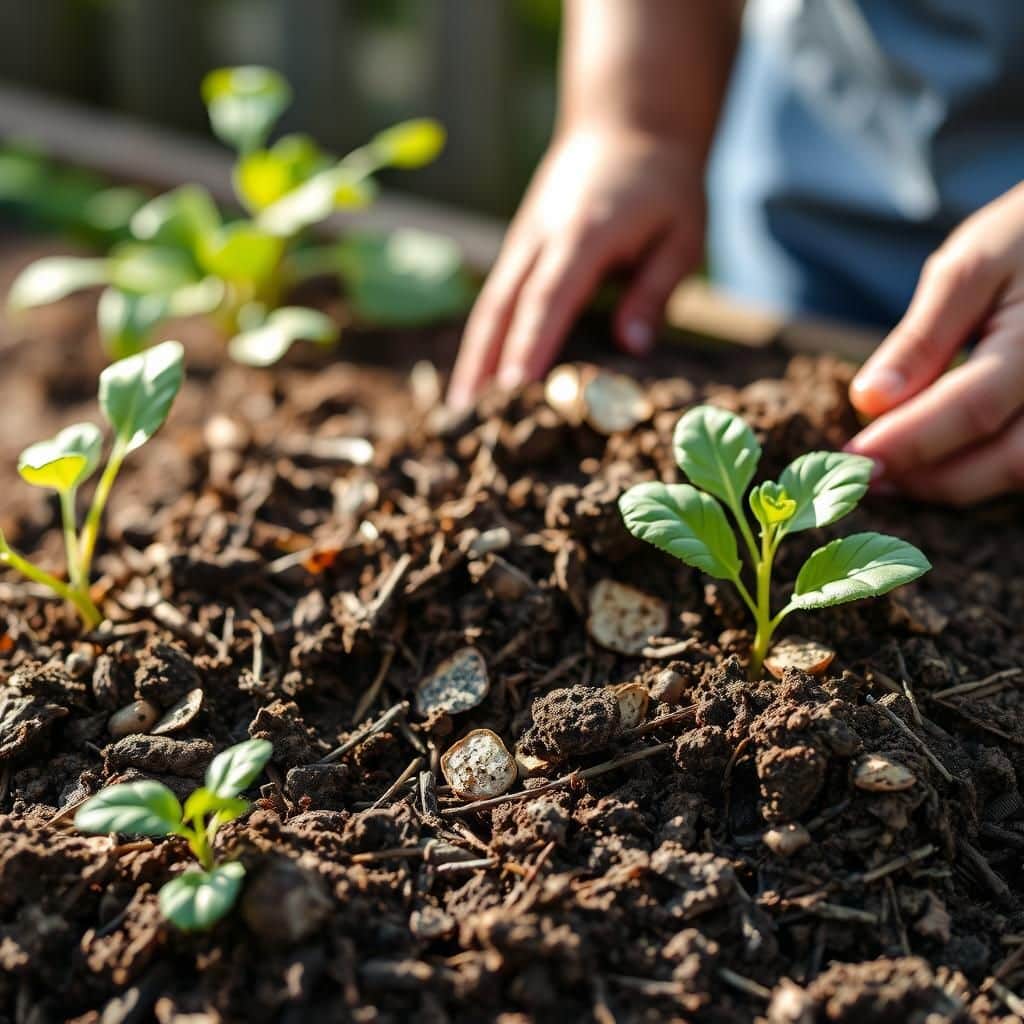
Composting is a rewarding endeavor that enriches your garden while minimizing waste. However, determining when your compost is ready to use can be challenging, especially for novice gardeners. An unready compost heap can hinder plant growth and may even attract pests. In this article, we will explore essential tips to help you identify the signs of mature compost, ensuring that you reap the full benefits of your organic material. From visual cues to smell and texture, understanding the indicators of readiness will set you on the path to nurturing a thriving garden with nutrient-rich soil.
How to Determine If Your Compost is Ready to Use
To know if your compost is ready for use, observe its color and texture; it should appear dark brown or black and crumbly, resembling rich soil. Additionally, the earthy smell should be pleasant, not strong or foul, indicating that the decomposition process has completed properly. You can also conduct a simple test by checking the temperature; if it is close to the ambient temperature and no longer producing heat, your compost is likely finished. Lastly, ensure that the original materials are no longer recognizable, as this signifies that they've broken down effectively.
Visual Indicators of Finished Compost
One of the most direct ways to assess if your compost is ready is by examining its visual characteristics. Ideal finished compost should be a dark brown or black color, akin to rich soil, and its texture should be crumbly. If you can still see large pieces of kitchen scraps or yard waste, it indicates that the compost needs more time to decompose. An even, uniform consistency is a strong visual cue that it is ready for use.
Smell Test for Compost Readiness
Another effective method to check the readiness of your compost is by performing a smell test. Well-composted material should emit a pleasant, earthy aroma, indicative of healthy decomposition. If the compost has a strong, sour, or ammonia-like odor, it may signify that it is still processing, possibly due to excess moisture or a lack of aeration. A neutral and earthy smell reveals that the compost is likely balanced and ready to enrich your garden.
Temperature Check for Compost
The temperature of your compost can also serve as an indicator of its maturity. During the active decomposition phase, compost piles typically heat up significantly. When the temperature of the compost has dropped to approximately the same level as the ambient air, it is often a sign that the decomposition process has slowed down and that the material is nearing completion. At this stage, you can expect the compost to be ready for use in your garden.
See also:
Testing for Recognizable Materials
A foolproof way to determine the readiness of your compost is by checking for recognizable materials. If you can still identify the original items, such as fruit peels, twigs, or leaves, this suggests that the composting process is incomplete. Ideally, the materials should have broken down into a homogenous substance, making it challenging to differentiate between the original components. The absence of recognizable waste is a clear indicator of finished compost.
Composting Timeline and Duration
The timeline for composting can vary greatly depending on various factors such as temperature, moisture levels, and the materials used. Generally, it takes anywhere from two months to one year for compost to fully mature. However, by familiarizing yourself with the indicators mentioned above – color, smell, temperature, and the breakdown of materials – you can better gauge when your compost has reached optimal readiness, allowing you to use it effectively in your gardening endeavors.
| Indicator | Description |
|---|---|
| Color | Dark brown or black, similar to rich soil |
| Texture | Crumbling, with a uniform consistency |
| Smell | Pleasant earthy aroma |
| Temperature | Near ambient temperature, not generating heat |
| Recognizable Materials | No visible original scraps or yard waste |
Signs That Indicate Your Compost Is Ready for Use
When assessing whether your compost is ready for gardening, look for key indicators such as a crumbly texture, an earthy smell, and a dark brown color. The presence of worms and a lack of recognizable food scraps also suggest that the composting process is complete. The temperature should be cooler than when the compost was initially active, indicating it's no longer decomposing. Collectively, these signs signify that your compost is nutrient-rich and suitable for enhancing your garden soil.
Visual Indicators of Finished Compost
One of the primary visual indicators of finished compost is its texture. It should have a crumbly, soil-like appearance, devoid of large, identifiable pieces of organic material. Instead, you should see a mix of fine particles that blend well together. The color will typically shift to a rich, dark brown or black, reflecting the nutrient content. This transformation shows that the organic matter has successfully decomposed, making it suitable for use in your garden.
Smell and Aroma of Compost
A critical aspect of determining the readiness of your compost lies in its aroma. Mature compost should emit a pleasant, earthy smell, reminiscent of rich soil. If the compost has a foul or ammonia-like odor, it indicates that the process is still in motion and may require further aeration or balanced material. A proper balance of carbon (browns) and nitrogen (greens) can help eliminate unwanted odors, signaling that your compost is healthy and finished.
See also:
The Role of Temperature in Composting
Monitoring the temperature of your compost is essential in assessing its readiness. Active composting generates heat as microorganisms break down organic materials. When the temperature drops to ambient levels, it typically indicates that the main decomposition process has slowed down or stopped. This cooling phase often suggests that the compost is transitioning to a mature state, making it ideal for application in your garden.
Testing for Maturity with a Jar Test
A simple yet effective way to check compost maturity is through the jar test. Take a small sample of your compost and place it in a jar with water. Shake it vigorously and let it settle for a few hours. If a foul smell emanates or you notice a significant amount of organic debris floating in the water, it indicates that the compost is not yet ready. Conversely, clear water with minimal floating material suggests a well-decomposed product, confirming its suitability for use.
Worm Activity as an Indicator
The presence of worms is often a significant indicator of finished compost. These creatures thrive in nutrient-rich environments, and their activity indicates that the compost is not only breaking down effectively but is also a beneficial habitat for soil health. If you observe a healthy population of worms in your compost, it's a good sign that your compost is ready and packed with microbial life that will aid your gardening efforts.
Questions from Our Readers
How can I tell if my compost is ready to use?
The best way to determine if your compost is ready to use is to look for dark, crumbly texture and a pleasant earthy smell. If the materials you started with are no longer recognizable and the pile has reduced in size, it’s likely that your compost is ready.
What are the signs of unfinished compost?
Signs of unfinished compost include a strong odor, visible large chunks of materials, and a warm temperature in the pile. If you notice any of these signs, you should give it more time to decompose.
See also:
How long does it take for compost to be ready?
The time it takes for compost to become ready can vary widely, usually ranging from three months to a year. This depends on factors such as the materials used, the size of the pile, and the conditions under which it is composted.
Can I use compost that is not fully decomposed?
Using compost that is not fully decomposed is not recommended, as it can contain pathogens and weed seeds. Additionally, it may still compete for nutrients with your plants, which can hinder their growth.

If you want to read more articles like How Can I Tell If My Compost Is Ready to Use? Essential Tips for Gardeners, we recommend you check out our Compost category.
Leave a Reply
Related Articles