10 Effective Ways: How Can I Heat My Small Greenhouse for Free?
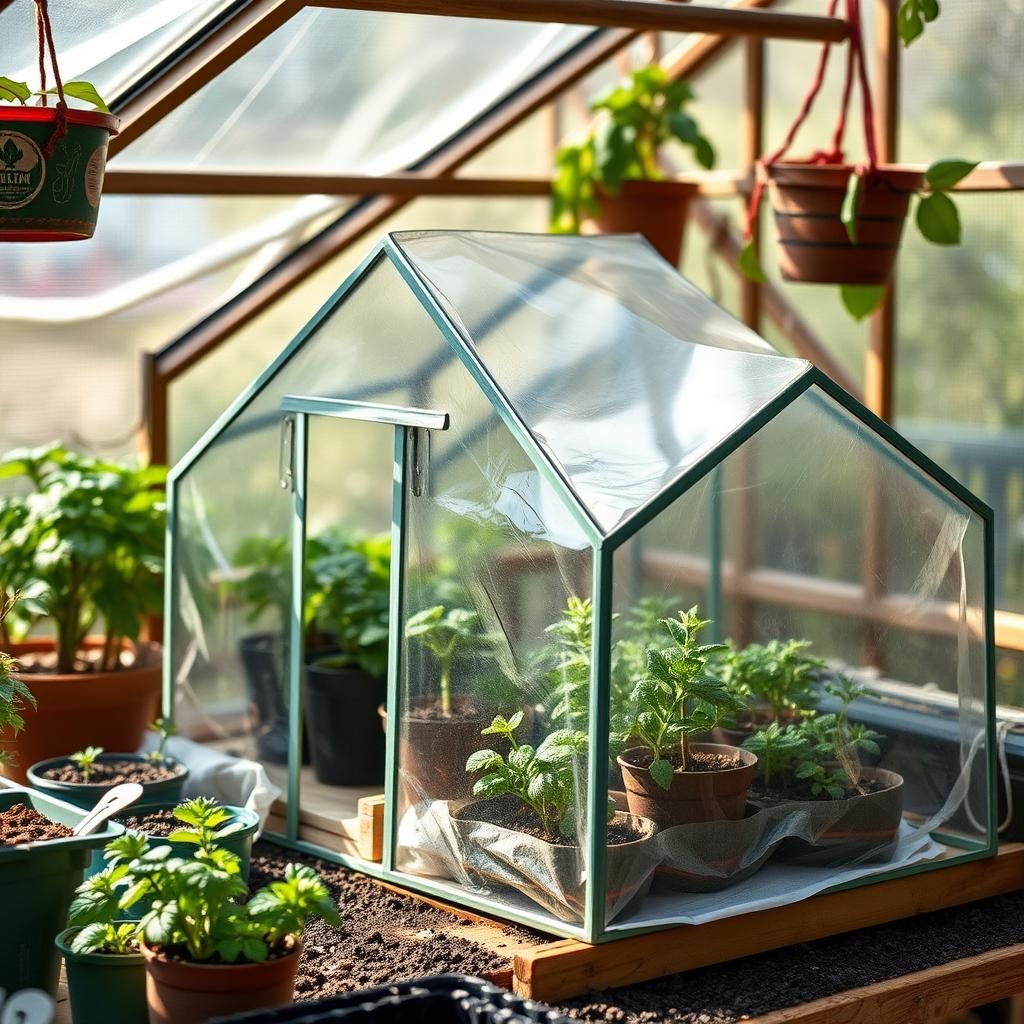
Heating a small greenhouse can be a challenge, especially when trying to minimize costs. However, there are several innovative and eco-friendly strategies to keep your greenhouse warm without breaking the bank. This article explores ten effective methods to heat your small greenhouse for free. From harnessing natural sunlight to utilizing compost and thermal mass, these techniques not only enhance the growth environment for your plants but also promote sustainability. By implementing these practical solutions, you can create a cozy atmosphere for your greenery while conserving energy and resources. Let’s dive into the details of each method.
Ways to Heat Your Small Greenhouse for Free
Heating your small greenhouse for free can be achieved through several innovative and sustainable methods that utilize natural resources and recycled materials. Utilizing passive solar heating is one of the most effective strategies; this involves strategically positioning your greenhouse to capture maximum sunlight during the day, which warms the interior naturally. Additionally, incorporating thermal mass materials, such as water barrels or stone, can help retain heat and release it slowly during cooler nights. Other methods include using compost heat, where decomposing organic matter generates warmth, as well as implementing windbreaks to minimize cold air drafts. Finally, employing insulation techniques such as bubble wrap or row covers can aid in reducing heat loss, ensuring a cozy environment for your plants without incurring heating costs.
Utilizing Passive Solar Heating
Passive solar heating is a technique that leverages the sun's energy to warm your greenhouse. By orienting your greenhouse to face the sun, especially in the winter months, you can maximize the amount of sunlight that enters. Installing large windows or panels made of glass or polycarbonate can help in trapping the sun’s heat. Making sure that your greenhouse is designed for optimal light exposure can significantly increase its temperature without the need for artificial heating methods.
Incorporating Thermal Mass
Thermal mass refers to the ability of materials to absorb and store heat. By placing items such as water barrels, bricks, or stones within your greenhouse, you can create a system where these materials absorb heat during the day and slowly release it at night. This process helps to stabilize the temperature inside the greenhouse, providing a more consistent climate for your plants. Consider painting water barrels black to enhance heat absorption.
Using Compost for Heat Generation
Composting not only provides nutrients to your plants but can also free up essential heat. As organic materials decompose, they generate heat through microbial activity. You can set up a compost pile or use compost bins inside or adjacent to your greenhouse. This heat can significantly raise the ambient temperature, especially during colder months, and is an effective way to ensure that your plants have a warm growing environment without any additional costs.
See also:
Implementing Windbreaks
Windbreaks are essential for protecting your greenhouse from cold drafts that can significantly decrease its internal temperature. Planting evergreen trees or installing fences around your greenhouse can effectively reduce wind speed and create a warmer shelter. This not only protects against chilling winds but also helps in maintaining the heat generated inside the greenhouse, thus contributing to a more stable and warm environment.
Insulation Techniques
Proper insulation is vital for retaining heat in your greenhouse. Using materials such as bubble wrap or shade cloths can help insulate your greenhouse, minimizing heat loss during the night. Installing double layers of plastic sheeting can also create an additional layer of air, which serves as insulation. By sealing any gaps or cracks, you can further trap heat within the structure, significantly enhancing the overall effectiveness of your heating strategies.
| Method | Description | Benefits |
|---|---|---|
| Passive Solar Heating | Orientation and design to maximize sunlight | Free, utilizes natural sunlight |
| Thermal Mass | Using materials to store and release heat | Stabilizes temperature |
| Compost Heat | Generating heat through organic decomposition | Provides nutrients and warmth |
| Windbreaks | Protecting against cold winds | Reduces heat loss |
| Insulation | Using materials to minimize heat loss | Enhances warmth retention |
Utilizing Natural Resources for Greenhouse Heating
Maximizing the use of natural resources is crucial when aiming to heat your small greenhouse without incurring costs. One effective method is to harness solar energy through strategically placed solar panels or greenhouse materials that enhance sunlight penetration. Additionally, incorporating thermal mass elements, such as water barrels or stones, can store heat during the day and release it at night. By implementing these methods, not only will you maintain a comfortable temperature for your plants, but you will also reduce reliance on external heating sources, making your greenhouse more sustainable.
Insulation Techniques for Greenhouses
Proper insulation is vital for maintaining warmth within a small greenhouse. Using insulating materials such as bubble wrap or thermal curtains can significantly reduce heat loss during colder nights. Additionally, ensuring that the greenhouse is airtight will minimize drafts and enhance thermal efficiency. Reflective surfaces can also be utilized to help maximize sunlight absorption during the day, contributing to overall temperature stability.
Composting for Heat Generation
A well-managed compost pile can generate a surprising amount of heat, making it an excellent organic solution for heating a greenhouse. As microorganisms break down organic matter, they produce thermal energy that can warm the surrounding air. By placing compost bins strategically around or within the greenhouse, you can capture this biological heat, keeping your plants comfortable even in winter months.
See also:
Using Water Barrels as Thermal Mass
Incorporating water barrels into your greenhouse design can serve as an effective thermal mass. Water has a high thermal capacity, meaning it can absorb heat during the day and release it slowly at night. By painting the barrels dark colors and placing them in direct sunlight, you can increase their heat absorption. This method not only helps to maintain a stable temperature but also reduces the need for external heating resources.
Plant Selection for Companion Heating
Choosing the right plants can inadvertently assist in heating your greenhouse. Certain plants, like tomatoes and peppers, produce excess heat during their growth process. By planting these heat-generating varieties, you can create a warm microenvironment within the greenhouse. Furthermore, dense plant arrangements can trap warmth among the foliage, creating a natural insulation layer.
Utilizing Heat from Nearby Structures
If your greenhouse is positioned near other structures, you might have the opportunity to harness excess heat emitted from those buildings. This can be a result of solar gain through windows or heat from appliances. Installing ventilation systems that direct this warm air toward your greenhouse can be an efficient way to utilize otherwise wasted thermal energy, ultimately creating a more hospitable environment for your plants.
Questions from Our Readers
How can I heat my small greenhouse for free using solar energy?
To heat your small greenhouse for free using solar energy, you can install solar panels or solar water heaters. These systems will convert sunlight into energy, which can then be used to warm air or water that circulates in your greenhouse. Additionally, using thermal mass materials, like rocks or barrels of water, can help absorb heat during the day and release it during the night, maximizing the use of solar energy.
What are some effective ways to retain heat in a greenhouse overnight?
To retain heat in your greenhouse overnight, consider using insulating materials such as bubble wrap or thermal curtains on the interior of the greenhouse. Proper ventilation during the day can also prevent overheating, while nighttime covers made of fleece or similar materials can trap heat. Additionally, placing heat-retaining objects, like stones, will help release warmth gradually as the temperature drops.
See also:
Can compost help in heating a small greenhouse?
Yes, compost can significantly help in heating a small greenhouse. As organic matter decomposes, it generates heat through the chemical process of aerobic decomposition. By incorporating a compost bin inside or adjacent to your greenhouse, you can take advantage of this natural heat source, especially during the cooler months, to help maintain a suitable temperature for your plants.
How do I utilize passive solar heating in my greenhouse?
To utilize passive solar heating in your greenhouse, design it to maximize sunlight exposure through south-facing windows and ensure proper orientation and insulation. Using materials like thermal mass (such as concrete or water-based systems) can help store heat during sunny days and release it at night. Additionally, consider using retractable shading to control heat gain during peak sunlight hours and maintain a stable internal climate.

If you want to read more articles like 10 Effective Ways: How Can I Heat My Small Greenhouse for Free?, we recommend you check out our Greenhouse category.
Leave a Reply
Related Articles