How Big Can You Build a Pergola Without a Permit? Essential Guidelines and Regulations Explained

When considering the addition of a pergola to your outdoor space, one of the crucial factors to navigate is the legal requirements surrounding its construction. Many homeowners are eager to enhance their gardens, but understanding how large you can build a pergola without needing a permit is essential. This article will explore the guidelines and regulations that vary by location, providing clarity on the dimensions allowed and the potential implications of exceeding those limits. By following these essential guidelines, you can enjoy your new structure with peace of mind, ensuring compliance and maximizing your outdoor living experience.
How Big Can You Build a Pergola Without a Permit?
Building a pergola without a permit largely depends on the local regulations and zoning laws of your area. In many cases, municipalities allow homeowners to construct a pergola up to a specific size without requiring a building permit. Typically, this size can range from 100 to 200 square feet, but it can vary significantly based on local codes. It's essential to check with your local building authority or planning department to determine the exact dimensions and restrictions applicable in your locality. Additionally, obeying property line setbacks and considering utility easements are crucial to avoid any legal issues.
Understanding Local Regulations
Local regulations can differ greatly not only from state to state but also between different municipalities. It's vital to consult your local building department to ascertain the rules regarding the construction of a pergola without a permit. Occasionally, cities might have overarching rules that affect how large your structure can be, or there might be additional requirements based on your neighborhood's homeowners association guidelines.
Permitting Thresholds
Most jurisdictions establish what is called a permitting threshold, often delineating the maximum size of outdoor structures that can be built without a permit. This threshold usually exists to ensure that constructions meet specific safety standards and do not interfere with community aesthetics or property values. Determining your local threshold can save you time, money, and potential legal hurdles.
Permanent vs. Temporary Structures
The distinction between permanent and temporary structures can also affect whether a pergola requires a permit. Generally, a temporary structure, which may be used seasonally or is easily moved, might not need a permit even if it exceeds the size limits for permanent structures. However, be aware that what qualifies as temporary can vary significantly based on local regulations.
Building Beyond the Limit
If your plans exceed the size limits for building without a permit, you may need to secure a building permit, which often involves submitting plans and payment of fees. The permitting process can include inspections and adherence to safety codes, which, while adding a degree of complexity and time to your project, can prevent future issues by ensuring your structure is safe and compliant with local law.
Consequences of Non-Compliance
Constructing a pergola without understanding the necessary permits can lead to various repercussions, including fines or being required to remove the structure. Additionally, if you plan to sell your home in the future, undisclosed unpermitted work could complicate the sale and ultimately affect property value. Therefore, ensuring compliance from the beginning is crucial for peaceful enjoyment of your structure long-term.
| Aspect | Details |
|---|---|
| Permit Size | Typically ranges from 100 to 200 square feet |
| Local Regulations | Can vary by municipality and state |
| Compliance | Essential for legal and safety purposes |
| Consequences | Fines, removal of structure, issues during property sale |
| Temporary Structures | Might not require a permit based on local laws |
Do I have to get a permit for a pergola?

The requirement for a permit for a pergola often depends on various factors such as your location, the size and height of the structure, and the local building codes. In many areas, pergolas that are considered temporary or are of a certain size and height may not require a permit. However, larger or more permanent structures typically do require building permits. It is essential to check with your local government or building department to determine the specific requirements in your area.
Understanding Local Building Codes
Understanding local building codes is crucial when considering the construction of a pergola. These codes can vary significantly depending on the jurisdiction and may include specific regulations regarding:
- Structure dimensions: Many codes enforce height limits and size specifications.
- Proximity to property lines: Regulations often stipulate how close a structure can be to neighboring properties.
- Design and materials: Local codes may dictate acceptable materials for safety and aesthetic reasons.
Types of Pergolas and Permitting Needs
Not all pergolas are treated equally in the eyes of local authorities. The type of pergola you are planning to build will influence whether a permit is required. Generally, key considerations include:
- Attached vs. freestanding: Attached pergolas often have different permitting requirements than freestanding ones.
- Permanent vs. temporary: Structures designed to last for a long time are more likely to require permits.
- Height restrictions: Taller pergolas may require more stringent reviews or permits.
Benefits of Obtaining a Permit
Obtaining a permit for your pergola can have several advantages, including:
- Ensured compliance: A permit helps ensure that your structure complies with local building codes.
- Reduced liability: Proper permits can protect you from potential liability issues in case of damage or injury.
- Increased property value: Well-constructed and legally built structures can enhance your property's market value.
How to Apply for a Pergola Permit
If you determine that a permit is necessary for your pergola, applying for one typically involves several steps:
See also:
- Visit your local building department: Gather information on the specific requirements and application process.
- Prepare your plans: You may need to submit detailed plans or drawings of your pergola.
- Submit applications and fees: Complete the required forms and pay any associated fees for the permit.
Consequences of Building Without a Permit
Building a pergola without the necessary permits can lead to various complications, such as:
- Fines and penalties: Local authorities may impose fines for unauthorized construction.
- Required removal: You may be ordered to dismantle the structure if it's found to be built illegally.
- Insurance issues: Having an unpermitted structure may affect your insurance coverage in case of damage.
How high can a pergola be without planning permission?
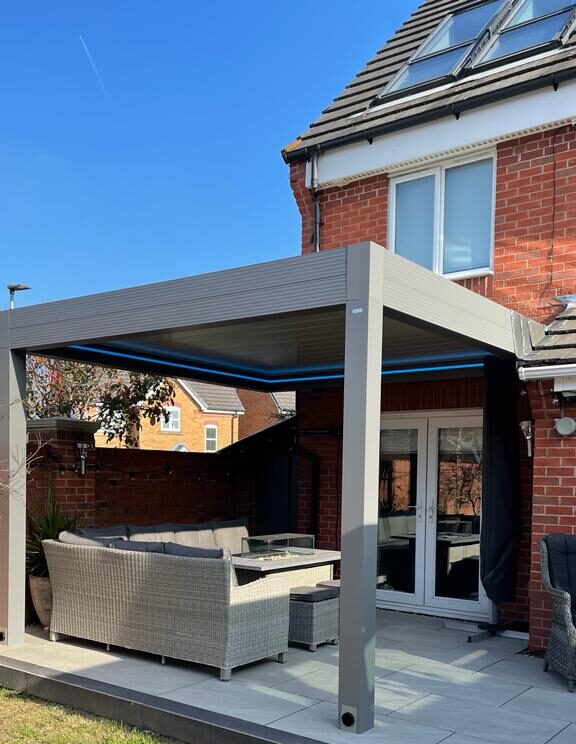
The height at which a pergola can be constructed without requiring planning permission varies depending on local regulations, which can differ widely based on the country, region, or even municipality. Generally, in the UK, for instance, the maximum height for a pergola that doesn't require planning permission is often set at 2.5 meters when built close to a boundary. However, if your pergola is set further back from the boundary, it may be allowed to be higher, often up to 4 meters in total height. In other countries, such as the United States, the rules can vary greatly from one municipality to another, so it is essential to check with local zoning laws. Here's a detailed breakdown:
Local Regulations and Their Importance
Understanding local regulations is crucial when planning to construct a pergola. Different jurisdictions may have specific codes that dictate the height and placement of outdoor structures.
- Consult Zoning Laws: Always check your local zoning laws to ensure compliance.
- Building Codes: Be aware of any applicable building codes that may set different height restrictions.
- Neighborhood Regulations: Some homeowner associations may have their own rules regarding the height of structures.
Typical Height Limits for Pergolas
Most regions have typical height limits for pergolas to ensure they blend aesthetically with the surrounding landscape and do not overshadow neighboring properties.
- Under 2.5 Meters: Commonly permitted height when located near property boundaries.
- Up to 4 Meters: Allowed in many areas if the structure is built away from boundaries.
- Special Cases: Certain designs like lean-tos may have different height stipulations.
Variances and Exceptions
Sometimes, homeowners may apply for a variance that allows for a higher pergola than typically permitted under zoning laws.
- Application Process: Engage with local authorities to understand the application process for variances.
- Justification: Be prepared to provide reasons why a variance should be granted.
- Public Input: Some jurisdictions may require public input or hearings for variances.
Impact of Surrounding Structures
The height limitations for your pergola may also be influenced by the height and proximity of surrounding structures.
- Proximity to Existing Buildings: Neighboring buildings may limit your pergola height to ensure sunlight access.
- Design Considerations: Aesthetics can play a role; designing in harmony with the surroundings is often favored.
- Site Elevation: The elevation of your property relative to adjacent properties can also affect height allowances.
Checking for Permits Before Construction
It is always wise to verify if any permits are required before starting construction on a pergola.
- Pre-Construction Check: Before commencing any work, confirm if a permit is needed to avoid fines.
- Documentation: Keep copies of any permits or correspondence with local authorities.
- Professional Consultation: Consider consulting with a professional who understands local regulations.
How big can a pergola be with 4 posts without?
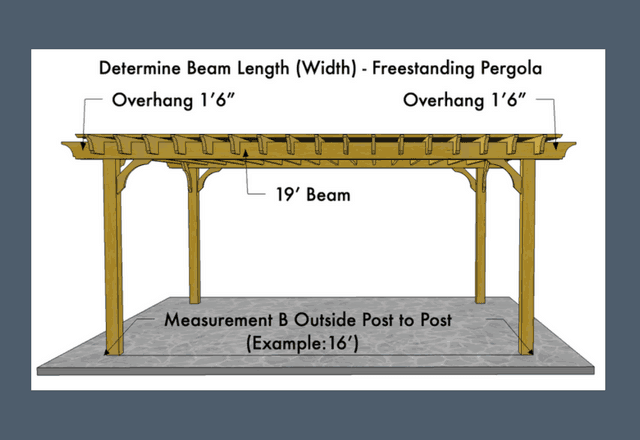
To determine how big a pergola can be with four posts, it is essential to consider several factors, including the materials used, local building codes, and the intended use of the structure. Generally, a standard pergola can range from 10 feet to 20 feet in width and length, depending on these considerations. The spacing of the posts, structural integrity, and personal preference also play significant roles in the final dimensions.
Understanding Post Spacing
The spacing of the posts can significantly influence the size of your pergola. Typically, your posts should be spaced out evenly for adequate structural support.
- The posts are generally placed between 8 to 10 feet apart.
- Wider spacing may require additional support beams to avoid sagging.
- Choosing a size that aligns with standard lumber lengths can optimize material use.
Materials and Their Impact on Size
The materials you choose can affect both the size and height of the pergola. Common materials include wood, vinyl, and metal.
- Wooden pergolas can usually span greater distances compared to other materials without additional support.
- Vinyl and metal may offer more durability but can limit the overall dimensions due to their weight distribution.
- Consideration of weather conditions (e.g., wind load) is crucial, as heavier materials may require more substantial posts.
Building Codes and Regulations
Local building codes play a crucial role in determining the maximum size for your pergola.
See also:
- Consult local regulations for limits on structure sizes in residential areas.
- Permits may be necessary for pergolas exceeding specific dimensions.
- Compliance with zoning laws will ensure safety and adherence to community standards.
Intended Use of the Pergola
The intended use of your pergola also impacts its size. Whether for shade, decoration, or hosting gatherings can dictate dimensions.
- A pergola for entertaining may need larger dimensions to accommodate furniture.
- If used for covering a walkway, a narrower, elongated design may suffice.
- Consider future uses or expansions to avoid limitations in size.
Design Considerations
Lastly, aesthetic and design elements should not be overlooked when determining the size of your pergola.
- Choose a style that complements your landscape and existing structures.
- Architectural elements, such as beams and rafters, can affect how big the pergola can be.
- Proportional dimensions enhance visual appeal and coherence in your outdoor space.
What is the maximum square footage without a permit?

The maximum square footage without a permit varies by location due to differing local building codes and regulations. Generally, many jurisdictions allow a certain amount of unpermitted construction, often referred to as exempt structures or accessory structures, such as sheds or small gazebos. For example, in some areas, homeowners may construct structures up to 200 square feet without needing a permit, while in others, the limit may be 120 square feet. It's essential to consult local regulations or a professional to determine specific limits in your area.
Understanding Local Building Codes
Local building codes are laws that govern how buildings must be constructed and maintained within a specific area. These codes can vary significantly from one municipality to another. Here are some key points to understand:
- Variability: Each locality has unique building codes, which may define different maximum sizes for unpermitted structures.
- Intent: Codes often reflect safety concerns, zoning regulations, and community aesthetics.
- Research: Always check with your local building department for the most accurate and updated information.
Common Types of Exempt Structures
Exempt structures usually include smaller constructions that do not require permits. These can include a range of items:
- Sheds: Commonly limited to around 120-200 square feet, useful for storage.
- Decks: Certain small decks may also fall under the same size limitations.
- Playhouses: Children's play structures can be under the maximum size, making them exempt.
Permanent vs. Temporary Structures
Understanding the difference between permanent and temporary structures can influence whether a permit is needed. Key distinctions include:
- Permanent Structures: These are typically built to last and may require permits regardless of size.
- Temporary Structures: These may include tents or temporary enclosures, often exempted from permits based on size and duration.
- Guidelines: Always verify the intended use and duration of any structure to determine permit needs.
Consequences of Exceeding Limits
Building without a necessary permit or exceeding size limits can lead to several issues:
- Fines: Local authorities may impose fines or penalties for unpermitted construction.
- Removal Orders: You might be required to remove or alter the structure.
- Impact on Insurance: Unpermitted structures can complicate insurance claims or liabilities.
Steps to Ensure Compliance
To avoid issues related to building without a permit, you can take several proactive steps:
- Research: Investigate local building codes and requirements before starting any construction.
- Consultation: Contact your local building authority for guidance on plans.
- Documentation: Keep records of any communications and approvals for future reference.
Questions from Our Readers
How big can you build a pergola without a permit?
Building a pergola without a permit often depends on local building codes and regulations, which can vary significantly. Generally, many areas allow structures under 10 to 15 square meters (approximately 100 to 160 square feet) to be built without a permit, but it's essential to check with your local authorities to ensure compliance.
What factors determine the size of a pergola that can be built without a permit?
Factors that determine the permitted size of a pergola include local zoning laws, the type of property (residential vs. commercial), and whether the structure is attached to an existing building or free-standing. Each municipality may have its own specific guidelines, so it's crucial to be aware of these before proceeding.
Do height restrictions apply to pergolas built without a permit?
Yes, height restrictions may also apply when building a pergola without a permit. Many jurisdictions have maximum height limits, often set at 2.5 to 3 meters (about 8 to 10 feet), to ensure that structures do not obstruct views or impact neighboring properties. Always verify the local regulations regarding height.
Are there penalties for building a pergola without the required permit?
Building a pergola without the required permit can lead to penalties, including fines or the requirement to demolish the structure. Additionally, it can complicate future property sales or renovations, so it is advisable to obtain necessary approvals before starting your project.
See also:

If you want to read more articles like How Big Can You Build a Pergola Without a Permit? Essential Guidelines and Regulations Explained, we recommend you check out our Pergola category.
Leave a Reply
Related Articles