Transform Your Home with Stunning Front Yard Australian Cottage Garden Design Ideas
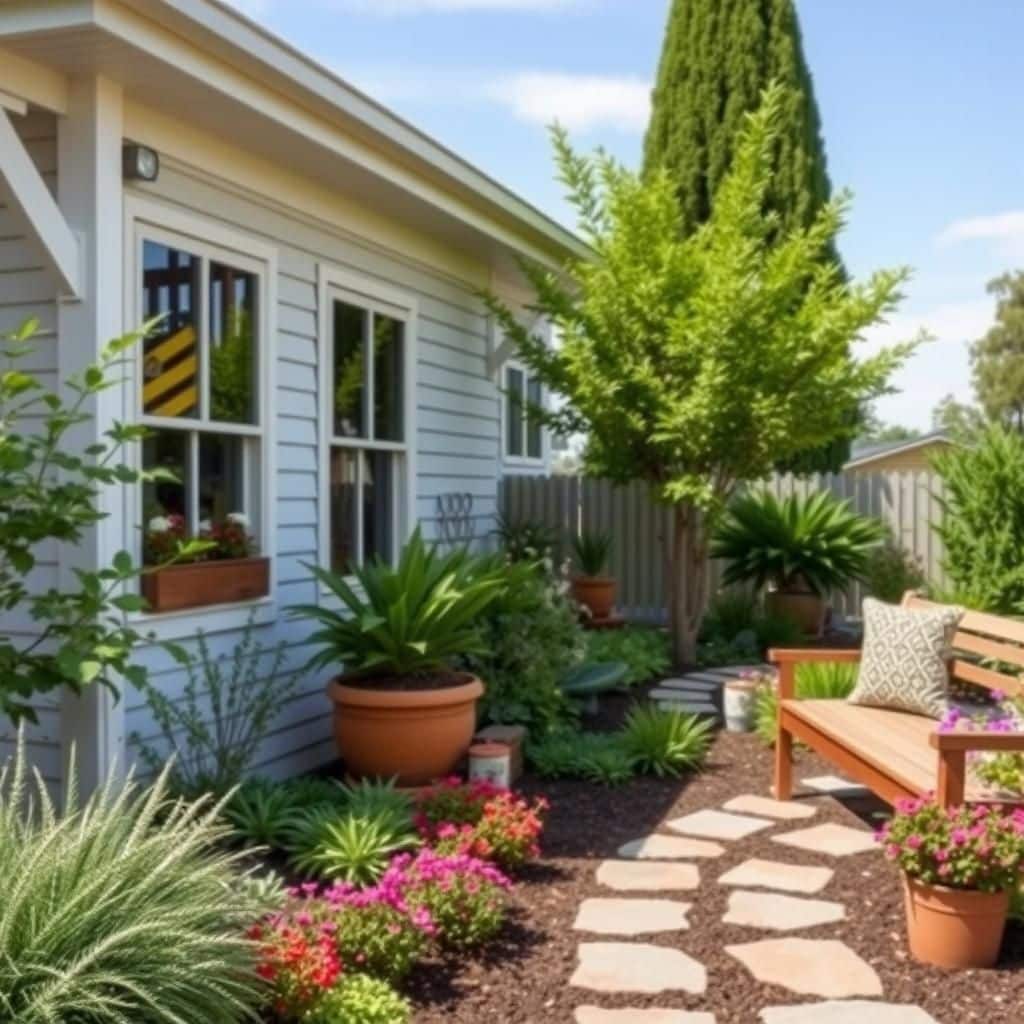
Creating a beautiful front yard is a remarkable way to enhance the curb appeal of your home while reflecting your personal style. Australian cottage gardens, known for their charming and vibrant designs, offer a perfect blend of color, texture, and fragrance. These gardens prioritize a relaxed, informal look, filled with a diverse array of plants, flowers, and pathways that invite exploration. In this article, we will explore stunning design ideas that can transform your front yard into an enchanting space, showcasing the unique elements that define Australian cottage gardens. Get ready to inspire your next landscaping project with these creative ideas!
Designing a Charming Australian Cottage Garden in Your Front Yard
Creating an authentic Australian cottage garden in your front yard can transform your outdoor space into a picturesque escape that reflects the natural beauty of the landscape. This unique style combines a variety of flowering plants, shrubs, and native species, resulting in a vibrant and lush garden that attracts local wildlife. Incorporating elements such as stone pathways, weathered fences, and rustic garden furniture can enhance the cottage charm while promoting a sense of warmth and invitation. Consider layering different heights of plantings and using perennials alongside annuals to ensure year-round interest. By carefully selecting a palette of soft colors and fragrant flowers, you can create an enchanting atmosphere that effortlessly blends with the surrounding Australian countryside.
Key Characteristics of Australian Cottage Gardens
The key characteristics of an Australian cottage garden include a mixture of native plants, perennials, and colorful annuals that create a lush, informal layout. These gardens often feature flowering plants such as lavender, roses, and geraniums, combined with low-maintenance herbs and vegetables. The aim is to cultivate a sense of abundance and a relaxed ambiance, with winding paths and hidden nooks encouraging exploration. Additionally, the use of natural materials like timber and stone in garden structures enhances the aesthetic appeal while harmonizing with the native environment.
Selecting Plants for Your Garden
When selecting plants for your cottage garden, prioritize local species that thrive in your climate and soil conditions. Incorporating a blend of drought-resistant plants alongside those that require more water will allow for a sustainable garden that requires minimal upkeep. Some exceptional choices for Australian cottage gardens include kangaroo paw, bottlebrush, and tea tree. To achieve a natural look, group plants in clusters rather than rows, and consider companion planting to promote biodiversity and improve growth.
Incorporating Garden Structures
Garden structures play a crucial role in the design of an Australian cottage garden. Features such as trellises, arbors, and pergolas not only provide support for climbing plants but also add vertical interest to the landscape. Using reclaimed materials can enhance the rustic appeal of the garden, while benches and seating areas encourage relaxation and enjoyment of the surroundings. Additionally, incorporating a small shed or potting area can serve both functional and aesthetic purposes, providing storage while enriching the cottage charm of the garden.
Designing Pathways and Borders
Pathways and borders are essential components of an Australian cottage garden, guiding visitors through the vibrant landscape and creating defined areas for planting. Opt for natural materials like gravel, bricks, or decomposed granite, which complement the garden's rustic theme. Curving pathways create a sense of mystery and adventure, inviting exploration into various garden segments. Edging with low-growing plants or decorative stones can enhance the visual appeal and help delineate garden spaces, ensuring a cohesive and attractive design.
Wildlife-Friendly Features
A significant advantage of an Australian cottage garden is its potential to support local wildlife. Incorporating features such as birdhouses, insect hotels, and water sources can attract a diverse array of animals, enhancing the garden's liveliness. Choosing native plants not only provides food and shelter for local fauna but also helps maintain a balanced ecosystem. By embracing a nature-friendly approach, you can create a dynamic garden that contributes to environmental sustainability while celebrating the beauty of Australia’s natural heritage.
| Feature | Description |
|---|---|
| Plants | A mix of native species, perennials, and annuals |
| Pathways | Curved and inviting, made with natural materials |
| Structures | Trellises, arbors, and benches that enhance charm |
| Wildlife Features | Birdhouses, insect hotels, and diverse plantings |
| Color Palette | Soft colors for a harmonious look |
What is the 70/30 rule in gardening?

The 70/30 rule in gardening refers to the optimal distribution of resources, specifically where 70% of the gardening efforts and resources are allocated to the soil and 30% to the plants themselves. This rule emphasizes the critical importance of having healthy, nutrient-rich soil as the foundation for successful plant growth. By ensuring that the soil is of high quality, gardeners can create a thriving environment that allows the plants to flourish.
Importance of Soil Quality
The quality of soil is paramount in gardening as it directly affects the health of the plants. Good soil is rich in organic matter, well-draining, and has a balanced pH level.
See also:
- Organic Matter: Soil rich in organic matter provides essential nutrients for plants.
- Aeration: Well-draining soil allows roots to breathe and prevents waterlogging.
- pH Balance: A balanced pH ensures that plants can absorb nutrients effectively.
Soil Preparation Techniques
Proper soil preparation is essential for implementing the 70/30 rule effectively. Techniques such as amending soil with compost, tilling, and testing pH are crucial.
- Compost: Adding compost improves soil fertility and structure.
- Tilling: Tilling helps to aerate the soil and mix in organic materials.
- Testing: Regular soil tests help in understanding nutrient levels and pH, allowing for better amendments.
Plant Selection
Choosing the right plants that suit the soil type and local climate is another crucial aspect of the 70/30 rule.
- Native Plants: Selecting plants native to the area often leads to better survival and lower maintenance.
- Drought-Resistant Varieties: These plants require less watering and are more resilient to soil conditions.
- Growth Habit: Consider the growth needs of plants (height, spread) to optimize space and resources.
Maintenance Practices
Ongoing maintenance is key to ensuring that both soil and plants continue to thrive under the 70/30 guideline.
- Mulching: Using mulch improves moisture retention and suppresses weeds, benefiting both soil and plants.
- Fertilization: Regularly feeding the soil with appropriate fertilizers will replenish nutrients taken by plants.
- Pest Control: Monitoring and managing pests can prevent damage to plants and reduce stress on the soil ecosystem.
Benefits of the 70/30 Rule
The adoption of the 70/30 rule can lead to higher yields, healthier plants, and a more sustainable gardening practice.
- Increased Resilience: Healthy soil contributes to stronger plants that can better withstand environmental stressors.
- Lower Input Costs: Investing more in soil can reduce the need for chemical fertilizers and other inputs.
- Environmental Impact: Promoting healthy soil helps enhance biodiversity and supports local ecosystems.
What is the best shrub for a cottage garden?
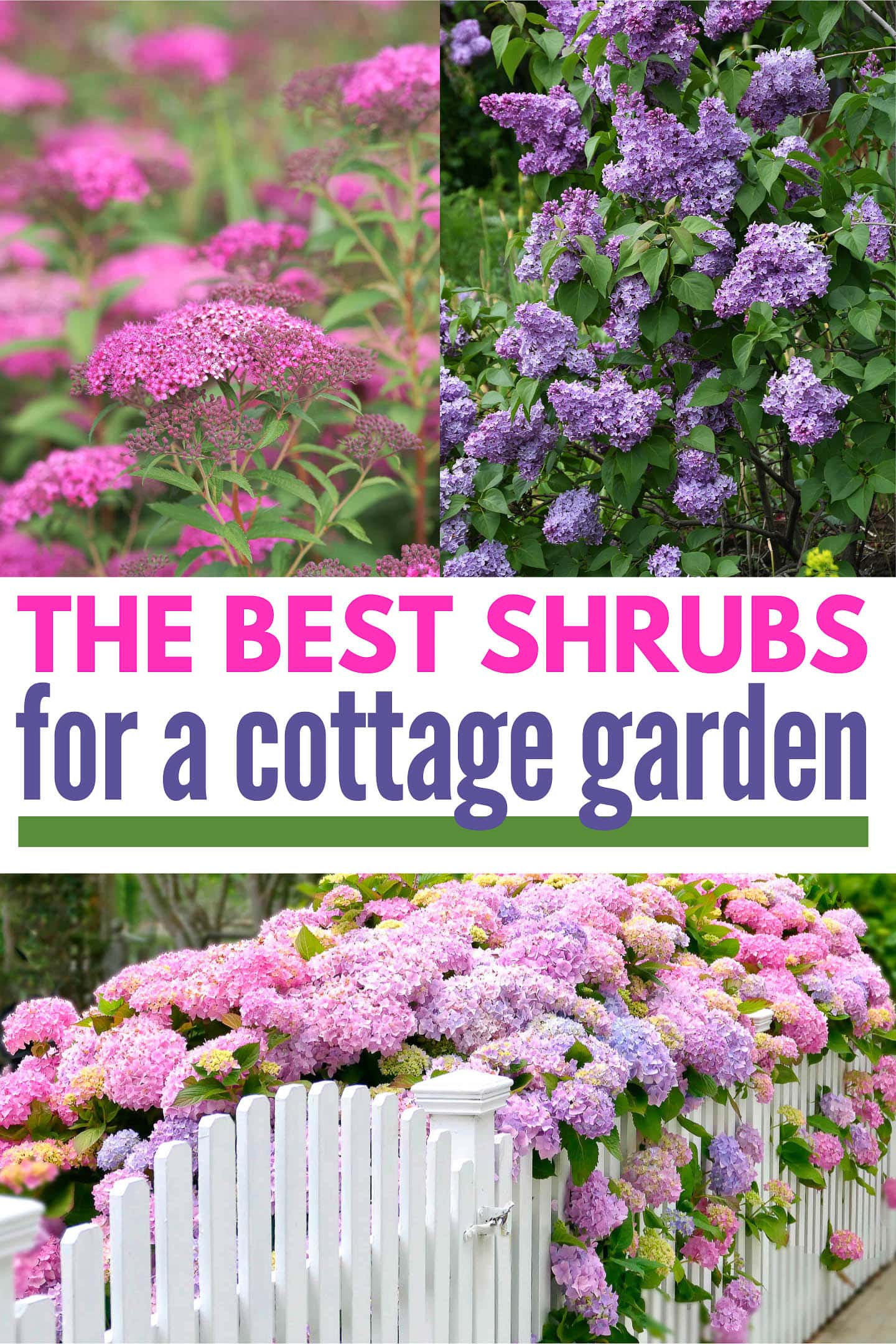
The best shrub for a cottage garden is the Rose of Sharon (Hibiscus syriacus), not only because of its stunning blooms but also due to its hardiness and versatility. This shrub thrives in various soil types and is tolerant of drought, making it an excellent choice for gardeners looking to achieve a whimsical yet low-maintenance aesthetic. Its broad selection of colors and varieties can enhance the romantic appeal of a cottage garden, providing vibrant flowers from summer into fall.
Popular Shrubs for Cottage Gardens
When planning a cottage garden, it’s important to consider a variety of shrubs that will contribute to the overall charm. Here are some popular options:
- Lavender - Known for its fragrant flowers and silvery foliage, lavender provides a lovely scent and attracts pollinators.
- Spiraea - These shrubs offer beautiful clusters of flowers, and their varied growth habits allow for excellent landscape versatility.
- Hydrangea - With their large, showy blooms, hydrangeas can serve as stunning focal points in a garden.
Choosing the Right Location for Shrubs
Selecting the right location for shrubs in a cottage garden is crucial for their success. Consider the following factors:
- Sunlight - Most cottage garden shrubs prefer full sun to partial shade, so assess how much sunlight your chosen area receives throughout the day.
- Soil Quality - Ensure the soil is well-draining and enriched with organic matter to support healthy shrub growth.
- Spacing - Proper spacing prevents overcrowding and promotes air circulation, essential for healthy plants.
Maintenance Tips for Cottage Garden Shrubs
Maintaining shrubs in a cottage garden involves specific practices to keep them thriving:
- Pruning - Regular pruning encourages bushier growth and enhances flowering. Be mindful of the specific needs of each shrub type.
- Watering - Newly planted shrubs require consistent moisture; however, established shrubs are often more drought-tolerant.
- Fertilizing - A balanced fertilizer in the spring can boost growth, but it’s crucial not to over-fertilize.
Companion Planting for Shrubs
Selecting companion plants can enhance the beauty and health of shrubs in a cottage garden. Consider these pairings:
See also:
- Perennials - Planting perennials like echinacea or daylilies alongside shrubs can create visual interest and attract pollinators.
- Annuals - Integrate annuals for seasonal color changes, ensuring they complement the shrub’s blooming schedule.
- Ground Covers - Low-growing ground covers such as creeping thyme help suppress weeds while adding texture around shrubs.
Seasonal Interest in Cottage Garden Shrubs
Cottage gardens should ideally provide year-round interest. Here’s how shrubs can contribute:
- Spring Blooms - Early flowering shrubs like forsythia can kick off the color display in the garden.
- Summer Foliage - During the summer months, shrubs such as potentilla maintain vibrant foliage and flowers, creating a lush appearance.
- Fall and Winter Structure - Some shrubs provide visual interest in the fall with their changing leaves or winter silhouette, such as dogwoods or witch hazels.
What are the colors for a cottage garden?
:strip_icc()/summer-cottage-garden-b0bb31da-4f4196a103bb4274a1f34bdd333933f8.jpg)
Cottage gardens are known for their charmingly informal style and vibrant color palette. The colors for a cottage garden typically include a mix of soft pastels, bold hues, and a variety of wildflower-like blooms. Here’s a detailed exploration of the colors that are commonly found in a cottage garden.
1. Classic Pastels
Pastel colors play a significant role in the overall aesthetic of a cottage garden. These soft shades create a tranquil atmosphere and complement the natural surroundings beautifully.
- Pale Pink: Soft pink blooms like roses or peonies add a romantic touch.
- Lavender: This hue can be found in various flowers, providing a soothing visual.
- Baby Blue: Flowers like forget-me-nots introduce a gentle yet vibrant element.
2. Vibrant Jewel Tones
For those looking to make a bold statement, jewel tones can enhance the cottage garden aesthetic. These rich colors bring depth and drama to the garden.
- Crimson Red: This color draws the eye and is perfect for focal points.
- Deep Purple:Plants like dahlias bloom in deep purples, creating a striking contrast.
- Royal Blue: This shade adds a touch of elegance and pairs well with brighter hues.
3. Earthy Neutrals
Incorporating earthy neutrals can create balance and cohesion in a cottage garden. These colors serve as a backdrop for brighter blooms and help ground the overall design.
- Soft Beige: This color often appears in foliage or beige-toned flowers like delicate daisies.
- Olive Green: Adds natural depth and works beautifully with colorful blooms.
- Warm Browns: Incorporate woody stems or mulch to enhance the earthy feel.
4. Seasonal Changes
Cottage gardens are dynamic spaces that change with the seasons, making color variety essential. The seasonal blooms contribute to the garden's character and richness.
- Spring Greens: Fresh greens paired with early blooms like tulips brighten the garden.
- Summer Vibrancy: Mid-summer blossoms include sunflowers and zinnias, producing bright yellows and oranges.
- Autumn Hues: Fall introduces warm tones like burgundy and golden yellows as foliage begins to warm.
5. Mixing Textures and Forms
In a cottage garden, color is also influenced by texture and form. Different flower shapes and types can accentuate the colors used, providing visual interest.
- Single Blooms: These flowers often stand out with bold colors, such as a single sunflower.
- Clustered Flowers: Groups of flowers create areas of color that can mesmerize, such as a cluster of lavender.
- Varied Foliage: Different shades of green and leaf shapes add layers to the color scheme.
Questions from Our Readers
What are the key features of an Australian cottage garden design?
An Australian cottage garden design typically features a mix of flowers, shrubs, and vegetables that create a lush, informal appearance. These gardens often include native plants and a range of colorful blooms that appeal to local wildlife. Pathways and rustic fences are also common, enhancing the garden's charm and character.
How do I choose plants for my front yard cottage garden?
When selecting plants for your front yard cottage garden, focus on seasonal variety and opt for perennials for long-term blooms. Consider using native species that thrive in your climate, as they require less maintenance and support local ecosystems. Additionally, aim for a mix of heights and colors to create visual interest.
See also:
What maintenance is required for an Australian cottage garden?
Maintaining an Australian cottage garden involves regular tasks such as weeding, pruning, and deadheading spent flowers to encourage new growth. It's important to establish a routine for water management, especially during dry seasons, and to periodically replenish soil nutrients through composting or fertilization.
Can an Australian cottage garden be designed for small front yards?
Absolutely! An Australian cottage garden can be adapted for small front yards by selecting compact plant varieties and utilizing vertical gardening techniques. Incorporating containers and hanging baskets can also maximize space, allowing you to create a beautiful, vibrant garden even in limited areas.

If you want to read more articles like Transform Your Home with Stunning Front Yard Australian Cottage Garden Design Ideas, we recommend you check out our Landscaping category.
Leave a Reply
Related Articles