Top 10 Fast Growing Evergreen Climbing Plants Australia for Your Garden
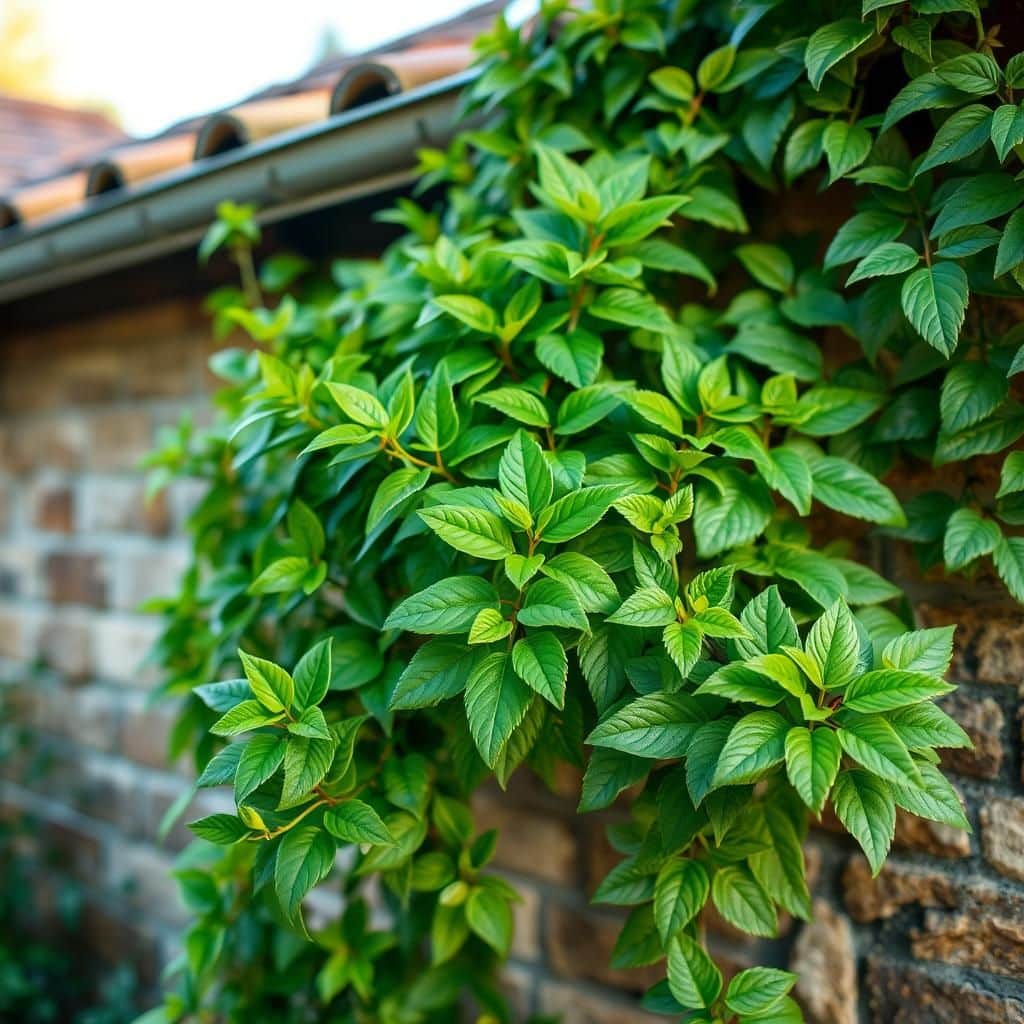
When it comes to enhancing the beauty of your garden, climbing plants can be a stunning addition. In Australia, many evergreen climbing plants not only provide year-round greenery but also grow rapidly, making them ideal for transforming fences, walls, and trellises into vibrant green spaces. Whether you're looking to create a lush privacy screen or simply add texture and color to your landscape, the right selection of climbing plants can make all the difference. In this article, we will explore the top 10 fast-growing evergreen climbing plants that thrive in the Australian climate, perfect for your garden needs.
Fast Growing Evergreen Climbing Plants in Australia
Australia boasts a diverse range of fast-growing evergreen climbing plants that thrive in its unique climate. These plants are not only aesthetically pleasing but also serve as excellent choices for covering trellises, fences, and walls quickly. Among the many options, species such as the Hardenbergia violacea (also known as purple coral pea) and Pandorea jasminoides (bower vine) are particularly popular due to their robust growth and striking flowers. These plants can adapt to various conditions, making them ideal for many Australian gardens. They provide important habitats for wildlife and can also enhance the visual appeal of outdoor spaces.
Benefits of Fast Growing Evergreen Climbing Plants
Fast-growing evergreen climbing plants offer numerous benefits for gardeners and homeowners. They can quickly cover unattractive structures, create privacy screens, and reduce noise pollution. Additionally, these plants contribute to improving air quality and providing habitats for birds and insects. Their year-round foliage ensures that they maintain their visual impact, even during the colder months when other plants may lose their leaves. This makes them a practical selection for garden enthusiasts looking to enhance their landscaping swiftly.
Popular Species in Australia
Some of the most popular species of fast-growing evergreen climbing plants in Australia include Hardenbergia violacea, Pandorea jasminoides, Mandevilla sanderi, and Stephanotis floribunda. Each of these species is celebrated for its quick growth, resilience, and ability to flourish in various Australian climates. They not only provide lush green coverage but also produce beautiful flowers, making them ideal for cultivation in both residential and commercial properties. These plants can be used to create breathtaking vertical gardens or to add interest to outdoor spaces.
Care Requirements
Proper care for fast-growing evergreen climbing plants involves ensuring adequate sunlight, water, and nutrients. Most of these plants prefer well-drained soil and benefit from regular fertilization during the growing season. Pruning is also essential to maintain their shape and encourage healthy growth. Additionally, providing a support structure is crucial, as these climbing plants need something to latch onto in order to reach their full potential. Regular monitoring for pests and diseases will help keep these plants thriving.
Climate Considerations
Understanding the climate in which these plants thrive is essential for successful growth. Australia's diverse climatic regions affect the growth rates and health of fast-growing evergreen climbing plants. For instance, coastal regions may have different requirements compared to inland areas. These plants generally adapt well to tempered conditions but may require some protection from extreme weather. Gardeners should choose species suited to their specific region for optimal results.
Common Pests and Diseases
Fast-growing evergreen climbing plants can be susceptible to various pests and diseases. Common issues include aphids, spider mites, and fungal infections, which can hinder growth and affect the overall health of the plants. Early detection and intervention are critical to managing these problems. Employing natural pest control methods, such as introducing beneficial insects or using organic treatments, can help safeguard these climbing plants while promoting a healthy ecosystem in the garden.
| Plant Name | Growth Rate | Flower Color | Sunlight Preference |
|---|---|---|---|
| Hardenbergia violacea | Fast | Purple | Full Sun to Part Shade |
| Pandorea jasminoides | Fast | White/Pink | Full Sun |
| Mandevilla sanderi | Fast | Red/Pink | Full Sun |
| Stephanotis floribunda | Moderate | White | Bright Indirect Light |
What is the quickest growing evergreen climber?

The quickest growing evergreen climber is often considered to be the Creeping Fig (Ficus pumila). This plant is well-known for its rapid growth rate, making it a popular choice for covering walls, fences, and trellises. Under ideal conditions, a Creeping Fig can grow up to 3 feet in a single season. It is valued not only for its fast growth but also for its lush, dense foliage that provides excellent coverage.
Characteristics of Creeping Fig
Creeping Fig is a tropical vine that features small, heart-shaped leaves. These characteristics make it an attractive option for gardeners looking to create a vibrant, green space. Key features include:
See also:
- Rapid growth: As mentioned, it can grow significantly fast.
- Small leaves: The tiny leaves allow for a delicate aesthetic.
- Adhesive roots: It can cling to surfaces, making it ideal for vertical gardening.
Growing Requirements
To ensure optimal growth, Creeping Fig requires specific conditions. These include light, temperature, and soil considerations. Attention to these details will enhance its climbing ability:
- Light: Prefers bright, indirect sunlight but can tolerate low-light conditions.
- Soil: Thrives in well-draining soil, ideally with a rich organic content.
- Watering: Needs regular watering to maintain moist soil but should not be waterlogged.
Maintenance Tips
Maintaining Creeping Fig involves regular care routines that help keep it healthy and thriving. Follow these tips to ensure it continues to grow quickly:
- Pruning: Regularly trim the vine to control its spread and promote bushier growth.
- Fertilizing: Use a balanced fertilizer every few months during the growing season.
- Pest control: Keep an eye out for pests like aphids or spider mites and take appropriate action.
Uses of Creeping Fig
Creeping Fig serves various purposes in landscaping, providing both aesthetic and practical benefits. Here are some common uses:
- Wall cover: Ideal for covering unsightly walls or fences.
- Privacy screen: Grows densely, creating a natural privacy barrier.
- Ground cover: Can also be used to fill in gaps in gardens or landscapes.
Potential Challenges
While Creeping Fig has numerous benefits, it also presents certain challenges that gardeners should be aware of. Consider the following:
- Invasiveness: It can spread quickly and may require ongoing management.
- Damage to surfaces: Its adhesive roots can potentially damage painted surfaces or drywall.
- Non-cold hardy: It may struggle in areas with frost, necessitating winter protection.
What are the low maintenance climbing vines in Australia?
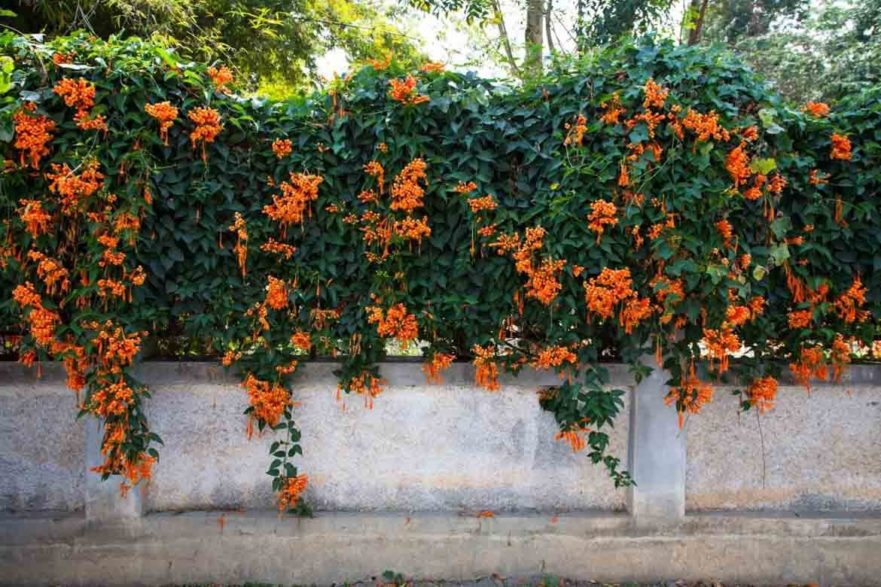
When it comes to low maintenance climbing vines in Australia, there are several species that thrive in various climates across the continent. These vines require minimal care, making them ideal for busy gardeners or those new to planting. Most of these plants are drought-tolerant and resilient against common pests and diseases, giving them an advantage in persistent Australian conditions.
1. Jasmine (Jasminum spp.)
Jasmine vines, particularly Jasminum polyanthum, are popular for their fragrant flowers and ability to attract pollinators. They thrive in well-drained soil and full sun but can tolerate partial shade. Jasmine is generally pest-resistant, making it a low-maintenance option.
- Fragrant flowers that bloom in the spring and summer.
- Drought-resistant once established.
- Grows well on fences, arbors, and trellises.
2. Wisteria (Wisteria floribunda)
Wisteria is known for its stunning cascading flower clusters that can cover a large area in beautiful hues of purple, blue, or white. Despite its vigorous growth, it requires little maintenance aside from pruning to control its size. This vine thrives in full sun and tolerates a variety of soil types.
- Creates a visually striking canopy when grown on pergolas or trellises.
- Attracts bees and other pollinators necessary for the ecosystem.
- Very resilient and can tolerate drought conditions.
3. Climbing Roses (Rosa spp.)
Certain varieties of climbing roses, such as New Dawn or Cecile Brunner, are low-maintenance and highly resilient. These roses bloom beautifully while requiring only periodic pruning to encourage growth. They thrive in sunny locations and are less susceptible to diseases in Australian climates.
- Produces stunning blooms from spring to autumn.
- Requires minimal pruning to keep them tidy.
- Provides a rich array of colors for garden aesthetics.
4. Passionfruit (Passiflora edulis)
Passionfruit vines are not only known for their exotic fruit but also for their striking foliage and flowers. They are hardy and can adapt to different growing conditions while requiring little input once established. Planting in well-drained soil and providing a sunny spot enhances fruit production.
See also:
- Yields delicious, edible fruit that can be harvested in summer and autumn.
- Rapid growth allows for quick coverage of fences and walls.
- Utilizes natural sunlight effectively for optimal growth.
5. Solanum (Solanum jasminoides)
Commonly referred to as the Potato Vine, Solanum jasminoides is a fast-growing, evergreen vine that produces clusters of white or purple flowers. It thrives in well-drained soil and is very tolerant of drought, which aligns well with Australia’s climate.
- Evergreen foliage provides year-round greenery.
- Flowers attract butterflies and pollinators, enhancing garden life.
- Requires very little maintenance once established.
What is the best evergreen plant for a trellis?
The best evergreen plant for a trellis is often considered to be the Clematis armandii. This plant is a vigorous climber that provides year-round greenery and fragrant flowers in spring. Its glossy leaves and delicate blossoms make it an excellent choice for enhancing vertical spaces in gardens. Moreover, it requires relatively low maintenance once established and is adaptable to various growing conditions.
Characteristics of Clematis Armandii
The Clematis armandii is characterized by its attractive, dark green foliage and star-shaped white flowers that bloom in early spring. This plant typically reaches heights of 10 to 20 feet, making it suitable for trellises of substantial height. Here are some key characteristics:
- Evergreen Foliage: Maintains its leaves throughout the year, providing a lush backdrop.
- Fragrance: The flowers emit a sweet smell, enhancing the sensory experience of the garden.
- Growth Habit: Grows rapidly and climbs easily, making it an excellent choice for coverage.
Growing Conditions
Clematis armandii thrives best in specific conditions that should be considered for optimal growth. It prefers a well-drained soil rich in organic matter. Additionally, it benefits from a location with adequate sunlight while having its roots shaded. Consider the following requirements:
- Sunlight: Partial shade to full sun exposure is optimum for flowering.
- Soil Type: Well-drained, loamy soil that retains moisture without becoming soggy.
- Watering: Regular watering is essential, especially during dry spells, to promote healthy growth.
Maintenance Tips
Maintaining Clematis armandii requires minimal effort, but there are essential practices to ensure its health and appearance. Pruning and feeding are key to a healthy and productive plant. Here are some maintenance tips:
- Pruning: Light pruning after flowering can help maintain shape and encourage new growth.
- Fertilization: Using a balanced fertilizer during the growing season promotes vigorous growth.
- Pest Management: Regularly inspect for pests and diseases, treating them promptly to avoid stress on the plant.
Companion Plants
Choosing companion plants for Clematis armandii can add diversity and enhance the overall aesthetic of your trellis. Some plants that work well with this evergreen climber include:
- Roses: Their flowering period can complement Clematis blooms beautifully.
- Honeysuckle: Another climber that attracts pollinators and offers vibrant colors.
- Jasmine: The combination of scents from both plants creates an aromatic experience.
Common Issues
Though Clematis armandii is relatively low-maintenance, it can face specific challenges that gardeners should be aware of. Being proactive can help mitigate these issues:
- Leaf Spot: Caused by fungal infections; improved air circulation and proper watering practices can prevent this.
- Pest Infestations: Watch for aphids and spider mites; insecticidal soap or natural predators can help.
- Wilting: Often a sign of inadequate watering; ensure consistent moisture without overwatering.
Questions from Our Readers
What are some popular fast-growing evergreen climbing plants in Australia?
Many gardeners in Australia favor fast-growing evergreen climbing plants such as the Passionfruit vine, Jade vine, and Climbing philodendron. These plants not only grow quickly but also add lush green foliage to gardens, providing excellent coverage on trellises and fences.
How do I care for fast-growing evergreen climbing plants?
Caring for fast-growing evergreen climbing plants involves ensuring they receive adequate sunlight, proper watering, and regular fertilization. It's essential to prune them regularly to maintain their shape and encourage new growth, especially during the growing season.
See also:
What are the benefits of planting fast-growing evergreen climbing plants?
The primary benefits of planting fast-growing evergreen climbing plants include rapid coverage for vertical spaces, providing shade, and enhancing privacy. Additionally, these plants can improve air quality and attract beneficial wildlife, such as birds and pollinators, to your garden.
Can fast-growing evergreen climbing plants be invasive?
Yes, some fast-growing evergreen climbing plants can become invasive if not managed properly. It's important to research each species before planting to understand its growth habits and control measures necessary to prevent it from overtaking your garden or nearby areas.

If you want to read more articles like Top 10 Fast Growing Evergreen Climbing Plants Australia for Your Garden, we recommend you check out our Landscaping category.
Leave a Reply
Related Articles