10 Stunning Evergreen Plants That Survive Winter Outside: Your Ultimate Guide
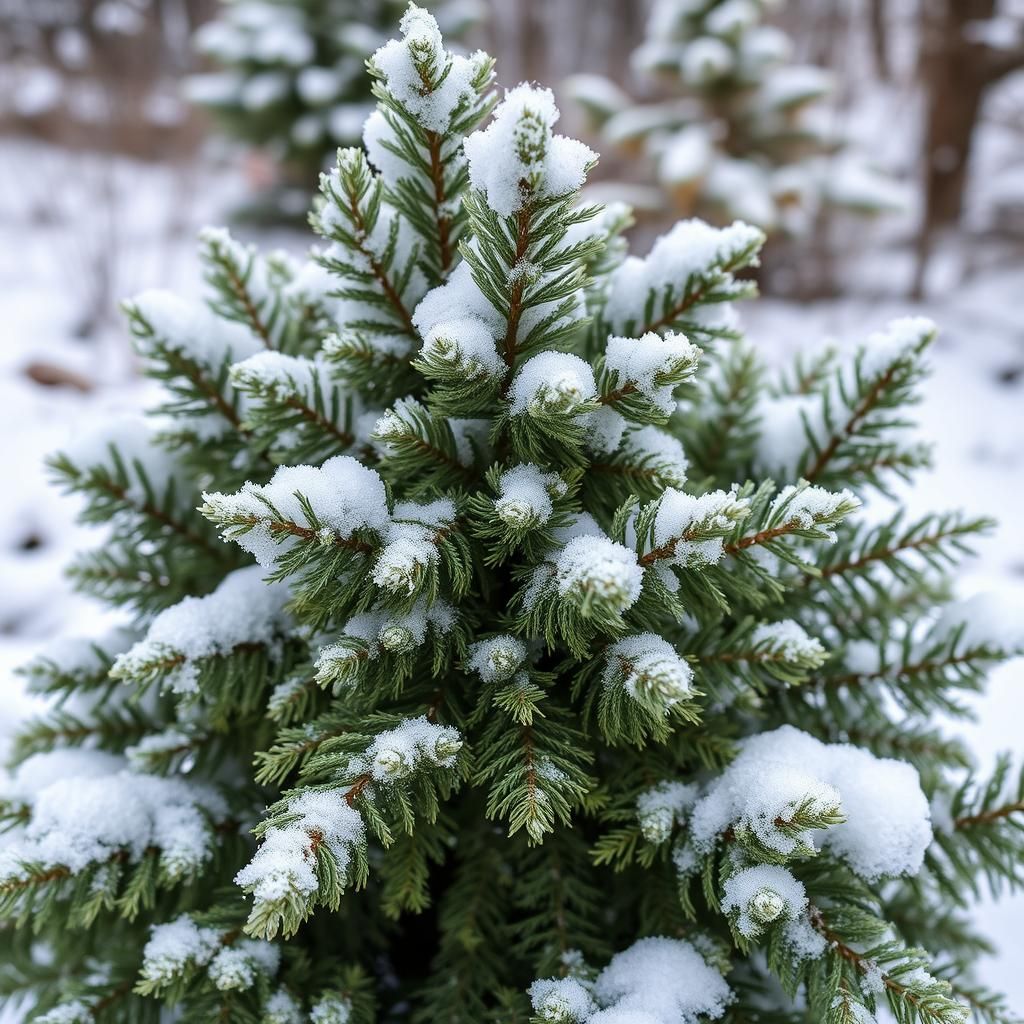
Winter can be a challenging season for gardeners, especially when it comes to maintaining vibrant outdoor spaces. However, not all plants succumb to the cold; many evergreen species thrive even in freezing temperatures. In this ultimate guide, we will explore ten stunning evergreen plants that not only withstand the harsh winter weather but also provide year-round beauty to your landscape. From lush shrubs to graceful trees, these hardy plants are perfect for adding texture and color during the dreariest months. Discover the resilience and charm of these evergreen varieties, ensuring your garden remains breathtaking regardless of the season.
Evergreen Plants That Thrive in Winter
Evergreen plants are remarkable because they can withstand the harsh conditions of winter while maintaining their vibrant foliage. These plants possess adaptive features such as a waxy coating on their leaves that reduces water loss and allows them to photosynthesize during the colder months. Some popular examples include pines, hemlocks, and fir trees, which provide not only aesthetic appeal but also vital shelter and food sources for local wildlife. These evergreens are often utilized in landscapes for their ability to maintain color and structure, making them essential for winter gardens. Additionally, their resilience against snow and frost means they can survive in various climates, offering year-round beauty and functionality to outdoor spaces.
Common Types of Evergreen Plants
The most common types of evergreen plants include conifers, broadleaf evergreens, and some tropical species. Conifers, such as spruces, firs, and pines, are well-known for their needle-like leaves, which help them endure cold temperatures. Broadleaf evergreens, like the holly and boxwood, maintain their flat leaves throughout the winter, providing greenery when most other plants have lost their foliage. Tropical evergreens, although less common in temperate regions, include plants like the rubber tree and some varieties of jasmine, which can survive colder weather if adequately protected. Together, these plants contribute to a diverse range of possibilities for winter gardening.
Planting and Caring for Evergreens in Winter
When planting evergreen plants, it's essential to choose a location that provides adequate sunlight and space for growth. While most evergreens are hardy, paying attention to soil type and drainage is crucial, as waterlogged conditions can harm their roots. During winter, it’s beneficial to mulch around the base of the plants to retain moisture and regulate soil temperature. Additionally, watering during dry periods in winter can support their health, ensuring that they have the necessary resources to thrive despite the cold weather. Protecting young evergreens from harsh winds and extreme temperatures with windbreaks can also help them acclimate and flourish through winter.
Benefits of Evergreen Plants in Winter Landscapes
Incorporating evergreen plants into winter landscapes offers numerous benefits. These plants provide year-round interest, breaking the monotony of the winter season with their lush foliage. Moreover, they serve as a vital habitat for various wildlife species, providing shelter and food sources during the colder months when other plants have withered. Their presence helps to create visual privacy and windbreaks, enhancing landscaping functionality. Additionally, some evergreens, like junipers and arborvitaes, can also be used for creating natural barriers or hedges, making them invaluable for homeowners looking to enhance their property’s aesthetics while providing environmental benefits.
See also:
Top Tips for Choosing the Right Evergreen Plants
When selecting evergreen plants for your garden, consider factors such as climate, soil type, and the specific area where you plan to plant. It's crucial to choose species that are native or well-adapted to your local climate, as they will be more likely to thrive. Pay attention to the growth habits of the plants, as some may spread wider or grow taller than others, affecting the overall landscape. To achieve a balanced look, select a mix of textures and colors within the evergreen category, as this will enhance visual appeal and maintain interest throughout the year. Lastly, always check for pests and diseases that might affect certain species in your area before making a final selection.
| Plant | Type | Hardiness Zone | Height | Special Features |
|---|---|---|---|---|
| Pine | Conifer | 3-9 | 20-60 ft | Resilient to snow and drought |
| Holly | Broadleaf Evergreen | 5-9 | 10-30 ft | Produces berries for wildlife |
| Cypress | Conifer | 4-10 | 30-50 ft | High drought tolerance |
| Juniper | Conifer | 3-9 | 1-50 ft | Low maintenance and versatile |
| Boxwood | Broadleaf Evergreen | 5-8 | 2-15 ft | Excellent for formal hedges |
Choosing the Right Evergreen Plants for Your Garden
Selecting the ideal evergreen plants for your garden not only enhances aesthetic appeal but also ensures robust growth and survival during the challenges of winter. When choosing, consider local climate, soil types, and the level of sunlight your space receives. Some evergreen varieties, such as Hollies or Junipers, are particularly resilient and can thrive in various conditions, while others may require specific care. Evaluating their hardiness zones and maintenance needs will help ensure that your selection remains lush and vibrant throughout the winter months, providing your outdoor space with year-round beauty.
Top Hardwoods for Winter Resilience
Hardwood evergreens like Eastern Red Cedar are known for their durability and ability to withstand severe temperatures. They provide excellent shelter for wildlife and are low maintenance, making them ideal for those who want to enhance their gardens without extensive upkeep. Additionally, their rich foliage contributes to a beautiful winter landscape, with colors that can brighten up the often dreary winter months.
How to Care for Your Evergreen Plants in Winter
Proper winter care for evergreen plants is crucial for their long-term health. Providing a thick layer of mulch around the base can help insulate the roots and retain moisture. Additionally, it's important to water them adequately before the ground freezes, ensuring they are not dehydrated during winter months when they can't absorb water from the soil. Regularly checking for any signs of pests or diseases can also help maintain the vitality of your evergreens.
Best Evergreen Plants for Container Gardening
Container gardening opens up new possibilities for using evergreen plants in limited spaces. Dwarf varieties of Junipers or Boxwoods are perfect for pots, providing year-round greenery without taking up too much room. Be sure to use high-quality potting soil and ensure proper drainage to prevent waterlogging, which can be detrimental during winter. Additionally, consider placing containers in a sheltered spot to protect them from harsh winds and freezing temperatures.
See also:
Creating a Winter Garden with Evergreens
Integrating evergreens into your winter garden landscape can create a visually appealing and sustainable outdoor space. Layering plants of different heights, such as tall pines, medium firs, and low-spreading ground covers, can create depth and interest throughout the winter months. Consider adding ornaments or lighting around these plants to enhance their features during the long nights of winter, turning your garden into a winter wonderland.
Benefits of Growing Evergreen Plants
Growing evergreen plants offers numerous benefits, including enhanced privacy, reduced noise, and increased property value. Their ability to maintain greenery year-round adds visual interest and serves as a crucial habitat for various wildlife. Additionally, they can act as effective windbreaks, helping to protect your home and other plants during winter storms. With proper selection and care, evergreens can be a sustainable addition, providing benefits for many seasons to come.
Questions from Our Readers
What are evergreen plants that can survive winter outside?
Evergreen plants that can survive winter outside are species that maintain their foliage throughout the colder months. These plants, such as pine, fir, and holly, are well-adapted to withstand frost and snow, allowing them to thrive in various climates. Their durable leaves and adaptations help them store nutrients and retain moisture during harsh conditions.
How do evergreen plants protect themselves from cold temperatures?
Evergreen plants protect themselves from cold temperatures through several mechanisms. Their needle-like leaves reduce water loss and are coated with a waxy substance that helps in preventing freeze damage. Additionally, many evergreens have a deep root system that allows them to access moisture even in frozen ground, ensuring their survival through winter.
Can all evergreen plants survive in extremely cold climates?
Not all evergreen plants are suited for extremely cold climates, as their hardiness varies by species. Some evergreens, like Eastern Red Cedar and Norway Spruce, are known to thrive in harsh winters, while others may struggle in sub-zero temperatures. It is essential to understand the hardiness zone of each plant to ensure successful winter survival.
See also:
How can I care for evergreen plants during winter months?
Caring for evergreen plants during winter months involves proper water management and protection from harsh elements. Ensure that the plants are well-watered before the ground freezes, as this will help them withstand drought conditions. Additionally, applying a layer of mulch can protect the roots and prevent soil freezing, while also maintaining moisture levels around the plants.

If you want to read more articles like 10 Stunning Evergreen Plants That Survive Winter Outside: Your Ultimate Guide, we recommend you check out our Landscaping category.
Leave a Reply
Related Articles