Does Trimming a Hedge Make It Grow Thicker? Exploring the Benefits and Techniques

The art of hedging is not only about aesthetics but also about promoting healthy growth. Many gardeners wonder if trimming a hedge can encourage it to grow thicker, enhancing its overall appearance and vitality. This article explores the benefits of proper hedge trimming techniques, examining how careful cutting can stimulate new growth, improve air circulation, and increase sunlight exposure. By understanding the best practices for trimming hedges, homeowners can cultivate lush, vibrant landscapes while maintaining plant health. Join us as we delve into the science behind hedge trimming and reveal tips for achieving a flourishing, dense hedge.
Does Trimming a Hedge Make It Grow Thicker?
Trimming a hedge is a common practice among gardeners and landscapers, and it can indeed promote thicker growth. When a hedge is cut back, it stimulates the plant to produce new shoots and leaves, which can result in denser foliage. This is because trimming removes the older, less productive growth and encourages the plant to focus its energy on developing new, lateral branches. The timing and method of trimming, as well as the specific type of hedge, also play crucial roles in determining how effectively a hedge can become thicker after being pruned.
Why Trim Hedges?
Trimming hedges serves multiple purposes, including aesthetic appeal, encouraging healthy growth, and controlling the size of the plants. By trimming, gardeners can maintain a desired shape and create a manicured appearance for their landscape. Additionally, regular trimming helps to manage pests and diseases by allowing better air circulation within the hedge, which promotes overall plant health.
How Often Should You Trim a Hedge?
The frequency of trimming depends on the species of the hedge and the desired look. Most hedges benefit from at least one major trim per year, preferably during the growing season. For fast-growing varieties, more frequent trimming may be necessary, potentially every 6-8 weeks, to maintain their shape and encourage thicker growth. It's essential to keep in mind the plant's natural growth cycle to avoid damaging it by trimming at the wrong time.
Best Techniques for Trimming Hedges
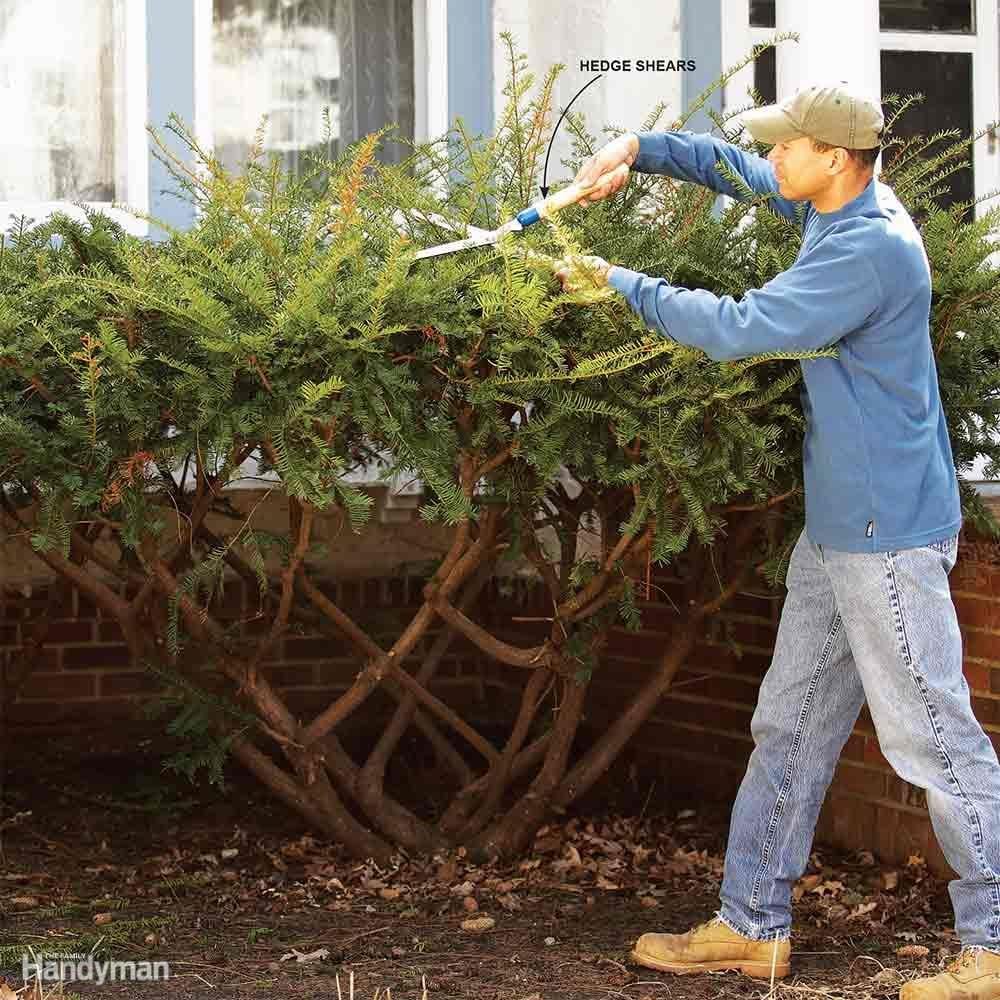
Using the right techniques can greatly influence the thickness of hedge growth. When trimming, it's advisable to use sharp, clean tools to minimize damage to the plant and make clean cuts that aid in healing. Aim for a slight angle when cutting, which can help promote lateral growth, leading to denser foliage. Additionally, avoiding cutting into old wood is crucial, as this can stunt new growth.
Effects of Over-Trimming
While trimming can promote thicker growth, over-trimming can have detrimental effects. Excessive cutting may remove too much of the plant's foliage, stressing it and potentially leading to poor growth or die-back. It's important to maintain a balance and avoid cutting back more than one-third of the plant at a time, allowing it to recover and produce new growth effectively.
Long-Term Benefits of Regular Trimming
Regularly trimming hedges not only encourages thicker growth but also enhances the overall health and vigor of the plants. With consistent care, hedges tend to develop a stronger root system and are better equipped to withstand environmental stressors like drought or extreme temperatures. This long-term investment in hedge care ultimately leads to more robust and visually appealing landscapes.
| Aspect | Details |
|---|---|
| Trimming Frequency | Minimum once a year; more often for fast growers. |
| Best Time to Trim | During the growing season for optimal recovery. |
| Optimal Cutting Technique | Use sharp tools and cut at an angle. |
| Risks of Over-Trimming | Can lead to stress and poor growth if excessive. |
| Long-Term Care Benefits | Encourages vigor and hardiness of the hedge. |
How to make a hedge grow thicker?
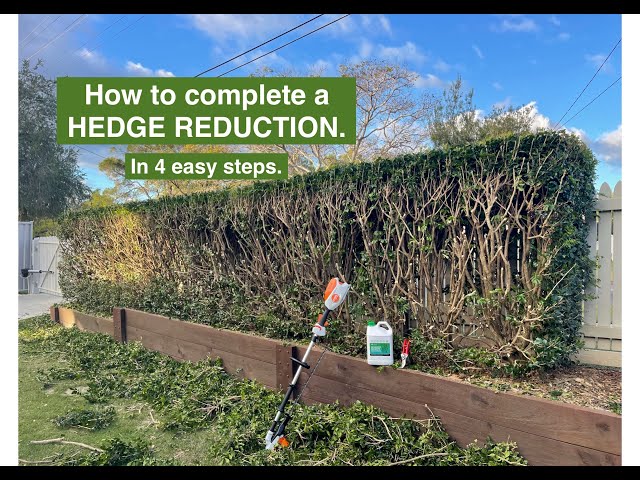
To make a hedge grow thicker, there are several effective strategies that can be employed. A thick hedge not only provides better privacy and wind protection but also enhances the aesthetic appeal of your garden. Here are detailed steps on how to achieve a denser hedge.
1. Regular Pruning
Regularly pruning your hedge encourages new growth and maintains its shape. When you trim back the branches, you stimulate bushes to grow denser.
- Timing: The best time to prune is at the start of the growing season, usually in spring.
- Technique: Use sharp, clean shears and cut back about one-third of the new growth.
- Shaping: Trim the sides of the hedge to taper slightly towards the top. This allows sunlight to reach all parts of the plant.
2. Fertilization
Applying the appropriate fertilizer can greatly enhance the growth rate and thickness of your hedge.
- Type of Fertilizer: Use a balanced fertilizer specifically designed for shrubs.
- Application: Apply fertilizer in early spring and possibly again in mid-summer, following the package instructions.
- Watering: After fertilizing, ensure to water the hedge well to help the nutrients take effect.
3. Watering Regimen
Consistent watering is crucial for the health and thickness of your hedge.
- Frequency: Water deeply at least once a week, especially during dry spells.
- Method: Use a soaker hose or drip irrigation to ensure water penetrates the roots.
- Drainage: Make sure the soil has good drainage to prevent root rot.
4. Selecting the Right Plant Species
Choosing the right hedge species can significantly impact its thickness and overall health.
See also:
- Native Species: Opt for native plants that are well-suited to your local climate and soil.
- Growth Habit: Select fast-growing species known for their density.
- Diversity: Consider planting multiple species for a varied and resilient hedge.
5. Mulching
Applying mulch around the base of your hedge can help retain moisture and suppress weeds, benefiting its overall growth.
- Material: Use organic mulch such as wood chips or bark.
- Depth: Apply a layer of mulch about 2-3 inches thick.
- Maintenance: Refresh the mulch annually to maintain its effectiveness.
Does trimming the top of a hedge make it grow thicker?

Trimming the top of a hedge can indeed encourage it to grow thicker. This process is primarily linked to how plants respond to pruning and the overall health and growth patterns of the hedge. When the top of a hedge is trimmed, it not only controls its height but also stimulates growth in the lateral (side) branches. This is due to the phenomenon known as apical dominance, where the main stem's growth inhibits the growth of side shoots. When the top is removed, this dominance is reduced, allowing the side branches to grow more vigorously.
Maintaining a hedge through proper trimming practices can lead to a denser and bushier appearance over time. However, the timing, technique, and frequency of trimming play crucial roles in achieving this effect.
Why Pruning Promotes Lateral Growth
Pruning the top of a hedge leads to enhanced lateral growth due to the reduction of apical dominance. Apical dominance occurs when the main stem of a plant grows more vigorously than the side branches. Here's how trimming influences growth:
- Reduction of Hormonal Influence: The removal of the top part of the hedge decreases the concentration of growth hormones that favor vertical growth.
- Encouragement of Side Shoots: With apical dominance reduced, the side shoots are encouraged to grow and expand, leading to a thicker bush.
- Aesthetic Improvement: The result is not just healthier growth but also a more visually appealing, denser hedge.
Timing of Hedge Trimming
The timing when you trim a hedge significantly affects its growth. Ideally, pruning should happen during the growing season when the hedge can quickly recover from its cuts:
- Spring Trimming: Early spring is the best time to cut back because the hedge is just beginning its growth phase.
- Summer Maintenance: Light trims during the summer can encourage side growth while keeping the shape under control.
- Avoid Late Season Cuts: Trimming too late in the season can damage new growth before winter, which could inhibit thickening.
Tools and Techniques for Effective Trimming
Using the right tools and techniques when trimming a hedge is essential for promoting thicker growth. Proper methods can minimize stress on the plant:
- Sharp Blades: Using sharp pruning shears reduces tearing of branches, facilitating quicker healing.
- Angle of Cuts: Making cuts at an angle promotes better healing and reduces the risk of rot.
- Regular Maintenance: Regular light trims are better than infrequent severe cuts, as they encourage steady growth.
Factors Influencing Hedge Thickness
Several factors beyond just trimming affect the thickness of a hedge. These include:
- Species Type: Different species have varying growth patterns and responses to pruning.
- Soil Quality: Healthy soil with good drainage and nutrients promotes robust growth.
- Water Availability: Adequate irrigation supports denser foliage and root systems.
Potential Risks of Improper Trimming
While trimming can enhance thickness, improper trimming can lead to several risks:
- Stress to the Plant: Over-trimming can stress the plant, leading to reduced health and growth.
- Size Imbalance: Inconsistent cuts can result in uneven growth and an unattractive appearance.
- Increased Vulnerability: A hedge that is severely pruned may become more susceptible to pests and diseases.
What happens if you trim a hedge too much?
If you trim a hedge too much, several consequences can arise that may impact the health, appearance, and overall growth of the plant. Over-trimming can lead to a host of issues, primarily because hedges require a certain amount of foliage to sustain their health and vigor. Here's a detailed exploration of the potential outcomes of excessive trimming.
Impact on Plant Health
Trimming a hedge excessively can stress the plant, leading to various health issues. This stress can weaken the hedge, making it more susceptible to diseases and pests.
- Reduced Photosynthesis: With less foliage, the hedge will not be able to photosynthesize effectively, depriving it of essential nutrients.
- Increased Vulnerability: The plant may become an easy target for pests and diseases due to its weakened state.
- Weakened Roots: Severe trimming can hinder root development, causing the plant to struggle with water and nutrient uptake.
Unattractive Appearance
An excessively trimmed hedge can result in a disproportionate or ungainly appearance. The visual impact of the hedge is crucial, especially if it serves as a decorative element in landscaping.
See also:
- Bald Spots: Over-trimming can lead to bare patches where no new growth emerges, creating an unsightly look.
- Odd Shapes: Hedges trimmed too much may develop unnatural or uneven shapes, conflicting with the intended design.
- Stunted Growth: An irregular growth pattern may result, affecting how the hedge complements the surrounding landscape.
Delayed Recovery Time
After excessive trimming, the recovery process can be prolonged. Hedges may take a significant amount of time to bounce back to their former appearance.
- Growth Rate: The rate of new growth may significantly decrease, delaying the hedge's return to a healthy state.
- Seasonal Variability: Depending on the time of year, recovery can be even slower, especially if trimmed during the growing season.
- Increased Maintenance: Longer recovery can lead to increased maintenance efforts as the owner attempts to mitigate the effects of over-trimming.
Need for Additional Care
To aid recovery after heavy trimming, the hedge may require additional care and resources for its return to health.
- Fertilization: Applying fertilizers may be necessary to provide the nutrients the plant needs to recover.
- Irrigation: Increased watering might be required to support regrowth and overall health.
- Pest Control: More frequent inspections may be needed to manage any pest infestations that could arise during the recovery period.
Potential for Alternative Growth Patterns
Excessive trimming can alter the natural growth patterns of the hedge, leading to inconsistencies in its structure.
- Side Growth Dominance: The hedge may begin to grow more vigorously on the sides, leading to an imbalanced shape.
- Weak New Shoots: New growth may emerge weakly, resulting in fragile branches that do not stand up well against weather conditions.
- Increased Branch Density: Some areas may become overly dense while others remain sparse, leading to a chaotic growth pattern.
How to get bushes to grow fuller?
To get bushes to grow fuller, it's essential to focus on several factors that contribute to healthy bush growth. Here are some key strategies to encourage fuller growth in your bushes:
1. Pruning Techniques
Pruning is a crucial practice that helps promote fuller bush growth. Proper pruning encourages denser foliage and removes dead or unhealthy branches that can hinder growth. Here are some effective pruning techniques:
- Timing: Prune bushes during their dormant season, typically late winter or early spring, to minimize stress.
- Techniques: Use thinning cuts to remove woody stems, encouraging new growth and allowing sunlight to penetrate.
- Focus on shape: Trim the top and sides of the bush evenly to promote a bushier appearance.
2. Soil Quality
The quality of the soil in which your bushes are planted plays a significant role in their growth. Nutrient-rich soil supports lush and fuller growth. Consider these aspects of soil management:
- Testing: Conduct a soil test to determine pH and nutrient levels.
- Amendments: Add compost or organic matter to improve soil texture and provide essential nutrients.
- Drainage: Ensure proper drainage to prevent waterlogged conditions, which can stunt bush growth.
3. Watering Practices
Watering is fundamental to the health of your bushes. Adequate and appropriate watering supports robust growth. Here are effective watering practices:
- Deep watering: Water deeply and infrequently to encourage deep root growth.
- Schedule: Water during the early morning or late evening to reduce evaporation losses.
- Check moisture: Use a moisture meter or stick your finger into the soil to determine when to water.
4. Fertilization Methods
Fertilizing your bushes appropriately can help them grow fuller by providing necessary nutrients. Here's how to fertilize effectively:
- Type of fertilizer: Use a balanced fertilizer that includes nitrogen, phosphorus, and potassium.
- Application frequency: Fertilize during the growing season, usually spring and again in mid-summer.
- Follow instructions: Always follow the manufacturer's instructions on the label for correct application rates.
5. Light Exposure
The amount of sunlight your bushes receive significantly impacts their growth. Ensuring they get adequate light can lead to fuller growth. Consider the following:
- Sunlight requirements: Understand each bush's specific lighting needs; most prefer full sun or partial shade.
- Placement: Plant bushes in locations that receive at least 6-8 hours of direct sunlight daily.
- Removing obstacles: Trim nearby trees or shrubs that may cast shade over your bushes.
Questions from Our Readers
Does trimming a hedge encourage thicker growth?
Yes, trimming a hedge can encourage thicker growth by stimulating the production of new shoots. When you cut back the plant, it redirects energy into creating new growth, which often results in a denser and bushier appearance.
How often should I trim my hedge for optimal thickness?
To achieve optimal thickness, you should trim your hedge at least once or twice a year. Regular pruning ensures that the plant remains healthy and promotes robust growth in the areas you desire to thicken.
What is the best time of year to trim a hedge for denser growth?
The best time to trim a hedge for denser growth is typically in the late spring or early summer. This timing allows the plant to recover quickly and take advantage of the growing season for optimal new growth.
See also:
Can improper trimming harm a hedge's growth?
Yes, improper trimming can harm a hedge's growth. Over-trimming or cutting at the wrong time can stress the plant, leading to weak growth or even causing damage, which may hinder its ability to grow thicker.

If you want to read more articles like Does Trimming a Hedge Make It Grow Thicker? Exploring the Benefits and Techniques, we recommend you check out our Hedges category.
Leave a Reply
Related Articles