Does Mulch Next to the House Cause Termites? Discover the Truth and Prevention Tips!
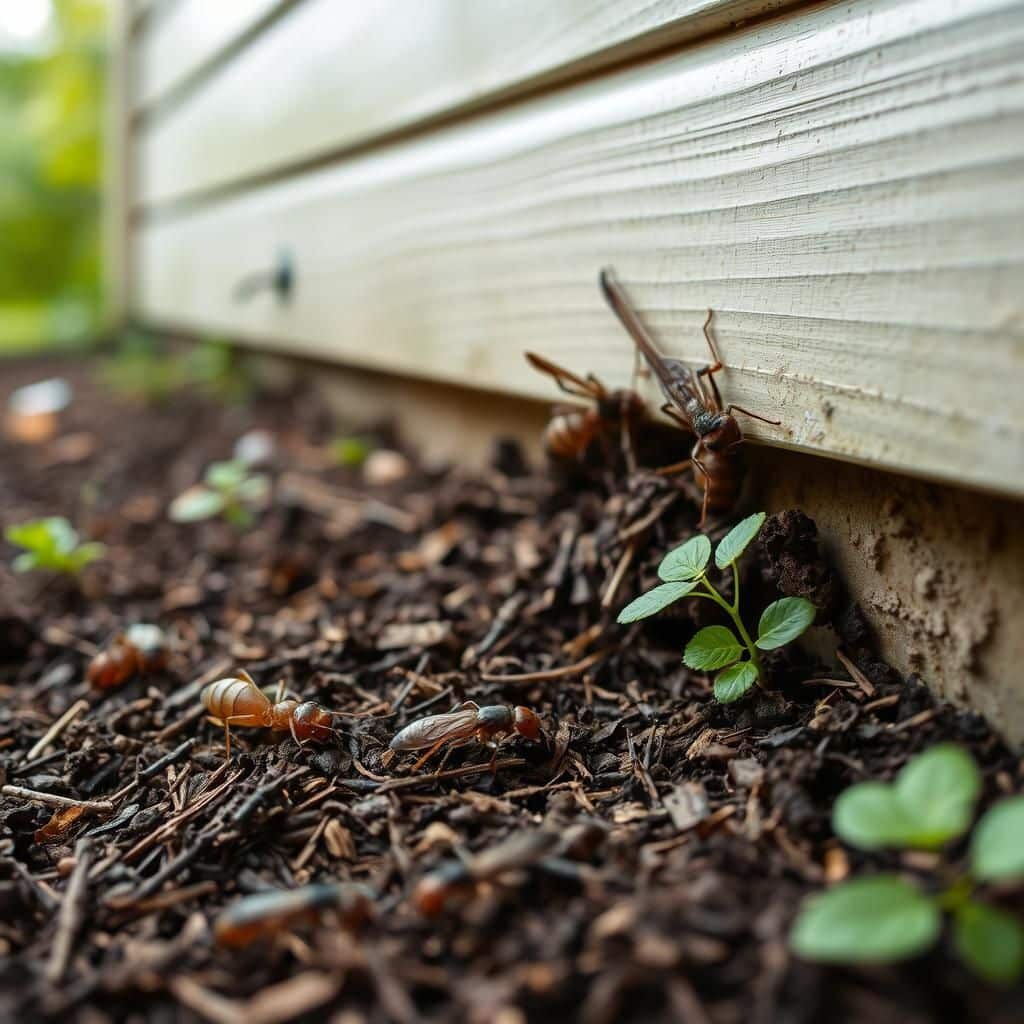
Mulch is a common landscaping material that can enhance the appearance of your home and garden, but it also raises concerns about attracting unwanted pests, particularly termites. Many homeowners worry that placing mulch next to their house could increase the risk of termite infestations. In this article, we will explore the relationship between mulch and termites, uncovering the truth behind this common misconception. We will also provide essential prevention tips to help safeguard your home from these destructive pests, ensuring your landscaping remains an asset rather than a liability. Let’s delve into the facts and discover how to protect your property effectively!
Does Mulch Next to the House Cause Termites?
Mulch can provide a favorable environment for termites, especially when placed next to a house. While mulch itself does not directly cause termite infestations, it can create conditions that attract them. Termites are drawn to moisture, and mulch retains humidity and provides shelter, which can be appealing to these wood-eating insects. Furthermore, certain types of mulch, particularly those made from decaying wood, can attract termites. It is essential to keep mulch at least a few inches away from the foundation of the house to minimize the risk of attracting termites and to maintain proper drainage.
How Does Mulch Attract Termites?
Mulch attracts termites by creating a moist environment that is conducive to their survival. When mulch is applied close to the foundation, it can trap moisture underneath, providing an ideal habitat for termites. The decaying organic material in the mulch can become a food source for these pests, further enticing them to move closer to the house. In addition, mulch can obscure access points to the foundation, making it harder to detect any signs of termite activity.
Types of Mulch and Their Risks
Different types of mulch carry varying levels of risk when it comes to attracting termites. Wood-based mulches, such as bark or shredded wood, are particularly appealing, as they can attract subterranean termites that feed on wood materials. On the other hand, stone or rubber mulches do not provide sustenance for termites and are much less likely to attract them. Using inorganic options can help mitigate the risk of termite infestations.
Best Practices for Mulching Near a Home
To minimize the risks associated with mulching near a home, certain best practices should be followed. Keeping mulch at least 6 inches away from the foundation will help prevent termites from accessing the house. Additionally, it's advisable to use mulch composed of dried materials rather than decaying wood to reduce the potential attraction for termites. Regularly inspecting the mulch for signs of pest activity and maintaining proper drainage can also deter termites.
See also:
Signs of Termite Infestation Near Mulched Areas
Recognizing the signs of a termite infestation near mulched areas is crucial for early intervention. Key indicators include sawdust-like pellets, mud tubes on foundation walls, or hollow-sounding wood. Homeowners should also be vigilant for the presence of winged termites, especially following rains, as they may swarm near mulch areas. Conducting periodic inspections can help identify these warning signs before they lead to significant damage.
Preventative Measures to Protect Your Home
To protect your home from potential termite infestations associated with mulch, several preventative measures can be implemented. First, ensure that gutters and downspouts are functioning correctly to direct water away from the foundation, reducing moisture levels. Installing a barrier, such as steel mesh, can also prevent termites from burrowing into the home. Furthermore, consider employing professional pest control services for regular inspections and treatments.
| Mulch Type | Risk Level |
|---|---|
| Wood-Based Mulch | High |
| Rubber Mulch | Low |
| Stone Mulch | Low |
Understanding the Relationship Between Mulch and Termite Infestation
Mulch can create an ideal environment for termites if not managed properly. When mulch is placed too close to the foundation of a home, it can retain moisture, leading to an increase in soil humidity that attracts termites. Additionally, mulch made from organic materials, such as wood chips, can serve as a food source for these pests. It is crucial for homeowners to maintain a gap between mulch and the foundation, use inorganic mulch like rubber or stone, and regularly monitor for any signs of termite infestation to effectively prevent potential damage to their property.
Signs of Termite Infestation Near Mulch
One of the most common indicators of termite presence is the appearance of swarmers or winged insects near mulch beds. Homeowners may also notice mud tubes, which termites construct as protective tunnels, leading into the house. Additionally, bubbling paint or hollow-sounding wood can signify internal damage caused by termites, urging homeowners to conduct a thorough inspection around mulch areas for any signs of infestation.
Types of Mulch and Their Impact on Termite Activity
Organic mulches, such as bark or wood chips, can significantly increase the likelihood of termite activity due to their nutritional value for these pests. In contrast, inorganic mulches—like gravel or rubber—do not provide food for termites and help maintain soil moisture without encouraging pest problems. Understanding the various types of mulch and their impact on termite behavior is essential for making informed landscaping choices that minimize infestation risks.
See also:
Preventive Measures Against Termite Infestation
Preventing termite infestation requires a multi-faceted approach. It is vital to create a barrier by keeping mulch at least 6 inches away from the home's foundation, ensuring that there is proper drainage around the house’s perimeter. Additionally, using a termite-resistant barrier during construction or remodeling can greatly minimize risks, while regular inspections by pest control professionals will keep potential problems in check.
The Role of Moisture Control in Termite Prevention
Moisture control is a critical factor in termite prevention. Since termites are attracted to damp environments, homeowners should ensure that gutters and downspouts are functioning well to direct water away from the home. Furthermore, proper landscaping that promotes drainage and the use of mulch that allows airflow can significantly reduce overall soil moisture and decrease the chances of termite attraction.
Professional Pest Control Options for Homeowners
For homeowners concerned about the threat of termites, engaging a professional pest control service can provide peace of mind. These experts can conduct comprehensive inspections and offer tailored treatment strategies, including the application of liquid termiticides or the installation of baiting systems designed to eliminate existing infestations and prevent future ones. Investing in professional services is often the most effective way to safeguard one's home from the damage caused by termites.
Questions from Our Readers
Does mulch near the house attract termites?
Mulch itself does not attract termites, but it can create a favorable environment for them. When mulch is piled up next to the house, it can retain moisture and provide cover, making it easier for termites to remain undetected while they transport from the soil to wood structures.
Can using mulch lead to termite infestations?
Yes, using mulch can potentially lead to termite infestations if it is poorly managed. If mulch is too close to wooden structures, it may increase the risk by providing an easy path for termites to access the wood, especially if there are existing moisture issues.
See also:
What type of mulch is safest to use around my home?
Using inorganic mulch, such as gravel or rubber, can be safer for your home compared to organic materials. Organic mulches, like wood chips or straw, can attract moisture and foster conditions that are conducive to termite activity.
How can I prevent termites when using mulch?
To prevent termites while using mulch, keep it at least 12 inches away from the foundation of your home and ensure it is not piled against wooden structures. Additionally, maintaining good drainage and reducing moisture can further minimize the risks associated with mulching.

If you want to read more articles like Does Mulch Next to the House Cause Termites? Discover the Truth and Prevention Tips!, we recommend you check out our Mulch category.
Leave a Reply
Related Articles