Does a Pergola Need to Be Fixed to the Ground? Essential Considerations for Your Outdoor Space

When planning your outdoor space, the decision to anchor a pergola to the ground is a critical consideration. Pergolas can enhance aesthetic appeal and provide functional shade, but their stability and safety hinge on whether they are fixed securely. This article explores essential factors to weigh when determining if your pergola should be anchored, including local weather conditions, the type of structure, and the intended use of your outdoor area. By understanding these considerations, you can make an informed choice that not only complements your landscape but also ensures durability and safety for years to come.
Does a Pergola Need to Be Fixed to the Ground?
Whether or not a pergola needs to be fixed to the ground largely depends on its design, size, and intended use. In general, it is advisable to secure a pergola to the ground to enhance structural stability and ensure it can withstand environmental factors such as strong winds or heavy rain. A fixed pergola can provide a more permanent solution that allows for hanging plants or lights without the concern of it being easily displaced. However, smaller or temporary pergolas can be left unsecured if they are designed specifically for such use. It’s essential to check local building codes and regulations, as securing the pergola may also be a requirement.
Benefits of Fixing a Pergola
Fixing a pergola to the ground offers several benefits, including increased durability and a reduced risk of tipping or being moved by severe weather. A fixed structure can also be more aesthetically pleasing, as it creates a sense of permanence and integration with the landscape. Furthermore, securing a pergola can allow for more versatile utilization of the space, enabling the attachment of lights, plants, or other features that require a stable foundation.
Types of Fixing Methods
There are various methods to fix a pergola to the ground, including the use of concrete footings, anchors, or bolt-down systems. Concrete footings involve digging holes and pouring cement to create a solid base that supports the pergola's posts. Anchors, often made from metal, can be driven into the ground or attached to concrete slabs, providing a robust connection. Bolt-down systems allow for quick installation and removal if needed and are suitable for both temporary and permanent setups.
Local Regulations and Codes
Local building codes can dictate whether a pergola must be fixed to the ground. Many jurisdictions have specific regulations regarding outdoor structures to ensure safety and structural integrity. It is crucial to check with local authorities or a qualified professional before beginning the installation, as failure to comply with these codes may result in fines or the need for dismantling the structure.
When to Choose a Non-fixed Pergola
A non-fixed pergola may be suitable for those who prefer flexibility or intend to change their outdoor space often. Smaller portable pergolas can be moved as needed, making them convenient for events or seasonal use. This option is perfect for individuals who rent their space or want a temporary shade solution without the commitment of permanent fixtures. Additionally, non-fixed pergolas can typically be more cost-effective and easier to assemble.
Impact of Weather on Fixed vs. Non-fixed Pergolas
Weather conditions can significantly impact the performance of both fixed and non-fixed pergolas. Fixed pergolas are generally better equipped to withstand harsh weather, as they are anchored securely to the ground. On the other hand, non-fixed options may require frequent monitoring and adjustments in the event of strong winds or storms, as improper positioning can lead to damage or potential injury. Understanding local weather patterns can help in deciding which type of pergola is more appropriate.
| Factor | Fixed Pergola | Non-fixed Pergola |
|---|---|---|
| Stability | High | Variable |
| Durability | Long-term | Short-term |
| Installation | Complex | Simple |
| Compliance with Codes | Usually required | Often not required |
| Weather Resistance | High | Variable |
What happens if you don't anchor a pergola?
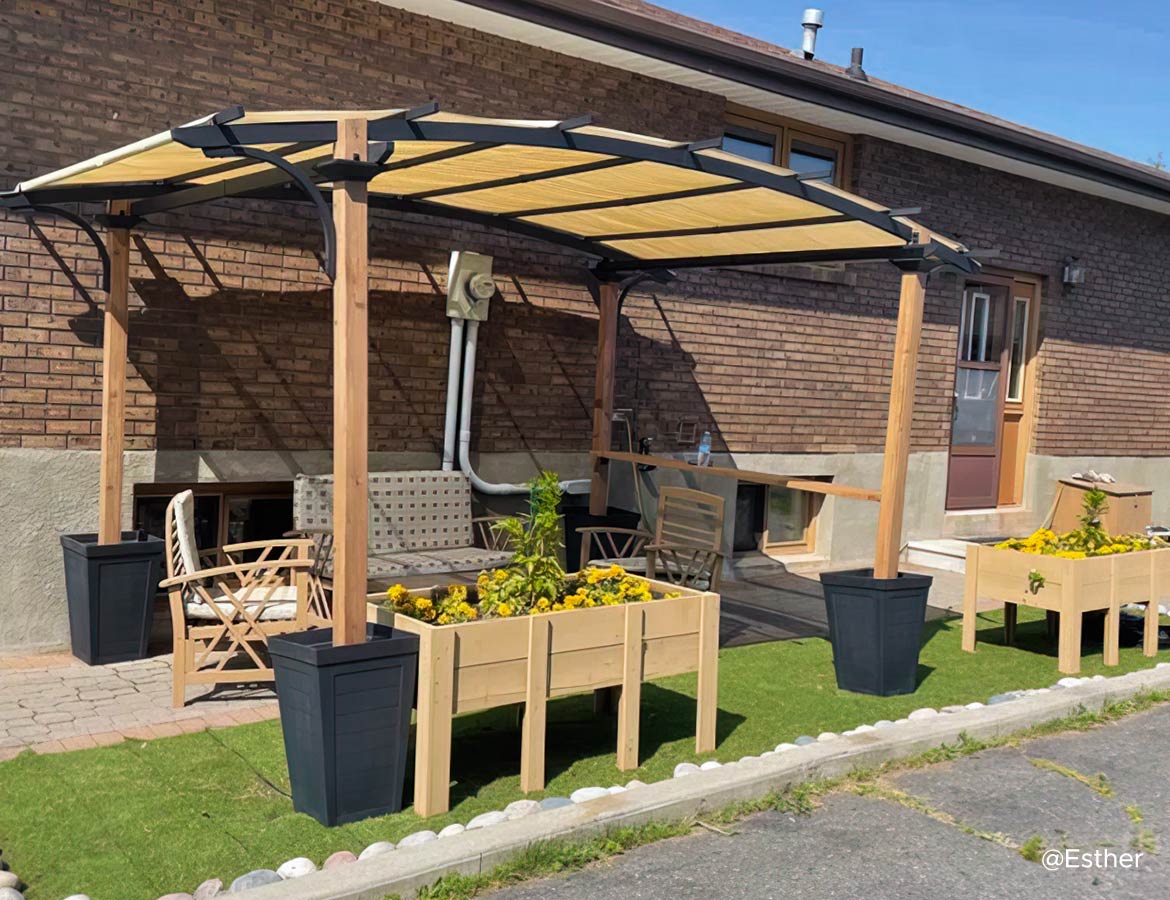
If you don't anchor a pergola, several potential issues may arise that can compromise its structural integrity, functionality, and safety. Without proper anchoring, a pergola may be susceptible to various environmental factors that could lead to damage or even collapse.
Structural Instability
Without anchoring, a pergola lacks the necessary support to withstand various forces, particularly from wind and rain. Over time, this can lead to:
- Twisting: The structure may twist or warp as it moves with the wind.
- Leaning: A lack of anchoring can cause the columns to lean, compromising the pergola's vertical alignment.
- Failure: Severe weather may result in a complete structural failure, leading to significant damage.
Increased Risk of Damage
Unanchored pergolas are more prone to damage from environmental factors such as storms and heavy snowfall. The consequences may include:
- Roof Damage: The top of the pergola may become dislodged or broken if not securely fastened.
- Post Damage: The vertical posts could crack or bend under pressure, leading to further structural problems.
- Aesthetic Damage: A fallen pergola can also result in cosmetic damage to your landscaping or patio area.
Safety Hazards
A pergola that is not anchored poses serious safety risks to individuals nearby. Specific concerns include:
- Collapse Risk: In adverse weather, an unanchored pergola can collapse, posing a risk of injury to anyone nearby.
- Falling Debris: Loose components, like panels or decorative elements, may break loose and become hazardous.
- Injury Liability: Homeowners could potentially face legal issues if someone is injured due to an unanchored structure.
Difficulty in Design and Modification
When a pergola is not anchored, it can hinder further design and modifications. This includes:
- Adding Features: It might be difficult to add lights or curtains without a secure structure.
- Landscape Integration: Landscaping around an unstable pergola can lead to further complications in design.
- Future Extensions: Planning for extensions or modifications becomes challenging when the base structure is not stable.
Increased Maintenance Requirements
Finally, an unanchored pergola may lead to higher maintenance needs over time. This includes:
See also:
- Regular Inspections: Homeowners may need to inspect the pergola more frequently for signs of instability.
- Repairs: Frequent repairs will likely be necessary if the structure is continually exposed to environmental forces.
- Reconstruction: Severe damage may eventually require a complete rebuild, increasing costs and labor.
Do pergola posts need to be buried?
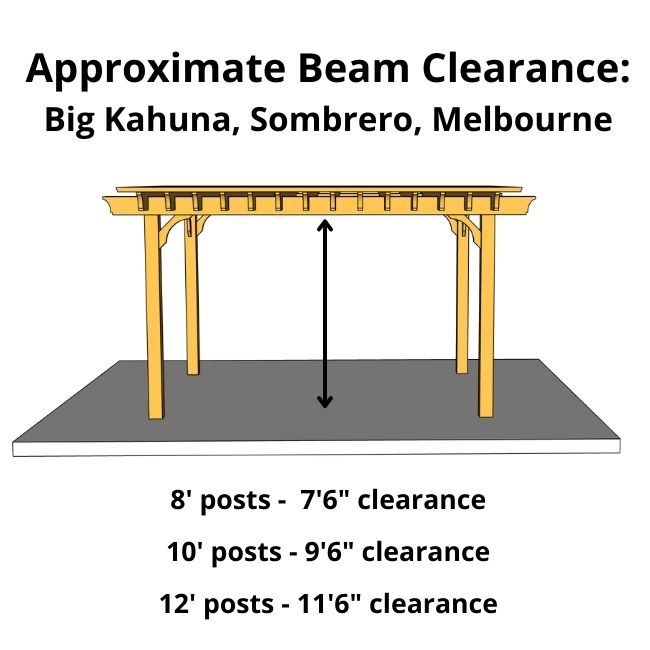
When constructing a pergola, one of the critical decisions is whether pergola posts need to be buried. The answer often depends on various factors, including local building codes, the size and design of the pergola, the type of soil, and weather conditions. Generally, it is advisable to bury pergola posts for enhanced stability and longevity. Burying the posts provides a stronger foundation, minimizes movement, and protects the base of the posts from rot and damage.
If you choose to bury the posts, it is recommended to dig holes deeper than the frost line specific to your area to prevent frost heave, which can cause the posts to shift. However, some designs might allow for above-ground mounting using concrete footings or brackets, which can be an effective alternative in certain conditions.
Advantages of Burying Pergola Posts
Burying pergola posts offers multiple benefits that enhance the structure's integrity and lifespan. Here are some advantages of this approach:
- Stability: Burying the posts provides a solid foundation, reducing the likelihood of swaying or moving.
- Protection: Posts buried underground are less susceptible to damage from severe weather conditions.
- Pest Prevention: Burying can help deter pests that may be attracted to the wood if left above ground.
Disadvantages of Not Burying Posts
While there are methods to erect pergolas without burying posts, these methods come with their own set of drawbacks. Consider the following:
- Reduced Stability: Above-ground installations can lead to wobbling or instability, especially in high winds.
- Increased Risk of Damage: Posts are more exposed to the elements, increasing the risk of rot and deterioration.
- Pest Infestations: Unprotected bases may attract insects and rodents, leading to potential structural issues.
Local Building Codes and Regulations
Before deciding whether to bury your pergola posts, it's essential to check with local building codes and regulations. These codes can dictate several crucial aspects:
- Depth Requirements: Local codes may specify how deep posts must be buried to meet structural integrity standards.
- Permits: Certain areas might require permits for substantial structures, which can include pergolas.
- Material Standards: Codes may also outline acceptable materials for contact with the soil to prevent rot and decay.
Soil Type Considerations
The type of soil in your yard plays a significant role in the decision to bury pergola posts. Various soils behave differently, affecting the overall stability:
- Clay Soil: Tends to retain water, which can cause shifting if not adequately buried or managed.
- Sandy Soil: Allows for good drainage but may not provide stability without proper anchoring methods.
- Loamy Soil: Offers a good balance for post stability but should still comply with depth regulations for sinking posts.
Weather Considerations
Climate and environmental factors also influence whether to bury pergola posts. Understanding your region's weather patterns can help inform your decision:
- High Winds: Areas prone to strong winds may benefit significantly from buried posts to prevent damage.
- Heavy Rain: Regions with heavy rainfall can lead to erosion around above-ground structures, destabilizing them.
- Frost Lines: Knowing the local frost line is essential to prevent heaving from freeze-thaw cycles that can affect buried posts.
Can you build a pergola without digging?
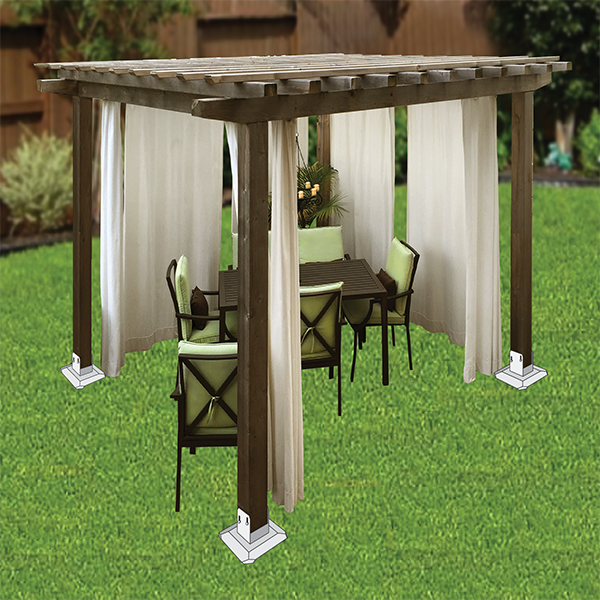
Building a pergola without digging is entirely possible and can be a practical solution if you want to avoid the hassle of excavation or if local regulations restrict digging. Here’s an in-depth look at how to achieve this and the various methods available.
Options for Building a Pergola without Digging
Using alternative methods to traditional digging can offer ease and efficiency. Here are some popular options:
- Post Anchors: Utilizing post anchors that can be secured to the ground without digging. These devices are typically made of metal or plastic and stabilize the posts.
- Deck Footings: Setting up your pergola on existing deck footings provides a solid base without disturbing the ground. This is ideal for patios or landscaped areas.
- Weight Ballast: Adding weight to the base, such as concrete blocks or decorative stones, to secure the pergola in place without the need for soil disruption.
Installation of Post Anchors
Post anchors are a convenient way to secure your pergola. They can be installed by following a few steps:
- Choose the Location: Identify where you want to position the pergola, ensuring it's unobstructed and level.
- Install the Anchors: Follow the manufacturer's instructions to install the anchors, which can usually be done with a drill or hammer without digging.
- Secure the Posts: Once the anchors are in place, insert the pergola's vertical posts into the anchors and secure them, ensuring they are plumb and level.
Utilizing Existing Deck Footings
If you have a deck or patio, this method is an excellent option. Here’s how to use existing structures:
- Assess the Stability: Make sure your deck or patio can support the additional weight of the pergola and any wind or snow loads.
- Attach Support Beams: Fasten support beams to the deck using appropriate hardware to ensure a strong attachment.
- Add Vertical Posts: Secure vertical posts to the support beams, creating the framework for your pergola.
Using Weight Ballast
Weight ballast is an efficient method for securing a pergola without digging. Here’s how to implement this technique:
See also:
- Select Heavy Materials: Choose materials like concrete blocks, aquarium rocks, or large planters that can serve as effective ballast for stability.
- Distribute the Weight: Place your weights evenly around the base of the posts to distribute the forces evenly and avoid tipping.
- Monitor and Adjust: Regularly check to ensure the ballast is holding up against lateral movement caused by wind or other environmental factors.
Benefits of Not Digging
Avoiding the digging phase comes with several advantages:
- Time-Saving: Bypassing the digging process saves significant installation time and labor.
- Less Disruption: Not digging minimizes disruption to existing landscaping and can preserve the aesthetic of your yard.
- Compliance with Regulations: In areas with restrictive digging policies, this method allows you to build without worrying about permits or compliance issues.
Considerations for Building Without Digging
While constructing a pergola without digging has its benefits, several considerations should be kept in mind:
- Wind Resistance: Ensure that your design accounts for wind resistance to prevent the structure from blowing over during storms.
- Local Codes: Review local building codes and homeowners' association guidelines to ensure your installation meets all necessary regulations.
- Maintenance Needs: Consider the long-term maintenance of your pergola and how the chosen foundation method might affect it.
Do metal pergolas need to be anchored?

Yes, metal pergolas need to be anchored to ensure their stability and longevity. Unlike wooden pergolas, which may be secured using posts set in concrete, metal pergolas require a more robust anchoring system because of their weight and material properties. Proper anchoring is essential as it helps to withstand environmental factors such as wind, rain, and snow, which could otherwise lead to structural failure or displacement.
Here are several reasons why anchoring is crucial for metal pergolas:
Importance of Anchoring Metal Pergolas
Anchoring a metal pergola is vital for safety and functionality. The reasons include:
- Stability: Anchoring prevents the structure from tipping over or shifting, especially during strong winds.
- Durability: Proper anchoring reduces wear and tear on the frame, extending the lifespan of the pergola.
- Safety: Unanchored pergolas can become hazards, posing risks to people and property.
Types of Anchoring Systems for Metal Pergolas
There are various methods to anchor metal pergolas effectively, including:
- Concrete Footings: Constructing concrete footings provides a solid base for the posts to be anchored, ensuring they remain stable.
- Anchoring Brackets: Using metal brackets can secure the pergola to a concrete slab or other solid surfaces.
- Ground Anchors: These are screws or stakes driven deep into the ground, providing additional support against lateral forces.
Factors to Consider When Anchoring
When deciding on an anchoring method for a metal pergola, consider:
- Soil Type: The type of soil will influence the depth and type of anchors needed for stability.
- Size and Weight: Heavier pergolas may require more robust anchors or a more extensive anchoring system.
- Local Weather Conditions: Areas with high winds or heavy snow loads may necessitate more secure anchoring methods.
Common Mistakes in Pergola Anchoring
Avoid these common mistakes to ensure proper anchoring of your metal pergola:
- Neglecting Local Codes: Ensure your anchoring methods comply with local building codes and regulations.
- Inadequate Anchoring: Using insufficient anchors for the size or weight of the pergola can lead to instability.
- Ignoring Weather Changes: Failing to adapt the anchoring method based on seasonal weather variations can compromise the structure.
Benefits of Properly Anchored Pergolas
Proper anchoring not only secures the structure but also offers additional benefits:
- Enhanced Aesthetics: A well-anchored pergola maintains its shape and appearance over time, enhancing the outdoor environment.
- Increased Property Value: A sturdy, well-maintained pergola can boost your property’s value and appeal to potential buyers.
- Functional Outdoor Space: A stable pergola creates a functional outdoor living area, providing shade and enhancing usability.
Questions from Our Readers
Does a pergola need to be fixed to the ground?
A pergola does not always need to be fixed to the ground, but securing it can provide greater stability and safety, especially in windy areas. Leaving it unanchored might allow for easier relocation, but it could also make it more susceptible to tipping or shifting over time.
What are the benefits of securing a pergola?
Securing a pergola can enhance its durability and longevity, protecting it from harsh weather conditions. Additionally, a properly anchored pergola can add structural integrity, ensuring that it maintains its shape and functionality for years to come.
Can I use a temporary pergola without fixing it?
Yes, a temporary pergola can be used without being fixed to the ground. This allows for flexibility in placement and easy disassembly, but it's important to be cautious about its stability, particularly during strong winds or storms.
What methods can be used to fix a pergola to the ground?
Several methods exist for fixing a pergola to the ground, including using concrete footings, metal anchors, or expansion bolts. These methods provide different levels of security and permanence, allowing you to choose the best option based on your specific needs and circumstances.
See also:

If you want to read more articles like Does a Pergola Need to Be Fixed to the Ground? Essential Considerations for Your Outdoor Space, we recommend you check out our Pergola category.
Leave a Reply
Related Articles