Does a Greenhouse Need to Be Anchored to the Ground? Essential Tips for Stability and Safety
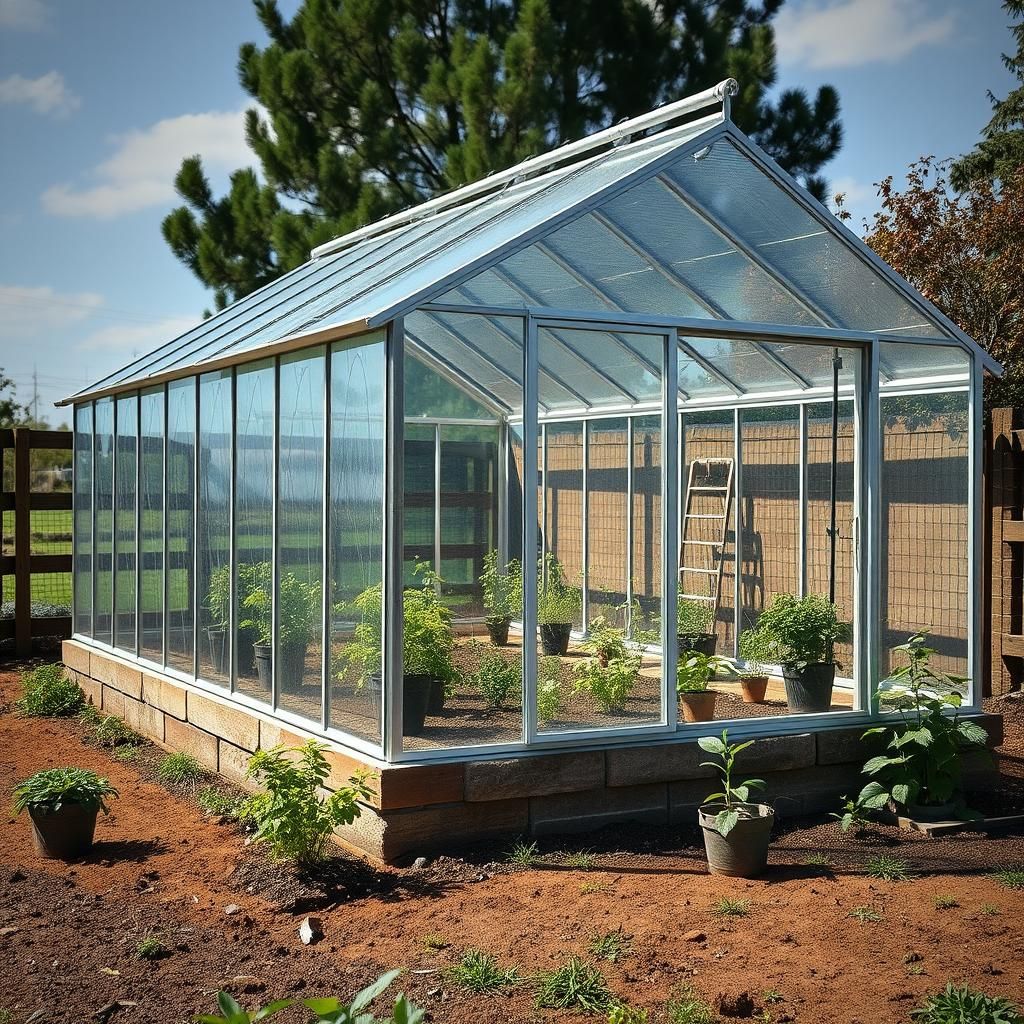
When it comes to setting up a greenhouse, one of the most crucial considerations is its stability and safety. Many gardeners wonder if anchoring a greenhouse to the ground is necessary. Factors such as local weather conditions, greenhouse size, and materials can influence the decision. A well-anchored greenhouse not only enhances structural integrity but also protects plants from harsh elements. In this article, we will explore the importance of anchoring your greenhouse, provide essential tips for ensuring its stability, and discuss the best practices to create a safe environment for your plants to thrive.
Do Greenhouses Need to be Anchored to the Ground?
Anchoring a greenhouse to the ground is an important consideration that depends on various factors such as the size of the structure, the local weather conditions, and the type of greenhouse being used. While smaller, lightweight greenhouses may not require anchoring, larger ones, especially those made of glass or heavier materials, will benefit significantly from being securely anchored. This prevents issues such as wind uplift, movements due to ground shifts, and ensures the safety and stability of the plants and equipment housed within. In areas prone to severe weather events, proper anchoring becomes even more critical to protect the investment and the crops grown inside.
Reasons for Anchoring a Greenhouse
One of the primary reasons for anchoring a greenhouse is to enhance its stability against strong winds and severe weather conditions. Without proper anchorage, greenhouses can be at risk of being uprooted, leading to potential damage or complete destruction of the structure. Furthermore, anchoring provides additional structural integrity, allowing the greenhouse to withstand normal daily movements and ensure a safe growing environment for plants.
Different Types of Anchoring Methods
There are several effective anchoring methods for securing a greenhouse, including the use of ground stakes, anchor bolts, and weights. Ground stakes are typically hammered into the ground around the periphery of the greenhouse, providing direct stabilization. Anchor bolts can be embedded into concrete foundations, offering a robust solution for larger structures. Weights or ballasts can also be utilized for temporary setups, ensuring they remain securely in place without permanent installation.
Local Environmental Considerations
The decision to anchor a greenhouse may also depend on the environmental conditions of the area. Regions that frequently experience high winds, heavy rain, or seismic activity should prioritize anchoring to withstand such forces. Local regulations may also dictate anchoring requirements to ensure safety and compliance with building codes, making it necessary to research local guidelines prior to installation.
Impact on Greenhouse Design
Anchoring a greenhouse can influence its overall design and construction. For instance, designs that incorporate a permanent foundation may allow for sophisticated features like electrical wiring and plumbing systems. Additionally, anchoring may dictate the type of materials used, with heavier materials typically requiring more robust anchoring systems, making ongoing design decisions critical to maximizing both utility and longevity.
Cost Considerations for Anchoring
Implementing an anchoring system does come with cost implications that need to be factored into the overall budget for a greenhouse project. The pricing can vary based on the method chosen, the size of the greenhouse, and local material costs. Generally, investing in a reliable anchoring solution is advisable as the costs saved from avoiding damage and losses during severe weather far outweigh the initial expenses associated with proper installation.
| Anchoring Method | Advantages | Disadvantages |
|---|---|---|
| Ground Stakes | Cost-effective and easy to install. | May not provide enough stability for larger structures. |
| Anchor Bolts | Offers strong, permanent support. | Requires concrete work and can be expensive. |
| Weights/Ballasts | Flexible and easy to move. | Less effective in extremely windy conditions. |
Do greenhouses need to be anchored?
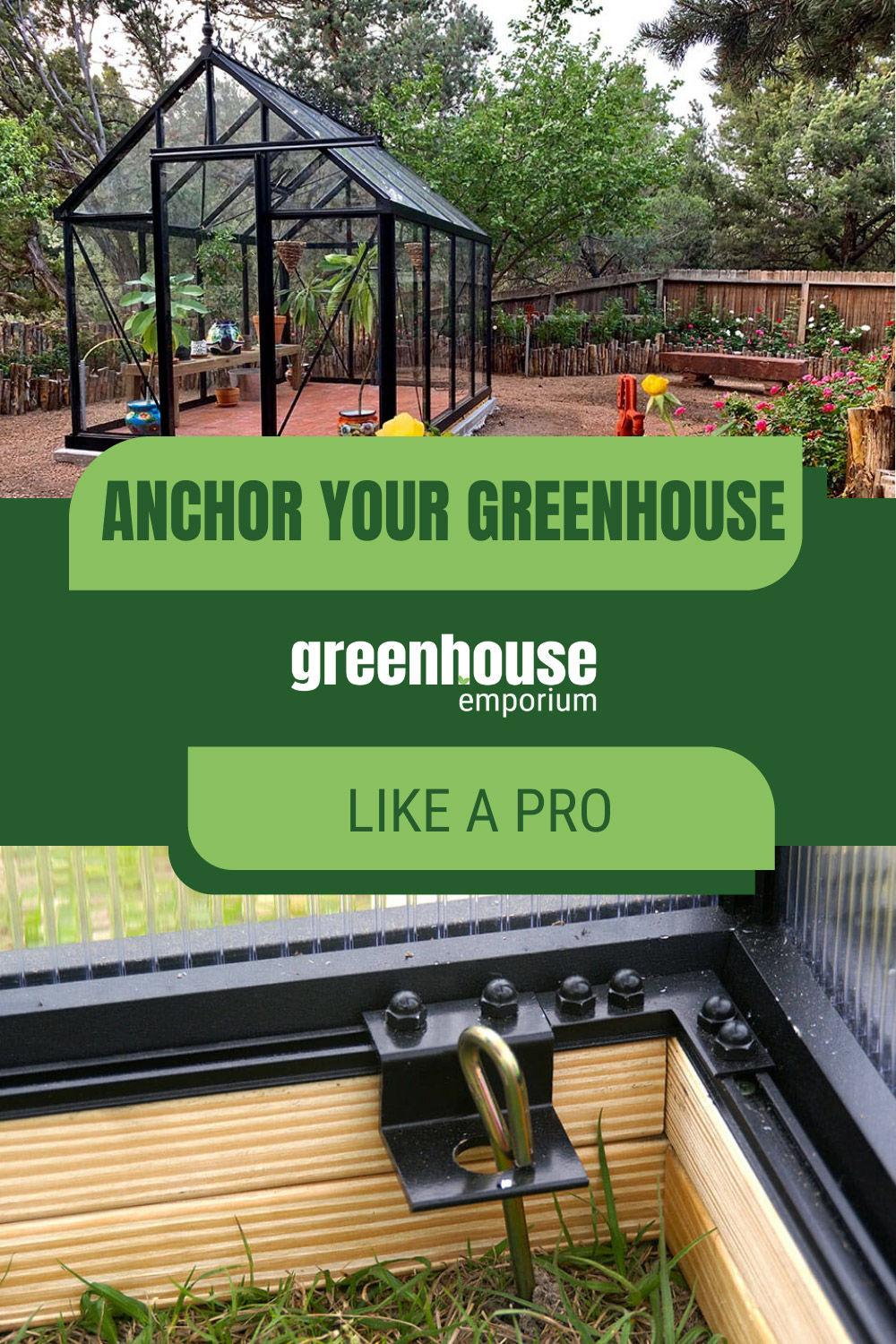
Yes, greenhouses do need to be anchored for several crucial reasons. Anchoring a greenhouse ensures its stability and safety in various weather conditions. Without proper anchorage, a greenhouse can be vulnerable to wind, heavy rain, or snow loads that could lead to structural failure or even complete destruction. Here are some detailed explanations regarding why anchoring is essential, along with related subtopics:
Importance of Greenhouse Anchoring
Anchoring a greenhouse is vital for maintaining its structural integrity. Proper anchorage prevents the greenhouse from shifting or blowing away during strong winds or storms. Greenhouses are typically made of lightweight materials, and without anchoring, they can easily become unstable. The main reasons for anchoring include:
- Wind Resistance: Strong winds can lift or topple a greenhouse without proper anchorage.
- Structural Stability: Anchoring ensures the greenhouse stays in place and can withstand various environmental stresses.
- Protection of Crops: A secure greenhouse helps protect plants from the elements, contributing to healthier growth.
Types of Anchoring Methods
There are several methods for anchoring a greenhouse, each with its advantages. The choice of anchorage may depend on the greenhouse's design, size, and local weather conditions. Common anchoring methods include:
- Ground Stakes: These are driven into the ground at the base of the greenhouse to provide basic support.
- Concrete Footings: For larger greenhouses, concrete footings offer a strong, permanent anchoring solution.
- Straps and Tensioning Systems: These systems use straps attached to ground anchors to hold the greenhouse down securely.
Factors Influencing Anchoring Needs
Several factors can influence the specific anchoring needs of a greenhouse. Understanding these factors will help in selecting the appropriate anchoring system. Key considerations include:
- Location: Areas prone to high winds or severe weather require more robust anchoring methods.
- Greenhouse Size: Larger greenhouses need more substantial anchorage due to increased surface area for wind resistance.
- Soil Type: The type of soil can affect the effectiveness of different anchoring methods, as sandy or loose soils may require deeper anchors.
Consequences of Not Anchoring
Failing to anchor a greenhouse can lead to severe repercussions. It is critical to understand the potential consequences of inadequate anchoring, which include:
See also:
- Structural Damage: Unanchored greenhouses are more likely to experience structural failures that can compromise the growing environment.
- Crop Loss: Damage to the greenhouse can expose plants to adverse weather, leading to potential crop loss.
- Increased Costs: Repairs from wind or storm damage can result in significant financial costs and loss of time for growers.
Best Practices for Anchoring Greenhouses
To ensure proper anchoring of a greenhouse, following best practices is essential. These practices can optimize the efficiency and security of the structure. Recommended practices include:
- Regular Inspections: Routinely checking the anchorage system can identify potential issues before they become significant problems.
- Upgrading Materials: Using high-quality anchoring materials and methods suited to your area's climate can enhance stability.
- Consulting Professionals: Seeking advice from experts can help in implementing the best anchoring solutions for specific needs.
What is the best way to anchor a greenhouse?
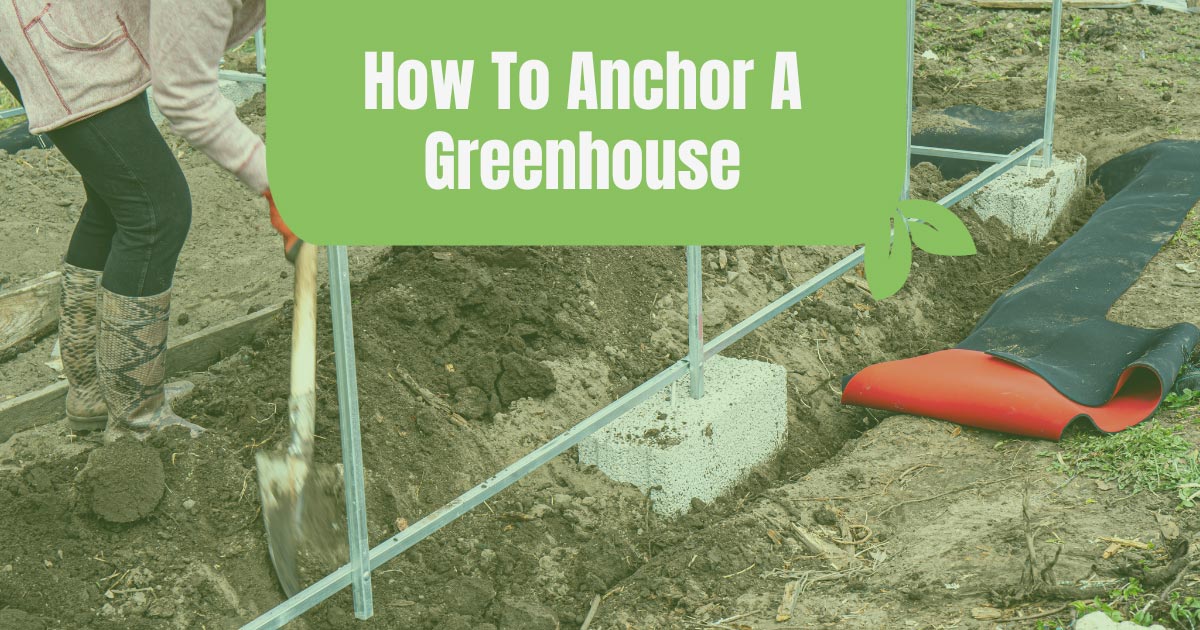
To ensure your greenhouse remains stable and secure, particularly during adverse weather conditions, properly anchoring it is essential. The best way to anchor a greenhouse typically involves several methods, which may vary depending on the size of the structure and the environmental conditions of your location.
Choosing the Right Location
Selecting an appropriate spot for your greenhouse is crucial for both its anchoring and overall effectiveness. A stable location minimizes the chances of heavy winds causing damage.
- Assess the terrain: Avoid areas with loose soil or significant slopes, as these can undermine the stability of the structure.
- Consider wind patterns: Position the greenhouse in a location that is sheltered from prevailing winds, perhaps near existing trees or buildings.
- Ensure accessibility: Make sure that the location allows easy access for maintenance and essential gardening tasks.
Types of Anchoring Methods
There are several effective methods to anchor a greenhouse, each serving different needs based on the size and design of the structure.
- Ground anchors: Use metal or plastic anchors that are driven into the ground and connected to the frame of the greenhouse.
- Concrete blocks: Place heavy concrete blocks at strategic points around the base to weigh down the structure.
- Reinforced footings: For larger greenhouses, create concrete footings that offer a solid foundation and secure anchoring.
Using Stakes and Tie-Downs
Incorporating stakes and tie-downs is another effective method to enhance the anchoring of your greenhouse, particularly during stormy weather conditions.
- Install corner stakes: Drive stakes deep into the ground at each corner of the greenhouse for added stability.
- Utilize tie-down straps: Connect heavy-duty straps from the frame of the greenhouse to the ground stakes to prevent movement.
- Regularly inspect: Periodically check the integrity of the stakes and straps to ensure they remain secure over time.
Weight Distribution Techniques
Making sure that the weight is evenly distributed across the greenhouse structure will aid in its overall anchoring and durability.
- Fill planters: Utilize pots or containers filled with soil or stones to add weight to the foundation edges.
- Distribute heavy materials: Place heavier items, such as stones or bricks, around the perimeter to lower the center of gravity.
- Avoid top-heavy designs: Opt for an elongated shape rather than a tall structure to minimize wind resistance.
Regular Maintenance and Inspections
Once your greenhouse is anchored, it is critical to conduct regular maintenance and inspections to ensure its robustness.
- Check for rust: Inspect metal components regularly for rust or corrosion that may weaken the anchoring system.
- Look for soil erosion: Monitor the soil around the foundation for signs of erosion, which can compromise anchoring.
- Adjust as needed: Make necessary adjustments if you notice any signs of movement or instability in the greenhouse structure.
How do you keep a greenhouse from blowing away?

To keep a greenhouse from blowing away, several strategies can be employed to ensure stability and protection against wind forces. These methods focus on securing the greenhouse structure, anchoring it properly, and using materials that enhance its durability.
Choosing the Right Location
Selecting the best location for your greenhouse is crucial in minimizing the effects of strong winds. Look for areas with natural windbreaks, such as trees or buildings, that can shield your greenhouse from direct gusts.
- Avoid Open Spaces: Placing your greenhouse in an open field increases wind exposure.
- Utilize Natural Barriers: Install your greenhouse near hedges, fences, or other structures that can deflect wind.
- Consider Topography: A slightly elevated area might be better than a low-lying one, as winds can be calmer on hills.
Securing the Greenhouse Structure
Strengthening the greenhouse structure itself is essential for preventing it from being lifted or moved by strong winds. This may involve using sturdier materials or reinforcing existing components.
- Use Strong Framework: Opt for a greenhouse with a robust frame made of aluminum or galvanized steel.
- Reinforce Joints: Ensure that all joints are securely fastened with bolts or brackets to provide added stability.
- Wind Resistant Design: Choose a design that minimizes flat surfaces facing the wind, such as sloped roofs.
Anchor the Greenhouse
Proper anchoring is one of the most effective ways to ensure that your greenhouse stays in place during severe weather conditions. Various anchoring techniques can be applied based on the greenhouse type.
See also:
- Ground Anchors: Use metal stakes or anchors drilled into the ground at all corners and along the sides.
- Concrete Footings: For a more permanent solution, consider pouring concrete footings to secure the base.
- Weighting with Gravel: Adding gravel or stones around the base can help weigh the greenhouse down.
Utilizing Windbreaks
Creating artificial windbreaks around your greenhouse can help reduce wind velocity and protect your structure from damage. These can be made from various materials.
- Installing Fences: Building a solid or lattice fence around the greenhouse can effectively shield it from wind.
- Planting Hedgerows: Growing shrubs and trees nearby can provide a natural buffer against winds.
- Using Wind Screens: Fabric or mesh wind screens can be erected around the greenhouse to further deflect wind flow.
Regular Maintenance
Conducting regular maintenance is key to ensuring your greenhouse's durability against wind. This includes checking for structural integrity and making necessary repairs.
- Inspect for Damage: Regularly check the structure for signs of wear or damage, particularly after severe weather.
- Tighten Loose Components: Periodically inspect and tighten any loose screws, bolts, or fasteners.
- Replace Weakened Parts: Make timely repairs or replacements for any parts that no longer provide adequate support.
What should a greenhouse sit on?
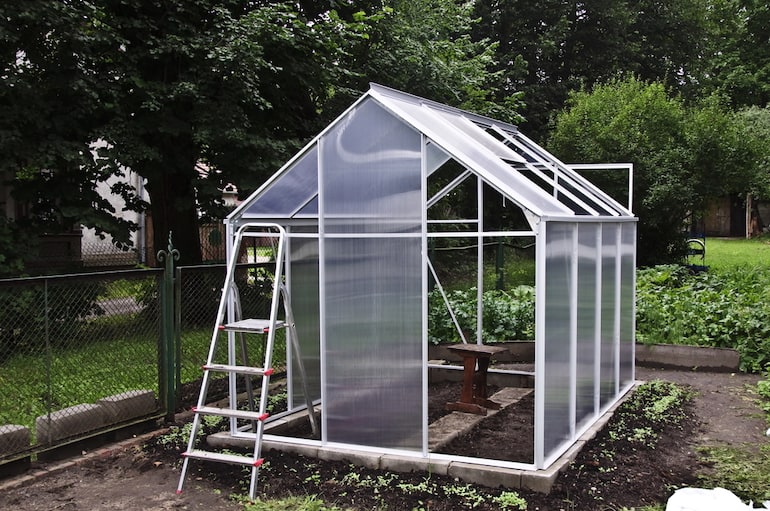
A greenhouse should ideally sit on a well-drained base to ensure the longevity and effectiveness of the structure. Proper placement is critical to enhance its function, optimize conditions for plant growth, and reduce maintenance efforts. Here are several options to consider for what a greenhouse should sit on:
1. Concrete Slab
A concrete slab provides a strong, stable, and durable foundation for a greenhouse. It can effectively prevent weeds and pests from infiltrating the growing area.
- Strength: Concrete can support heavy structures and withstand weather conditions.
- Weed Control: A solid surface prevents weeds from growing underneath.
- Low Maintenance: Once set, it requires little upkeep compared to other surfaces.
2. Gravel Base
Using a gravel base is another popular option. Gravel allows for good drainage, preventing water pooling around the greenhouse, which can be detrimental to the plants.
- Drainage: Gravel facilitates drainage, allowing excess moisture to escape easily.
- Weed Suppression: A deep layer of gravel can inhibit weed growth.
- Temperature Moderation: Gravel can help maintain consistent ground temperatures.
3. Raised Beds
Greenhouses can also be positioned on raised beds which can help with drainage and temperature regulation. Raised beds can elevate plants, keeping them away from pests.
- Improved Drainage: Elevation allows for better water runoff and soil drainage.
- Reduced Soil Compaction: Plants grown in raised beds are less likely to suffer from soil compaction.
- Accessible Gardening: Easier access for planting and harvesting tasks.
4. Wooden Frame
A wooden frame can also serve as a foundation for a greenhouse. However, it requires regular maintenance to prevent rot and pest issues.
- Natural Aesthetic: Wood can provide a more visually appealing foundation.
- Flexible Design: Wood can easily be cut and shaped for custom designs.
- Insulation: Wood can offer some insulation against temperature changes.
5. Pavers or Flagstones
Using pavers or flagstones creates a durable and level surface for a greenhouse. They can be arranged to create a solid foundation and allow for adequate drainage.
- Durability: Pavers are resistant to weather and can last for years.
- Custom Layout: They can be arranged in various patterns to suit preferences.
- Excellent Drainage: Spaces between pavers allow water to escape effectively.
Questions from Our Readers
Does a greenhouse need to be anchored to the ground?
A greenhouse does not always need to be anchored, but it is highly recommended, especially in areas prone to strong winds or extreme weather conditions. Proper anchoring helps to ensure the structural integrity and safety of the greenhouse.
What are the benefits of anchoring a greenhouse?
Anchoring a greenhouse provides several benefits, including improved stability, protection against wind damage, and increased durability over time. It can also help maintain the temperature inside the greenhouse by preventing unwanted movement.
How can a greenhouse be anchored?
A greenhouse can be anchored using several methods, such as driving stakes into the ground, using concrete blocks, or attaching it to a foundation. The choice of method often depends on the size and construction of the greenhouse, as well as the local climate conditions.
What types of greenhouses need anchoring?
All types of greenhouses, including temporary and permanent structures, should consider anchoring, but it is particularly important for larger and more complex designs. Greenhouses with lightweight materials may be more susceptible to movement, making anchoring essential for their stability.
https://youtube.com/watch?v=0rKixsCRg30

If you want to read more articles like Does a Greenhouse Need to Be Anchored to the Ground? Essential Tips for Stability and Safety, we recommend you check out our Greenhouse category.
Leave a Reply
Related Articles