Do You Need to Go to TAFE to Be a Landscaper? Exploring Career Options and Pathways

As interest in landscaping continues to grow, many aspiring landscapers find themselves pondering the best path to enter this vibrant field. One common question arises: Do you need to go to TAFE (Technical and Further Education) to become a landscaper? This article will delve into various career options and educational pathways available for those looking to build a successful landscaping career. From formal education to hands-on experience and apprenticeships, we will explore the different routes you can take, helping you make informed decisions about your future in landscaping.
Do You Need to Go to TAFE to Be a Landscaper?
Becoming a landscaper does not necessarily require formal education at a TAFE (Technical and Further Education) institution; however, pursuing such education can significantly enhance your skills and knowledge in the field. TAFE programs often provide hands-on experience, covering essential topics such as horticulture, design principles, and soil management, which are vital for a successful landscaping career. While many landscapers start with basic knowledge and learn on the job, enrolling in a TAFE program can offer a comprehensive understanding of landscape architecture and improve your employability, access to industry contacts, and potential for higher wages.
Benefits of TAFE for Aspiring Landscapers
Attending TAFE can provide aspiring landscapers with numerous benefits, including structured learning, access to industry-standard tools, and expert instructors. Students benefit from both theoretical knowledge and practical application, which ensures they are better prepared for real-world challenges in landscaping. Additionally, TAFE programs often include networking opportunities with industry professionals, which can lead to job placements and internships, making it an excellent investment for serious candidates.
Alternative Pathways to Landscaping
While TAFE offers a structured route to becoming a landscaper, alternative pathways do exist. Many individuals enter the field through apprenticeships or by gaining experience working under a seasoned landscaper without formal qualifications. Community workshops, online courses, and self-study can also provide valuable knowledge about the basics of landscaping. However, the depth of understanding may vary compared to structured educational programs, emphasizing the importance of practical experience in learning.
Essential Skills for a Landscaper
Regardless of whether you pursue TAFE education or not, some essential skills are necessary for a successful landscaping career. These skills include plant identification, landscape design, effective communication with clients, and project management. Moreover, landscapers should possess a good understanding of environmental practices to promote sustainable landscaping methods. Developing these skills can greatly enhance your effectiveness and success in the field.
Job Opportunities for TAFE Graduates
Graduates from TAFE landscaping programs often find themselves with a wider range of job opportunities compared to those without formal education. Many employers in the landscaping industry prefer candidates with relevant qualifications as they are perceived to have a more comprehensive understanding of landscape design, horticulture, and the technical aspects of the job. Positions may vary from landscape designers, horticulturists, to supervisors and project managers, establishing a solid career path for those who dedicate themselves to their education.
The Role of Certification in Landscaping
Obtaining a certification from a TAFE program can significantly boost a landscaper’s credibility and employability. Certifications act as proof of your skills and knowledge, giving potential employers confidence in your capabilities. Furthermore, possessing recognized qualifications can lead to better job placements and potentially higher earnings. As certification requirements may vary by state or territory, it is essential to research local regulations to understand the value of certification in your area.
| Aspect | TAFE | Alternative Paths |
|---|---|---|
| Formal Education | Yes | No |
| Hands-on Experience | Structured | Varies |
| Networking Opportunities | High | Low |
| Job Placement Rate | Higher | Variable |
| Potential Earnings | Higher | Without Education |
What training do I need to be a landscaper?
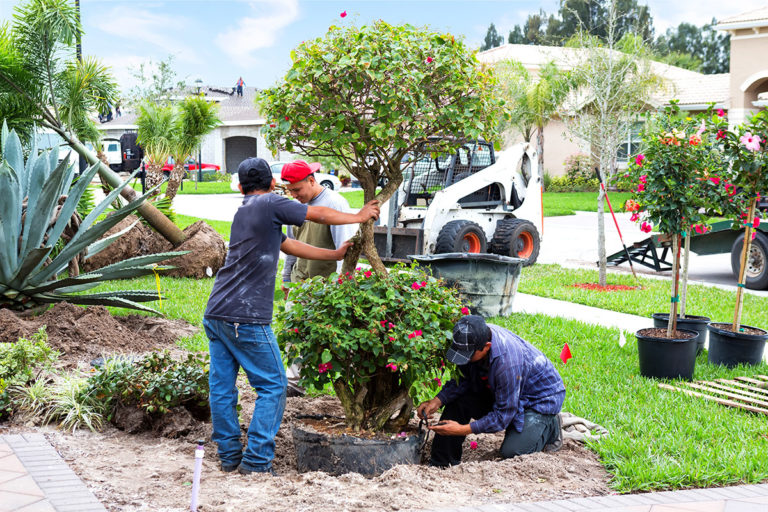
To become a landscaper, a combination of education, practical experience, and specialized training is essential. The field of landscaping covers various aspects, including design, maintenance, and horticulture, which require different skills and knowledge areas.
Educational Requirements
To start a career in landscaping, formal education is often beneficial but not always required. Generally, aspiring landscapers can pursue the following educational paths:
- High School Diploma: Most landscaping jobs require at least a high school diploma or equivalent. Subjects like biology and agriculture can be particularly useful.
- Degree in Landscape Design: Enrolling in a specialized program, such as a degree in landscape architecture or design, can provide a comprehensive understanding of design principles and environmental factors.
- Certificates in Horticulture: Short courses and certifications in horticulture can significantly enhance your knowledge of plant care, soil science, and pest management.
Hands-on Experience
Practical experience is critical in landscaping. It helps you apply theoretical knowledge in real-world situations. Here are ways to gain such experience:
- Internships: Seeking internships with landscaping companies can provide invaluable on-the-job training, allowing you to learn from experienced professionals.
- Entry-level Jobs: Starting in a labor position—such as a groundskeeper or garden assistant—can help you develop practical skills and an understanding of various landscaping tools.
- Volunteering: Participating in community gardening projects or non-profit landscaping efforts can further build your experience while allowing you to network within the industry.
Specialized Training Programs
There are numerous specialized training programs available that can equip you with specific skills needed for landscaping:
- Landscape Design Courses: These courses focus on creating aesthetically pleasing and functional outdoor spaces, with topics such as color theory, plant selection, and spatial planning.
- Horticultural Training: Specialized classes in horticulture teach you about plant biology, pest control, and sustainable practices, which are crucial for any landscaper.
- Certifications in Landscape Maintenance: Pursuing certifications in landscape maintenance can provide knowledge about turf care, irrigation systems, and overall landscape health.
Understanding Local Regulations
Landscapers must also be familiar with local laws and regulations governing landscaping practices:
- Zoning Laws: Understanding local zoning laws can help you determine what changes can be made to a landscape and where.
- Permitting Processes: Some landscaping projects may require permits. Knowledge of this process can streamline your project initiation.
- Environmental Regulations: Awareness of environmental regulations, such as water usage or pesticide application laws, ensures compliance while promoting sustainability.
Networking and Professional Development
Building a professional network can significantly enhance your career in landscaping:
- Joining Professional Organizations: Becoming a member of landscaping or horticultural associations can provide access to resources, training, and job opportunities.
- Attending Workshops and Conferences: Participating in industry events helps you stay updated on trends, best practices, and new technologies in landscaping.
- Online Communities and Forums: Engaging with online platforms allows you to share experiences, seek advice, and expand your professional network.
Do you need to go to school for landscaping?

The answer to this question is not straightforward, as it depends on various factors including the level of expertise you wish to achieve, your career goals, and your personal learning style. While formal education is not strictly necessary to enter the landscaping field, it can provide significant advantages.
Formal Education Options
Many people choose to pursue a formal education in landscaping or related fields. These programs are often offered at community colleges, universities, and vocational schools. The benefits of attending these institutions include:
- Structured Learning: Programs provide a structured curriculum that covers essential topics like soil science, plant identification, and landscape design.
- Hands-on Experience: Many courses offer practical experience through labs and fieldwork, helping you apply theoretical knowledge.
- Networking Opportunities: Educational institutions can connect you with industry professionals and future employers, which could enhance your career prospects.
Certifications and Licensing
In some regions, obtaining certifications or licenses can be crucial for advancing in the landscaping industry. Certifications demonstrate a level of expertise and can set you apart from competitors. Some important points include:
- Professional Certification: Organizations such as the National Association of Landscape Professionals provide certifications that validate your skills.
- State Licenses: Depending on your location, you may need specific licenses, especially if applying pesticides or running a business.
- Continued Education: Many certifications require ongoing education, ensuring that you stay updated on the latest industry trends and techniques.
On-the-Job Training
Many landscapers start their careers through on-the-job training, which can be an effective way to learn practical skills without formal education. Key advantages of this approach include:
- Real-World Skills: Gain hands-on experience in a real-world setting, learning directly from seasoned professionals.
- Immediate Application: You can immediately apply what you learn, reinforcing your skills through practice.
- Job Opportunities: Working in the field often leads to job offers and promotions based on your performance and commitment.
Self-Education Resources
For those who prefer independent learning, there are numerous resources available to help you learn about landscaping. Some of the most effective resources include:
- Books and Online Courses: Consider investing in books or enrolling in online courses that cover landscaping techniques and principles.
- Gardening Clubs and Workshops: Joining local gardening clubs or attending workshops can provide community support and additional learning opportunities.
- YouTube and Podcasts: Utilize platforms like YouTube or podcasts to access expert advice and diverse perspectives on landscaping topics.
The Importance of Experience
Regardless of educational background, experience is invaluable in the landscaping field. Practical experience can lead to various benefits, such as:
- Enhanced Skills: The more you work in landscaping, the better you become at identifying plants, designing spaces, and solving problems.
- Portfolio Development: Gaining experience allows you to build a portfolio of completed projects, which can be essential for attracting clients.
- Professional Reputation: Working in the field helps establish your reputation as a knowledgeable and reliable landscaping professional.
Questions from Our Readers
Do you need to go to TAFE to be a landscaper?
No, you do not need to go to TAFE to become a landscaper, but completing a course can be highly beneficial. TAFE provides structured training that covers essential skills and knowledge, which can enhance your employability and understanding of the industry.
What are the benefits of studying at TAFE for landscaping?
Studying at TAFE for landscaping offers numerous benefits, including access to experienced instructors, practical training, and recognized qualifications. These factors can help you stand out in the job market and provide you with a solid foundation of technical skills.
Are there alternative paths to becoming a landscaper?
Yes, there are alternative paths to becoming a landscaper, such as doing an apprenticeship, gaining hands-on experience through internships, or starting as a laborer. Building a strong portfolio and network within the industry can also help you succeed without formal education.
How long does it take to become a qualified landscaper?
The time it takes to become a qualified landscaper can vary based on the path you choose. Completing a TAFE course may take about one to two years, while gaining hands-on experience through an apprenticeship can take around three to four years.

If you want to read more articles like Do You Need to Go to TAFE to Be a Landscaper? Exploring Career Options and Pathways, we recommend you check out our Landscaping category.
Leave a Reply
Related Articles