Do You Harvest Garlic Before or After It Flowers? Essential Tips for Optimal Garlic Yield

Garlic is a beloved ingredient in kitchens around the world, prized for its robust flavor and numerous health benefits. However, for many home gardeners, understanding the best practices for garlic cultivation can be a challenge. One common question arises: should you harvest garlic before or after it flowers? Timing your garlic harvest is crucial for achieving optimal yield and flavor. In this article, we'll explore the signs to look for in determining when to harvest garlic, the implications of its flowering, and essential tips to ensure a bountiful crop. Join us as we uncover the secrets to successful garlic gardening.
When to Harvest Garlic: Before or After Flowering?
Garlic should be harvested before it flowers to ensure the best flavor and quality of the bulbs. When garlic begins to flower, it diverts energy from bulb development into producing flowers and seeds. This process can lead to smaller bulbs with inferior taste. The ideal time to harvest garlic is when the lower leaves start to turn yellow and dry out, while a few of the upper leaves remain green. At this stage, the bulbs are fully formed and have developed their rich flavors without sacrificing quality.
Understanding Garlic Flowering
Garlic flowering occurs when it reaches maturity and develops a flower stalk, known as a scape. This process is natural for garlic plants, signaling that they are nearing the end of their growth cycle. The scapes can be beneficial as they indicate when garlic is ready for harvest, but leaving the bulbs in the ground too long after flowering can result in poor quality. Additionally, the presence of flowers can indicate that the plant has shifted its energy focus away from the bulb development.
Signs That Garlic Is Ready for Harvest
When monitoring garlic plants for harvest readiness, look for certain signs. The lower leaves turning brown and wilting while some upper leaves remain green is a key indicator. Generally, this occurs about 8 to 10 months after planting garlic. The firmness of the bulbs can also be assessed by gently squeezing the soil around the base; if the bulbs feel large and solid, it is likely the right time to reap your harvest.
The Impact of Delaying Harvest
Delaying the harvest of garlic until after flowering can severely affect the growth and quality of the bulbs. When garlic plants flower, they risk becoming smaller and less flavorful as they allocate resources to flowering rather than to bulb maturation. This diversion of energy can result in bulbs that are more susceptible to disease and environmental stress, ultimately decreasing yield potential and overall quality.
How to Properly Harvest Garlic
Properly harvesting garlic involves a few key steps for ensuring maximum quality. First, carefully loosen the soil around the bulbs with a garden fork to avoid bruising them. Once they are loosened, gently pull the bulbs from the ground by their leaves, taking care not to damage them. After harvesting, it is essential to allow the garlic to cure in a shaded, well-ventilated area, which helps improve flavor and extend storage life.
Storage Tips for Harvested Garlic
After harvesting, proper storage is crucial for maintaining the quality of garlic. Ideally, store garlic in a cool, dry place with good airflow, such as a mesh bag or wire basket. Avoid storing in plastic bags, as they can trap moisture and lead to rot. Whole bulbs can last several months when stored correctly, but if they are separated into cloves, their shelf life shortens. Regularly check for any signs of softness or sprouting, which indicate that the garlic is no longer fresh.
| Harvest Stage | Signs | Quality |
|---|---|---|
| Before Flowering | Lower leaves yellowing | High quality, large bulbs |
| After Flowering | Flowers present, leaves wilting | Smaller bulbs, less flavor |
Should you pick garlic before it blooms?
:max_bytes(150000):strip_icc()/harvesting-garlic-1402402_FINAL-a6af5d2ed4fa49939c6f66c3c98c35dc_1-12a11340b2b045f0bc08608fb88821ce.jpg)

Garlic is a popular bulbous plant that is often grown in home gardens and commercial farms. Understanding the timing of when to harvest garlic is essential to ensure optimal flavor and storage capabilities. One important consideration is whether to pick garlic before it blooms.
Understanding the Garlic Bloom Cycle
When garlic plants develop, they typically produce a flower stalk called a scape. This flowering occurs during the late spring to early summer. The garlic bloom cycle is crucial because it signals the plant's readiness for harvest. If scapes are left to flower, energy that could have been directed into bulb development is instead used for flowering.
- Garlic plants usually bloom when temperatures rise.
- Optimal bulb development occurs when flowers are removed early.
- Left unharvested, the bulbs may become smaller.
Benefits of Harvesting Before Blooming
Picking garlic before it blooms offers several advantages, making it a preferred practice among many gardeners. Removing the scapes stimulates the bulb to grow larger and more robust, significantly affecting the end quality.
- Enhances bulb size and quality by redirecting energy.
- Prevents the garlic from becoming bitter due to blooming stresses.
- Allows for a more uniform harvest time.
How to Identify the Right Time to Harvest
Timing is critical when it comes to harvesting garlic. Generally, you should wait until the lower leaves of the plant turn yellow or brown. Observing this change will ensure that the bulb has reached near maturity before you consider cutting the plants.
- Monitor leaf color changes to assess readiness.
- Check the bulb size by gently digging around the base.
- Harvest when about one-third of the leaves are yellow.
Effects of Delaying Harvest
Delaying the harvest of garlic until after blooming can have negative consequences. As the plant diverts energy to producing flowers, the overall quality and storage life of the bulbs can diminish.
- Garlic bulbs may split, making them less desirable for storage.
- Flavor can become sharper and less appealing.
- Overall yield might decrease, resulting in smaller bulbs.
Recommended Practices for Garlic Cultivation
To ensure a successful garlic harvest, it's crucial to adopt best practices throughout the growing season. Traditional methods have proven to enhance both the yield and flavor of the garlic.
- Regularly check plants for scape development and remove them.
- Water adequately to support healthy growth up to the harvest.
- Choose the right variety of garlic for your climate and soil.
Is garlic still good after it flowers?
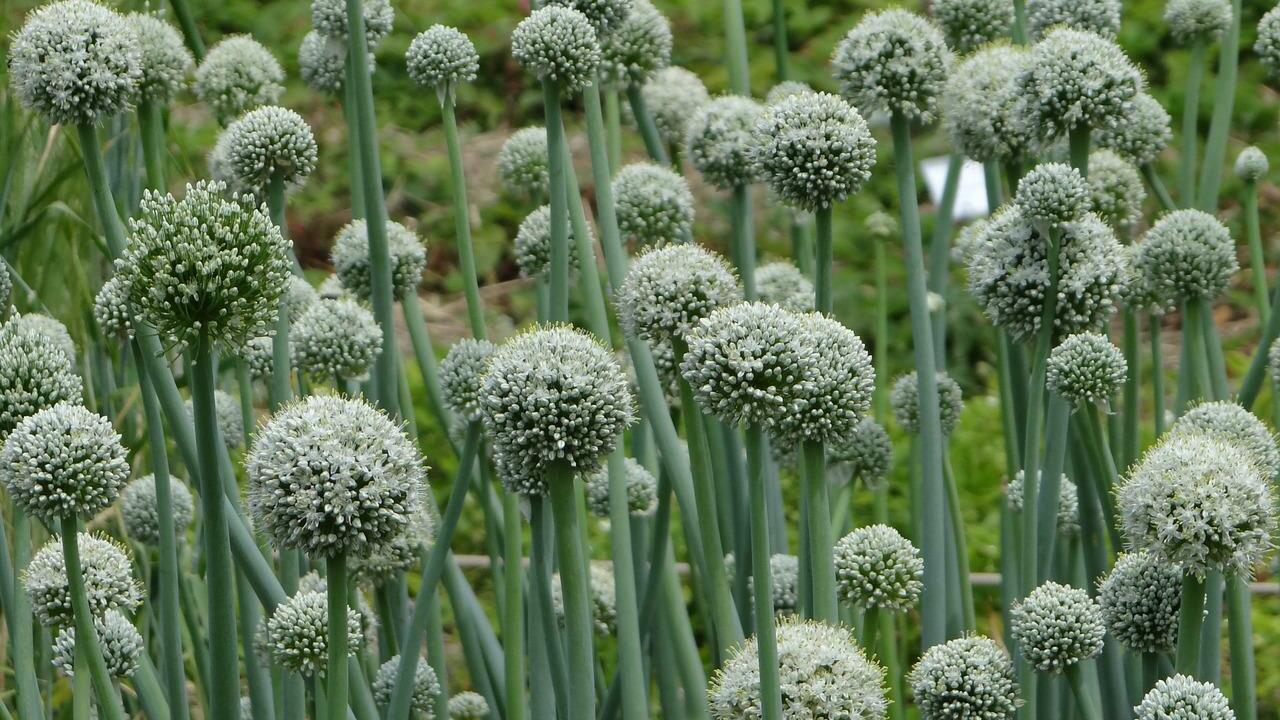
Garlic can still be good after it flowers, but certain conditions and factors need to be considered. When garlic plants bolt, or flower, they produce a flowering stalk known as a scape. While the bulb itself may continue to grow, the quality and flavor of the garlic can change. Here’s a detailed look at what happens to garlic after flowering and its implications for consumption.
See also:
Why Does Garlic Flower?
Garlic flowers as part of its natural reproductive process. This occurs when the plant is mature and environmental conditions such as temperature and moisture are ideal. Understanding this process is vital for garlic cultivation.
- Environmental Factors: Garlic may flower due to stress factors such as drought or changes in temperature.
- Plant Maturity: Garlic typically flowers when it has reached full maturity, often indicating that it is ready for harvest.
- Reproductive Strategy: Flowering allows garlic to produce seeds, although most cultivars are propagated through bulbs.
Impact on Flavor and Texture
The flavor and texture of garlic can change once it flowers. While some may enjoy the taste of scapes, the bulbs might lose some of their usual pungency.
- Flavor Profile: The flavor may become milder and less intense compared to unflowered garlic.
- Texture Change: The bulb might become a bit softer or have an altered texture which can affect culinary uses.
- Scape Use: The flowering stalk or scape can be harvested and used in cooking as they have a unique flavor.
Harvesting Garlic After Flowering
If garlic has flowered, it’s essential to know the right time to harvest. Timing can affect the quality of the bulbs.
- Signs of Readiness: Look for yellowing leaves and the stalk starting to bend, which indicates it's time to harvest.
- Testing Bulbs: Gently dig around the bulb and check its size; they should be plump and firm.
- Optimal Conditions: Harvest on a dry day to avoid disease and ensure proper storage.
Storage Considerations
How you store garlic post-flowering can impact its longevity and safety for consumption.
- Cool, Dry Place: Store bulbs in a cool, dry area with good ventilation to minimize sprouting and mold.
- Limit Sunlight: Exposure to light can cause garlic to sprout faster, so keep away from direct sunlight.
- Check Regularly: Inspect stored garlic regularly for any signs of decay or mold.
When to Discard Garlic
Identifying when garlic has gone bad is crucial for health. Certain indicators can help in this assessment.
- Mold Presence: If you observe any mold on the bulb or skin, it's best to discard it.
- Softness or Shriveling: Texture changes such as softness or shriveling are signs that garlic is no longer good.
- Sprouting: While sprouted garlic is still safe to eat, it may be bitter; consider removing sprouts before use.
Questions from Our Readers
Do you harvest garlic before or after it flowers?
Harvesting garlic is typically done before it flowers. If garlic is left to flower, it can divert energy away from the bulbs, resulting in smaller and less flavorful garlic cloves.
What signs indicate that it's time to harvest garlic?
The best indicators for harvesting garlic are when the lower leaves turn yellow and start to die back, while the upper leaves remain green. This usually occurs about 8 to 10 months after planting.
Can garlic flower affect the taste?
Yes, allowing garlic to flower can affect its taste. Flowering can lead to the development of scapes, which are edible but may reduce the overall quality and flavor of the garlic bulb itself.
See also:
What should you do with garlic scapes?
Garlic scapes can be harvested and used in various dishes, such as pesto or stir-fries. They are tender and have a milder flavor than the bulbs, making them a tasty addition to many recipes.
If you want to read more articles like Do You Harvest Garlic Before or After It Flowers? Essential Tips for Optimal Garlic Yield, we recommend you check out our Gardeners category.
Leave a Reply
Related Articles