Do You Cut the Top or Side of a Hedge First? A Complete Guide to Proper Hedge Trimming Techniques
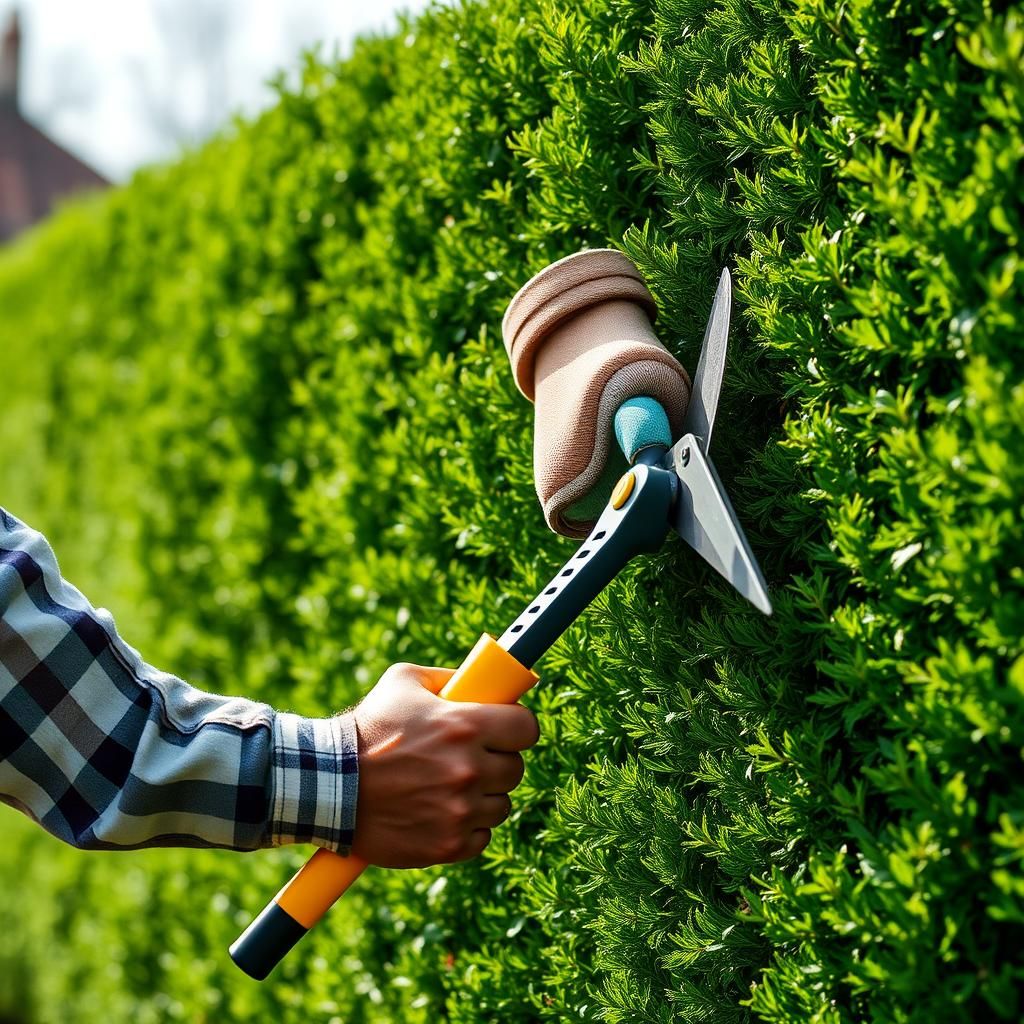
When it comes to maintaining a beautiful garden, proper hedge trimming is essential. However, many homeowners often wonder about the best techniques to achieve a clean and professional look. One common question arises: should you cut the top or the sides of a hedge first? This comprehensive guide will explore the various approaches to hedge trimming, providing you with practical tips and techniques to enhance the shape and health of your shrubs. Whether you are a seasoned gardener or a novice, understanding these trimming methods will help you achieve optimal results and ensure your hedges thrive throughout the seasons.
Which Should You Cut First: The Top or the Side of a Hedge?
When it comes to trimming hedges, the decision of whether to cut the top or the side first can impact the final appearance of the hedge. It's generally advisable to start with the sides because this approach allows you to shape and define the overall structure and height of the hedge, ensuring a consistent look. After defining the sides, you can proceed to the top, which helps to remove any excess growth that may have occurred and ensures that the horizon line is smooth and level. This method not only promotes a uniform shape but also allows for easier cleanup, as the clippings from the top will naturally fall onto the already trimmed sides.
Why Trim the Sides First?
Trimming the sides first of a hedge is essential for shaping its overall form and ensuring that growth is balanced. When you start from the sides, you can determine the height and shape you desire, giving you a clear vision to follow as you continue pruning. This method helps to create a neat appearance and prevents the top growth from becoming too heavy, which can lead to an uneven and unprofessional look.
The Importance of Trimming the Top Last
Cutting the top last is crucial as it allows you to finalize the height and shape established during the side trimming process. By waiting until you've properly shaped the sides, you can better assess how much height to remove without compromising the overall aesthetics. This order of trimming facilitates achieving a clean and polished finish, ensuring no accidental over-trimming occurs before the final touches are added.
Impact on Hedge Health
The order of trimming can significantly influence the health of the hedge. By starting with the sides, you enable the plant to better handle the stress of being trimmed, as removing side growth allows more sunlight to reach the interior branches. If you were to cut the top first, it could potentially result in uneven growth patterns and stress the plant, leading to a compromised health and structure in the long term.
See also:
Tools Required for Effective Pruning
Using the right tools is essential for effective hedge trimming. You will need a pair of sharp hedge shears or a powered hedge trimmer for a clean cut and to minimize damage to the plant. Additionally, having a ladder handy helps you reach the top without risking your safety. Investing in quality tools not only increases efficiency but also promotes healthier cuts, leading to a better-looking hedge final appearance.
Timing Your Hedge Trim for Optimal Results
The timing of your hedge trimming also plays an important role in achieving the best results. Ideally, you should trim your hedge during the late spring or early summer when plants are actively growing. This timing ensures that any cuts made will quickly heal, and the hedge can recover, promoting a lush and full appearance. Avoid trimming during cold months, as this can stress the plant and result in an unkempt look.
| Task | First Action | Reasoning |
|---|---|---|
| Trim Sides | Yes | Ensures uniformity in height and shape. |
| Trim Top | No | Finalizes the height after shaping sides. |
| Health Impact | Positive | Allows more sunlight for interior growth. |
| Tool Efficiency | High | Minimizes damage and promotes cleanliness. |
| Best Time | Late Spring/Early Summer | Supports active growth and quicker recovery. |
Understanding the Importance of Hedge Trimming Order
When it comes to hedge trimming, the order of cutting, whether starting from the top or the sides, plays a crucial role in achieving a uniform and healthy appearance. Cutting the top first allows you to create a defined height and shape, ensuring that you can clearly see how the sides will look in proportion. This method gives you the flexibility to adjust the height according to your desired aesthetics and assists in managing the growth of the hedge more effectively. By prioritizing the top, you will also prevent clippings from falling onto the neatly trimmed sides, keeping the work area tidy and allowing for easier cleanup afterward.
Benefits of Cutting the Top First
Cutting the top of the hedge first provides several advantages, including better control over the hedge's shape and size. By establishing the height from the beginning, you can ensure that all subsequent cuts align with your design goal, resulting in a more visually appealing appearance. Additionally, this method minimizes the risk of uneven growth on the sides, promoting a healthier and more balanced hedge.
How to Properly Trim the Sides After the Top
Once the top has been trimmed to the desired height, the next step involves carefully shaping the sides. Use a sharp set of hedge trimmers to ensure a clean cut, which helps maintain the hedge's health and encourages lush regrowth. It's advisable to trim the sides at a slight angle; this method allows sunlight to reach all parts of the hedge, enhancing growth and ensuring a fuller appearance.
See also:
Common Mistakes in Hedge Trimming Order
A frequent mistake many gardeners make is trimming the sides before addressing the top. This can lead to an unbalanced appearance and increase the likelihood of uneven growth. Additionally, trimming the sides first may result in excess clippings falling onto the top, complicating cleanup and potentially hindering your ability to achieve a smooth finish. Proper order is essential for a professional look.
Tips for Achieving a Professional Finish
To achieve a professional finish, it is crucial to use the right tools and techniques. Start by ensuring that your hedge trimmers are sharp to allow for clean cuts, which promote healthy regrowth. Regularly step back during the trimming process to assess the shape and proportion, making necessary adjustments as you go. Using a level or measuring tape can help maintain uniformity and create a more polished look.
Seasonal Considerations for Hedge Trimming
Timing is an essential factor in hedge trimming. Understanding the seasonal growth patterns of your specific hedge type will help you determine the best time to trim for optimal health and appearance. Generally, trimming in the early spring or late summer is ideal, as this helps manage growth while minimizing stress on the plant. Avoid cutting during extreme weather conditions, which can harm the hedge and affect its long-term health.
Questions from Our Readers
Do you cut the top or side of a hedge first?
Cutting the top of a hedge first is generally recommended because it allows you to establish the desired height and shape before focusing on the sides. This method helps prevent any unwanted branches from obstructing your view and ensures a more uniform appearance.
What tools are best for trimming hedges?
Choosing the right tools is crucial for efficient hedge trimming. Typically, a hedge trimmer or a set of sharp garden shears works best, as they provide a clean cut, reducing damage to the plants and promoting healthier growth.
See also:
How often should you trim your hedge?
The frequency of trimming depends on the type of hedge and your aesthetic preferences. Generally, most hedges should be trimmed at least once a year, while fast-growing species may require trimming two to three times during the growing season to maintain their shape.
What time of year is best for hedge trimming?
The best time for hedge trimming usually falls in late winter or early spring before new growth begins. This timing not only minimizes stress on the plants but also allows for better visibility of the hedge's structure, making it easier to achieve a desirable shape.

If you want to read more articles like Do You Cut the Top or Side of a Hedge First? A Complete Guide to Proper Hedge Trimming Techniques, we recommend you check out our Hedges category.
Leave a Reply
Related Articles