Do Plants Grow Better in Potting Mix or Soil? Discover the Best Soil for Your Plants
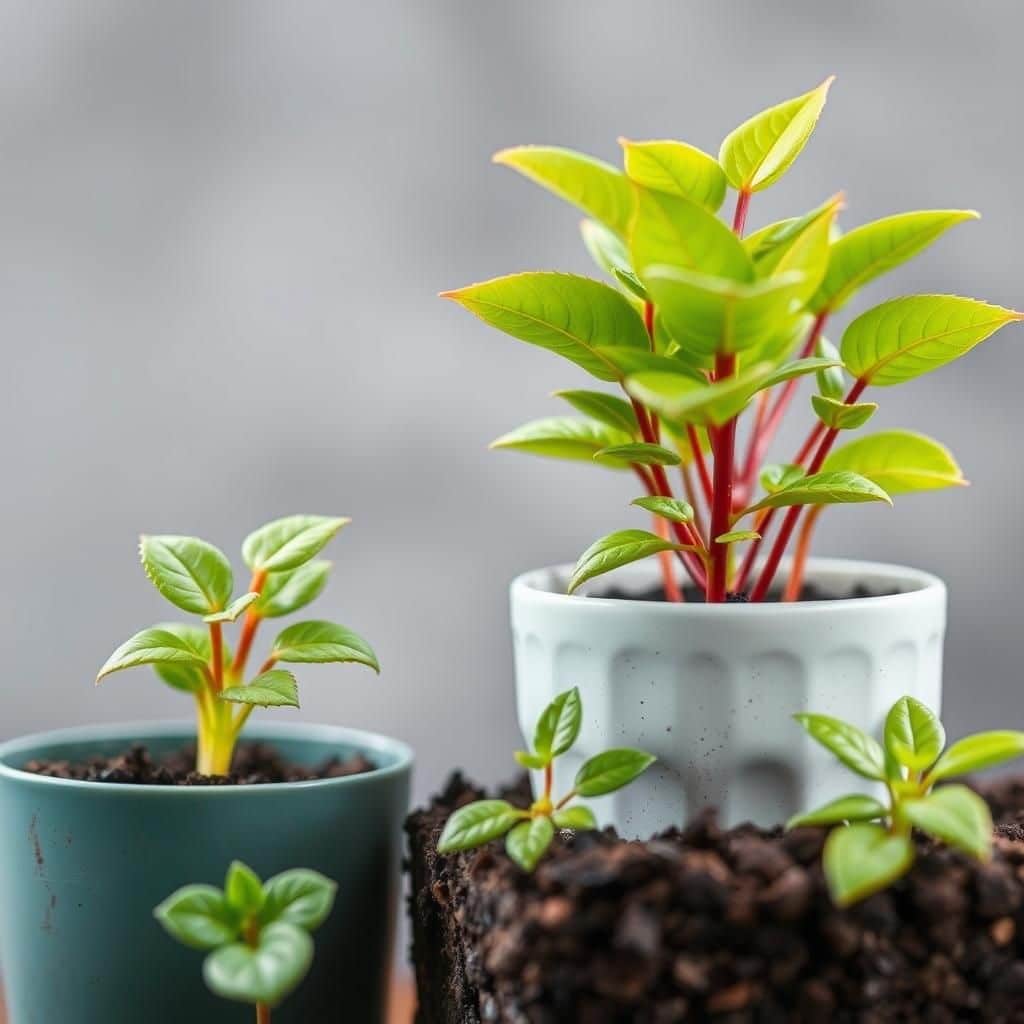
When it comes to nurturing plants, the choice of growing medium plays a crucial role in their health and growth. Two popular options are potting mix and traditional soil, each offering unique benefits and challenges. Understanding the differences between these substrates can help gardeners make informed decisions to foster vibrant, thriving plants. In this article, we will explore the characteristics of potting mix and soil, examining how each affects plant development. Join us as we delve into the best options for your specific gardening needs, ensuring your plants receive the optimal environment to flourish.
Do Plants Grow Better in Potting Mix or Soil?
The growth of plants can be significantly influenced by the medium in which they are planted, and the debate between using potting mix versus garden soil is ongoing among gardeners and horticulturists. Potting mixes are typically formulated with a combination of organic materials, such as peat moss, perlite, and vermiculite, which provide excellent drainage and aeration, making them ideal for container gardening where root development is critical. On the other hand, garden soil, rich in nutrients and microorganisms, can support various plants but may suffer from poor drainage and compaction if not managed correctly. Ultimately, the best choice depends on the specific needs of the plants, the growing conditions, and the gardener's goals.
What is Potting Mix?
Potting mix, also known as potting soil, is a soil-less growing medium designed specifically for container gardening. It is made from a combination of organic materials such as compressed peat moss, bark, compost, and perlite. The unique composition of potting mix allows for optimal aeration and drainage, which is essential for healthy root development. Unlike traditional soil, potting mix does not contain harmful pathogens, making it a safer option for nurturing plants in confined spaces.
Advantages of Using Potting Mix
One of the significant advantages of using potting mix is its ability to provide excellent water retention while ensuring adequate drainage. Potting mixes are lightweight and allow for fast root growth, which is critical for young or newly transplanted plants. Additionally, they are often pre-mixed with beneficial nutrients and fertilizers, ensuring that plants have access to the essential elements they need for growth. This makes potting mix particularly beneficial for indoor plants or plants grown in containers where soil may become compacted.
Benefits of Garden Soil
Garden soil, often filled with natural nutrients and beneficial microorganisms, provides a robust habitat for ground-dwelling plants. It tends to have a balanced ratio of nutrients, minerals, and organic matter, which can foster healthy plant growth when conditions are right. Furthermore, garden soil can promote deep root systems, allowing plants to access moisture and nutrients from lower depths that enriched potting mixes might not reach. For certain crops, particularly perennials and vegetables, garden soil can offer a broader range of benefits, especially when supplemented wisely with compost.
See also:
When to Use Each Medium
The choice between potting mix and garden soil largely depends on the plant type, its growth stage, and the growing environment. Potting mix is generally recommended for containers, young plants, or indoor setups, as it provides ideal conditions for root growth and prevents disease. Conversely, garden soil is better suited for larger outdoor garden beds where perennial plants, shrubs, and vegetables can thrive in a more extensive ecosystem. Understanding each medium's strengths will guide gardeners in making the best decisions for their plants.
Comparative Table: Potting Mix vs. Garden Soil
| Feature | Potting Mix | Garden Soil |
|---|---|---|
| Drainage | Excellent | Variable |
| Nutrient Content | Pre-mixed with nutrients | Rich in organic matter |
| Weight | Lightweight | Heavier |
| Pest and Disease Risk | Lower risk | Higher risk |
| Best Use | Container gardening | Garden beds |
Understanding the Nutrient Composition of Potting Mix vs. Soil
The nutrient composition of potting mix and traditional garden soil is critical in determining which medium is superior for plant growth. Potting mix is often engineered to provide optimal drainage and aeration while containing a blend of organic materials like peat moss, vermiculite, and perlite, which contribute to nutrient retention and moisture distribution. On the other hand, garden soil typically consists of a natural blend of sand, silt, and clay, which can vary widely in nutrient content and pH levels depending on the location. This variance can lead to differences in plant growth efficiency, as plants may struggle in less nutrient-rich or overly compacted soil. Understanding these differences can guide gardeners in selecting the best option for their specific plants and conditions.
Benefits of Potting Mix for Indoor Plants
Potting mix is specifically formulated for indoor plants, allowing for excellent drainage and enhanced aeration, which are vital for root health in confined spaces. The organic ingredients in potting mixes help retain moisture without becoming waterlogged, making it easier to maintain the ideal level of soil moisture for houseplants. Moreover, the balanced nutrient content in potting mixes often includes slow-release fertilizers, promoting healthy growth over time.
Advantages of Using Garden Soil in Outdoor Planting
Garden soil provides a natural ecosystem that includes beneficial microorganisms, earthworms, and organic matter that can improve soil structure. Unlike potting mixes, garden soil often has a higher capacity for nutrient availability in the long term, which means established outdoor plants may benefit from the biological activity present in garden soil. When properly amended with organic materials, garden soil can support a diverse range of plant life effectively.
Comparative Cost Analysis: Potting Mix vs. Soil
When evaluating the cost-effectiveness of potting mix versus garden soil, it generally comes down to initial investment versus long-term benefits. Potting mixes tend to be more expensive per cubic foot than traditional garden soil, primarily due to their specialized ingredients. However, the benefits of reduced plant stress and potentially higher growth rates can justify the extra expenditure, especially for high-value plants or in high-maintenance gardening scenarios.
See also:
How to Choose the Right Medium for Your Plants
Choosing the right planting medium depends largely on the specific needs of your plants. If your plants require excellent drainage and a specific nutrient blend, potting mix may be your best option. Conversely, for plants that are well-suited to local soil conditions or for those planted in garden beds, utilizing garden soil can offer a sustainable and cost-effective solution. It's essential to evaluate factors including plant type, local climate, and intended planting conditions before making a decision.
The Role of Additives in Both Potting Mix and Soil
Additives can significantly impact both potting mix and garden soil, enhancing their potentially favorable traits. Common additives such as compost, fertilizers, and soil conditioners can boost nutrient content, improve soil structure, and support microbial health. Understanding how different additives interact with your chosen medium can help you tailor the growing environment to better meet the needs of your plants, whether you use potting mix or garden soil.
Questions from Our Readers
Do plants grow better in potting mix or soil?
Plants often grow better in potting mix compared to traditional garden soil. This is mainly because potting mixes are specifically formulated to provide the right drainage, aeration, and nutrients that container plants need. Unlike regular soil, which may become compacted, potting mix remains light and fluffy, enabling root development.
What are the benefits of using potting mix?
The benefits of using potting mix include improved drainage, which prevents overwatering and root rot, as well as a balanced nutrient composition that promotes healthy growth. Additionally, potting mixes are often sterilized to eliminate pests and diseases, making them a safer option for indoor plants.
Can soil provide the same nutrients as potting mix?
While soil can provide essential nutrients, it may lack the balance and consistency found in potting mix. Potting mixes are designed to cater to the specific needs of potted plants, often containing a mix of organic materials, perlite, or vermiculite that enhance water retention and nutrient access.
See also:
Is it possible to mix potting mix with garden soil?
Yes, mixing potting mix with garden soil can be beneficial in certain situations. This combination can improve aeration, drainage, and moisture retention, making it suitable for plants that prefer a less dense medium. However, it's essential to ensure the right proportions to maintain the advantages of both substrates.

If you want to read more articles like Do Plants Grow Better in Potting Mix or Soil? Discover the Best Soil for Your Plants, we recommend you check out our Soil category.
Leave a Reply
Related Articles