Do Plants Grow Better in a Greenhouse or Outside? Exploring the Best Environment for Your Plants

When it comes to nurturing healthy plants, choosing the right environment can make all the difference. The debate between greenhouse cultivation and outdoor gardening has long intrigued both novice and seasoned gardeners alike. Each setting offers distinct advantages and challenges that can significantly impact plant growth and development. In this article, we will explore the key factors that influence plant performance—such as temperature control, light availability, and protection from pests. By examining the benefits and drawbacks of each environment, we aim to help you determine the ideal conditions for your plants, ensuring they thrive regardless of their surroundings.
Do Plants Grow Better in a Greenhouse or Outside?
When comparing the growth of plants in a greenhouse versus outdoors, several factors play a critical role. A greenhouse provides a controlled environment where temperature, humidity, and light can be regulated, allowing plants to thrive year-round. In contrast, outdoor conditions can be unpredictable; they can vary dramatically with seasonal changes, pest pressures, and varying levels of sunlight and rainfall. While some plants may flourish when exposed to natural elements, others benefit significantly from the stable conditions offered by a greenhouse, which can lead to enhanced growth rates and healthier plants in many instances.
Benefits of Greenhouse Growth
A greenhouse offers numerous advantages for plant growth, including protection from extreme weather conditions, pests, and diseases. This controlled environment allows for optimal temperature and moisture, essential for healthy plant development. Additionally, a greenhouse can extend the growing season, enabling growers to cultivate plants that may not survive in local climates, thus maximizing yield throughout the year.
Limitations of Growers Outdoors
Growing plants outdoors presents challenges that can impede their development, such as exposure to harsh weather conditions, fluctuating temperatures, and competition from weeds. Furthermore, outdoor environments can carry pests and diseases that may damage plants, leading to reduced yield and quality. These limitations can significantly affect the overall health and productivity of plants grown outside.
Cost Considerations
While investing in a greenhouse can entail substantial initial costs for construction, heating, and maintenance, it often leads to long-term economic benefits through increased productivity. Conversely, growing plants outdoors requires less upfront investment but may result in lower yields and higher losses due to unpredictable weather events or pest infestations. Ultimately, the choice between the two methods may depend on a grower's budget and production goals.
Types of Plants Best Suited for Each Environment
Certain plants thrive better in a greenhouse, particularly delicate or tender species that require consistent warmth and humidity. Conversely, many hardy plants, such as various herbs and vegetables, can grow effectively outdoors, benefiting from natural sunlight and the elements. Understanding the specific needs of each plant type is crucial when deciding whether to grow in a greenhouse or outdoors.
The Role of Light in Plant Growth
Light is a fundamental requirement for photosynthesis, and the amount of natural sunlight can vary substantially between greenhouse and outdoor settings. In a greenhouse, artificial lighting can supplement natural sunlight, ensuring that plants receive the optimal amount of daily light required for healthy growth. In contrast, outdoor plants may struggle in areas with limited sunlight, influencing their growth and development negatively.
| Environment | Advantages | Disadvantages |
|---|---|---|
| Greenhouse | Controlled conditions, extended growing season, pest protection | Higher initial costs, requires maintenance |
| Outdoor | Less initial investment, natural pollination, larger planting space | Unpredictable weather, pest pressure, seasonal limitations |
Is it better to grow plants in a greenhouse or outside?
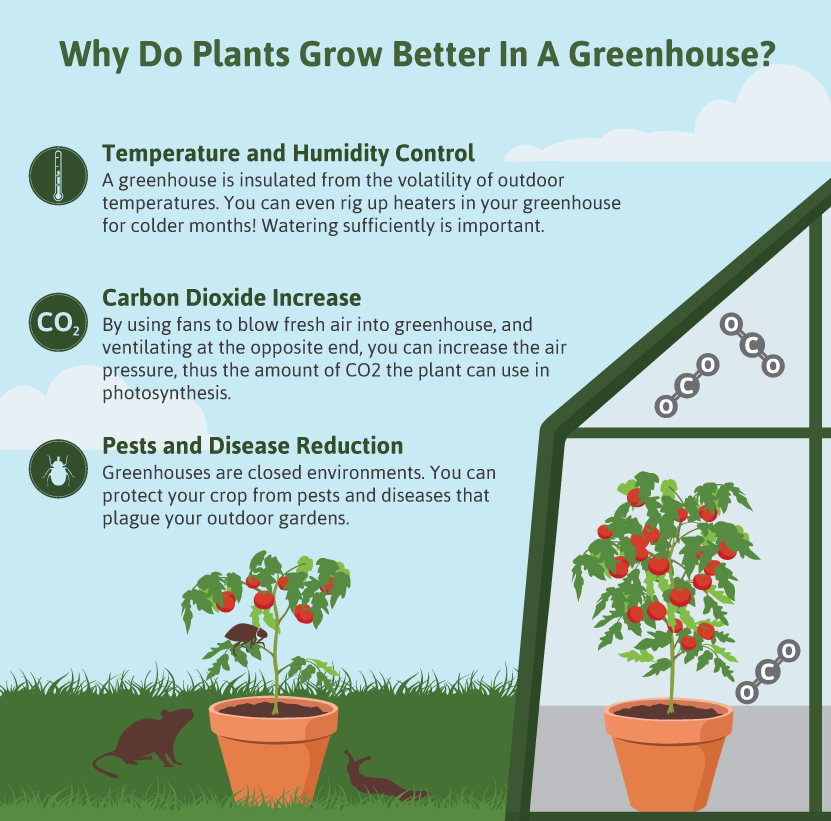
Growing plants can be a rewarding endeavor, whether done in a greenhouse or outside. Each method has its distinct advantages and drawbacks, making the choice dependent on various factors such as the local climate, the types of plants being cultivated, and the gardener's resources and preferences.
Cost Considerations
When deciding whether to grow plants in a greenhouse or outside, cost is a significant factor. Building and maintaining a greenhouse can represent a substantial investment, while growing plants outside is generally less expensive. Here are some aspects to consider:
- Initial investment: Greenhouses require materials, construction, and possibly land preparation.
- Maintenance costs: Regular upkeep, heating, and cooling of a greenhouse can add up.
- Yield potential: Higher yields in a greenhouse might offset initial costs, depending on the type of crops.
Environmental Control
One of the primary advantages of a greenhouse is the ability to control the environment in which plants grow. This becomes particularly important in regions with extreme weather. Key points include:
- Temperature regulation: Greenhouses can maintain optimal temperatures year-round, essential for many plants.
- Humidity management: These structures allow for better control over humidity levels, promoting healthy growth.
- Pest and disease isolation: A greenhouse can help minimize exposure to pests and diseases that can harm plants grown outdoors.
Types of Plants Suited
The decision to grow plants in a greenhouse versus outside also depends on the types of plants being cultivated. Different plants have varying needs, which may influence location choice. Consider the following:
- Warm-weather crops: Plants like tomatoes and peppers thrive in greenhouse conditions during cooler months.
- Hardy perennials: Some plants can withstand outdoor conditions and prefer being in the ground.
- Exotic species: Certain plants require specific environments that may only be achievable indoors.
Growing Season Extension
A greenhouse can significantly extend the growing season by protecting plants from frost and allowing for year-round cultivation. Factors to consider include:
See also:
- Frost protection: Greenhouses allow gardeners to start planting earlier in spring and extend into fall.
- Controlled sunlight: Supplemental lighting can be added in a greenhouse to extend days, encouraging faster growth.
- Winter gardening: Many greenhouse gardeners successfully grow crops through the winter months.
Pest Control and Management
Managing pests and diseases can be easier inside a greenhouse due to controlled conditions. This can dramatically affect plant health and yield. Important considerations include:
- Pest exclusion: Greenhouses can help keep pests out, reducing the need for pesticides.
- Integrated pest management: Controlled environments allow for beneficial insects to be used effectively.
- Quarantine protocols: New plants can be kept isolated, reducing disease spread risks.
What are the disadvantages of a greenhouse?
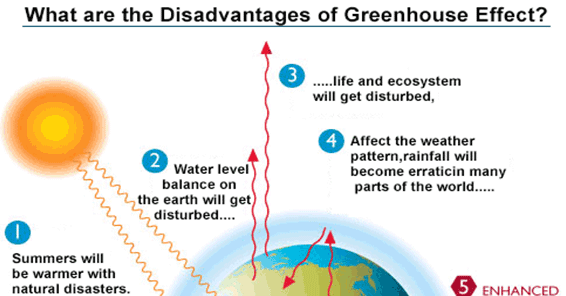
The disadvantages of a greenhouse can significantly affect both novice and experienced gardeners. Despite providing controlled environments for plant growth, there are challenges that should be carefully considered. Here are some key disadvantages:
Initial Cost and Investment
One of the most substantial drawbacks of a greenhouse is the initial cost associated with its construction and setup. Depending on the size and materials used, this expense can vary widely.
- Materials: Greenhouses can be made from various materials such as glass, plastic, or polycarbonate, which can affect their total cost.
- Labor: Hiring professionals for construction can add to the overall expense, especially if the structure is large or complex.
- Maintenance: Regular upkeep may incur additional costs, ranging from repairs to replacement parts.
Heating and Cooling Requirements
Maintaining an optimal temperature inside a greenhouse can lead to increased energy consumption and costs. This need for heating in winter and cooling in summer adds financial and environmental considerations.
- Energy Bills: Depending on the climate, significant resources may be required to keep the greenhouse at appropriate temperatures.
- Ventilation Systems: Installing and maintaining ventilation systems adds complexity and costs, particularly in hotter climates.
- Temperature Fluctuations: Managing rapid temperature swings can stress plants, potentially leading to reduced yields.
Pest and Disease Management
While greenhouses can offer protection from some outdoor pests, they can also create an environment conducive to certain pests and diseases. The enclosed nature of a greenhouse means that outbreaks can happen quickly.
- Limited Natural Predators: Beneficial insects may struggle to thrive in a greenhouse setting, leading to pest proliferation.
- High Humidity: Greenhouses can trap moisture, creating ideal conditions for fungal infections and mildew.
- Dependence on Chemicals: Growers may find themselves relying on pesticides and fungicides, which can have environmental impacts.
Space Limitations
The size of a greenhouse can restrict what plants can be grown, as space is often limited. This limitation may hinder larger-scale operations or diverse planting strategies.
- Plant Variety: Certain crops may outgrow the space available, making it difficult to optimize production.
- Layout Challenges: Organizing plants efficiently can be complex, and overcrowding can inhibit growth.
- Extended Growth Cycles: Plants may take longer to develop when space is insufficient, affecting harvest times.
Environmental Impact
While greenhouses aim to create a controlled environment for plant growth, their overall environmental impact can be a concern. Factors such as resource usage and potential pollution come into play.
- Resource Consumption: Greenhouses require water, electricity, and materials, which can contribute to a larger ecological footprint.
- Pollution Risks: If synthetic materials are used, the risk of waste and pollution increases upon the structure's disposal.
- Carbon Footprint: Energy requirements for maintaining greenhouse conditions can lead to a significant carbon footprint, especially if fossil fuels are used.
What should you not grow in a greenhouse?
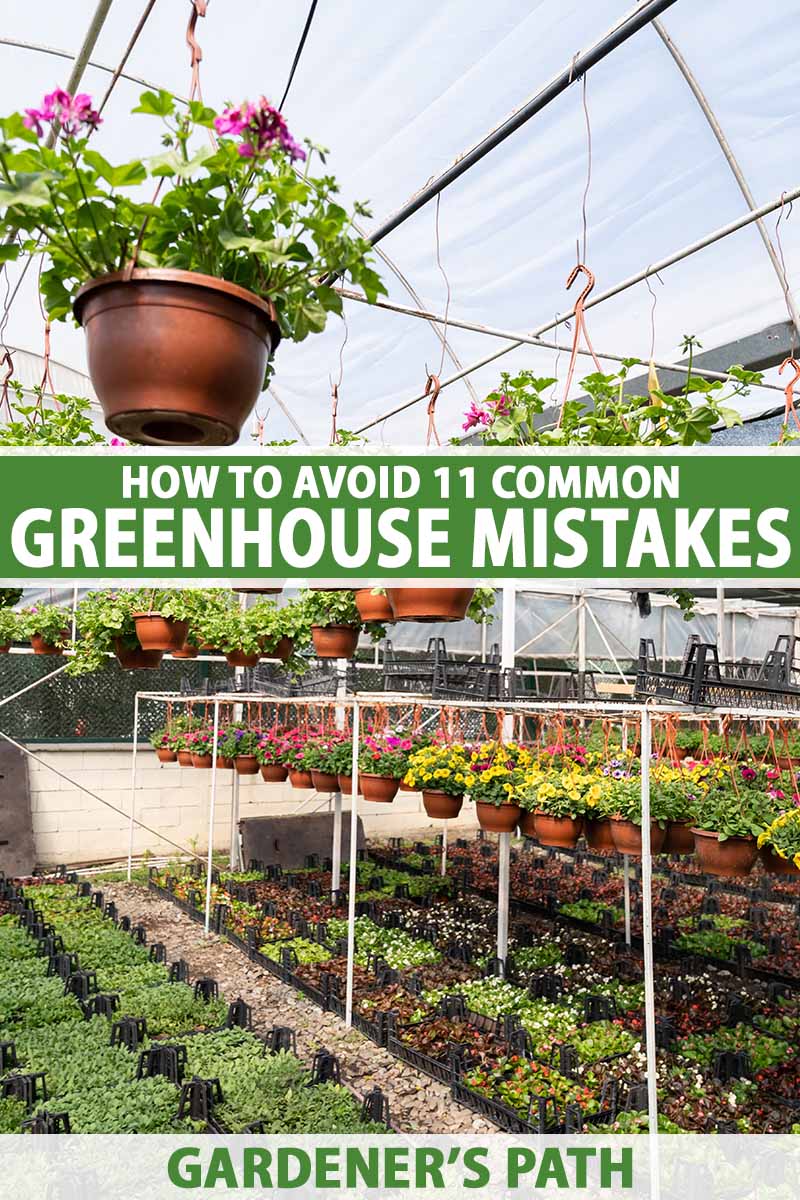
Certain plants and vegetables may not thrive effectively in a greenhouse environment. While greenhouses can provide an ideal setting for many crops, they may not be suitable for all types of plants due to factors like humidity, temperature control, and space limitations. Below are some considerations about what should not be grown in a greenhouse.
1. High-Humidity Plants
Growing plants that require excessive moisture can create a challenging environment in a greenhouse setting. While greenhouses can retain humidity, they may not be able to match the specific needs of high-humidity plants like:
- Ferns - They usually thrive in extreme moisture but may suffer in controlled conditions.
- Tropical plants - Many do not adapt well to the gradual change in humidity levels.
- Orchids - They require high humidity but can be sensitive to temperature fluctuations.
2. Root Vegetables
Root vegetables generally require expansive space for their roots to grow deep underground. In a greenhouse, where space can be limited, these plants may not flourish as expected. Some examples include:
- Carrots - They need deep soil to develop properly, which can be difficult in pots.
- Potatoes - They spread out and require significant ground space.
- Beets - They may not mature effectively in confined conditions.
3. Crops with a Long Growing Season
Certain plants need a long maturation period, which might not be feasible in the greenhouse conditions. It's important to consider the environmental requirements of these plants. Examples include:
See also:
- Asparagus - It takes several years to establish before harvesting.
- Tree saplings - They require a long time to develop and are not suited for small space.
- Perennial herbs - Many have slow growth rates and might not thrive in greenhouse environments.
4. Cold-Hardy Plants
Growing cold-hardy plants in a greenhouse can lead to unexpected issues; these plants thrive in natural outdoor conditions and might experience stress in warmer environments. Some examples to avoid are:
- Brussels sprouts - They require chill hours and may not perform well in warm conditions.
- Kale - Often grows better in outdoor gardens than in greenhouse settings.
- Garlic - It needs a cold period to thrive, which is often absent in greenhouses.
5. Noxious Weeds
It’s crucial to avoid planting noxious weeds in a greenhouse, as they can become invasive and hard to control. Some common examples of weeds include:
- Bindweed - An aggressive grower that can outcompete other plants for resources.
- Morning glory - This vine can quickly cover other plants and limit their growth.
- Thistles - Their deep roots can monopolize nutrients and water in the greenhouse.
Is it better to grow plants indoors or outdoors?

Growing plants can be a rewarding endeavor, but whether it is better to grow them indoors or outdoors depends on various factors, including the type of plants, climate, available space, and personal preferences. Below, we explore the benefits and challenges of both indoor and outdoor gardening.
Advantages of Growing Plants Indoors
Growing plants indoors has its unique benefits, making it an appealing option for many gardeners.
- Controlled Environment: Indoor growing allows for more control over temperature, humidity, and light conditions. This is particularly beneficial during extreme weather conditions.
- Year-Round Growth: With proper lighting and climate control, plants can thrive indoors throughout the year, avoiding seasonal limitations.
- Space Efficiency: Indoor gardening often requires less space than outdoor planting, making it suitable for urban dwellers or those with limited outdoor access.
Challenges of Indoor Plant Growth
Despite its advantages, indoor gardening comes with several challenges.
- Light Limitations: Many indoor plants require supplemental lighting, as natural light may not be sufficient, particularly in winter.
- Pest Management: While indoor environments can protect plants from outdoor pests, indoor gardening can still attract specific pests, requiring vigilant management.
- Air Quality: Indoor plants may be affected by poor air circulation and lower humidity levels, which can impede their growth if not addressed.
Benefits of Growing Plants Outdoors
Outdoor gardening offers numerous advantages that contribute to successful plant growth.
- Natural Sunlight: Plants grown outdoors benefit from full-spectrum sunlight, which is essential for healthy growth and flowering.
- Soil Nutrients: Outdoor plants have access to richer and more diverse soil ecosystems, providing essential nutrients that are often lacking in indoor setups.
- Space to Grow: Gardens outdoors often have more space for larger plant varieties, allowing for a more extensive and diverse garden layout.
Challenges of Outdoor Plant Growth
Growing plants outside comes with its own set of challenges that gardeners need to consider.
- Weather Dependency: Outdoor plants are susceptible to varying weather conditions, including storms, extreme temperatures, and pests.
- Seasonal Limitations: Many outdoor plants are seasonal, meaning they can only thrive during specific times of the year, affecting overall harvest.
- Maintenance Requirements: Outdoor gardens often require more regular maintenance, such as weeding, fertilizing, and watering, which can be labor-intensive.
Types of Plants Best Suited for Indoor vs. Outdoor Growth
Different types of plants thrive better in varying environments, influencing the decision of where to grow.
- Indoor Plant Varieties: Popular indoor plants include houseplants like pothos, snake plants, and succulents, which adapt well to lower light and humidity.
- Outdoor Plant Varieties: Vegetables, herbs, and flowering plants like tomatoes, basil, and marigolds generally perform better outdoors due to access to natural conditions.
- Hybrid Options: Some plants can grow both indoors and outdoors, such as peppers and small fruit trees, but may require adjustments in care and conditions based on their location.
Questions from Our Readers
Do plants grow better in a greenhouse?
The answer is often yes; greenhouses provide a controlled environment that protects plants from harsh weather conditions and pests. They maintain optimal temperature, humidity, and light levels, which can significantly enhance plant growth and yield.
What are the advantages of growing plants outside?
Growing plants outside can offer benefits like natural sunlight, which is essential for photosynthesis. Outdoor environments can promote stronger root systems and greater resilience in plants as they adapt to variable conditions, although they may be exposed to pests and diseases without protection.
How do greenhouse conditions affect plant growth?
Greenhouse conditions positively impact plant growth by allowing consistent heat, light, and moisture levels. These controlled factors help reduce plant stress, leading to faster growth rates and more robust plants compared to those grown under variable outdoor conditions.
Can outdoor plants be as healthy as those in a greenhouse?
Yes, outdoor plants can be healthy if given the right care and attention. They may develop better disease resistance and adapt to local environmental conditions, but they often require more management to protect against pests and extreme weather compared to those grown in a greenhouse.
See also:

If you want to read more articles like Do Plants Grow Better in a Greenhouse or Outside? Exploring the Best Environment for Your Plants, we recommend you check out our Greenhouse category.
Leave a Reply
Related Articles