Do Pergolas Need to Be Secured to the Ground? Essential Tips for Stability and Safety
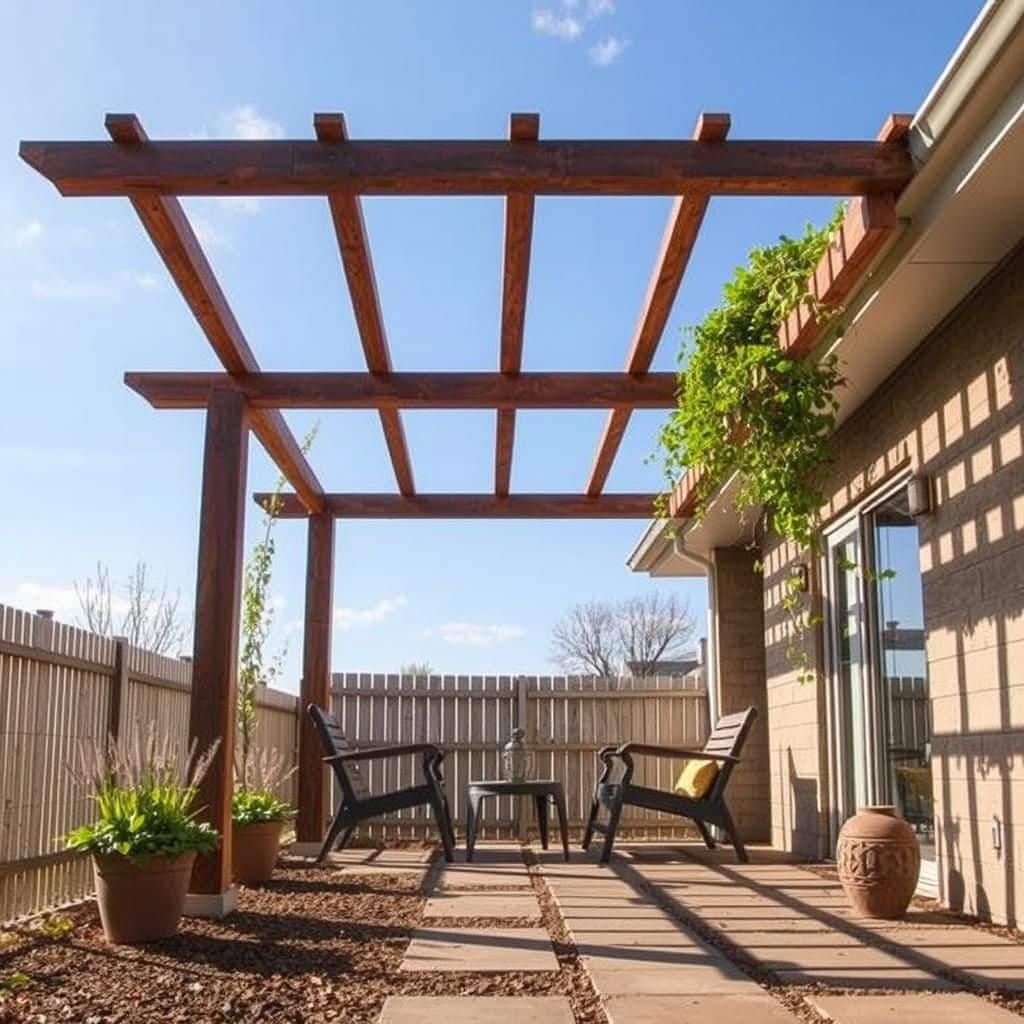
When planning to enhance your outdoor space with a pergola, one of the critical considerations is its stability. A well-constructed pergola adds beauty and functionality to any garden, but it must be properly secured to withstand environmental factors such as wind and rain. This article explores the importance of anchoring your pergola to the ground, offering essential tips and best practices to ensure its stability and safety. Whether you're building a new structure or retrofitting an existing one, understanding the necessary steps for securing a pergola will help you enjoy your outdoor oasis with peace of mind.
Do Pergolas Need to be Secured to the Ground?
Securing a pergola to the ground is often a crucial step in ensuring its stability and longevity. While some designs may appear sturdy enough to stand independently, factors such as wind load, local weather conditions, and the overall height of the pergola can make it susceptible to tipping or shifting. By anchoring the structure to a solid foundation, you not only enhance its durability, but also increase safety for those using or enjoying the space beneath it. Depending on the material and design of the pergola, various methods of securing it can be employed, including footings, concrete anchors, or physical ties to existing structures.
Why is Securing a Pergola Important?
Securing a pergola is important because it helps prevent damage caused by extreme weather conditions such as strong winds or heavy snow loads. An unsecured pergola can easily become a flying hazard or sustain damage during such events, resulting in costly repairs. Additionally, a well-secured structure increases the safety of the environment surrounding it, providing peace of mind to homeowners and guests alike.
Methods of Securing Pergolas
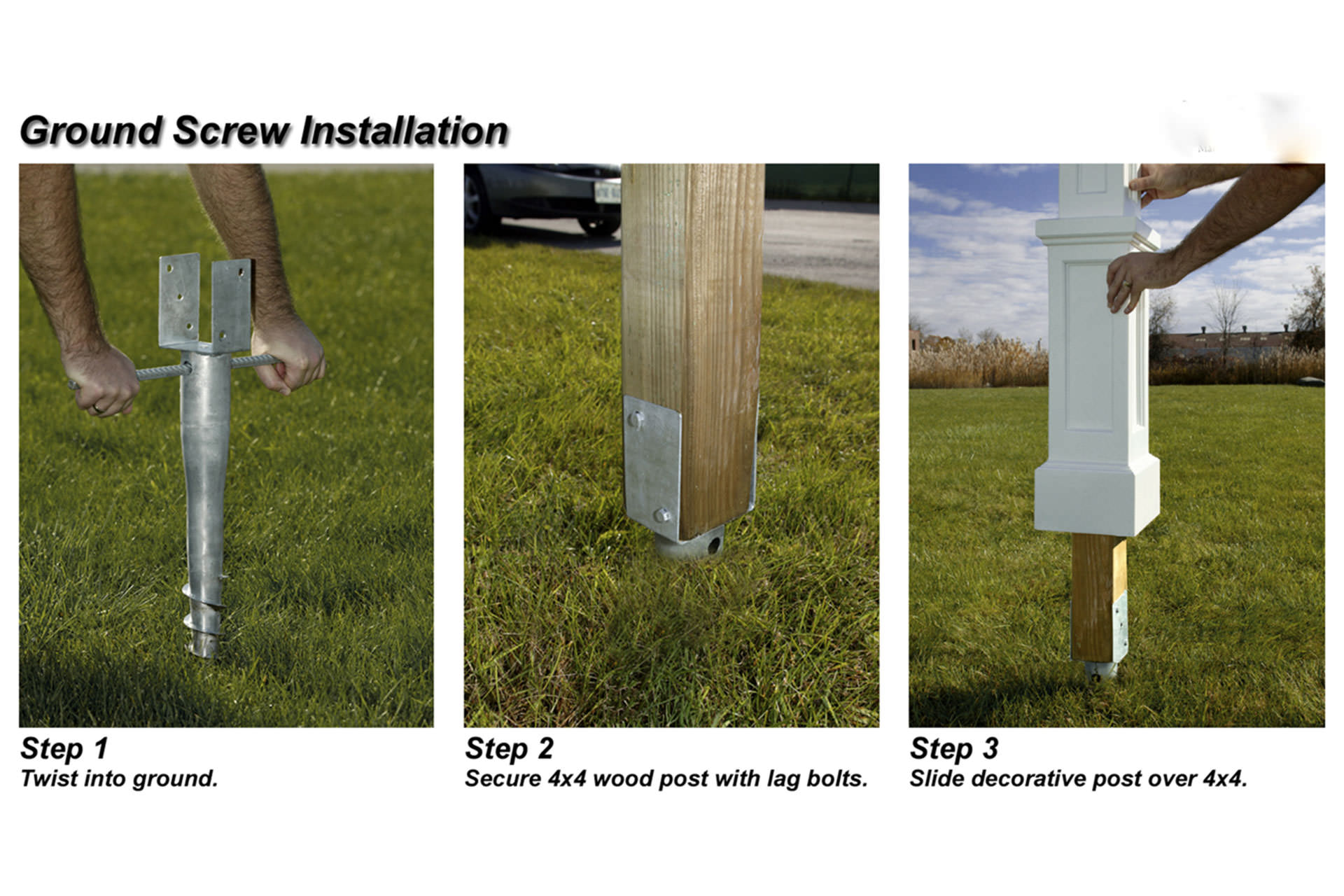
There are several methods to secure a pergola, including using concrete footings, anchors, or bolts that connect it to a deck or patio. Concrete footings provide a stable base by digging into the ground and pouring concrete, ensuring that the pergola remains upright. Anchors can be driven into the ground and attached to the legs of the pergola, while bolts allow for strong connections to existing structures. Each method has its own benefits and can be chosen based on the specific conditions of the installation site.
Local Building Codes and Regulations
Before installing a pergola, it's crucial to check local building codes and regulations pertaining to outdoor structures. Many areas have guidelines regarding how close a pergola can be to property lines, the required materials, and how structures should be secured for safety purposes. Adhering to these codes not only ensures compliance with local laws, but also enhances the safety and durability of your pergola.
Common Mistakes When Securing a Pergola
One common mistake when securing a pergola is using inadequate materials or failing to consider the environment where it is installed. For instance, using wood anchors in a coastal area prone to corrosion can lead to structural failure over time. Another frequent oversight is neglecting to assess wind patterns and local weather conditions, which can significantly affect the stability of the structure. Taking the time to choose the right materials and understand the environment helps avoid these pitfalls.
Maintenance of a Secured Pergola
Once a pergola is securely installed, regular maintenance is vital to ensure its continued stability and functionality. This includes checking the condition of anchors, bolts, and other securing mechanisms, as well as inspecting the structure for signs of wear or damage after harsh weather conditions. Maintaining the finish and treating wood or metal components will also help prolong the life of the pergola and keep it looking attractive for years to come.
| Method | Description | Pros | Cons |
|---|---|---|---|
| Concrete Footings | Deep holes filled with concrete | Excellent stability, durable | Time-consuming, labor-intensive |
| Ground Anchors | Metal screws that go into the soil | Easy to install, adjustable | Less stable in loose soil |
| Bolting to Existing Structures | Attach pergola to walls or decks | Strong support, space-saving | Space limitations, structural dependency |
Does a pergola need to be anchored down?
To determine whether a pergola needs to be anchored down, it is essential to consider several factors, including the pergola's design, the local climate, and its intended use. Generally, anchoring a pergola is advisable for both stability and safety.
Factors Influencing the Need for Anchoring
There are a few key factors that play a significant role in whether or not a pergola should be anchored. Consider these aspects:
See also:
- Wind Resistance: In areas prone to high winds, anchoring is crucial to prevent the structure from becoming unstable or even collapsing.
- Soil Type: Different soil types have varying levels of strength. Sandy or loose soils may require more secure anchoring than compact or clay soils.
- Pergola Size and Weight: Larger or heavier pergolas typically need to be anchored more securely than smaller, lighter versions.
Benefits of Anchoring a Pergola
Anchoring a pergola offers numerous advantages that contribute to the overall performance of the structure. Consider the following benefits:
- Enhanced Stability: Anchored pergolas can withstand stronger winds and adverse weather conditions.
- Increased Safety: Proper anchoring reduces the risk of accidents or injuries that can arise from a collapsed structure.
- Longer Lifespan: A well-anchored pergola can withstand the elements better, extending its durability and usefulness.
Common Anchoring Methods
There are various methods for anchoring a pergola, each suited to different situations and materials. Here are some common techniques:
- Concrete Footings: Pouring concrete into holes drilled into the ground provides a strong base for post installation.
- Post Anchors: Metal brackets that attach to wooden posts and can be embedded in concrete or fastened to existing surfaces.
- Screw Anchors: Deeply screwed into the ground, providing a secure connection for the pergola posts.
Local Building Codes and Regulations
Before installing a pergola, it is vital to check local building codes and regulations that may stipulate specific requirements for anchoring.
- Permit Requirements: Some jurisdictions require permits for constructing a pergola, especially if anchoring is involved.
- Design Guidelines: Local codes may specify certain design aspects that can influence how and if structures should be anchored.
- Safety Standards: Compliance with building codes ensures the safety and stability of the structure, protecting inhabitants.
DIY vs. Professional Installation
When considering the installation of a pergola, the decision between DIY and hiring a professional can impact the quality of anchoring.
- Expertise: Professionals have the experience and knowledge necessary to ensure that your pergola is anchored properly.
- Tools and Equipment: Installing a pergola can require tools that DIY installers may not have readily available.
- Time and Labor: Hiring a professional can save time and effort, allowing for a more efficient installation process.
Does a pergola need to be fixed to the ground?
When considering whether a pergola needs to be fixed to the ground, the answer can vary based on several factors, including the type of pergola, its design, local building codes, and the purpose it serves. Some pergolas are designed to be freestanding, while others may require anchoring for stability, especially in regions prone to high winds or severe weather conditions.
Reasons to Anchor a Pergola
Anchoring a pergola can provide numerous benefits, which include:
- Stability: Fixing a pergola to the ground ensures that it remains stable, especially during adverse weather conditions.
- Safety: An anchored structure reduces the risk of it tipping over and causing injuries or damage.
- Longevity: Proper anchoring can prolong the life of your pergola by preventing wear and tear caused by shifting or movement.
Types of Pergola Anchoring Methods
There are several methods to anchor a pergola, depending on its material and design. These methods include:
- Concrete Footings: Pouring concrete footings can provide a solid base for your pergola posts.
- Post Anchors: Metal post anchors can be used to secure the posts directly into the ground.
- Screws and Bolts: Using screws and bolts to anchor pergola components can enhance structural integrity.
Local Building Codes and Regulations
Before installing a pergola, it is essential to check local building codes. Here are some key points to consider:
- Permits: Some regions may require permits for installing structures like pergolas, especially if they are anchored.
- Height Restrictions: Building codes often have height restrictions that must be adhered to.
- Property Lines: Ensure that the pergola's placement complies with property line regulations.
Freestanding vs. Attached Pergolas
The type of pergola you choose can influence whether it should be anchored. Consider the differences:
- Freestanding Pergolas: These typically benefit from anchoring for better stability.
- Attached Pergolas: They may not need anchoring as they are usually secured to a wall or existing structure.
- Design Considerations: Certain designs may naturally provide more stability even without being anchored.
Weather Considerations
Weather conditions play a crucial role in determining whether a pergola should be fixed to the ground. Key considerations include:
See also:
- Wind Resistance: In areas with strong winds, an anchored pergola can prevent potential damage.
- Snow Load: In snowy regions, fixed pergolas can better handle the load from accumulated snow.
- Stability During Rain: Heavy rains can cause soil erosion, making anchoring essential for maintaining structure.
Can a pergola be freestanding?
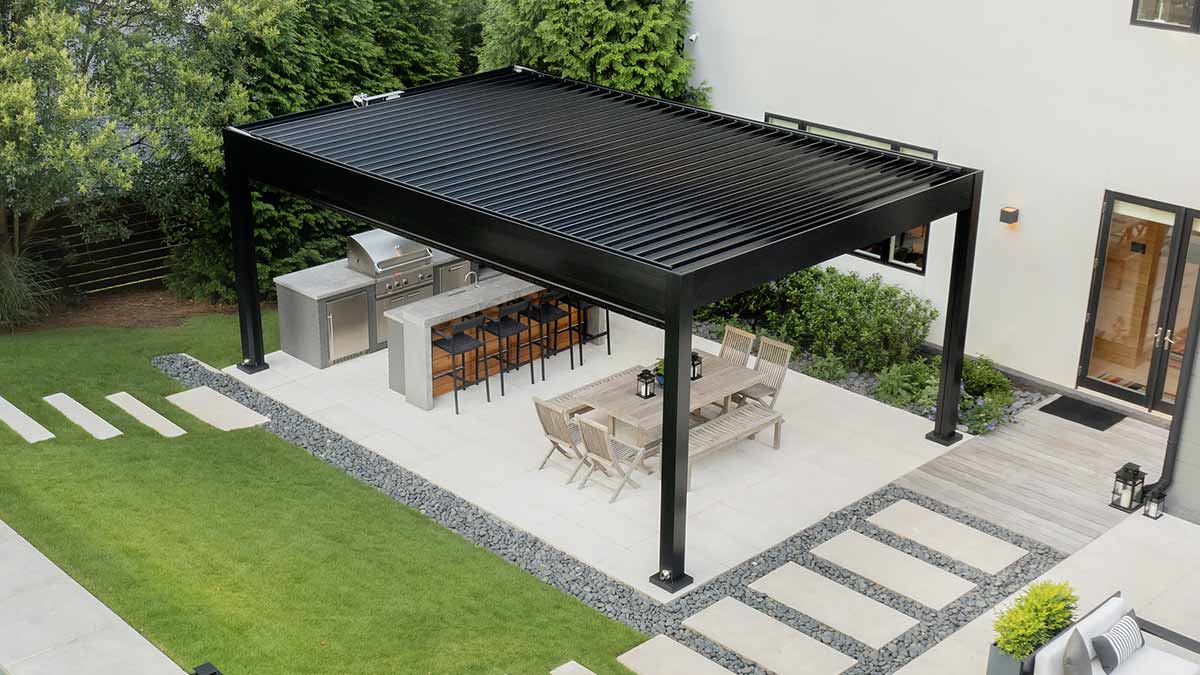
Yes, a pergola can indeed be freestanding. Unlike attached pergolas, which are built against a structure such as a house, freestanding pergolas are independent structures that offer versatile usage in outdoor spaces. They can be placed in gardens, patios, or near pool areas, providing both aesthetic appeal and functional shade.
Freestanding pergolas typically consist of vertical posts or columns that support cross beams, allowing for an open design that can accommodate climbing plants or outdoor furniture. Their construction can vary widely, enabling customization according to personal preferences and intended use.
Designing a Freestanding Pergola
When it comes to designing a freestanding pergola, several factors can influence its final appearance and functionality:
- Size: The dimensions depend on the space available and the intended purpose.
- Materials: Common materials include wood, metal, and vinyl, each contributing to the aesthetics and durability.
- Style: The design can range from traditional to modern, enhancing the overall landscape.
Benefits of Freestanding Pergolas
Freestanding pergolas offer numerous benefits that can enhance outdoor living spaces:
- Versatility: They can be placed anywhere in the yard, creating adaptable zones for relaxation or entertainment.
- Shade: Although open, they provide partial shade, making outdoor spaces more comfortable during the day.
- Aesthetic Value: They serve as a beautiful focal point and can be adorned with lights or climbing plants.
Installation Considerations
When planning for the installation of a freestanding pergola, it is essential to consider several factors:
- Level Ground: The site should be level to ensure stability and ease of construction.
- Support: Proper anchoring methods are essential to withstand wind and weather conditions.
- Building Codes: Check local regulations and codes before beginning construction to ensure compliance.
Common Uses of Freestanding Pergolas
Freestanding pergolas can serve multiple purposes in outdoor settings:
- Outdoor Dining: They can provide a shaded area for outdoor meals and gatherings.
- Garden Enhancement: They can define garden spaces and support climbing plants for added greenery.
- Lounging Space: They create inviting areas for relaxation with the addition of patio furniture.
Maintenance of Freestanding Pergolas
To ensure the longevity of a freestanding pergola, regular maintenance is crucial:
- Inspection: Periodically check for signs of wear, insects, or rot, especially in wooden structures.
- Cleaning: Keep the surface clean from dirt, debris, and mildew to maintain its appearance.
- Sealing: Apply sealants or stains, as needed, to protect against the elements.
Questions from Our Readers
Do pergolas need to be secured to the ground?
Yes, pergolas should ideally be secured to the ground to enhance their stability and durability. This is particularly important in areas prone to high winds or severe weather conditions, as an unsecured pergola may become damaged or pose safety risks.
What methods are used to secure a pergola?
There are several methods to secure a pergola, including using concrete footings, anchor bolts, or bracket systems. These methods help to maintain the structural integrity of the pergola and ensure it remains safely in place during adverse weather.
Can I install a pergola without securing it?
While it is technically possible to install a pergola without securing it, it is not recommended. An unsecured pergola is at a higher risk of collapsing or being uprooted by strong winds, which can lead to damage to the structure and surrounding property.
See also:
What are the benefits of securing a pergola?
Securing a pergola offers numerous benefits, including increased stability, longer lifespan, and reduced risk of damage. It also provides a safer environment for those using the pergola, ensuring that it remains a reliable addition to your outdoor space.

If you want to read more articles like Do Pergolas Need to Be Secured to the Ground? Essential Tips for Stability and Safety, we recommend you check out our Pergola category.
Leave a Reply
Related Articles