Do Metal Pergola Posts Go in Ground or Concrete? Essential Guide for Installation
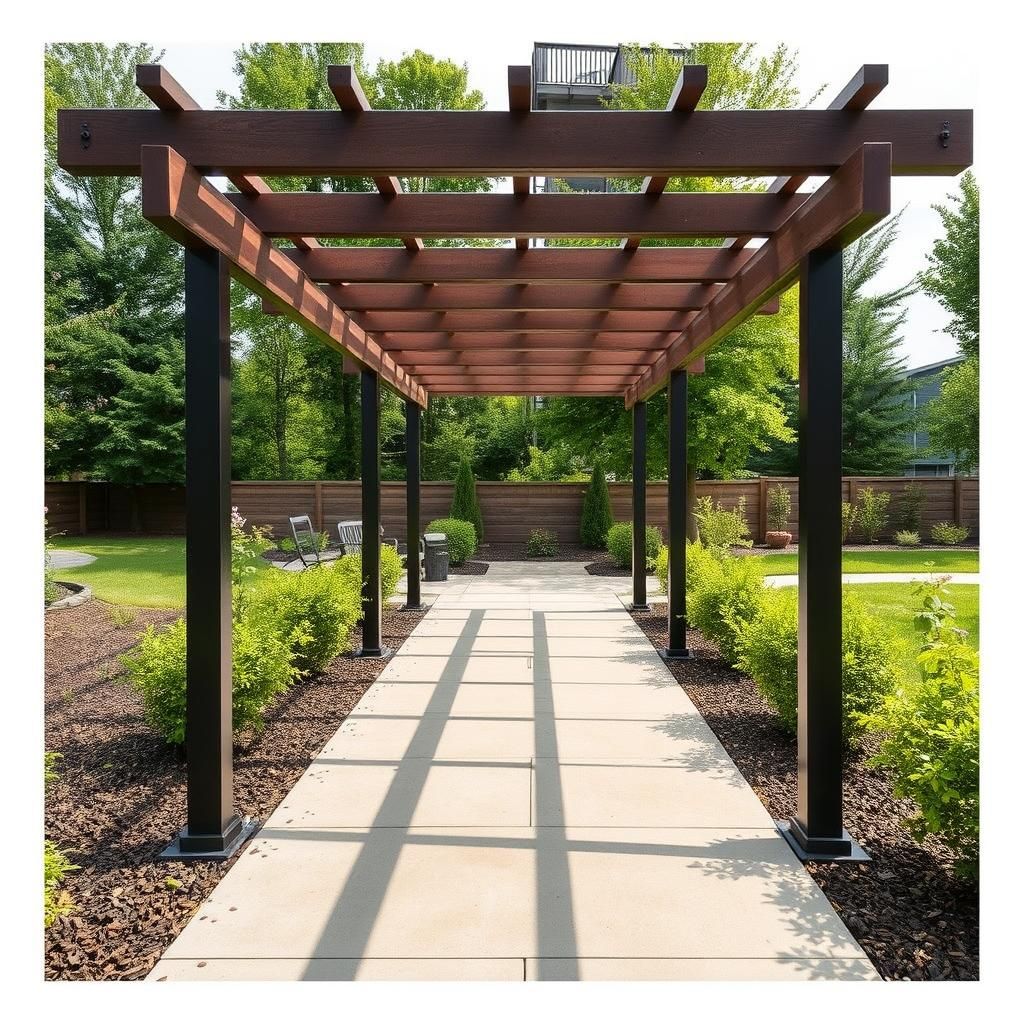
When planning to install a metal pergola, one of the most crucial decisions involves how to secure the posts: should they be set in the ground or in concrete? This choice can significantly affect the stability, longevity, and overall aesthetic of your structure. In this essential guide, we will explore the advantages and disadvantages of both installation methods, providing expert insights to help you make an informed decision. Whether you’re a seasoned DIYer or a first-time installer, understanding the best practices for securing your metal pergola posts will ensure a successful and durable project that enhances your outdoor space.
Do Metal Pergola Posts Go in Ground or Concrete?
When installing metal pergola posts, the choice between placing them directly in the ground or setting them in concrete largely depends on various factors like local climate, soil conditions, and personal preference. Installing posts directly in the ground can be suitable for areas with stable soil and minimal frost risk, facilitating easier adjustments and natural drainage. However, for enhanced stability and longevity, especially in regions prone to heavy winds or unstable soil, using concrete footings provides a more secure foundation that helps prevent shifts and tilting over time. Ultimately, it is essential to assess your specific situation and possibly consult local building codes or experts to determine the best installation method for your metal pergola.
Advantages of Setting Metal Pergola Posts in the Ground
Placing metal pergola posts directly in the ground offers the advantage of easier installation and lower material costs, as it eliminates the need for additional supplies such as concrete. This method allows for adjustment of the height and positioning of the posts more easily. Typically, it can also support good drainage since the ground absorbs rainwater, minimizing the risk of rust or corrosion that can occur when moisture becomes trapped in concrete.
Benefits of Using Concrete for Pergola Posts
Using concrete to secure metal pergola posts provides a more sturdy foundation that can withstand extreme weather conditions, including strong winds and heavy loads. Concrete footings prevent the posts from shifting over time, protecting against potential structural issues. Furthermore, setting posts in concrete provides added protection against pests that may tunnel into the ground, ensuring a longer lifespan for the pergola.
Considerations for Soil Types
When choosing between ground and concrete installation for metal pergola posts, it is critical to assess the soil type in your area. Sandier soils drain well but provide minimal support, making concrete preferable. In contrast, clay soils can hold water, which may lead to rusting of metal posts unless properly treated. Knowing your soil type helps determine the best method for securing your metal pergola effectively and safely.
Impact of Weather Conditions
Local weather conditions play a significant role in deciding whether to install metal pergola posts in the ground or concrete. In regions with harsh winters and frost, a concrete footing is beneficial as it provides additional stability and helps prevent heaving. Conversely, in warmer climates, direct ground installation may be more viable, provided other factors such as flooding or heavy rains are not a concern.
Building Codes and Regulations
Before installation, it's vital to consult local building codes regarding pergola construction. Some areas may have regulations that dictate whether to use concrete or allow posts in the ground. Complying with these codes not only ensures safety but helps avoid penalties or the need for future modifications, making it a critical step in the planning process of your metal pergola.
| Installation Method | Advantages | Disadvantages |
|---|---|---|
| In Ground | Lower cost, easy adjustments, good drainage | Less stability in severe weather |
| In Concrete | Enhanced stability, protects against pests, suitable for harsh weather | Higher cost, potential for moisture trapping |
Do pergola posts go in the ground or on concrete?
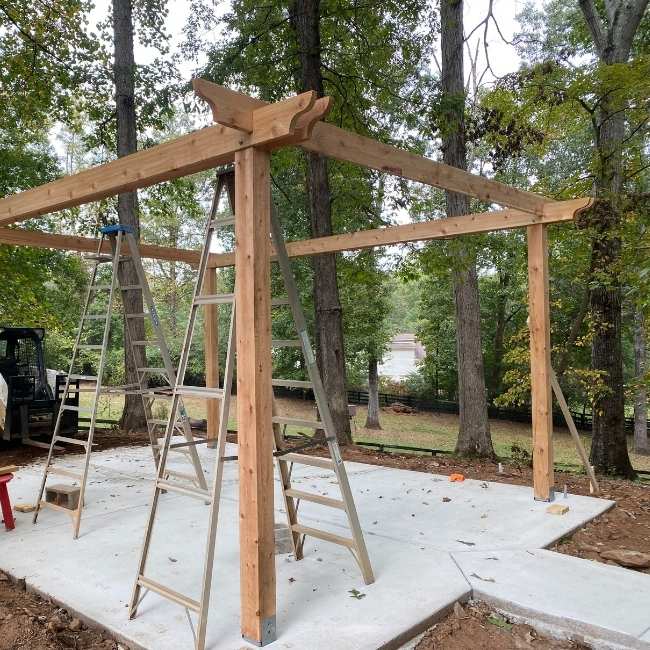
Pergola posts can be installed in two primary ways: they can be embedded directly into the ground or placed on concrete footings. The choice between these two methods largely depends on various factors, including the local climate, soil conditions, and the desired durability of the structure.
Advantages of Ground Installation
Installing pergola posts directly in the ground has several benefits:
- Stability: When properly set in concrete, ground installation offers robust stability against wind and other environmental forces.
- Cost-effective: Installation in the ground can be more economical as it may require fewer materials compared to creating concrete footings.
- Natural Look: Pergolas that are embedded in the ground often appear more integrated into the landscape, enhancing the aesthetic appeal.
Advantages of Concrete Footings
Using concrete footings for pergola posts also presents its own set of advantages:
- Moisture Protection: Posts on concrete are less likely to rot or succumb to moisture-related damage, which is particularly beneficial in wet climates.
- Removable: Pergolas built on concrete can be dismantled and moved without significant damage to the posts or the ground.
- Alignment Flexibility: Footings offer a stable base, allowing for greater accuracy in leveling and alignment during installation.
Factors Influencing Installation Choice
Several factors should be considered when deciding how to install pergola posts:
- Soil Type: Clay or loose sandy soils may require different approaches for stability.
- Climate Conditions: Areas with high winds or heavy snowfall might benefit from the additional support of concrete.
- Height and Size: Larger, taller pergolas may require more robust support, favoring a concrete approach.
Steps for Ground Installation
If you choose to install pergola posts directly in the ground, follow these steps:
See also:
- Digging Holes: Create holes that are at least 1/3 of the post height to ensure stability.
- Setting Posts: Place the posts in the holes, ensuring they are vertical.
- Backfill and Concrete: Fill the holes with soil or concrete for added support, depending on your soil type.
Steps for Concrete Footings Installation
For those opting for concrete footings, the installation process involves:
- Preparing the Site: Clear the area and mark the positions for the footings.
- Pouring Concrete: Create footings by pouring concrete into pre-dug holes that are below the frost line.
- Attach Posts: Once the footings cure, secure the pergola posts to the concrete using brackets or bolts.
Do pergola posts need to be buried?
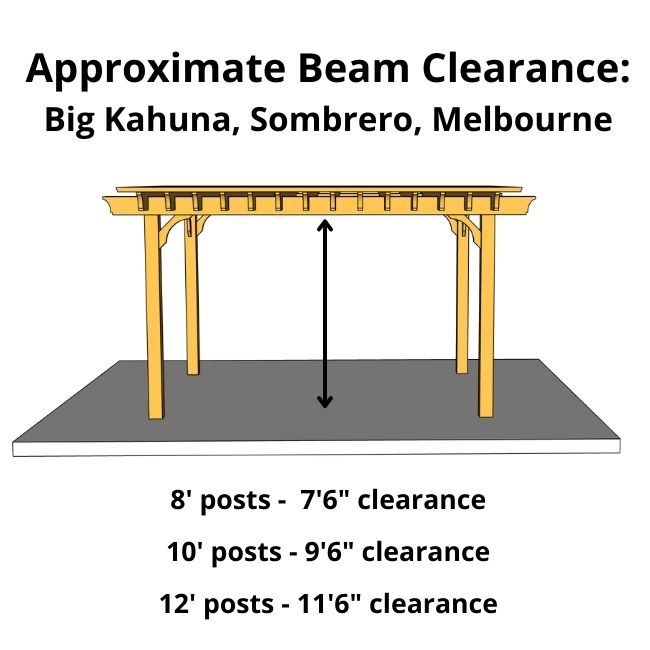
Pergola posts do not necessarily need to be buried, but it is highly recommended for stability and longevity. The way you install pergola posts can significantly affect the structure's durability and resistance to environmental factors. When posts are buried deep into the ground, they typically provide better support against wind and other forces. However, there are alternative methods of securing pergola posts that can also be effective, such as using post anchors or brackets.
Importance of Burying Pergola Posts
Burying pergola posts is crucial because it helps to anchor the structure securely into the ground. This method of installation provides several benefits:
- Stability: Posts buried in the ground withstand lateral forces better, which is essential for tall pergolas.
- Protection from rot: When posts are buried below the frost line, they are less exposed to moisture and rot.
- Enhanced structural integrity: A properly buried post can enhance the overall strength of the pergola.
Alternative Methods to Burying Pergola Posts
If burying pergola posts is not feasible, several alternative methods can be employed. Each of these options offers different levels of support and aesthetics:
- Post anchors: These are metal brackets that secure the post above ground while allowing for some flexibility.
- Concrete footings: This method involves creating a concrete base for the posts, which provides stability without burying the posts entirely.
- Freestanding options: Some pergolas can be designed without ground posts by using walls or other structures for support.
How Deep Should Pergola Posts Be Buried?
When burying pergola posts, the depth at which to embed them is critical for proper support. Generally, the posts should be buried at least one-third of their total height. Here are some key points to consider:
- Frost line: In cold climates, it's essential to bury the posts below the frost line, typically 36 to 48 inches, to prevent heaving in the winter.
- Height of the pergola: For example, if the pergola will be 8 feet tall, the posts should be buried at least 2.5 to 3 feet deep.
- Soil type: Sandy or loose soils may require deeper footings than rocky or compact soils to ensure stability.
Impact of Soil Conditions on Post Burying
The type of soil plays a significant role in determining whether or not to bury pergola posts and how deep to do so. Different soils present unique challenges and benefits:
- Clay soil: It retains moisture and can expand or contract, requiring deeper and wider footings.
- Sandy soil: It drains well but may not provide as much grip for buried posts, so additional bracing may be needed.
- Loam soil: This is ideal for burying posts as it offers a balance between drainage and stability.
Local Building Codes and Regulations
Before beginning any pergola project, it's vital to check local building codes as they will often dictate how and where you can install posts. Adhering to these regulations ensures safety and compliance:
- Setback requirements: Many local codes have specific restrictions on how far structures must be from property lines.
- Permit requirements: Some areas may require a permit for installing a pergola, especially if the posts are buried.
- Structural mandates: Building codes often specify minimum depth and material standards for durability and safety.
Do metal pergolas need to be anchored?
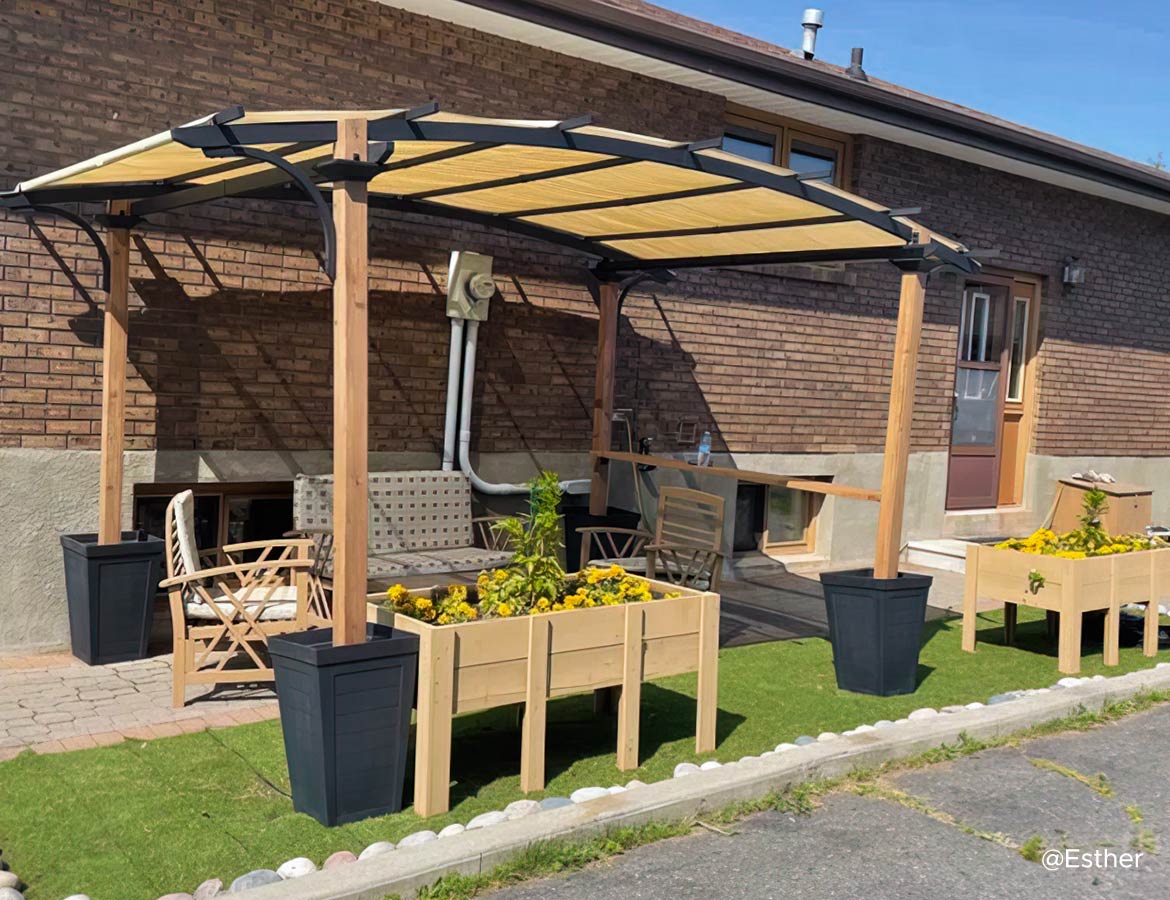
Yes, metal pergolas need to be anchored to ensure their stability and safety. Unlike wooden pergolas that may have more natural grounding due to their weight, metal structures can be lightweight and susceptible to movement if not properly secured. The anchoring process helps prevent the pergola from swaying due to wind or other external forces, which can lead to structural damage or even collapse. Here are some important aspects to consider regarding the anchoring of metal pergolas:
Importance of Anchoring
Anchoring a metal pergola is crucial for various reasons:
- Stability: Proper anchoring provides stability, making it less likely to tip over or shift during adverse weather conditions.
- Safety: A well-anchored pergola ensures the safety of individuals using the space beneath it, preventing accidents from structural failure.
- Longevity: Securing your pergola helps extend its lifespan by protecting it from damage caused by wind and other elements.
Types of Anchoring Methods
There are several methods to anchor a metal pergola effectively:
- Concrete Footings: Pouring concrete footings and embedding the posts within them provides a solid foundation.
- Post Anchors: Metal post anchors can be installed in the ground or concrete to hold the pergola posts securely.
- Ground Screws: These screws are screwed into the ground and offer a strong anchoring point for the pergola.
Environmental Considerations
When anchoring a metal pergola, consider the surrounding environment:
See also:
- Wind Patterns: Areas prone to high winds may require stronger anchoring methods to withstand the force.
- Soil Type: Different soil types, such as sandy or clay soils, may impact the type of anchoring required.
- Proximity to Structures: Consider the distance from nearby structures to ensure that the pergola does not impede or affect them.
Tools and Materials Required
To anchor a metal pergola, specific tools and materials are essential:
- Concrete Mix: Necessary for creating concrete footings.
- Drill: Used to create holes for post anchors or ground screws.
- Level: Ensures the pergola posts are straight and properly aligned.
Professional Assistance
While some may choose to anchor a metal pergola themselves, professional assistance can be beneficial:
- Expertise: Professionals have the knowledge to select the best anchoring methods based on specific needs.
- Time Efficiency: Hiring experts can save time and ensure a quicker setup.
- Warranty Considerations: Some manufacturers may require professional installation for warranty validity.
Does an aluminum pergola need footings?

An aluminum pergola does typically require footings, especially if it is a permanent structure. Footings are essential for providing stability and support to the pergola, ensuring it withstands environmental factors such as wind and rain. The need for footings can depend on several factors, including the size of the pergola, local building codes, and the soil conditions of the site. Below are some important points to consider regarding footings for aluminum pergolas.
Importance of Footings for Stability
Footings play a crucial role in maintaining the stability of the pergola. Without proper footing, the structure could become unstable over time.
- Weight Distribution: Footings help distribute the weight of the pergola evenly, reducing the risk of sinking or leaning.
- Wind Resistance: Proper footings ensure the pergola remains anchored during high winds, preventing it from toppling over.
- Longevity: Well-constructed footings can prolong the lifespan of the pergola by protecting it from soil movement and erosion.
Types of Footings for Aluminum Pergolas
There are several types of footings suitable for supporting aluminum pergolas. Choosing the right type is vital for ensuring adequate strength and durability.
- Concrete Footings: These are typically the most common and provide substantial strength.
- Sonotube Footings: Using tubular forms to create cylindrical concrete footings can be an efficient method.
- Pier Footings: These are ideal for sites with varying soil conditions, allowing for added flexibility in installation.
Local Building Codes and Regulations
Before installing an aluminum pergola with footings, it's important to check local building codes. Many locations have specific regulations that must be followed.
- Permit Requirements: Some jurisdictions may require a permit for installation, especially if footings are involved.
- Depth Specifications: Local codes often dictate the required depth for footings based on frost lines and soil types.
- Structural Guidelines: There may be standards regarding the dimensions and materials used for the footings.
Soil Conditions and Footing Design
The type of soil where the pergola is installed can significantly affect the design and necessity of footings.
- Load-Bearing Capacity: Certain soils can support more weight than others, impacting the type of footing needed.
- Soil Type: Sandy or loose soils may require deeper footings than clay soils that are more compact.
- Drainage Considerations: Proper drainage is essential to prevent water pooling around footings, which can lead to erosion and instability.
DIY vs. Professional Installation
Deciding whether to install footings for an aluminum pergola yourself or hire a professional can have significant implications.
- Expertise Requirement: Professional installers have the experience to assess and implement appropriate footing solutions.
- Time and Effort: DIY installations can be time-consuming and labor-intensive, especially with the need for accurate measurements and digging.
- Cost Considerations: While DIY can save money, improper installation may lead to costly repairs in the future.
Questions from Our Readers
Do metal pergola posts need to be installed in the ground or in concrete?
Metal pergola posts can be installed in both the ground and concrete, depending on the desired stability and local building codes. Installing them directly in the ground may be suitable for softer soils, while embedding them in concrete provides extra support and durability, especially in areas with high winds or heavy loads.
What are the benefits of using concrete for metal pergola posts?
Using concrete for metal pergola posts offers several advantages, including increased stability, resistance to shifting, and protection against moisture that may cause rust or corrosion. Concrete also provides a solid base that can help extend the lifespan of your pergola.
Can metal pergola posts be installed without concrete?
Yes, metal pergola posts can be installed without concrete, particularly when using proper anchoring methods, such as ground spikes or brackets. However, it is important to ensure that the posts are adequately secured to prevent leaning or tipping over time, especially in adverse weather conditions.
How deep should metal pergola posts be set in the ground?
If installing directly in the ground, it is generally recommended to set metal pergola posts at least 24 inches deep, or deeper in areas with frost. This depth helps to provide a stable foundation while minimizing the effects of soil movement and ensuring the longevity of your pergola structure.
See also:

If you want to read more articles like Do Metal Pergola Posts Go in Ground or Concrete? Essential Guide for Installation, we recommend you check out our Pergola category.
Leave a Reply
Related Articles