Do I Need to Add Fertilizer if I Use Compost? A Comprehensive Guide to Soil Nutrition

When it comes to nurturing healthy plants, understanding soil nutrition is essential. Many gardeners wonder whether using compost alone is sufficient for optimal growth or if additional fertilizers are necessary. Compost enriches soil with organic matter and beneficial microbes, but it may not provide all the nutrients plants need, especially in specific conditions. This comprehensive guide explores the potential nutrient limitations of compost, the role of fertilizers, and how to create a balanced soil environment that promotes vigorous plant development. By understanding the intricacies of soil nutrition, you can make informed decisions that enhance your gardening success.
Do I Need to Add Fertilizer If I Use Compost?
Using compost can significantly enhance soil health and provide essential nutrients for plants, but whether you need to add additional fertilizer depends on various factors such as the nutrient content of your compost, the specific needs of your plants, and the existing soil conditions. Compost typically enriches soil with organic matter, improves its structure, and supplies some nutrients, but it may not contain sufficient levels of nitrogen, phosphorus, and potassium—essential nutrients that many plants require in larger amounts. Therefore, if your compost is well-balanced and your plants have moderate nutrient demands, you might not need further fertilizers. However, for nutrient-hungry plants or in poor soil conditions, supplementing with fertilizer could be beneficial to achieve optimal growth.
Nutrient Content of Compost
The nutrient content in compost can vary significantly depending on the materials used in its creation. Homemade compost made from kitchen scraps and yard waste may provide a variety of nutrients, but it often lacks some essential elements, particularly nitrogen. A nutrient analysis can give you a clearer picture of whether your compost can meet your plants’ needs. Understanding the levels of nitrogen, phosphorus, and potassium in your compost will help you determine if supplementary fertilizers are necessary for your garden.
Specific Plant Nutrient Requirements
Different plants have varying nutrient requirements that depend on their growth stage and overall health. For example, leafy greens generally need higher levels of nitrogen, while flowering plants and fruit-bearing crops tend to require more phosphorus and potassium. If you are growing heavy feeders like tomatoes or cucumbers, compost alone may not suffice, and you might consider adding supplemental fertilizers to meet their increased nutritional needs. Consequently, knowing the needs of your plants is vital in deciding whether to add fertilizer alongside compost.
Soil Quality and Existing Nutrient Levels
The quality and nutrient levels of existing soil play a crucial role in determining the necessity for additional fertilizers. If your garden soil is already rich in nutrients and organic matter, the addition of compost might provide sufficient support for your plants. However, if you are working with depleted soil lacking in essential nutrients, supplementing your compost with fertilizers can swiftly restore the soil’s fertility and support healthy plant growth. Conducting a soil test can be helpful in assessing the current nutrient status.
Timing of Fertilizer Application
The timing of when to apply fertilizers in relation to compost can drastically affect the outcomes of your garden. It is generally recommended to incorporate compost into the soil before planting, as this allows time for the nutrients to become available to your plants. If you find that your plants begin to show signs of nutrient deficiency during their growing season, adding fertilizer can provide a quick boost. Using a slow-release fertilizer after compost application can also help maintain a steady nutritional supply throughout the growing season.
Environmental Impact and Best Practices
Using compost alongside fertilizers can have both positive and negative environmental impacts. On the one hand, organic compost promotes sustainable gardening practices by recycling organic materials and reducing the need for chemical fertilizers. On the other hand, excessive fertilizer application can lead to runoff, nutrient leaching, and environmental pollution. To minimize ecological harm, adopt best practices like conducting regular soil tests, using fertilizers judiciously, and ensuring that supplied nutrients align with the specific needs of your plants.
| Nutrient | Role in Plant Growth | Source |
|---|---|---|
| Nitrogen | Promotes leaf and stem growth | Compost, fertilizers |
| Phosphorus | Supports root development and flowering | Compost, fertilizers |
| Potassium | Enhances overall plant health and disease resistance | Compost, fertilizers |
| Calcium | Strengthens cell walls | Compost, lime |
| Magnesium | Essential for photosynthesis | Compost, fertilizers |
Is compost an alternative to fertilizer?
.jpg)
Compost can indeed be considered an alternative to traditional fertilizers. It is an organic material that has decomposed and can provide essential nutrients to plants, improve soil structure, and enhance moisture retention. While both compost and fertilizers deliver nutrients to plants, they differ significantly in composition, nutrient release rates, and additional benefits to soil health.
Benefits of Using Compost
Compost offers numerous benefits that go beyond merely supplying nutrients to plants. Here are some key advantages of incorporating compost into gardening and agriculture:
- Soil Improvement: Compost improves soil structure, aeration, and drainage, which creates a better environment for root development.
- Nutrient Supply: It provides a steady release of nutrients, including nitrogen, phosphorus, and potassium, essential for plant growth.
- Microbial Life: Compost encourages beneficial microbial activity in the soil, which aids in nutrient breakdown and uptake.
Differences Between Compost and Chemical Fertilizers
Understanding the distinctions between compost and chemical fertilizers is crucial for making informed decisions. Here are the main differences:
- Composition: Compost is made from organic materials like kitchen scraps, yard waste, and animal manure, while chemical fertilizers contain synthesized nutrients.
- Nutrient Release: Nutrients in compost are released slowly over time, whereas chemical fertilizers provide immediate but often short-lived nutrient availability.
- Environmental Impact: Using compost promotes sustainability and reduces waste, whereas excessive use of chemical fertilizers can lead to soil degradation and water pollution.
How to Use Compost Effectively
Utilizing compost effectively can maximize its benefits for plants and soil. Here’s how to use compost in various gardening practices:
- Soil Amendment: Incorporate compost into the soil before planting to enhance its texture and nutrient content.
- Mulching: Apply a layer of compost on the soil surface to suppress weeds, retain moisture, and regulate soil temperature.
- Top Dressing: Use compost as a top dressing for established plants to provide a nutrient boost throughout the growing season.
Potential Limitations of Compost
While compost offers many advantages, it also has some limitations to consider. Here are a few of the potential drawbacks:
See also:
- Nutrient Concentration: Compost may not provide sufficient nutrients for high-demand plants, requiring additional fertilizers.
- Time-Consuming: The composting process takes time and effort to turn organic waste into usable compost.
- Quality Variation: The nutrient content of compost can vary widely depending on the materials used, making it less consistent than commercial fertilizers.
Cost-Effectiveness of Compost vs. Fertilizer
Evaluating the cost-effectiveness of compost compared to traditional fertilizers is essential for both home gardeners and large-scale farmers. Here’s a breakdown of the financial aspects:
- Initial Investment: While creating compost may require time and resources, it can be a low-cost alternative to purchasing fertilizers over time.
- Long-Term Benefits: Investing in compost can enhance soil health, potentially reducing the need for fertilizers in the long run.
- Waste Reduction: Composting yard and kitchen waste decreases disposal costs and creates a resource that enriches your garden.
Can you just use compost as soil?

Using compost as a standalone soil alternative is a topic that garners considerable interest among gardeners and those interested in sustainable agriculture. While compost is beneficial for enriching soil, there are several factors to consider when contemplating its use solely as soil.
What is Compost?
Compost is a mixture of organic materials that have decomposed. It is rich in nutrients and serves as an excellent amendment for enhancing soil fertility. The breakdown process involves microorganisms, fungi, and insects that help in the transformation of kitchen scraps, yard waste, and other organic materials into a nutrient-rich product.
- Ingredients: Compost can include vegetable scraps, grass clippings, leaves, and even small amounts of manure.
- Process: The decomposition process can take anywhere from a few weeks to several months, depending on conditions like moisture and aeration.
- Benefits: It improves soil structure, provides a slow release of nutrients, and enhances microbial activity.
The Role of Compost in Soil
Compost plays a crucial role in enhancing the physical and chemical properties of soil, making it more fertile and beneficial for plant growth. While it can improve the existing soil conditions, it is often not sufficient when used in isolation for various reasons.
- Soil Structure: Compost improves aeration and water retention but does not provide the structural support necessary for long-term plant growth.
- Nutrient Balance: While compost is nutrient-rich, it may not contain all the necessary minerals that plants need for optimal growth, such as certain macro and micronutrients.
- pH Levels: The pH of compost can vary widely depending on the materials used, which may not align with the preferences of specific plants.
Benefits of Mixing Compost with Soil
Using compost in conjunction with soil rather than as a replacement results in numerous benefits for gardening and agricultural practices. This mixture can lead to healthier plant growth and better yield.
- Enhanced Nutrient Supply: A blend of compost and soil provides a more balanced nutrient profile.
- Improved Drainage and Aeration: The organic matter in compost enhances drainage and promotes aeration, which is crucial for root health.
- Microbial Diversity: Introducing compost into the soil can greatly increase microbial diversity, thus promoting better plant health.
Potential Drawbacks of Using Pure Compost
While compost is highly beneficial, relying solely on it without any soil can lead to challenges. Understanding these drawbacks is vital for those seeking to use compost exclusively.
- Inconsistent Texture: Pure compost may have an inconsistent texture, resulting in poor drainage or compaction.
- Limited Longevity: As an organic product, compost will decompose further over time, reducing its volume and effectiveness as a sole planting medium.
- Pest Attraction: Some organic materials present in compost may attract pests or create conditions favorable for diseases.
Best Practices for Using Compost
To maximize the benefits of compost, incorporating it thoughtfully into your gardening practices is essential. Here are some best practices for using compost effectively.
- Mixing Ratio: Aim for a mixture of about 20–30% compost to 70–80% native soil for optimal results.
- Application Timing: Apply compost during planting or as a top dressing throughout the growing season for ongoing benefits.
- Testing Soil: Conduct soil tests before adding compost to ensure you are meeting the specific needs of your plants.
Can compost replace lawn fertilizer?

Compost can indeed replace lawn fertilizer, but there are several factors to consider to ensure the health and vitality of your lawn. Compost is an organic material that enriches the soil with nutrients, improves soil structure, and promotes beneficial microbial activity. Unlike synthetic fertilizers, which often provide quick bursts of nutrients but can lead to soil degradation over time, compost offers a slower release of nutrients, fostering a more sustainable approach to lawn care.
Understanding the Nutrient Profile of Compost
Compost typically contains essential nutrients such as nitrogen, phosphorus, and potassium, along with a range of micronutrients required for plant growth. The nutrient profile of compost can vary based on the materials used in the composting process.
- Nitrogen: Important for leaf growth and green color.
- Phosphorus: Crucial for root development and flowering.
- Potassium: Supports overall plant health and stress resistance.
The Benefits of Using Compost
Using compost provides numerous benefits compared to traditional lawn fertilizers. It enriches the soil environment and improves its physical properties.
- Enhances soil structure, improving aeration and drainage.
- Increases organic matter, helping retain moisture in the soil.
- Promotes a healthy ecosystem by supporting beneficial microorganisms.
When to Use Compost on Lawns
Timing can significantly affect the effectiveness of compost when applied to lawns. Knowing when to apply compost is essential for maximizing its benefits.
See also:
- In spring, to promote early grass growth and recovery after winter.
- In fall, to prepare the lawn for winter and enhance nutrient availability during dormancy.
- After aerating the soil, as it allows compost to integrate better into the root zone.
Comparative Effectiveness of Compost vs. Synthetic Fertilizers
While compost is effective, its results can differ from those of synthetic fertilizers. Each has distinct characteristics and expected results.
- Compost provides a slow and sustained release of nutrients, while synthetic fertilizers cause rapid greening.
- Compost improves microbial life in the soil, which can enhance nutrient cycling, unlike synthetic options.
- Over time, compost helps build soil fertility and resilience, while synthetic fertilizers can deplete soil health.
Best Practices for Applying Compost to Lawns
Proper application techniques can maximize the benefits of compost for lawn maintenance. Following best practices ensures effective results.
- Spread a thin layer (1/4 to 1/2 inch) evenly over the lawn to avoid suffocating the grass.
- Water the lawn after applying compost to help with nutrient absorption.
- Perform regular applications to maintain soil health and nutrient levels throughout the year.
Does compost have any value as a fertilizer?
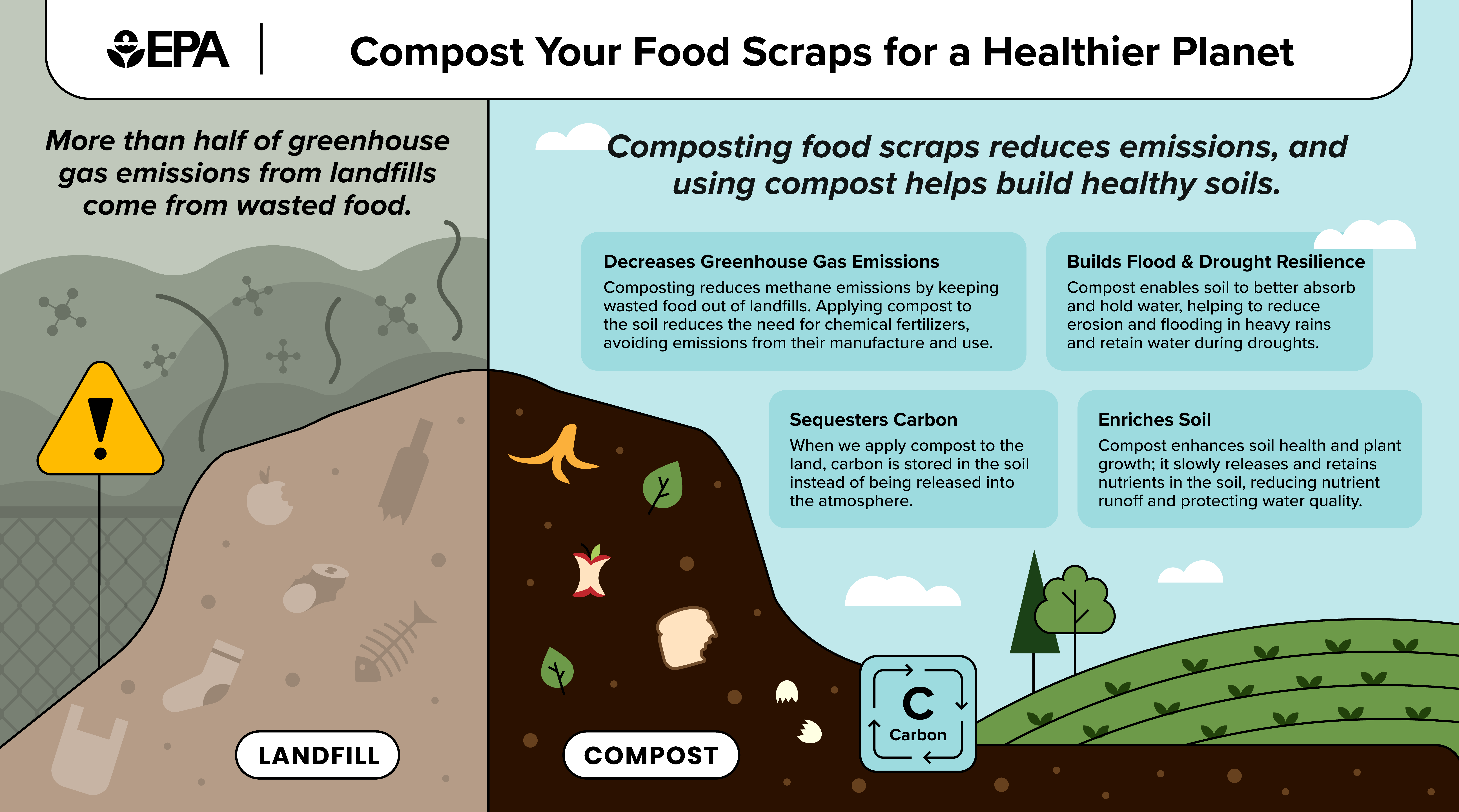
Compost does indeed have significant value as a fertilizer. It is an organic material that is created through the decomposition of plant and animal matter, which enriches the soil and provides numerous benefits to plant growth. The nutrients in compost are essential for plants, and utilizing it as a fertilizer can lead to healthier and more productive gardens and landscapes. The primary components of compost include nitrogen, phosphorus, potassium, and micronutrients, all of which play crucial roles in plant development.
The Nutrient Composition of Compost
Compost contains a balanced mix of essential nutrients that are vital for plant health. The main components are:
- Nitrogen: Important for leaf and stem growth.
- Phosphorus: Aids in root development and flowering.
- Potassium: Enhances overall plant health and disease resistance.
- Micronutrients: Elements such as calcium, magnesium, and sulfur that are needed in smaller amounts but are critical for various plant functions.
Improvement of Soil Structure
One of the most valuable benefits of compost is its ability to enhance soil structure. Compost improves aeration and drainage in heavy clay soils, while increasing moisture retention in sandy soils. The advantages include:
- Enhanced air circulation: Facilitates root growth and microbial activity.
- Better water retention: Improves drought resistance for plants.
- Reduction of soil compaction: Encourages healthy root systems and overall plant vitality.
Encouragement of Beneficial Microorganisms
Compost acts as a habitat for beneficial microorganisms that are crucial for soil health. These organisms help break down organic material and release nutrients. Their benefits include:
- Improved nutrient absorption: Microbes assist plants in accessing nutrients more effectively.
- Natural pest resistance: Healthy soil microbiomes can help fend off harmful pests.
- Enhanced disease resistance: Beneficial organisms compete with pathogens, promoting plant health.
Reduction of Chemical Fertilizer Dependency
Utilizing compost as a fertilizer reduces the need for chemical fertilizers, which can have adverse environmental effects. Compost provides a sustainable alternative with the following benefits:
- Decreased soil pollution: Natural composting limits runoff and leaching of harmful chemicals into waterways.
- Lower costs: Reduces the expense associated with purchasing chemical fertilizers.
- Sustainable waste management: Composting recycles organic waste, reducing landfill use.
Long-Term Soil Health Benefits
The use of compost not only provides immediate nutrient availability but also promotes long-term soil health. Over time, the advantages include:
- Building soil fertility: Regular applications of compost enhance nutrient levels naturally.
- Increasing biodiversity: Supports a diverse ecosystem of plants, animals, and microbial life.
- Enhancing carbon sequestration: Contributes to reducing carbon dioxide in the atmosphere, aiding in climate change mitigation.
Questions from Our Readers
Do I need to use fertilizer alongside compost?
Using compost generally provides many of the necessary nutrients for plants; however, in some cases, you may still need to add fertilizer. If your soil lacks certain nutrients or if you are growing plants that have high nutrient demands, supplementing with fertilizer can help meet these needs.
What are the benefits of using both compost and fertilizer?
Combining compost and fertilizer can enhance soil health and improve plant growth. While compost adds organic matter and beneficial microorganisms, fertilizer can supply a more concentrated dose of specific nutrients that may be deficient in your soil, resulting in healthier plants.
How can I determine if I need to add fertilizer with my compost?
You can assess the need for fertilizer by conducting a soil test, which reveals the nutrient levels present. If the test shows deficiencies in key nutrients such as nitrogen, phosphorus, or potassium, adding fertilizer along with your compost may be necessary to support optimal plant growth.
Can too much compost eliminate the need for fertilizer?
While compost is a valuable addition to soil, relying solely on it without any fertilizer may not provide sufficient nutrients for all plants. Certain plants with higher nutrient requirements might still benefit from the addition of fertilizer, even if you use compost regularly.
See also:

If you want to read more articles like Do I Need to Add Fertilizer if I Use Compost? A Comprehensive Guide to Soil Nutrition, we recommend you check out our Compost category.
Leave a Reply
Related Articles