Do I Need Holes in the Bottom of My Compost Bin? Expert Insights and Best Practices
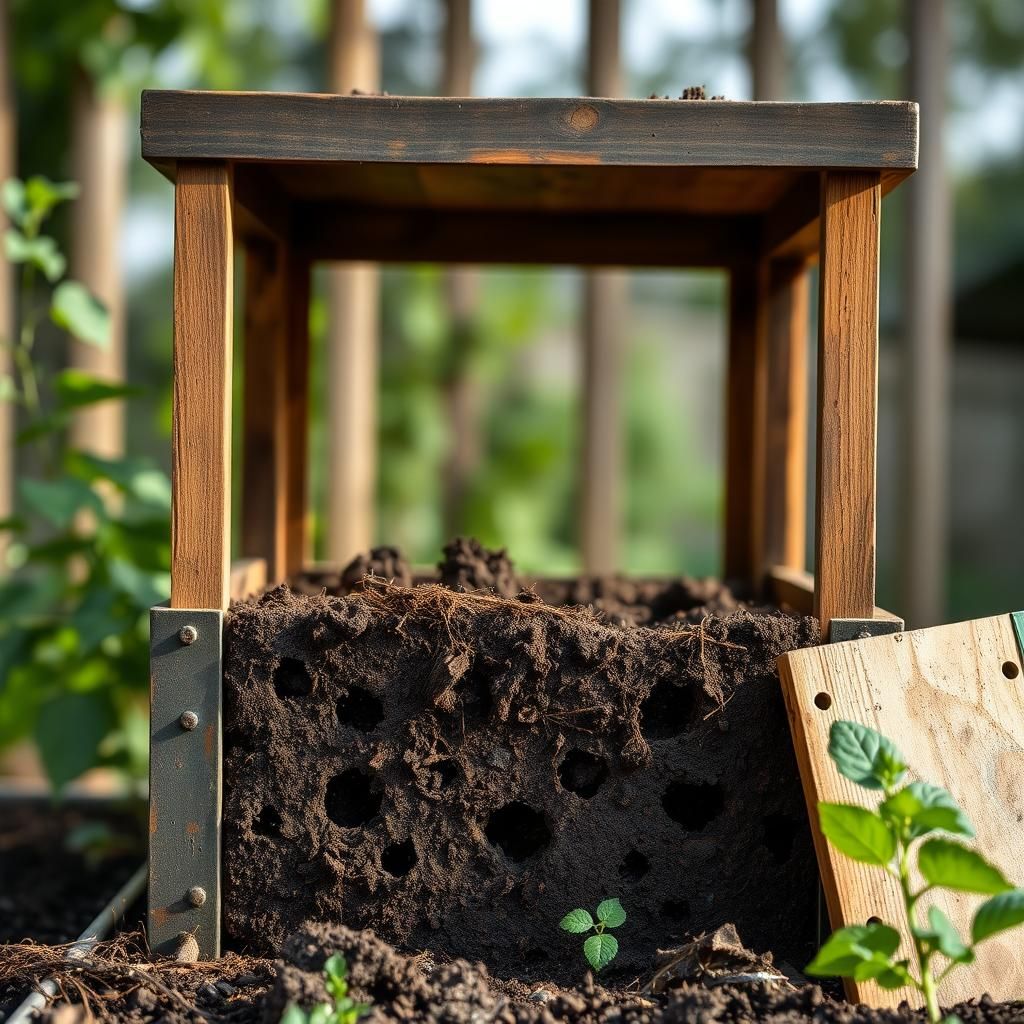
When setting up a compost bin, one common question arises: Do I need holes in the bottom of my compost bin? Understanding the importance of aeration and drainage is crucial for successful composting. Proper airflow and moisture control can significantly influence the decomposition process, affecting both the speed and quality of the finished compost. In this article, we will explore expert insights and best practices regarding the necessity of holes in the bottom of your compost bin. Whether you're a novice composter or an experienced gardener, this information will help you optimize your composting efforts and produce nutrient-rich soil for your plants.
Do I Need Holes in the Bottom of My Compost Bin?
Having holes in the bottom of your compost bin is crucial for effective composting. These openings allow airflow, which is essential for the aerobic microorganisms that break down organic matter. Additionally, holes help manage excess moisture by providing drainage, preventing the compost from becoming overly soggy and promoting a healthy decomposition process. Without adequate ventilation and drainage, the compost can become anaerobic, leading to foul odors and slower breakdown of materials. Therefore, incorporating holes in your compost bin is a fundamental practice for achieving rich, nutrient-dense compost.
Importance of Aeration in Composting
Aeration is vital for successful composting, as it promotes the activity of aerobic bacteria, which thrive in the presence of oxygen. When you incorporate holes in the bottom of your compost bin, you facilitate the exchange of oxygen, ensuring that these beneficial microorganisms can thrive. If your compost is too compacted or lacks proper airflow, it may result in anaerobic conditions, leading to unpleasant odors and slowing down the composting process.
How Holes Aid in Moisture Control
Moisture control is essential for maintaining the right balance in composting. Holes at the bottom of your compost bin allow excess water to drain, preventing the pile from becoming too wet. An overly wet compost can lead to mold growth and inhibit the breakdown of organic materials. Conversely, if the compost is too dry, moisture can be added, but the presence of drainage holes ensures that you won’t accidentally overwater. This balance of moisture is crucial for sustaining the ideal environment for decomposition.
Preventing Odors with Drainage Holes
The presence of drainage holes in a compost bin can prevent the development of foul odors. When organic materials decompose in an overly moist and anaerobic environment, they often emit smells due to the production of methane and hydrogen sulfide. By enabling adequate airflow and allowing excess moisture to escape, holes help maintain a balanced environment that keeps odors in check. This is particularly important for bins that are placed near living areas, where unpleasant smells can become a nuisance.
Types of Compost Bins and Hole Requirements
Not all compost bins are created equal, and their design can influence whether or not holes are necessary. For example, tumbling composters typically have adequate ventilation built into their design, while stationary bins may require additional holes to promote airflow. It’s important to consider the materials used and the type of compost bin you have when determining the size and number of holes needed. Regardless of the type, ensuring proper ventilation will enhance the composting process significantly.
How to Create Holes in Your Compost Bin
Creating holes in your compost bin can be done easily with basic tools. If your bin is made of wood, you can use a drill to create evenly spaced holes at the bottom and along the sides, ensuring that they are large enough to promote airflow but not so big that materials can fall out. For plastic bins, you can also drill holes or use a sharp object to puncture the walls. The placement and size of holes can be tailored to suit your composting needs and the materials you are using.
| Feature | Benefit |
|---|---|
| Aeration | Promotes aerobic decomposition and reduces odors. |
| Moisture Control | Prevents excess wetness and promotes optimal conditions for composting. |
| Odor Prevention | Minimizes foul smells associated with anaerobic conditions. |
| Adaptability | Suitable for various types of compost bins and materials. |
| Easy Implementation | Simple to create with basic tools for effective composting. |
Does a compost bin need holes in the bottom?

A compost bin does indeed need holes in the bottom. These holes are essential for facilitating the process of composting, ensuring that the materials within the bin break down effectively and efficiently. Here are some key reasons why bottom holes are necessary:
1. Improving Aeration: Holes at the bottom of the compost bin help to promote airflow, which is crucial for the survival of aerobic bacteria. These bacteria play a vital role in decomposing organic matter. Adequate air circulation allows the microorganisms to thrive and speeds up the composting process.
2. Drainage of Excess Moisture: Composting materials can often become overly wet, especially when kitchen scraps are added. Holes at the bottom allow excess moisture to drain away, preventing the compost from becoming soggy. Proper moisture levels are essential for maintaining the right conditions for decomposition.
3. Encouraging Beneficial Organisms: Openings at the bottom can also attract beneficial organisms, such as earthworms and other insects, which aid in breaking down organic material. These organisms create a healthy compost ecosystem, further enhancing the quality of the compost produced.
4. Preventing Odor Issues: Without holes for ventilation and drainage, compost bins can become anaerobic, leading to unpleasant odors. The buildup of gases from decomposing materials can cause smells that deter users from composting. Proper drainage and aeration help to mitigate this issue.
5. Facilitating Easier Compost Retrieval: If there are holes at the bottom of the compost bin, it can make it easier to retrieve finished compost. When the compost is ready to be used, it can be easier to access through the bottom, especially if the bin is designed for easy removal of the compost.
See also:
Importance of Aeration in Composting
The process of composting is heavily reliant on aerobic bacteria, which require oxygen to decompose organic matter effectively. The presence of holes in the bottom of the compost bin ensures that air flows freely through the materials inside, enabling these beneficial bacteria to work efficiently.
- Increased oxygen levels help speed up decomposition.
- Good aeration leads to a well-balanced composting process.
- The reduction of anaerobic conditions minimizes odor problems.
Managing Moisture Levels
Moisture control is a critical aspect of composting; if the bin is too wet, it can lead to compaction and hinder decomposition. Holes at the bottom allow for proper drainage, preventing the compost from becoming waterlogged.
- Drained compost reduces the risk of anaerobic conditions.
- Moisture levels can be balanced by adding carbon-rich materials.
- Proper moisture ensures an optimal environment for microorganisms.
Enhancing Biodiversity in Compost
The presence of holes in the bin can encourage a diverse range of organisms to inhabit the compost. This biodiversity is vital for developing a rich and beneficial compost ecosystem.
- Beneficial organisms like earthworms enrich the composting process.
- A variety of microorganisms break down materials more effectively.
- The presence of insects helps aerate the compost naturally.
Odor Control Solutions
Choosing to include holes in your compost bin is directly related to controlling unwanted odors associated with composting. Without proper ventilation, the compost can generate foul smells due to anaerobic decomposition.
- Proper aeration keeps the compost fresh and aromatic.
- Drying out excess moisture reduces odor-causing bacteria.
- Regularly turning the compost further helps minimize odors.
Accessing Finished Compost
A bin with holes at the bottom can also provide a practical benefit: ease of extracting finished compost. When compost is ready for use, having holes allows for simplifying the removal process.
- Bottom compost can be accessed quickly for crop use.
- Minimizes the effort needed for turning and removing the compost.
- Encourages batch composting for continuous supply.
What are the 5 mistakes that people commonly make when composting with worms?

1. Using the Wrong Type of Worms
Composting with worms requires selecting the right species to ensure effective decomposition. The most suitable worms are red wigglers (Eisenia fetida), which excel in breaking down organic matter. Common mistakes include using common earthworms or fat worms that do not thrive in composting conditions. Using the right worms is essential for creating a productive composting environment.
- Red Wigglers: Ideal for composting due to their adaptability and speed.
- European Nightcrawlers: They can be used but may not be as effective as red wigglers.
- Avoid Earthworms: These worms typically prefer soil and may not thrive in a composting bin.
2. Overfeeding the Worms
One common mistake when composting with worms is overfeeding them. Offering too much food can lead to imbalances in the composting process and create odors. It's crucial to provide the worms with the right amount of organic waste and allow them time to process it effectively.
- Monitor Food Levels: Keep track of how quickly the worms consume their food.
- Use Small Portions: Start with smaller amounts to avoid overwhelming the worms.
- Balance Carbon and Nitrogen: Ensure a mix of greens (nitrogen) and browns (carbon) for optimal health.
3. Using the Wrong Materials
Not all organic materials are suitable for worm composting. Introducing inappropriate items can harm the worms or lead to poor compost quality. It's essential to know which materials are safe and which ones to avoid.
- Avoid Citrus Fruits: High acidity can disrupt the compost balance.
- No Dairy or Meat: These can attract pests and odors.
- Limit Stinky Foods: Items like garlic or onion can be too potent for worms.
4. Not Maintaining Sufficient Moisture
Worms require a habitat with the proper level of moisture to thrive. Both underwatering and overwatering can lead to problems in the compost bin, impacting the health of the worms and the rate of decomposition.
- Check Moisture Levels Regularly: The compost should feel like a damp sponge when squeezed.
- Avoid Dryness: If the bedding is dry, the worms may struggle to survive.
- Don’t Soak: Overwatering can create a swampy environment unsuitable for worms.
5. Lack of Air Circulation
A lack of air circulation in a worm composting bin can create anaerobic conditions, leading to bad odors and unhealthy conditions for the worms. Proper aeration is essential for maintaining a thriving worm colony.
- Drill Holes: Ensure your compost bin has adequate air holes for ventilation.
- Turn the Mixture: Occasionally mixing the compost can help introduce oxygen.
- Layering Materials: Use a mix of materials that retains some air pockets.
What do you put on the bottom of a compost bin?
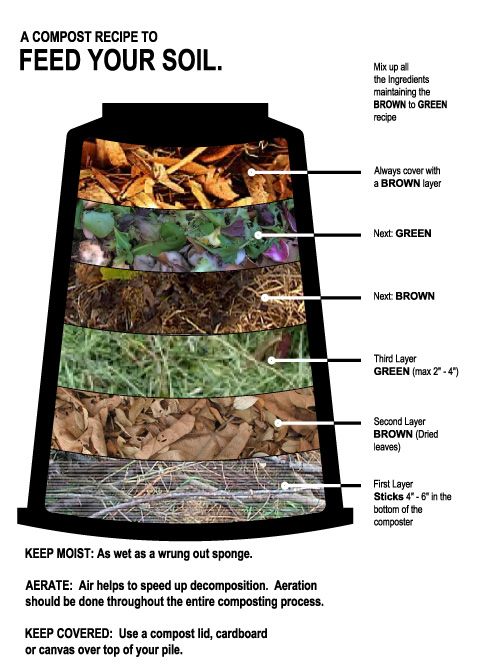
To create an effective compost bin, it's essential to start with the right materials at the bottom. The bottom layer of a compost bin serves critical purposes, such as allowing for drainage, aeration, and microbial activity. Here are some materials you can use:
Importance of Drainage
A proper drainage system is vital for a successful compost bin. It prevents waterlogging and helps maintain the right level of moisture.
See also:
- Gravel: A layer of gravel provides excellent drainage, allowing excess moisture to escape.
- Wood Chips: They help absorb moisture while fostering aeration, which is necessary for the aerobic decomposition process.
- Sand: Adding sand can improve drainage further, ensuring a well-balanced moisture level throughout the compost.
Aeration for Composting
Aeration is crucial in composting, as it allows airborne microbes to thrive and helps in breaking down organic matter.
- Twigs: Placing twigs at the bottom creates air pockets that facilitate airflow.
- Hay or Straw: A layer of hay or straw can enhance aeration while decomposing over time, adding nutrients.
- Cardboard Pieces: Shredded cardboard provides a structure for letting air circulate, which is beneficial for composting.
Microbial Activity
The bottom layer also serves to kickstart microbial activity that is essential for breaking down organic materials.
- Compost Activators: Adding a handful of compost activators, such as well-rotted manure, can introduce beneficial microbes.
- Soil: A layer of garden soil introduces organisms that help decompose the matter in the bin.
- Old Compost: Using some old compost can also boost microbial activity right from the start.
Carbon-Nitrogen Balance
It's important to maintain a balance between carbon and nitrogen materials for effective composting.
- Browns: Start with carbon-rich materials like dried leaves or cardboard at the bottom to establish a base.
- Greens: Incorporating kitchen scraps with nitrogen content later helps achieve the right balance throughout the composting process.
- Compost Layers: Layering these materials helps in maintaining the carbon to nitrogen ratio, further enhancing the compost process.
Preventing Pests
Properly layering materials can deter pests and create a healthier compost environment.
- Diatomaceous Earth: Adding a layer of diatomaceous earth can act as a natural pest deterrent.
- Citrus Peels: While not recommended in large quantities, a few peels can help repel pests that are attracted to compost.
- Mesh Screens: Finally, using a mesh cover at the base can prevent larger pests from entering the compost while still allowing airflow.
How often should I pee on compost?
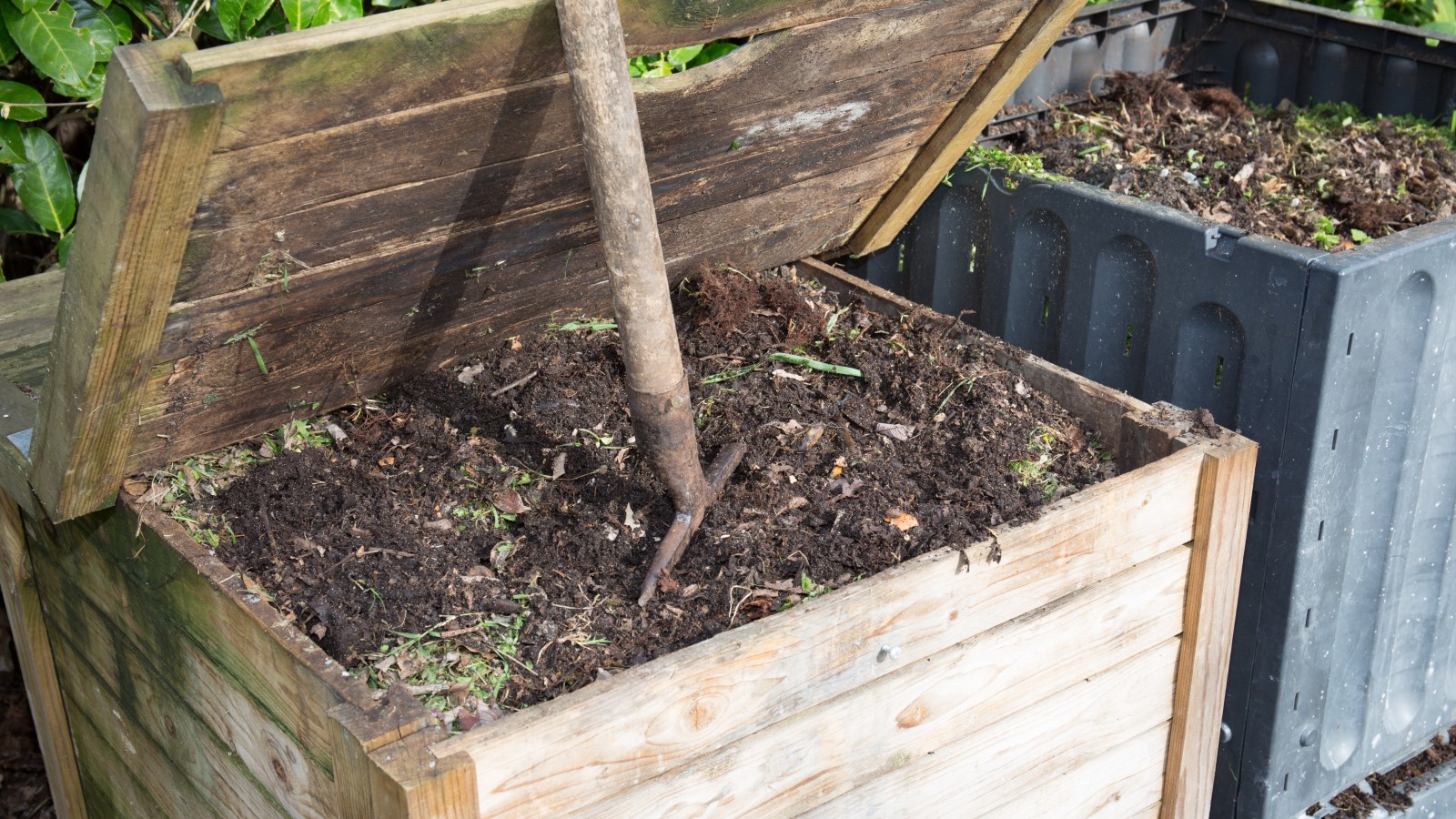
When it comes to using urine in composting, the frequency at which you should add it can vary depending on a few factors such as the size of your compost pile, the carbon-to-nitrogen ratio, and the moisture levels in your compost. Typically, adding urine to your compost can help accelerate the breakdown of organic matter due to its rich nitrogen content. It is generally recommended to add urine to your compost every few weeks, but here are some guidelines to consider:
Understanding the Role of Urine in Compost
Urine is an excellent source of nitrogen, which is one of the essential nutrients for composting. It helps to balance the carbon-rich materials and boost microbial activity. When added correctly, urine can improve the efficiency of composting by providing moisture and nutrients. Here are key points to understand its role:
- Nitrogen Source: Urine is approximately 95% water, and contains nitrogen, phosphorus, and potassium, which are vital for plant growth.
- Moisture Maintenance: It helps retain moisture in the compost, which is essential for decomposition.
- Microbial Support: The added nitrogen fosters a healthy microbial community that aids in breaking down organic materials more efficiently.
Optimal Frequency for Urine Addition
Most composters recommend adding urine to your compost pile every two to four weeks. This frequency allows for a balance of nutrients without overwhelming the compost system:
- Two Weeks: For active compost systems that require more nitrogen and moisture.
- Four Weeks: For slower compost systems where the breakdown is happening at a moderate pace.
- Observation-Based: Adjust the frequency based on the moisture content and temperature of the compost—if it feels too dry, it may benefit from an additional urine application.
How to Properly Apply Urine to Compost
Applying urine to your compost requires some care to ensure that you do not disrupt the balance. Here are some steps to follow:
- Dilution: Always dilute urine with water (1:10 ratio) before adding it to compost to prevent any burning effects from concentrated nitrogen.
- Even Distribution: Pour it evenly over the compost pile to ensure it penetrates throughout, rather than gathering in one spot.
- Mixing: After application, mix well to integrate the urine, enhancing microbial activity and helping moisture distribute evenly.
Signs That Your Compost Needs More Urine
Monitoring your compost's condition will help you determine when to add more urine. Be aware of the following signs:
- Dry Appearance: If the compost looks dry and crumbly, it may need additional moisture and nitrogen.
- Slow Decomposition: If organic materials aren’t breaking down as expected, it could be a sign of a nitrogen deficiency.
- Temperature Drop: A noticeable drop in temperature may indicate that microbial activity is low, calling for a nutrient boost.
Benefits of Using Urine in Composting
Utilizing urine in your compost pile comes with several advantages that can facilitate a rich composting environment:
- Cost-Effective: Using your urine is free and reduces the need for commercial fertilizers.
- Environmentally Friendly: It recycles nutrients back into the soil, contributing to sustainable gardening practices.
- Enhanced Plant Growth: Nutrient-rich compost promotes healthier plants, leading to improved yields in gardens and farms.
Questions from Our Readers
Do I need holes in the bottom of my compost bin?
Yes, having holes in the bottom of your compost bin is essential for drainage and aeration. This allows any excess moisture to escape, preventing your compost from becoming too soggy, which can lead to unpleasant odors and slow down the composting process.
What is the purpose of drainage holes in a compost bin?
The drainage holes help to regulate moisture levels within the compost, ensuring that materials remain in the right balance for efficient decomposition. Proper drainage prevents the compost from becoming waterlogged, which can disrupt the microbial activity necessary for breaking down organic matter.
How many holes should I have in my compost bin?
A good rule of thumb is to have several small holes evenly distributed at the bottom and lower sides of the compost bin. Generally, 1/4 inch to 1/2 inch holes are sufficient to allow for proper airflow and drainage without losing too much material.
See also:
Can I compost without holes in the bin?
While it's possible to compost without holes, it's not advisable. A bin without holes may lead to poor aeration and can result in a smelly, anaerobic environment that hinders the composting process. To achieve optimal composting results, it's better to include drainage holes.

If you want to read more articles like Do I Need Holes in the Bottom of My Compost Bin? Expert Insights and Best Practices, we recommend you check out our Compost category.
Leave a Reply
Related Articles