Do I need a qualification to be a gardener? Exploring Skills, Training, and Career Paths

Gardening is often seen as a relaxing hobby, but many wonder whether formal qualifications are necessary to pursue it as a career. This article delves into the skills and training required to become a successful gardener, exploring various paths one can take in this vibrant field. From hands-on experience in plant care to formal education in horticulture, prospective gardeners can find numerous ways to enhance their expertise. We will also discuss potential career opportunities within the gardening industry and the benefits of both qualifications and practical knowledge. Join us as we unravel the essential components of a gardening career.
Do You Need a Qualification to Be a Gardener?
Many individuals wonder if obtaining a formal qualification is necessary to pursue a career as a gardener. The short answer is no; you do not need a specific degree or certification to work in this field. However, having some level of education or training can significantly enhance your knowledge about plants, soil, and gardening techniques, which can lead to better job opportunities and higher wages. Practical experience, whether through internships, apprenticeships, or even hobby gardening, can provide you with the skills needed to succeed in the industry. Additionally, some employers may prefer or require qualifications, particularly for more specialized positions like landscape design or horticulture.
Types of Gardening Qualifications
While formal qualifications are not mandatory, there are several programs available that can improve your skills in gardening. These can include certificates or diplomas in areas like horticulture, landscape design, or environmental science. Many community colleges and vocational schools offer these programs, which typically combine theoretical knowledge and practical skills to prepare students for careers in gardening and landscaping.
Experience in Gardening
Experience is often the most valuable asset for aspiring gardeners. Many professionals in the field start as volunteers or apprentices in nurseries, botanical gardens, or through internships. This hands-on experience not only helps you to learn about different plant species and maintenance practices but also allows you to build a network of contacts who can help you advance in your gardening career.
Online Gardening Courses
With the rise of digital education, numerous online gardening courses are now offered for those interested in improving their gardening knowledge. These courses can range from beginner to advanced levels and often cover topics such as plant care, pest management, and garden design. Online platforms provide flexible learning options, allowing you to study at your own pace while gaining valuable information that can contribute to your gardening career.
Benefits of Gardening Certifications
Although not required, obtaining a gardening certification can offer several benefits to those pursuing a career in this field. Certifications can attest to your expertise in specific areas, making you a more attractive candidate for potential employers. They can also enhance your credibility with clients if you choose to work as a freelance gardener or landscape designer. Furthermore, certification programs usually cover best practices and new trends in horticulture, which can keep you informed and competitive in the industry.
Employer Preferences
When hiring gardeners, some employers may place a strong emphasis on practical experience over formal qualifications. However, having relevant certifications or degrees can sometimes give you an edge, particularly in competitive job markets or specialized fields. Employers may prefer candidates who demonstrate a commitment to ongoing education and professional development, which can be signified by obtaining qualifications in gardening or horticulture.
| Aspect | Description |
|---|---|
| Formal Qualifications | Not required but can enhance knowledge and job opportunities. |
| Practical Experience | Essential for skill development; internships and volunteering are valuable. |
| Online Courses | Flexible learning options to improve gardening knowledge. |
| Certifications | Can enhance credibility and job prospects; shows commitment to education. |
| Employer Preferences | May prioritize practical experience but value qualifications for specific roles. |
What are the requirements to be a gardener?
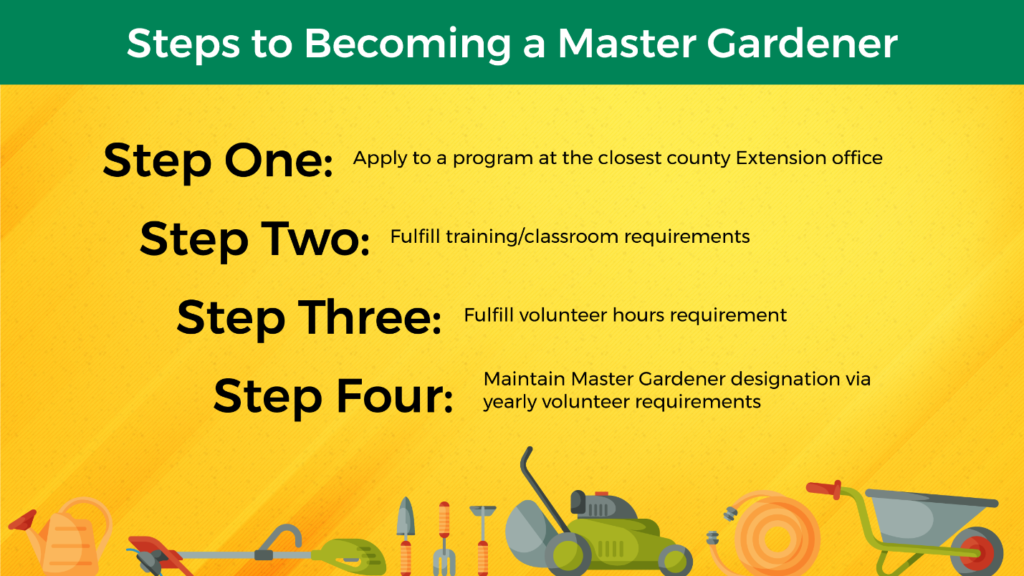
To become a gardener, several requirements and skills are necessary to ensure success in this field. While formal education is not strictly required, gaining knowledge in various areas can greatly enhance a gardener's effectiveness. Below are key requirements for becoming a gardener, followed by detailed sections on related topics.
Essential Skills for Gardeners
A gardener must possess a range of essential skills that facilitate plant care and landscape management. These skills include:
- Botanical Knowledge: Understanding plant species, growth patterns, and soil requirements is fundamental.
- Physical Stamina: Gardening often involves physical labor, so strength and endurance are important.
- Problem-solving Skills: Gardeners need to identify issues and implement effective solutions for plant health.
Educational Background
While formal education is not mandatory, having a degree or certification in horticulture, botany, or a related field can be beneficial. Programs often cover the following topics:
- Plant Science: Courses in this area teach the biological aspects of plant life.
- Soil Science: Understanding soil composition helps in choosing the right plants and fertilizers.
- Pest Management: Knowledge about common garden pests and their control methods is crucial.
Work Experience
Gaining hands-on experience is invaluable in this field. Many gardeners start as assistants or helpers, which allows them to learn through practical involvement. Typical experiences include:
- Internships: Working under experienced gardeners provides essential skills and networking opportunities.
- Volunteering: Contributing to community gardens or botanical gardens offers practical knowledge and experience.
- Personal Projects: Managing a home garden can help develop skills and an understanding of plant care.
Tools and Equipment Knowledge
A gardener must be familiar with the various tools and equipment used in the job, which commonly include:
- Hand Tools: Familiarity with trowels, pruners, and hoes is essential for daily tasks.
- Power Tools: Understanding how to safely use equipment like lawnmowers and tillers is important.
- Safety Equipment: Knowledge of protective gear, such as gloves and masks, ensures safety during work.
Environmental Awareness
A successful gardener should embrace environmental sustainability. This includes an understanding of local ecosystems and practices that support them, such as:
See also:
- Native Plants: Using native species promotes biodiversity and requires less maintenance.
- Organic Gardening: Knowledge of organic practices reduces chemical use and enhances soil health.
- Water Conservation: Techniques for efficient irrigation help preserve water resources.
Can anyone become a gardener?
Yes, anyone can become a gardener, regardless of their background or prior experience. Gardening is an accessible activity that offers various benefits, including mental well-being, physical exercise, and a deeper connection with nature. While some people may have a natural affinity for plants and gardening techniques, the fundamental ability to garden successfully can be developed by anyone willing to learn and put in the effort.
Understanding Gardening Basics
To begin one's journey into gardening, it is essential to grasp the fundamentals of plant care. This includes knowledge of soil types, types of plants, and the growth requirements for different species.
- Soil Preparation: The quality of soil is pivotal. Gardeners should learn about composting and how to amend the soil to foster plant growth.
- Watering Practices: Understanding the watering needs of plants is crucial. Over-watering or under-watering can lead to plant stress or death.
- Sunlight Requirements: Different plants have varying light needs, so recognizing whether a plant is full-sun, partial-shade, or full-shade is necessary for successful gardening.
Finding the Right Space
Selecting an appropriate garden space is vital for any aspiring gardener. This involves identifying locations that provide adequate light, protection from wind, and accessibility for maintenance.
- Garden Size: Beginners might start with small containers or a small patch in their yard to gain experience without becoming overwhelmed.
- Accessibility: A garden should be easily reachable to encourage regular maintenance and harvesting.
- Environmental Factors: Assessing factors like climate and local wildlife can help in choosing the right location and plants.
Choosing the Right Plants
Selecting the appropriate plants is a fundamental step for any gardener. Consideration of the gardener's skill level, climate, and the time commitment necessary for plant care is essential.
- Beginner-Friendly Plants: Starting with easy-to-grow plants, such as herbs or hardy vegetables, can boost confidence and offer quick rewards.
- Native Plants: Choosing plants that are native to the area can reduce maintenance and increase success due to their adaptation to local conditions.
- Seasonal Considerations: Understanding which plants grow best in particular seasons can help gardeners plan their gardens effectively.
Learning and Resource Utilization
Gardening is a continual learning process. Learning from various resources, including books, online courses, and community workshops, can significantly enhance one’s gardening skills.
- Books and Magazines: Many gardening books are tailored for different skill levels and can provide in-depth information.
- Online Forums and Communities: Engaging with fellow gardeners through online platforms can offer support, advice, and camaraderie.
- Workshops and Classes: Participating in local gardening workshops can provide hands-on experience and opportunities to ask questions.
Overcoming Challenges
Every gardener will encounter challenges, but learning to address and overcome them is part of the gardening journey.
- Pests Management: Understanding how to identify and manage pests without harming the plants or the environment is a crucial skill.
- Weather Resilience: Having strategies in place for unexpected weather changes, such as frost or drought, can prevent loss of plants.
- Time Management: Learning to balance gardening with other responsibilities is important to ensure the garden is well-maintained.
How to become a gardener without a degree?
To become a gardener without a degree, you can achieve your goals through practical experience, self-education, and networking within the gardening community. Here's a detailed approach to get you started on your gardening journey.
Getting Started with Basic Gardening Skills
To begin your journey as a gardener, it's essential to develop a strong foundation of basic gardening skills. These skills can be acquired through self-study and hands-on practice.
- Learn Plant Identification: Familiarize yourself with common plants, including their growth habits, light requirements, and pest issues.
- Understand Soil Health: Study soil types, pH levels, and how to amend soil to promote healthy plant growth.
- Master Basic Gardening Techniques: Practice techniques such as planting, pruning, and watering to develop your skills.
Volunteering and Apprenticeships
One of the best ways to gain practical experience is through volunteering or taking on an apprenticeship in a local garden or farm. This hands-on experience will provide invaluable insights into the day-to-day tasks of gardening.
- Join a Community Garden: Engage with local community gardens to learn from experienced gardeners and contribute to collective gardening projects.
- Find an Internship: Look for internships that offer structured training in horticulture or landscape maintenance.
- Participate in Workshops: Attend workshops that cover various gardening topics, which will enhance your skills and network.
Self-Education Resources
With the abundance of information available, you can educate yourself using various resources that cater to both beginners and advanced gardeners.
- Online Courses: Websites like Coursera and Udemy offer courses on gardening fundamentals and specialized topics.
- Books and Magazines: Read books and subscribe to gardening magazines to stay informed about the latest trends and techniques.
- YouTube Channels: Follow reputable gardening channels for visual and practical advice on gardening methods.
Networking with Other Gardeners
Establishing connections with experienced gardeners can help you learn faster and gain access to more opportunities.
- Join Gardening Clubs: Local gardening clubs can provide a supportive community and resources.
- Attend Gardening Events: Participate in gardening expos, fairs, and workshops to meet fellow gardening enthusiasts.
- Utilize Social Media: Engage in online gardening groups and forums to connect with a broader community and share knowledge.
Building Your Gardening Portfolio
As you gain experience, it's essential to document your work and achievements, creating a portfolio that showcases your skills and projects.
See also:
- Document Your Projects: Take photos and keep notes on your gardening projects, highlighting the skills you used.
- Create a Blog: Share your gardening journey and tips through blogging to establish your expertise.
- Gather References: Ask for recommendations from mentors or peers who can vouch for your skills and dedication.
What is the difference between a caretaker and a gardener?

The difference between a caretaker and a gardener primarily lies in their roles and responsibilities. While both positions may involve maintaining a property, their focus, skills, and duties diverge significantly.
Roles and Responsibilities
Caretakers are primarily responsible for the general upkeep of a property, which can encompass a wide array of tasks beyond landscaping. Generally, the roles may include:
- Monitoring the condition of buildings and grounds.
- Performing basic repairs and maintenance tasks.
- Ensuring safety and cleanliness in communal areas.
In contrast, gardeners focus specifically on the cultivation and care of plants. Their responsibilities generally include:
- Planting, pruning, and nurturing vegetation.
- Managing garden design and layout.
- Utilizing horticultural techniques and knowledge.
Skills and Knowledge
The skills required for caretakers and gardeners also differ significantly. Caretakers need a broad skill set that includes:
- Basic construction and repair skills.
- Knowledge of safety regulations.
- Ability to manage multiple tasks simultaneously.
On the other hand, gardeners require specialized knowledge in areas such as:
- Botany and plant care.
- Soil science and fertilization.
- Pest control and disease management.
Work Environment
The work environment for a caretaker is more varied compared to that of a gardener. Caretakers often work indoors as well as outdoors, tackling diverse tasks daily. Their work settings may include:
- Residential homes.
- Community centers.
- Public parks and facilities.
Gardening typically occurs outdoors, focusing on specific areas such as:
- Private gardens.
- Public parks and botanical gardens.
- Commercial landscaping projects.
Employment Settings
Caretakers may find employment in a variety of settings where property management is needed, such as:
- Schools or educational institutions.
- Hotels and resorts.
- Residential complexes.
Conversely, gardeners usually work in places that specifically require plant maintenance, including:
- Homeowners' private gardens.
- Commercial properties seeking beautification.
- Public spaces focused on landscaping.
Long-Term Goals
The long-term goals of caretakers and gardeners can also differ. Caretakers aim to maintain the overall integrity and functionality of a property, which may include:
- Reducing long-term costs through preventive maintenance.
- Enhancing safety and usability for residents.
- Adapting facilities for evolving community needs.
In contrast, gardeners focus on the aesthetic appeal and health of plants, with goals that include:
- Establishing lush, vibrant landscapes.
- Promoting biodiversity through diverse plant selections.
- Creating sustainable and environmentally friendly practices.
Questions from Our Readers
Do I need a qualification to be a gardener?
While having a formal qualification can be beneficial, it is not strictly necessary to be a gardener. Many successful gardeners have gained their skills through experience and self-education rather than formal training.
What skills are essential for a gardener?
Essential skills for a gardener include plant knowledge, soil management, and landscape design. Additionally, possessing good physical fitness and attention to detail is crucial for maintaining gardens effectively.
See also:
Can I become a gardener without any prior experience?
Yes, you can become a gardener without prior experience. Many people start as volunteers or assistants to learn the ropes and gain hands-on experience. This on-the-job training is invaluable and can lead to career advancement in gardening.
Are there specific certifications that can help my gardening career?
While not required, specific certifications in areas such as horticulture or landscape design can enhance your credibility and job prospects. These credentials demonstrate a level of commitment and expertise in the field of gardening.

If you want to read more articles like Do I need a qualification to be a gardener? Exploring Skills, Training, and Career Paths, we recommend you check out our Gardeners category.
Leave a Reply
Related Articles