Do I Need a Filter on My Irrigation System? Essential Insights for Optimal Water Management
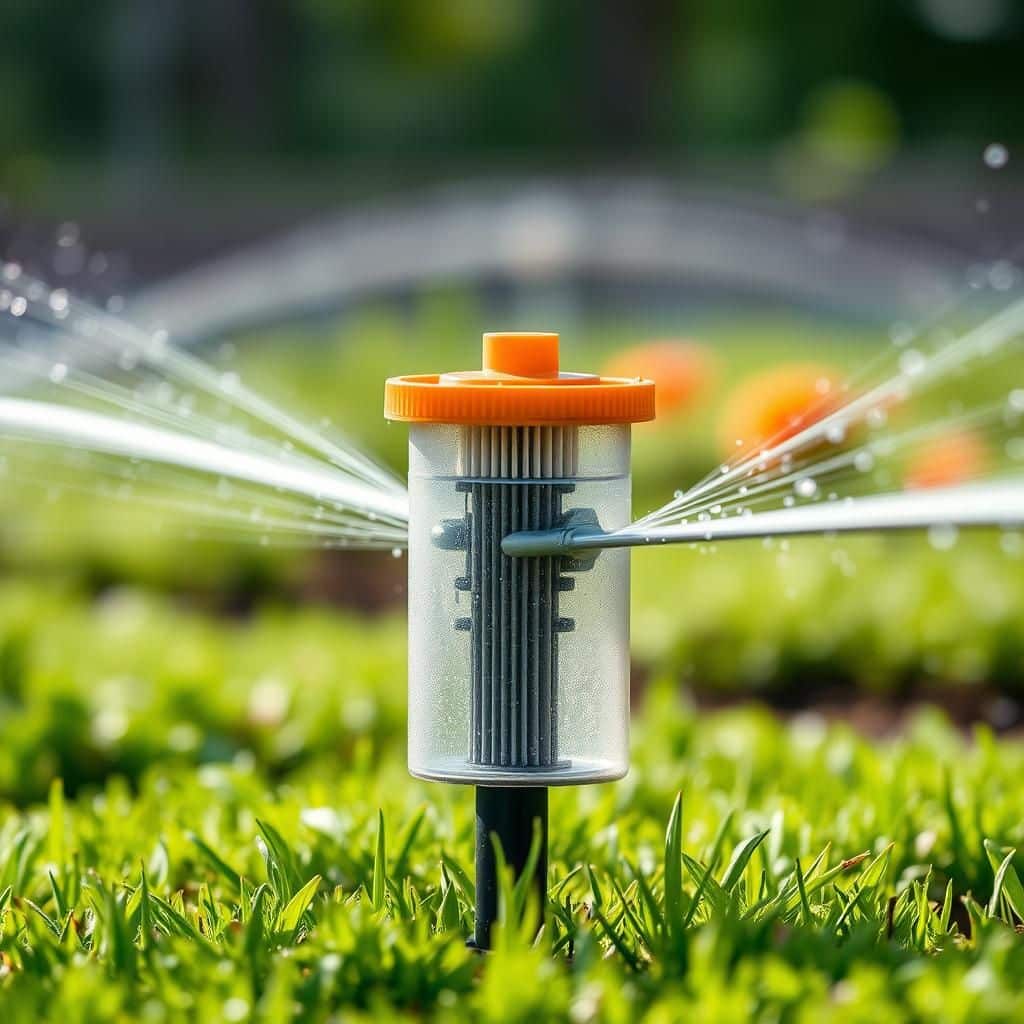
As water scarcity becomes an increasing concern, efficient irrigation systems are essential for effective water management in agriculture and landscaping. A critical aspect often overlooked is the need for a filter in an irrigation system. Filters play a vital role in preventing debris and sediment from clogging lines and emitters, which ultimately enhances the system's performance and longevity. This article explores whether you need a filter for your irrigation setup, the various types available, and the benefits they provide. Understanding these essential insights will help you make informed decisions to optimize your water management practices and promote healthier landscapes.
Do I Need a Filter on My Irrigation System?
Installing a filter in your irrigation system is essential for ensuring its long-term efficiency and reliability. Particles such as sand, silt, and organic matter can clog pipes, emitters, and sprinkler heads, leading to reduced water flow and potential damage to your system. A filter can help maintain optimal water quality by removing these impurities before they enter the system, ultimately saving you time and money on repairs and maintenance. Moreover, using a filter can enhance the overall health of your plants by providing clean water that is free from harmful debris or contaminants.
Benefits of Using a Filter
A filter significantly improves the performance of your irrigation system by preventing blockages that can disrupt water flow. With clean water, your irrigation components will operate more effectively, leading to better uniformity in water distribution. Additionally, filtered water reduces wear and tear on your system, thus extending its lifespan and minimizing the frequency and cost of repairs.
Types of Filters for Irrigation Systems
There are various types of filters available for irrigation systems, including screen, disc, and sand filters. Screen filters consist of a mesh that captures larger particles, while disc filters offer a larger surface area for trapping smaller debris. Sand filters work by passing water through layers of sand, effectively removing sediments. The choice of filter will depend on factors such as the quality of your water source and the specific requirements of your irrigation system.
How to Choose the Right Filter
When selecting a filter for your irrigation system, consider the flow rate and the types of contaminants present in your water source. Assessing the pressure and temperature of the water is also important, as some filters may not perform well under certain conditions. For optimal results, choose a filter that matches your system's specifications and ensure it can handle the expected debris load.
Maintenance Requirements for Filters
Regular maintenance is crucial to ensure your irrigation filter functions effectively. This typically involves inspecting the filter for clogs and cleaning it as needed, which can vary depending on the type of filter and the quality of your water. It's advisable to develop a schedule for routine checks and to keep an eye on the pressure readings to identify any issues early on. Neglecting maintenance can lead to reduced efficiency and increased costs over time.
Cost Considerations
Investing in a quality filter can lead to long-term savings by reducing repair costs and enhancing the performance of your irrigation system. While the initial cost of purchasing and installing a filter can vary, it is often outweighed by the benefits of improved system efficiency and reduced maintenance needs. Additionally, factoring in the potential for healthier plants and better yields can make a filter a valuable addition to your irrigation setup.
| Filter Type | Debris Removal | Flow Rate | Maintenance Frequency |
|---|---|---|---|
| Screen Filter | Large Particles | High | Every 1-3 months |
| Disc Filter | Small Particles | Moderate | Every 2-6 months |
| Sand Filter | Fine Particles | Variable | Every 6-12 months |
Do you need a filter for irrigation?

The necessity of a filter in an irrigation system largely depends on several factors, including the source of the water, the type of crops being irrigated, and the specific design of the irrigation system itself. Generally, a filter is highly recommended to ensure the efficient and effective operation of an irrigation system.
Benefits of Using Filters in Irrigation
Using filters in irrigation offers numerous advantages that contribute to the longevity and efficiency of the system.
- Prevents Clogging: Filters help to remove debris and sediments that can clog emitters and pipes.
- Improves Water Quality: By filtering out contaminants, the overall quality of the irrigation water is enhanced, ensuring that plants receive clean water.
- Reduces Maintenance: With filters in place, the frequency of maintenance and repairs can be significantly reduced, saving time and money.
Types of Filters Used in Irrigation Systems
There are various types of filters suitable for different irrigation setups, each serving distinct purposes.
- Screen Filters: These filters utilize a mesh screen to effectively catch larger particles and debris.
- Disc Filters: Made of multiple discs stacked together, these filters provide a larger surface area for trapping dirt.
- Sand Filters: Utilizing layers of sand, these filters remove fine particles as water passes through.
Indicator of When to Use a Filter
Determining when to use a filter in your irrigation system can be guided by specific indicators.
- Water Source Quality: If the water source is muddy or contains a lot of organic matter, a filter is essential.
- Irrigation System Design: Systems using drip irrigation are more prone to clogging, which necessitates a filter.
- Type of Crops: Sensitive crops require higher quality water, thus warranting the use of a filter.
Filter Maintenance Practices
To ensure filters operate effectively, regular maintenance practices should be observed.
See also:
- Regular Cleaning: Filters should be cleaned according to the manufacturer's guidelines to prevent buildup.
- Inspection for Wear: Periodically check filters for wear and tear, replacing them when necessary.
- Monitor Water Flow: Keep an eye on the water flow rate; a drop may indicate the need for filter cleaning or replacement.
Cost Considerations for Installing Filters
The installation of filters in an irrigation system involves various cost considerations that shouldn't be overlooked.
- Initial Investment: The upfront cost of filters can vary significantly based on their type and size.
- Installation Costs: Professional installation may incur additional fees depending on the complexity of the system.
- Long-Term Savings: Investing in filters can lead to savings in maintenance and repair costs over time.
How do you tell if you need a water filter?
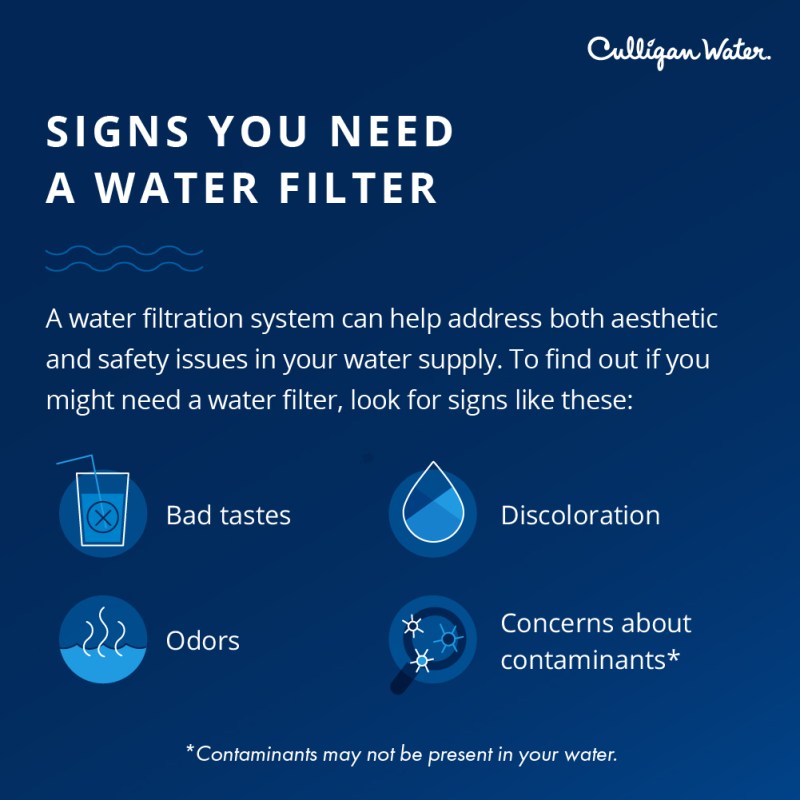
To determine if you need a water filter, it's important to evaluate various factors related to your water quality and consumption needs. Here are some key indicators and steps to help you decide if a water filter is necessary.
Understanding Water Quality
Assessing the quality of your water is crucial. You can conduct tests to check for contaminants like heavy metals, chlorine, bacteria, and other harmful substances. Consider the following steps:
- Test your water: Use a home testing kit or send a sample to a laboratory.
- Check with local authorities: Review the annual water quality report provided by your municipality.
- Smell and taste: Notice any unusual odors or tastes, which could indicate the presence of contaminants.
Identifying Common Contaminants
Different geographic areas may have specific contaminants in their water supply. Understanding these common issues can help you make an informed decision about filtration needs. Consider these common contaminants:
- Chlorine: Often used in municipal water systems, it may cause an unpleasant taste.
- Lead: This can leach from old pipes and is particularly harmful to children.
- Microorganisms: Bacteria and viruses can cause illness, especially in untreated sources.
Evaluating Your Health Needs
Your personal health considerations also play a role in determining the necessity of a water filter. If you have specific health concerns, it’s important to factor them in:
- Infants and children: They are more susceptible to contaminants, making filtered water a safer choice.
- Pregnancy: Expecting mothers may need to avoid certain impurities.
- Pre-existing health conditions: Conditions like kidney disease can warrant the need for filtered water.
Considering Taste and Odor
Sometimes, the decision to use a water filter stems from taste and smell rather than health concerns. Water that smells or tastes unpleasant can discourage hydration. Consider these points:
- Chlorine taste: If your water has a strong chlorine flavor, filtration can improve it.
- Musty or earthy odors: These might indicate organic compounds that a filter can remove.
- Metallic taste: This could signal rust or lead, necessitating immediate filtration.
Looking at Water Source and Infrastructure
The source and infrastructure delivering your water can significantly impact its quality. Evaluating these elements may help determine the need for a filter:
- Well water: Often contains higher levels of contaminants compared to municipal sources.
- Old plumbing systems: Lead pipes are a major risk for contaminated water.
- Local environmental factors: Proximity to industrial areas can lead to chemical run-off affecting water quality.
What is the purpose of using filters in irrigation?

The purpose of using filters in irrigation is primarily to ensure that the water supplied for agricultural and landscape purposes is free from debris and contaminants that can harm plants, clog irrigation systems, and reduce overall watering efficiency. Filters are critical components in irrigation systems as they help maintain optimal flow rates, protect equipment, and enhance water quality.
Key Functions of Filters in Irrigation
Filters serve multiple essential roles in irrigation systems, including:
- Debris Removal: Filters eliminate larger particles, leaves, and other debris from water sources.
- Equipment Protection: By preventing contaminants from entering the system, filters safeguard pumps, valves, and emitters.
- Enhanced Water Quality: Filters improve the overall quality of irrigation water, which is vital for plant health.
Types of Filters Used in Irrigation
Different types of filters are used in irrigation, each suited for specific applications:
- Screen Filters: These have mesh screens that trap solid particles.
- Disc Filters: Comprised of several discs, these filters enhance filtration surface area and dirt retention.
- Sand Filters: These filters use sand as the primary medium to remove contaminants from water.
Benefits of Using Filters in Irrigation Systems
Using filters can bring numerous advantages to irrigation practices:
See also:
- Increased Efficiency: Clean water allows for better system performance and reduced maintenance.
- Cost Reduction: Protecting equipment from damage leads to lower repair and replacement costs.
- Improved Crop Yield: Filtration contributes to healthier plants, resulting in higher productivity.
Considerations for Filter Selection
When choosing filters for irrigation, various factors must be considered:
- Water Source Quality: Assess the levels of contaminants in the source water to determine the necessary filtration level.
- Flow Rate Requirements: Select filters that can handle the flow rate of the irrigation system without causing pressure drops.
- Maintenance Needs: Choose filters that align with the maintenance capacity of the user to ensure ongoing efficiency.
Maintenance of Irrigation Filters
Regular maintenance of filters is crucial for ensuring their functionality:
- Cleaning Frequency: Establish a regular cleaning schedule based on the filter type and water quality.
- Inspection for Damage: Periodically check filters for any signs of wear, clogs, or damage that may impair performance.
- Replacement of Components: Replace any worn parts according to manufacturer recommendations to ensure optimal operation.
Do I need a filter on my drip irrigation?

Drip irrigation systems are designed to deliver water directly to the roots of plants, minimizing water waste and ensuring efficient hydration. While they offer many advantages, one important consideration is whether to include a filter in your system.
The main purpose of a filter in drip irrigation is to prevent clogs caused by sediment, algae, or other particulates in the water. Without a filter, these contaminants can accumulate in the emitters, leading to reduced flow rates, uneven watering, and potentially damaging the plants.
1. Why is Filtration Important in Drip Irrigation?
Filtration is crucial because it helps maintain the proper function of your drip irrigation system. Contaminants can easily find their way into the system, which can lead to:
- Clogged Emitters: Small particles can block the tiny openings in emitters, preventing water from reaching the roots.
- Inefficient Water Distribution: Uneven flow can result in overwatering some plants while leaving others dry.
- Increased Maintenance Costs: Frequent cleaning and repairs can become costly over time.
2. Types of Filters for Drip Irrigation Systems
There are several types of filters suited for drip irrigation systems, each designed to handle different kinds of particulates:
- Suction Filters: These filters are placed before the water enters the system and remove larger debris.
- Screen Filters: Effective for removing small particles, screen filters are popular due to their ease of cleaning.
- Disc Filters: Composed of multiple discs, these filters can capture even finer particles and are suitable for various water sources.
3. When Should You Install a Filter?
The decision to install a filter should be based on the quality of your water source. Some key considerations include:
- Type of Water: Well water or surface water may contain more contaminants than municipal supply.
- Frequency of Maintenance: If you prefer to minimize maintenance, a filter is advisable.
- Plant Requirements: Sensitive plants may require more protection against clogging.
4. What Happens Without a Filter?
Neglecting to install a filter can have several negative consequences for your drip irrigation system:
- System Failure: A clogged system may stop functioning altogether, necessitating costly repairs.
- Water Waste: Ineffective watering can result in excessive water usage.
- Plant Health Risks: An inconsistent water supply can lead to stress and poor growth in plants.
5. Tips for Maintaining Filters in Drip Irrigation
To ensure your filters work effectively, regular maintenance is essential. Here are some tips:
- Regular Cleaning: Clean the filters according to the manufacturer's instructions to ensure optimal performance.
- Inspect for Damage: Check filters for cracks or wear that may hinder their effectiveness.
- Monitor Water Quality: Keep an eye on changes in your water source that may affect the filter's performance.
Questions from Our Readers
Do I need a filter on my irrigation system?
Yes, using a filter in your irrigation system is crucial. It helps to prevent dirt, debris, and other contaminants from clogging your pipes and drip emitters, ensuring a smooth and efficient delivery of water to your plants.
What type of filter should I use for my irrigation system?
The type of filter you should use depends on the source of your water; for example, if you are using well water, a screen filter may be suitable, whereas municipal water might require a disc filter to trap finer particles.
How often should I clean or replace the filter?
It’s recommended to check your filter regularly, and clean or replace it every few months or as needed, depending on the amount of sediment in your water. Regular maintenance helps to keep your irrigation system functioning at optimal levels.
See also:
Can I install a filter myself?
Yes, installing a filter is typically a straightforward process that many homeowners can do themselves. However, it’s essential to follow the manufacturer’s instructions and ensure that you select a filter that is compatible with your specific irrigation system.

If you want to read more articles like Do I Need a Filter on My Irrigation System? Essential Insights for Optimal Water Management, we recommend you check out our Irrigation category.
Leave a Reply
Related Articles