Do Hydrangeas Like Sun or Shade in Australia? A Guide to Optimal Growth Conditions
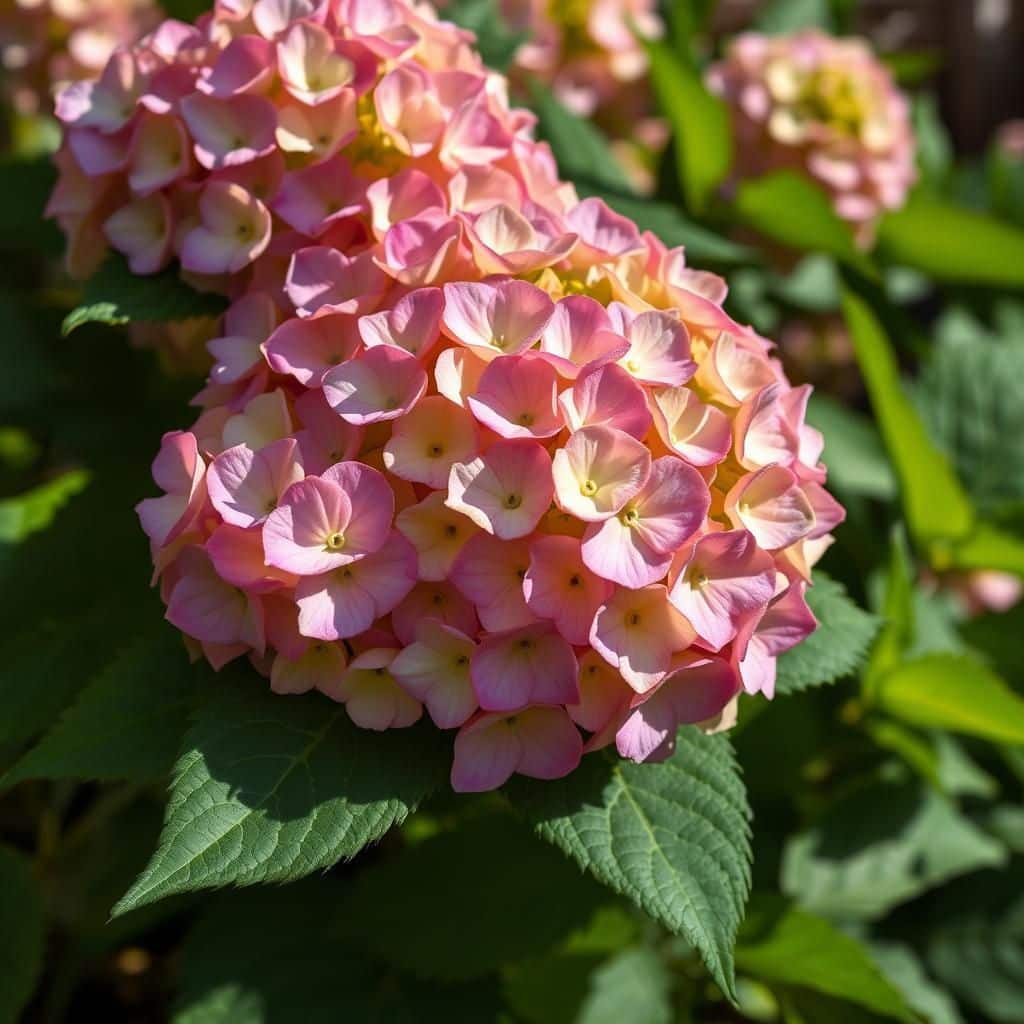
Hydrangeas are beloved for their stunning blooms and versatility in gardens, but understanding their light requirements is crucial for optimal growth, especially in the diverse climates of Australia. This guide explores whether hydrangeas thrive better in sun or shade, taking into account regional variations and specific species needs. By assessing factors such as soil type, climate conditions, and local weather patterns, gardeners can cultivate these beautiful flowers effectively. Whether you're a seasoned gardener or a budding enthusiast, this article will provide the insights needed to ensure your hydrangeas flourish in their ideal environment.
Do Hydrangeas Prefer Sun or Shade in Australia?
Hydrangeas are known for their stunning flowers and are a popular choice among gardeners in Australia. In general, hydrangeas thrive in a moderate environment, preferring partial shade rather than full sun. While some varieties can tolerate full sun, they are most productive and vibrant when they receive morning sun and afternoon shade. This protection from the hot Australian sun helps prevent leaf scorch and promotes healthier growth. Therefore, positioning hydrangeas in a spot where they can enjoy some light shade during the hottest parts of the day is essential for optimal flowering and foliage.
Understanding Hydrangea Varieties
Different varieties of hydrangeas have unique light preferences. For example, the Hydrangea macrophylla, commonly known as mophead hydrangea, generally does better in shade as it is more susceptible to the heat. In contrast, the Hydrangea paniculata can handle more sun and often performs well in sunnier spots of the garden. Choosing the right variety for the specific conditions in your garden is crucial to their success.
Climate Considerations in Australia
Australia's diverse climate zones significantly impact where hydrangeas can thrive. In cooler regions, such as Tasmania, they can tolerate more sun, while in warmer areas, like Queensland, they are better suited to shaded locations to avoid the intense midday heat. It's essential to consider local climatic conditions when deciding on the planting location for hydrangeas.
Soil and Water Requirements
In addition to light preferences, hydrangeas have particular soil and water needs. They thrive in well-draining, moist soils that are rich in organic matter. Adequate watering is essential, especially during the hot Australian summers, but over-watering can lead to root rot. Creating a balance of sufficient moisture while ensuring good drainage will help maintain healthy hydrangeas.
Signs of Too Much Sun
If hydrangeas are exposed to too much direct sunlight, there are several signs to watch for. Leaf scorch, where the leaves develop brown edges and wilt, is a clear indicator of too much sun exposure. Additionally, flowers may become faded or burnt, especially in the heat of summer. Don’t hesitate to relocate your hydrangeas if you notice these symptoms, as they may need a bit more shade to flourish.
See also:
Best Practices for Planting
When planting hydrangeas in Australia, position them in a location that receives filtered sunlight. Under the canopy of larger trees or next to tall shrubs can be ideal, as they will receive morning sunlight and protection from the harsh afternoon rays. Make sure to also incorporate mulch around the base to retain moisture and regulate soil temperature, further enhancing their growth environment.
| Aspect | Sun | Shade |
|---|---|---|
| Hydrangea macrophylla | Minimal tolerance | Preferred |
| Hydrangea paniculata | Moderate tolerance | Does well in partial shade |
| Water Requirements | Frequent watering needed | Moist soil |
| Signs of Stress | Leaf scorch, faded flowers | Healthier foliage |
| Best Planting Practice | Filtered sunlight | Protection from heat |
Where is the best place to put a hydrangea?
:max_bytes(150000):strip_icc()/where-to-plant-hydrangea-GettyImages-2162702360-054c4ab69c2f47e08550491ec500bbde.jpg)
To determine the best place to put a hydrangea, consider various factors including sunlight, soil type, and moisture levels. Hydrangeas thrive in well-drained, nutrient-rich soil and typically prefer partial shade, although some varieties can tolerate more sun. It’s essential to assess your garden conditions carefully to ensure your hydrangeas flourish.
Understanding Sunlight Requirements
Hydrangeas generally prefer a mix of sunlight and shade. Direct morning sunlight is beneficial as it helps promote blooming, but intense afternoon sun can scorch the leaves in some species.
- Morning sun helps the plant establish without causing damage.
- Filtered light through taller trees can provide the right balance.
- Too much shade can limit blooming and lead to leggy growth.
Soil Conditions for Hydrangeas
The type of soil you plant your hydrangeas in is crucial for their overall health. They thrive in moist, well-drained soil rich in organic matter, which promotes deep rooting.
- Amend soil with compost to enhance nutrients.
- Check pH to ensure it favors the desired hydrangea color.
- Avoid heavy clay that holds too much water, potentially causing rot.
Moisture Levels
Hydrangeas demand consistent moisture, especially during the growing season. Ensuring they receive adequate water is essential to prevent wilting and maintain vibrancy.
See also:
- Mulch around the base to retain soil moisture.
- Water regularly, especially in dry periods to keep them hydrated.
- Avoid soggy soil as it can lead to root diseases.
Planting Location Considerations
The overall location in your garden influences its growth and health. Choose a spot that complements its sunlight and moisture needs while also fitting into your garden design.
- Near garden structures can offer some shade during peak sunlight.
- Avoid windy areas, as this can damage the blooms.
- Proximity to water sources can ensure easy access for watering.
Choosing the Right Variety
Different hydrangea varieties may have different preferences when it comes to placement. Knowing the specific type you're planting can help you meet its needs more effectively.
- Bigleaf hydrangeas prefer more shade to prevent wilting.
- Pee Gee hydrangeas can handle more sun exposure.
- Oakleaf varieties require well-drained soil and some shade.
Do hydrangeas do better in the shade or the sun?

Hydrangeas are popular flowering shrubs that are often sought after for their beautiful blooms. When it comes to determining whether hydrangeas do better in the shade or the sun, it’s crucial to consider the specific type of hydrangea, as different types may thrive under varying conditions. Generally, hydrangeas prefer partial shade, but some can adapt to full sun.
Most hydrangeas benefit from some shade, particularly in hotter climates. Intense sunlight can cause the leaves to scorch and the blooms to wilt, whereas a shady environment can help retain moisture and maintain the plant's health. Below are some key considerations about the light requirements for hydrangeas.
Understanding Light Conditions
Different hydrangea varieties have unique light requirements. Here’s a breakdown:
See also:
- Panicle Hydrangeas: These can thrive in full sun and tolerate hot temperatures.
- Bigleaf Hydrangeas: Prefer partial shade; too much sun can lead to leaf burn.
- Oakleaf Hydrangeas: They prefer more shade, especially in southern climates, benefiting from cooler temperatures.
The Importance of Soil Quality
The quality of the soil plays a significant role in how well hydrangeas thrive in sun or shade:
- Well-draining Soil: Essential for all hydrangeas regardless of light conditions to prevent root rot.
- Moisture Retention: Shady areas can retain moisture better, helping hydrangeas that prefer less direct sunlight.
- Soil pH: A slightly acidic to neutral pH level supports healthy growth; for most hydrangeas, an optimal level is between 6.0 and 6.5.
Effects of Temperature
Temperature can affect how hydrangeas respond to sunlight:
- Hot Climates: In warmer regions, hydrangeas benefit from afternoon shade to prevent heat stress.
- Cooler Regions: These can handle more sun exposure as the temperatures are less intense.
- Frost Concerns: Ensure protection from late frosts, particularly with plants that emerge early in spring.
Watering Needs
Hydrangeas have specific watering needs based on their light exposure:
- Full Sun Hydrangeas: Require more frequent watering, especially during dry spells.
- Partial Shade Hydrangeas: Generally need less water, as the shade can help retain moisture.
- Morning Watering: Ideal for all varieties, regardless of light conditions, to moisten the soil without promoting fungal diseases.
Identifying Stress in Hydrangeas
Recognizing signs of plant stress helps in adjusting care:
- Wilting Leaves: A sign of insufficient water or excessive sunlight exposure.
- Leaf Discoloration: Yellowing can indicate nutrient deficiencies or too much light.
- Reduced Flowering: Lack of blooms may signal improper light conditions affecting growth.
Questions from Our Readers
Do hydrangeas prefer sun or shade in Australia?
Hydrangeas generally thrive in partial shade in Australia. While they can tolerate some direct sun, especially in cooler regions, too much sun can lead to wilting and burnt leaves. Providing them with filtered sunlight or morning sun with afternoon shade is often the best option for their growth.
How much water do hydrangeas need in Australia?
In Australia, hydrangeas require consistent moisture to flourish, especially during the hot summer months. It is crucial to keep the soil evenly moist but not soggy. Regular watering, particularly during dry spells, will help maintain the plant's health and vibrant blooms.
See also:
What type of soil is best for hydrangeas in Australia?
Hydrangeas prefer well-draining loamy soil that retains some moisture. Incorporating organic matter like compost can improve soil quality and provide essential nutrients. Ensuring the soil has a slightly acidic pH can also enhance the color of the blooms, especially in varieties like blue hydrangeas.
When is the best time to prune hydrangeas in Australia?
The ideal time to prune hydrangeas in Australia is typically in late winter to early spring, just before new growth begins. Pruning at this time helps to shape the plant and encourages more robust blooms. However, it's essential to know the specific type of hydrangea you have, as some varieties require different pruning techniques.

If you want to read more articles like Do Hydrangeas Like Sun or Shade in Australia? A Guide to Optimal Growth Conditions, we recommend you check out our Landscaping category.
Leave a Reply
Related Articles