Do Greenhouse Heaters Use a Lot of Electricity? Understanding Energy Consumption and Efficiency
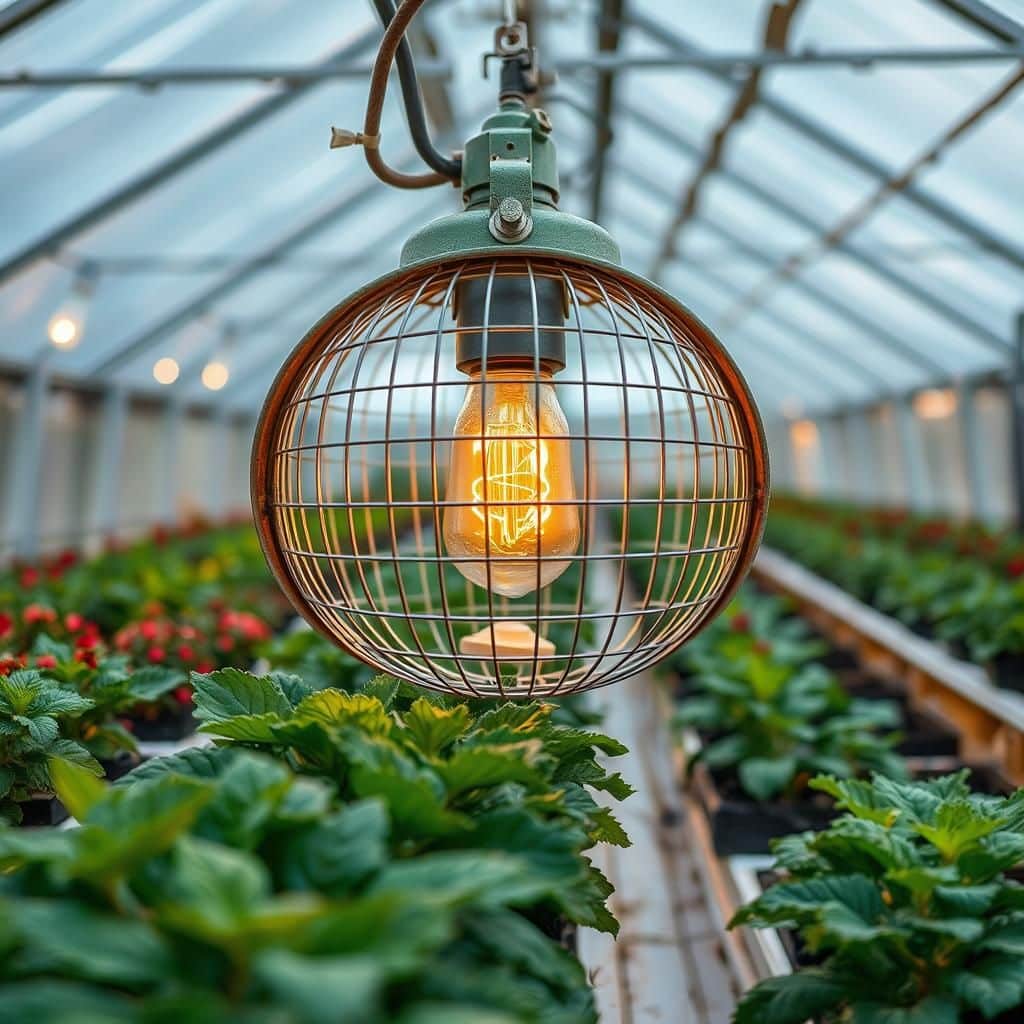
As the demand for sustainable practices grows, many greenhouse operators are exploring the energy efficiency of their heating systems. The question arises: do greenhouse heaters consume a significant amount of electricity? Understanding the factors that influence energy consumption is crucial for optimizing operational costs and minimizing environmental impact. This article delves into the various types of greenhouse heaters, their energy usage, and efficiency ratings, providing insight into how these systems can be both effective and cost-efficient. By examining these aspects, greenhouse owners can make informed decisions to enhance their sustainability while maintaining ideal growing conditions.
Do Greenhouse Heaters Consume a Significant Amount of Electricity?
The electricity consumption of greenhouse heaters largely depends on several factors, including the type of heater, the size of the greenhouse, and the external temperature conditions. Electric heaters, such as infrared or convection heaters, can utilize a substantial amount of power, particularly when attempting to maintain warmth in larger greenhouses during cold months. However, advancements in technology have led to more energy-efficient models that can help reduce electricity consumption while still providing adequate heat. Additionally, the duration of heater operation and insulation quality can also significantly influence overall energy use.
Types of Greenhouse Heaters
Different types of greenhouse heaters have varying levels of electricity consumption. Electric heaters are often preferred for their ability to maintain precise temperature control, but options like propane or natural gas heaters can use less electricity overall. Infrared heaters, while efficient in heating spaces quickly, may require more power to operate than other heating systems. Understanding the specific energy requirements of each type can guide greenhouse owners in making informed decisions regarding their heating solutions.
Factors Influencing Electricity Usage
Several factors influence how much electricity a greenhouse heater will use. The size and layout of the greenhouse play a critical role in determining heating needs. Larger greenhouses will require more powerful systems to maintain the desired temperature, leading to higher energy consumption. External temperatures also significantly affect how long the heater must operate; on particularly cold days, heaters will run continuously, causing increased electricity bills. Lastly, the insulation quality of the greenhouse can enhance or diminish heating efficiency.
Energy Efficiency of Heaters
The energy efficiency of greenhouse heaters varies widely. Models are given an efficiency rating based on how much energy they convert to heat versus what is wasted. High-efficiency heaters typically feature better insulation and advanced technology, which minimize energy usage and maintain temperatures more effectively. Greenhouse owners should look for heaters with high efficiency ratings to ensure they are not using more electricity than necessary, ultimately leading to savings on energy bills.
See also:
Operational Duration and Costs
The operational duration of greenhouse heaters directly impacts electricity consumption and costs. During particularly cold weather, heaters may need to run for extended periods, substantially increasing power consumption. Calculating the average number of hours the heater operates and multiplying by its wattage can provide a rough estimate of daily energy usage. Understanding these dynamics allows greenhouse owners to budget for heating costs and evaluate if switching to more energy-efficient solutions could provide substantial long-term savings.
Comparison of Electric vs. Alternative Heating Methods
A comparison between electric heaters and alternative heating methods, such as gas or wood-based systems, can reveal much about electricity usage. While electric heaters offer precise temperature control, they can be more expensive in terms of operating costs compared to gas heaters, which may have lower fuel costs. Additionally, electric systems often contribute to higher overall electricity consumption, especially in larger operations. By carefully weighing the pros and cons of each method, greenhouse owners can make strategic choices that align with their operational goals.
| Heating Method | Electricity Consumption | Efficiency | Operational Cost |
|---|---|---|---|
| Electric Heater | High | Varies | Higher |
| Gas Heater | Low | Generally High | Lower |
| Wood Heater | Variable | Moderate | Moderate |
Evaluating Different Types of Greenhouse Heaters for Energy Efficiency
When considering greenhouse heaters, it's essential to understand their energy consumption in relation to their efficiency. Various types of heaters, such as electric, gas, and propane, operate on different principles that significantly affect their electricity usage. Electric heaters are generally seen as more expensive to run than gas or propane alternatives due to the higher cost of electricity, but they can offer precise temperature control and are easier to install. The overall energy consumption not only depends on the type of heater but also on the climate, the size of the greenhouse, and the specific heating requirements for the plants being grown. It is crucial to analyze these factors to determine the most cost-effective and efficient heating solution for your greenhouse.
Understanding Electric Greenhouse Heaters
Electric greenhouse heaters primarily utilize resistive heating to generate warmth. While they are effective, the cost of electricity can lead to high operating expenses, especially in larger setups. These heaters are often praised for their ease of use and precise temperature control, making them suitable for delicate plants requiring stable conditions.
Comparing Gas and Propane Heaters
Gas and propane heaters typically have lower operating costs compared to electric heaters due to the comparatively inexpensive nature of natural gas and propane. They generally provide faster heating, allowing for quick regulation of greenhouse temperatures. However, initial setup and maintenance may be more complex than that of electric heaters, as they require proper ventilation and safety measures.
See also:
The Role of Insulation in Energy Efficiency
Proper insulation in a greenhouse is critical for maximizing energy efficiency regardless of the heating system used. Insulation minimizes heat loss during the night and in colder weather, thereby reducing the overall energy consumption of any heating system. Investing in high-quality insulation can lead to significant savings on heating costs over time.
Impact of Climate on Heating Requirements
The climate plays a vital role in determining the energy consumption of greenhouse heaters. In colder climates, heaters need to work harder to maintain optimal temperatures, leading to increased energy usage. Conversely, in mild climates, the warmth required may be less intense, allowing heaters to operate more efficiently and with lower electricity demands.
Strategies for Reducing Energy Consumption
There are several strategies to reduce energy consumption in greenhouses, such as using thermostats to manage temperature effectively, implementing heat recovery systems, and using supplementary solar heating for daytime warmth. These practices can significantly enhance the energy efficiency of any heating system, ultimately leading to reduced operational costs and a smaller carbon footprint.
Questions from Our Readers
Do greenhouse heaters use a lot of electricity?
Greenhouse heaters can vary significantly in their electricity consumption depending on the type and size of the heater, as well as the specific requirements of the greenhouse environment. Generally, electric heaters are less efficient than other heating options like gas, but they still provide effective heating for small to medium greenhouses.
What factors influence the electricity usage of greenhouse heaters?
Several factors can influence electricity usage in greenhouse heaters, including the size of the greenhouse, the type of plants being grown, the local climate, and the heater's efficiency rating. Additionally, insulation and ventilation also play crucial roles in determining overall energy consumption.
See also:
Are there energy-efficient options for greenhouse heating?
Yes, there are energy-efficient heating solutions available for greenhouses, such as thermal mass heating, which uses materials that can retain heat, and infrared heaters, which can provide direct heat to plants without excessive energy use. Incorporating these options can help reduce overall energy costs.
Can I reduce the electricity cost of running a greenhouse heater?
To reduce the electricity cost of running a greenhouse heater, consider using a combination of insulation techniques, programmable thermostats, and energy-efficient plants suited to your climate. Additionally, maintaining the heater in good condition ensures it operates at optimal efficiency, which can lead to lower energy bills.

If you want to read more articles like Do Greenhouse Heaters Use a Lot of Electricity? Understanding Energy Consumption and Efficiency, we recommend you check out our Greenhouse category.
Leave a Reply
Related Articles