Do Bougainvillea Do Better in Pots or Ground? Expert Tips for Optimal Growth
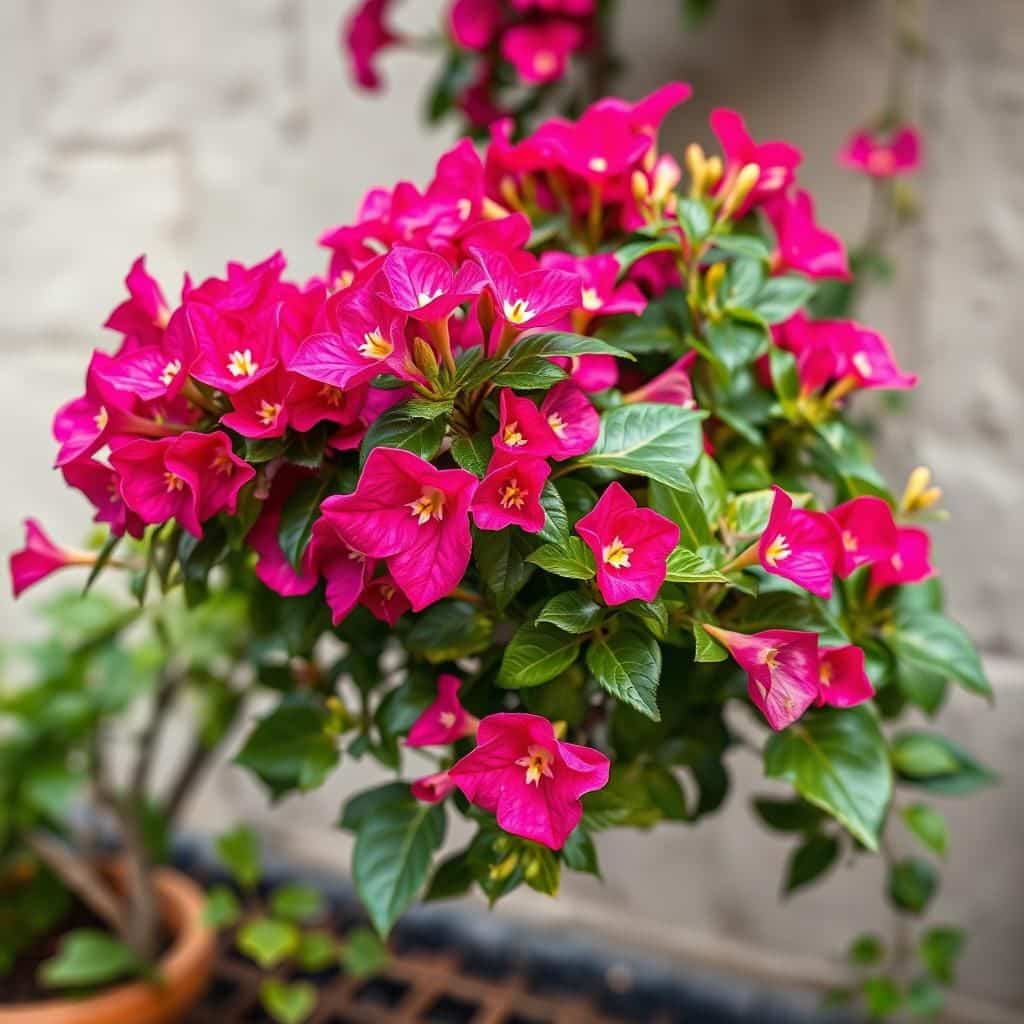
Bougainvillea, with its vibrant colors and hardy nature, is a popular choice for gardeners looking to add a splash of beauty to their spaces. However, the choice between planting bougainvillea in pots or directly in the ground can significantly impact its growth and overall health. In this article, we will explore the advantages and disadvantages of each planting method, providing expert tips for optimal growth. Whether you're a seasoned gardener or a novice enthusiast, understanding the best practices for cultivating bougainvillea will help you create a stunning and thriving display in your garden or patio.
Do Bougainvillea Thrive Better in Pots or Ground?
Bougainvillea plants can flourish in both pots and ground, but their performance often depends on various factors such as climate, soil quality, and overall maintenance practices. In pots, bougainvilleas offer the advantage of mobility and controlled growth, making it easier to manage their exposure to sunlight and protect them from extreme weather conditions. However, when planted in the ground, they generally have access to a larger root zone, which can support more vigorous growth and flowering due to the abundant nutrients and water available in garden soil. Ultimately, the choice depends on the gardener’s preferences and local environmental conditions.
Advantages of Growing Bougainvillea in Pots
Growing bougainvillea in pots allows for increased flexibility in location and easier maintenance. This method is beneficial in regions where the seasons change dramatically, as plants can be moved indoors or to sheltered locations during extreme weather. Additionally, potting soils can be specially formulated to provide optimal drainage and nutrient content, which can lead to healthier plants. Pots also constrain root growth, enabling some gardeners to manage the plant's size effectively, which is particularly desirable for those with limited space.
Advantages of Growing Bougainvillea in the Ground
When planted in the ground, bougainvillea can develop more extensive root systems, allowing them to access additional nutrients and moisture. This often results in larger and more prolific blooms compared to those grown in pots. Moreover, plants in the ground are generally more resilient to fluctuating temperatures and wind, as the earth provides a more stable microenvironment. However, this method requires careful consideration of soil quality and proper site selection to ensure the plants receive adequate sunlight and good drainage.
Considerations for Soil Type
The soil type plays a critical role in the success of bougainvillea, whether in pots or in the ground. Well-draining soil is essential to prevent root rot and ensure healthy growth. In pots, using a potting mix that includes perlite or sand can help create the right drainage environment. In contrast, garden soil should be amended with organic matter to enhance drainage and nutrient retention. Conducting a soil test can provide essential information regarding pH and nutrient levels, enabling better decisions for planting and amendments.
Maintenance Requirements for Potted Bougainvillea
Potted bougainvillea requires regular monitoring of water levels, as pots can dry out more rapidly than garden beds. During the growing season, they benefit from frequent fertilization with a balanced fertilizer that encourages flowering. Additionally, pruning is crucial to maintain shape and promote bushier growth. It’s also important to be vigilant for pests and other issues, as containers can harbor issues faster due to their enclosed nature. Proper care in pots can lead to vibrant and healthier plants.
Maintenance Requirements for Ground-Planted Bougainvillea
Bougainvillea planted in the ground generally requires less frequent watering once established, as their roots can reach deeper into the soil, accessing moisture and nutrients. However, they still need to be pruned to manage their growth and encourage flowering. Garden plants may also be subject to weeds, which can sap resources, so regular weeding and mulching can improve their overall health. It's important to monitor drainage and soil conditions continuously to ensure their long-term success and visual appeal.
| Consideration | Pots | Ground |
|---|---|---|
| Mobility | High | Low |
| Root Space | Limited | Extensive |
| Watering Frequency | Frequent | Less Frequent |
| Sunlight Access | Can be Managed | Depends on Location |
| Growth Size | Controlled | Natural |
What is the best placement for bougainvillea?
:strip_icc()/pink-flowers-barn-door-72d0893c-54bc62035bcd441897b9f910055fb6a7.jpg)
The best placement for bougainvillea is crucial for achieving vibrant blooms and healthy growth. These plants flourish in specific conditions, so understanding their needs can help you maximize their potential. Here’s a comprehensive guide detailing the best placement for bougainvillea:
Sunlight Requirements
Bougainvillea thrives in direct sunlight, needing at least 5 to 6 hours of full sun daily. Insufficient sunlight can lead to poor flowering and leggy growth. When selecting a placement, consider the following:
- Ensure the location receives ample morning and afternoon sunshine.
- Avoid shaded areas, especially those surrounded by taller plants or buildings.
- Monitor seasonal sun patterns to identify the best spots for growth.
Soil Conditions
The soil in which bougainvillea is planted significantly influences its health. They prefer well-draining soil rich in organic matter. Key considerations include:
- Opt for a soil mix that includes perlite or sand to enhance drainage.
- Avoid overly compacted or clay-heavy soils that retain too much moisture.
- Incorporate compost to nourish the soil while promoting drainage.
Temperature Preferences
Bougainvillea is best suited for warm climates. They thrive in temperatures ranging from 65°F to 100°F (18°C to 38°C). When choosing a location, keep in mind:
- Find a spot that is protected from extreme cold or frost.
- Avoid placing them in areas prone to strong, cold winds.
- Monitor climate conditions consistently to adapt their placement according to seasonal shifts.
Space and Support
Bougainvillea can grow quite large and may need support to prevent sprawling. Proper placement involves considering:
See also:
- Choose a location with enough space for the plant to expand without crowding.
- Support structures like trellises or fences can direct growth and encourage fuller blooms.
- Position them where they can climb or spread out effectively, enhancing visual aesthetics.
Watering Needs
Understanding the watering needs of bougainvillea is essential when determining placement. These plants prefer a drier environment. Aspects to consider include:
- Place them in a spot where they can dry out quickly after watering.
- Avoid low-lying areas where water tends to accumulate after rain.
- Implement a watering schedule based on seasonal weather variations to avoid overwatering.
Do plants grow better in pots or in the ground?
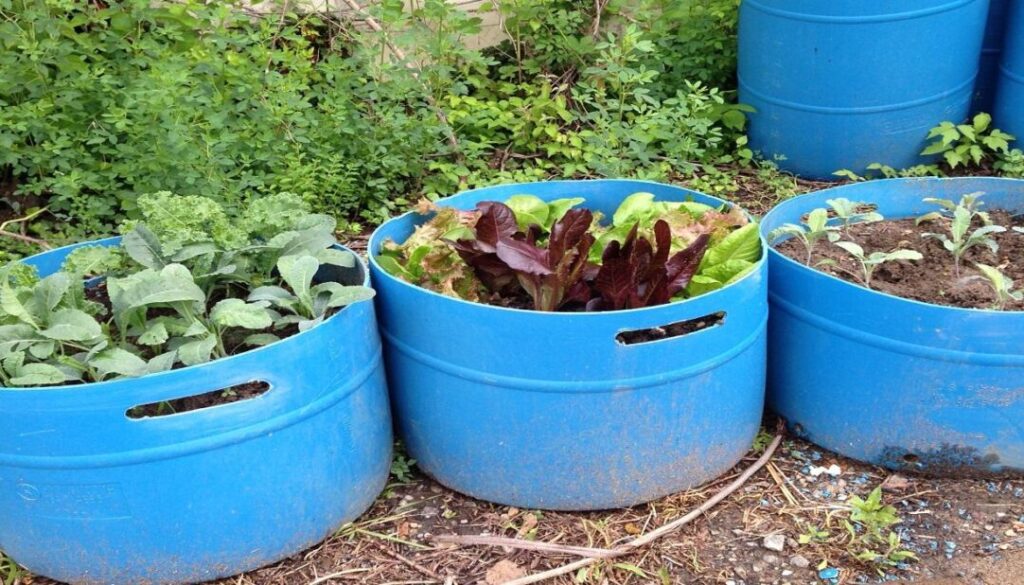
Plants have varying growth responses depending on whether they are grown in pots or in the ground. Each method has its advantages and disadvantages, which can affect plant health, growth rate, and even yield. The decision on where to plant is influenced by several factors including the type of plant, climate, and available resources.
Advantages of Growing Plants in Pots
Growing plants in pots offers several benefits that make this method attractive to many gardeners.
- Mobility: Pots can be easily moved to optimize light exposure, protect plants from harsh weather, or simply enhance garden aesthetics.
- Controlled Environment: Containers allow for control over soil composition, drainage, and moisture levels, which can lead to healthier plants.
- Pest Management: Growing in pots can minimize soil-borne pests and diseases, providing a more hygienic environment for plants.
Limitations of Growing Plants in Pots
While there are advantages, there are also notable limitations that should be considered when growing plants in pots.
- Limited Space: Pots restrict root growth due to limited soil volume, which can hinder overall plant development and nutrient absorption.
- Watering Needs: Container plants require more frequent watering because pots can dry out more quickly than garden soil.
- Temperature Fluctuations: The soil in pots often experiences greater temperature changes, which can stress plants.
Advantages of Growing Plants in the Ground
Planting directly in the ground provides numerous advantages that contribute to robust plant health and growth.
- Root Expansion: Plants can develop extensive root systems, allowing for better nutrient and water absorption.
- Natural Ecosystem: In-ground plants benefit from a rich diversity of microorganisms and natural soil composition, fostering growth.
- Less Frequent Watering: Ground soil retains moisture for a longer time, reducing the frequency of watering required.
Limitations of Growing Plants in the Ground
Despite the numerous advantages, growing plants in the ground also has its challenges.
- Pest and Disease Exposure: Soil-borne pests and diseases can significantly affect plants grown in the ground, potentially leading to crop losses.
- Soil Quality Variability: The inherent soil composition may not be suitable for all plants, requiring adjustments or amendments to improve fertility.
- Less Mobility: Once planted, moving flowers or vegetables to another location can be labor-intensive or impossible.
Factors Influencing Plant Growth in Pots vs. Ground
Several factors can influence whether plants grow better in pots or in the ground, making it essential to assess each scenario carefully.
- Plant Type: Certain plants thrive better in one environment over another, depending on their root structure and growth habits.
- Climate: Local climate conditions, including temperature and humidity, can favor one method over the other.
- Gardening Goals: The intention behind gardening—whether for aesthetics, food production, or otherwise—plays a role in the choice of growing method.
What is the downside of bougainvillea?
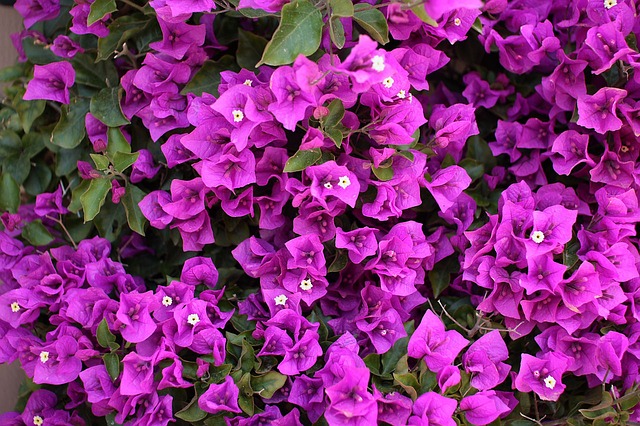
Bougainvillea is a popular ornamental plant known for its vibrant flowers and vigorous growth. However, it has several downsides that gardeners and homeowners should consider before planting. Below are some of the key drawbacks associated with bougainvillea.
Invasive Growth
Bougainvillea can grow very rapidly, sometimes leading to invasive behavior in certain environments. This can create challenges for gardeners as it may encroach on neighboring plants and overwhelm garden spaces.
- Rapid growth can lead to crowded garden areas.
- May require regular pruning to maintain control.
- Can overtake native plants, impacting local ecosystems.
Thorns and Skin Irritation
Bougainvillea typically features sharp thorns, which can pose a risk to anyone working nearby. Additionally, the sap of the plant can cause skin irritation in some individuals, making it less suitable for families with children or pets.
- Thorns can cause injuries during garden maintenance.
- Skin irritation from sap may require medical attention.
- Extra caution is needed when pruning or handling the plant.
Water Requirements
While bougainvillea is relatively drought-tolerant once established, it requires consistent watering during its initial growth phase. Overwatering can lead to root rot, making proper care essential.
See also:
- Initial growth phase requires regular watering.
- Overwatering can cause serious damage to the plant.
- Not suitable for areas with poor drainage.
Seasonal Blooming
Bougainvillea primarily blooms in specific seasons, usually in the warmer months. This seasonal blooming can be a downside for those who desire year-round color in their gardens.
- Flowers may only appear during summer and fall.
- Limited color during winter months can be disappointing.
- Requires specific conditions to thrive and bloom effectively.
Maintenance Requirements
Bougainvillea, while hardy, does require regular maintenance to keep it healthy and looking its best. This includes pruning, pest management, and periodic fertilization.
- Regular pruning is necessary to maintain shape and health.
- Pest infestations can occur if not monitored closely.
- Using fertilizers can enhance growth but requires careful management.
Can bougainvillea grow along the ground?
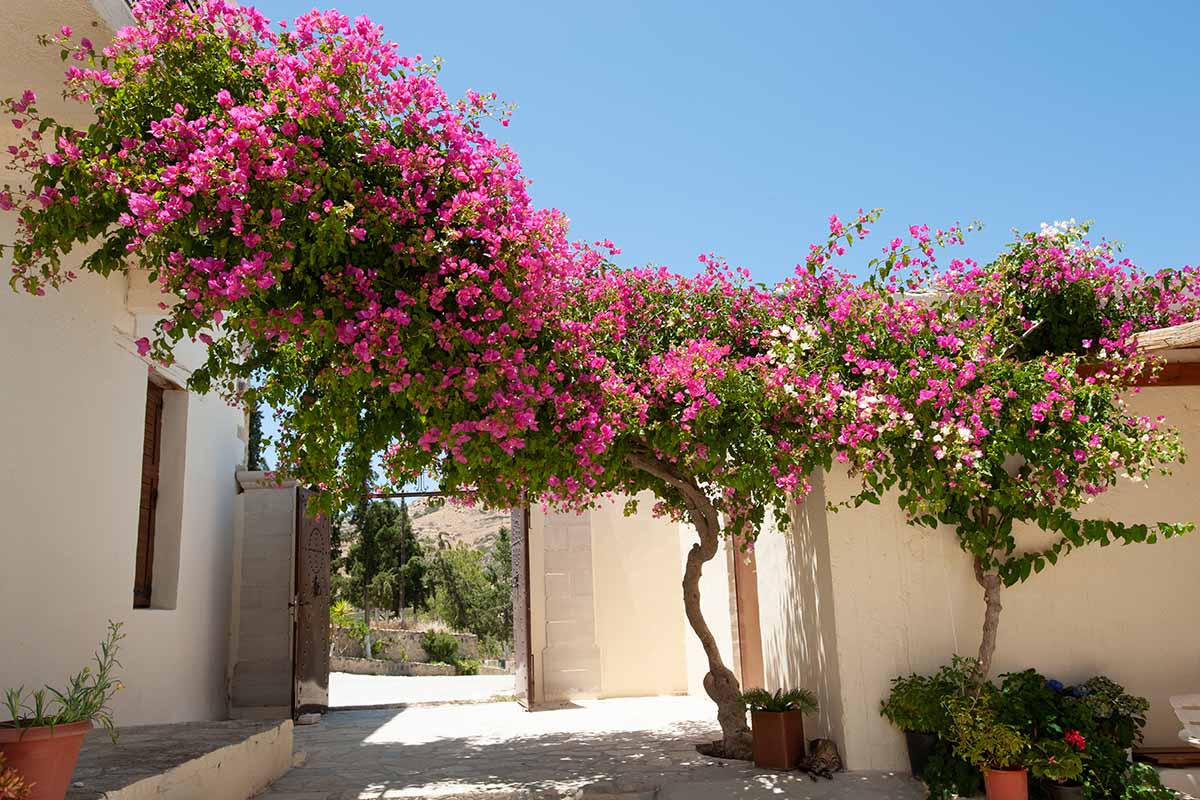
Bougainvillea is primarily known as a climbing or trailing plant, but it can also grow along the ground under certain conditions. This behavior generally depends on the species, environmental factors, and garden design. While bougainvillea tends to thrive when climbing on structures or trellises, it can spread out horizontally and create colorful ground cover. Here’s a more detailed exploration of this topic.
Understanding Bougainvillea Growth Habits
Bougainvillea is a tropical plant that typically grows as a vine or shrub. However, when planted in suitable conditions, it can exhibit ground cover behavior. The key characteristics of bougainvillea that allow it to grow along the ground include:
- Flexibility: Bougainvillea stems are flexible and can be trained to grow low to the ground.
- Propagation: The plant can produce new roots along its stems when they touch the soil, allowing it to establish itself in new areas.
- Varietal Differences: Some species or cultivars are more likely to grow as ground cover compared to others.
Optimal Conditions for Ground Growth
For bougainvillea to thrive when growing along the ground, certain environmental conditions must be met. These include:
- Sunlight: Bougainvillea requires full sun—at least six hours of direct sunlight daily—to encourage healthy growth.
- Soil Type: Well-draining soil is critical. Sandy loam or a mix that allows for good drainage will help prevent root rot.
- Watering Schedule: Although drought-tolerant, consistent watering is essential during establishment to support growth.
Ground Cover Benefits
Growing bougainvillea along the ground can offer several advantages, particularly in garden design. These benefits include:
- Visual Appeal: Bougainvillea's vibrant flowers can create a stunning landscape when utilized as ground cover.
- Weed Suppression: A dense layer of bougainvillea can help suppress weeds, reducing the need for herbicides.
- Soil Erosion Control: Spreading bougainvillea can help prevent soil erosion on slopes or embankments.
Maintenance of Ground-Grown Bougainvillea
Caring for bougainvillea that is growing along the ground requires some attention to maintain its health and aesthetics. Key maintenance practices include:
- Pruning: Regular pruning helps control growth and encourages more vibrant blooms.
- Fertilization: Applying a balanced fertilizer during the growing season promotes lush foliage and vibrant flowers.
- Pest Management: Monitor for pests that may invade ground-level growth, such as aphids or spider mites.
Potential Challenges
While growing bougainvillea along the ground can be rewarding, it may also present certain challenges. Some common issues include:
- Overgrowth: Bougainvillea can become invasive if not managed properly, spreading beyond intended areas.
- Fungal Diseases: Excess moisture can lead to fungal issues, especially if the plant is not adequately spaced.
- Limited Flowering: If not pruned or trained correctly, the ground cover might produce fewer flowers compared to trained vines.
Questions from Our Readers
Do bougainvillea grow better in pots or in the ground?
Bougainvillea generally do better when planted in the ground rather than in pots. This is because they have a vigorous root system that benefits from the space and nutrients available in the soil. However, growing them in pots can be advantageous in environments with harsh winters, as it allows for easier relocation during cold months.
What are the benefits of growing bougainvillea in pots?
Growing bougainvillea in pots offers several advantages, including portability, allowing you to move them based on light and weather conditions. Additionally, pots can help control the plant’s size, making it suitable for smaller spaces like balconies or patios, while also providing better drainage to prevent root rot in heavy soils.
Are there specific pot types recommended for bougainvillea?
Yes, it’s important to choose pots that are well-draining to promote healthy growth. Look for containers made from materials like terra cotta or those with drainage holes. Also, ensure the pot is large enough to accommodate the root system but not overly spacious, as bougainvillea prefer a slight root confinement to encourage blooming.
How often should I water bougainvillea in pots?
Bougainvillea in pots typically require more frequent watering than those in the ground, especially during hot, dry conditions. It's essential to allow the top inch of the soil to dry out between waterings, as these plants do not thrive in overly wet conditions. Adjust your watering schedule based on the pot material and environmental factors like temperature and humidity.
See also:

If you want to read more articles like Do Bougainvillea Do Better in Pots or Ground? Expert Tips for Optimal Growth, we recommend you check out our Pots category.
Leave a Reply
Related Articles