Understanding the Difference Between Geranium and Pelargonium: Key Distinctions Explained
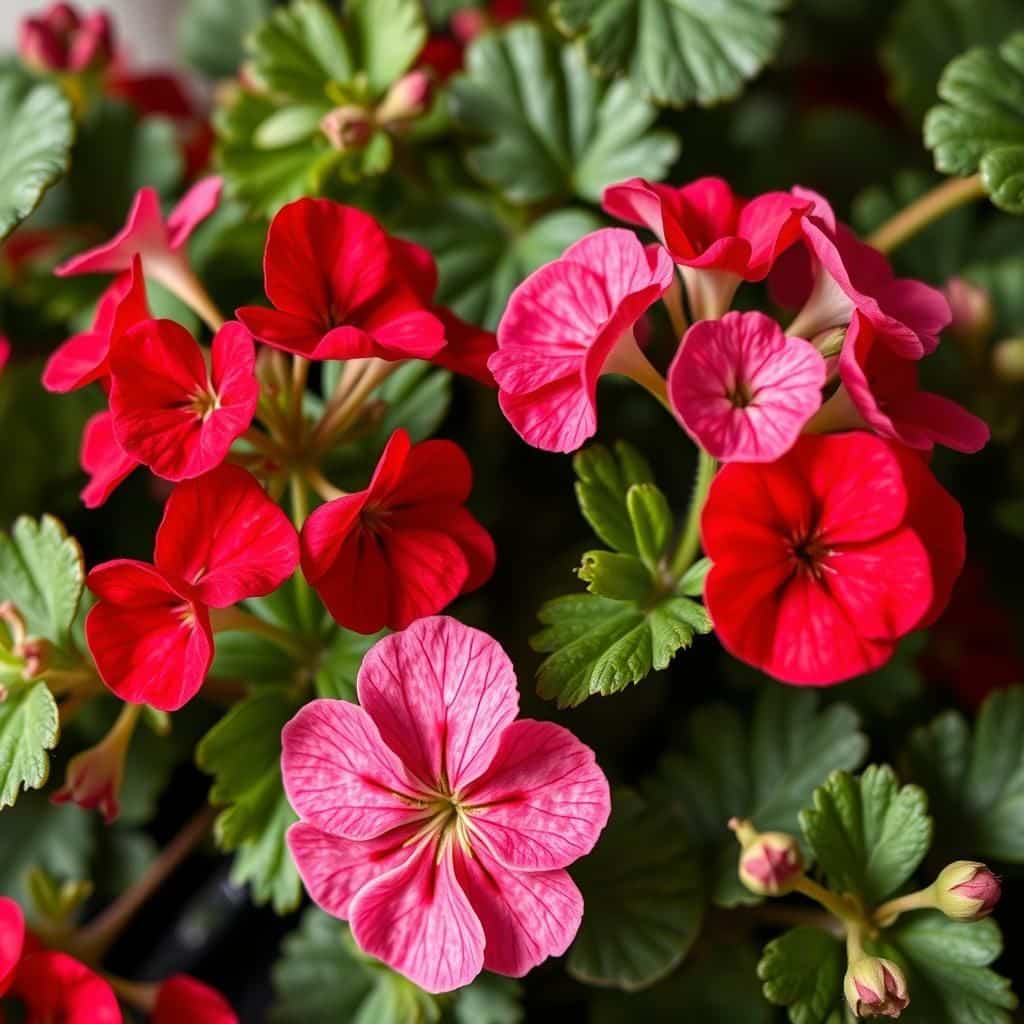
When it comes to gardening and plant care, the terms geranium and pelargonium often create confusion among enthusiasts. Although they are commonly used interchangeably, these two plants belong to different genera and possess distinct characteristics that set them apart. Understanding their key distinctions is essential for proper cultivation and appreciation of each species. In this article, we will delve into the fundamental differences between geraniums and pelargoniums, exploring their unique traits, growth habits, and optimal care requirements, thereby helping you make informed decisions for your garden or indoor plant collection.
Understanding the Difference Between Geranium and Pelargonium
The terms Geranium and Pelargonium are often used interchangeably, but they refer to two distinct genera of flowering plants. Geranium, also known as true geraniums, belongs to the family Geraniaceae and is characterized by its rounded leaves and small, delicate flowers. On the other hand, Pelargonium, which is commonly referred to simply as geranium in horticulture, features more diverse leaf shapes, vibrant flower colors, and a less hardy constitution. These differences extend to their growing conditions, with Geraniums typically thriving in well-drained soil and cooler climates, while Pelargoniums prefer warmer temperatures and can often be found in gardens as annuals or perennials, depending on the species and local climate.
Botanical Classification
Geranium and Pelargonium are classified under the family Geraniaceae; however, they belong to different genera. Geranium is the genus that includes over 400 species commonly found in temperate regions, while Pelargonium comprises around 200 species largely native to South Africa. The significant difference in their genetic backgrounds underlines why they exhibit different features and growing behaviors.
Leaf Structure Differences
One of the most noticeable differences between Geranium and Pelargonium is the leaf structure. Geraniums generally have rounded leaves that are slightly hairy and may bear a resemblance to maple leaves, while Pelargoniums can have leaves that are crinkled, zig-zagged, or even deeply lobed, featuring a much broader variety of shapes. This diversity not only affects their aesthetic appeal but also their adaptability to various environments.
Flower Characteristics
When it comes to flower characteristics, Geraniums usually produce smaller flowers in shades of blue, pink, or white, often with a simpler structure, while Pelargoniums showcase a broad spectrum of vivid colors and often feature ruffled petals with markings, making them more popular in garden displays. The differences in flower structure and color contribute significantly to their classification, usage, and popularity among gardeners.
Growing Conditions
Geraniums and Pelargoniums also differ in their growing conditions. Geraniums prefer well-drained soil and can grow in a range of light conditions but are more tolerant to cooler temperatures. In contrast, Pelargoniums thrive in warmer climates and require well-watered but well-drained soil to prevent root rot. They are often grown as houseplants or in warmer gardens, blooming extensively in summer.
Cultural Uses
The cultural uses of Geraniums and Pelargoniums vary significantly. Geraniums are commonly used in gardens and natural landscapes for their hardiness and ability to attract pollinators, while Pelargoniums, particularly scented varieties, are often used in potpourris, essential oils, and even medicinal applications due to their diverse uses. Their functionalities influence how they are cultivated and marketed in the floral industry.
| Aspect | Geranium | Pelargonium |
|---|---|---|
| Classification | Genus: Geranium | Genus: Pelargonium |
| Leaf Structure | Rounded, hairy leaves | Diverse shapes, crinkled or lobed |
| Flower Characteristics | Smaller, simpler flowers | Bigger, vibrantly colored flowers |
| Growing Conditions | Well-drained soil, cooler climates | Requires warmer climates, well-drained soil |
| Cultural Uses | Attracts pollinators, landscaping | Essential oils, medicinal uses |
How to tell the difference between a geranium and a Pelargonium?

To differentiate between a geranium and a Pelargonium, it is essential to understand the botanical classifications and characteristics of both plants. Although commonly confused due to their similar names and appearances, they belong to different genera and have distinct features.
Botanical Classification
The botanical classification helps in understanding the distinction at a scientific level.
- Geranium: This genus belongs to the family Geraniaceae and is widely known as the true geranium.
- Pelargonium: Also part of the family Geraniaceae, it represents a separate genus often referred to as zonal geraniums or scented geraniums.
- Origin: Geraniums are native mostly to the Northern Hemisphere, while Pelargoniums are primarily from South Africa.
Leaf Shape and Texture
The leaves are one of the easiest ways to tell the two apart.
See also:
- Geranium Leaves: These tend to be rounded, with a more palmate (hand-like) structure and have a smoother texture.
- Pelargonium Leaves: On the other hand, they often feature jagged edges, a slightly waxy surface, and can exhibit a wider variety of shapes, including deeply lobed or scalloped.
- Fragrance: Some Pelargoniums, particularly scented ones, have aromatic leaves, adding another differentiating factor.
Flower Characteristics
Flowers play a key role in distinguishing geraniums from Pelargoniums.
- Geranium Flowers: They generally have five petals that are often uniform in size.
- Pelargonium Flowers: These usually have asymmetrical flowers with two petals larger than the other three, exhibiting a broader range of colors and patterns.
- Flower Arrangement: While geraniums tend to have more simple flower arrangements, Pelargoniums often produce denser flower clusters.
Growth Habit and Structure
Observing the growth habit can offer significant clues.
- Grow Style: Geraniums typically grow upright and can be more robust, often forming bushier clumps.
- Pelargonium Growth: These plants tend to have a more sprawling or trailing growth habit, especially in varieties designed for hanging baskets.
- Height: Geraniums may grow taller, whereas Pelargoniums are often shorter and bushier.
Cultural Requirements
Knowing the care needs can help in proper identification and management.
- Geranium Care: Generally, they thrive in cool to moderate temperatures and require moist soil.
- Pelargonium Care: These plants prefer warm temperatures and can tolerate dryer conditions, often needing less frequent watering.
- Light Requirements: Pelargoniums tend to prefer full sun, while geraniums can do well in partial shade, making their environmental needs distinct.
Why are geraniums now called pelargoniums?
The reason why geraniums are now commonly referred to as pelargoniums relates to the taxonomy and classification of these plants. Historically, the terms geranium and pelargonium were often used interchangeably, leading to confusion in horticulture and botany. However, developments in plant classification have clarified that these two groups belong to different genera within the family Geraniaceae.
Pelargoniums belong to the genus Pelargonium, which includes a wide variety of species and hybrids used in gardens and containers. On the other hand, true geraniums belong to the genus Geranium, which are often known as cranesbills due to the unique shape of their seed pods. Over time, taxonomists have emphasized the need for precise terminology to prevent misunderstandings among enthusiasts, gardeners, and scientists alike.
Taxonomic Reclassification
The shift from using geranium to pelargonium can be attributed to a more rigorous understanding of plant relationships. Various physical and genetic characteristics have been used to differentiate these genera more clearly. Important reclassifications include:
- Genetic analysis: Advances in molecular biology have revealed distinct genetic differences between the two groups.
- Morphological traits: Pelargoniums typically have a more diverse range of flower shapes and colors compared to true geraniums.
- Geographical origins: Many Pelargonium species are native to South Africa, while Geraniums predominantly exist in the Northern Hemisphere.
Common Misunderstandings
The frequent use of geranium to describe pelargoniums has led to several misunderstandings in gardening and horticulture, which can create confusion for both new and experienced gardeners. Notable misunderstandings include:
- Species confusion: Many gardeners might accidentally purchase pelargoniums thinking they are geraniums, leading to mismatched care requirements.
- Care differences: Pelargoniums and true geraniums have differing needs in terms of sunlight, watering, and soil types.
- Term usage: The combined use of the two terms continues to mislead people, often diluting the education surrounding plant care.
Botanical Importance
The differentiation between geraniums and pelargoniums is not just a matter of semantics; it holds botanical importance as well. Recognizing the distinctions can help horticulturists and botanists in various ways:
- Research accuracy: Clear taxonomic definitions aid in accurate research and literature regarding specific plant traits and care.
- Conservation efforts: Understanding the distinct classifications helps in conservation strategies, particularly in protecting unique species.
- Educational clarity: Correct terminology enhances educational initiatives in botany, helping the public learn the nuances of plant taxonomy.
Cultivation Techniques
Proper identification of these plants leads to more effective cultivation techniques, directly influencing growth and health. Gardeners can better cater to the specific needs of each type by considering:
- Soil requirements: Pelargoniums typically prefer well-drained soils, while true geraniums thrive in richer, moisture-retaining soil.
- Watering practices: Overwatering can be detrimental to pelargoniums, whereas true geraniums can handle slightly wetter conditions.
- Pest management: Knowing which plant you are dealing with can help in targeting specific pest management strategies effectively.
Conclusion on Usage in Horticulture
The use of pelargonium over geranium has grown more prominent in horticultural circles due to the necessity for precise identification and care instructions. This shift in terminology impacts several aspects:
See also:
- Informed gardening: By using correct names, gardeners can make more informed choices about which plants best suit their gardens.
- Consumer trends: The industry responds to these terminological changes by providing more accurate labeling and care guides.
- Market dynamics: Understanding the differences can affect market demand and selection in nurseries and garden centers.
What is another name for a Pelargonium?
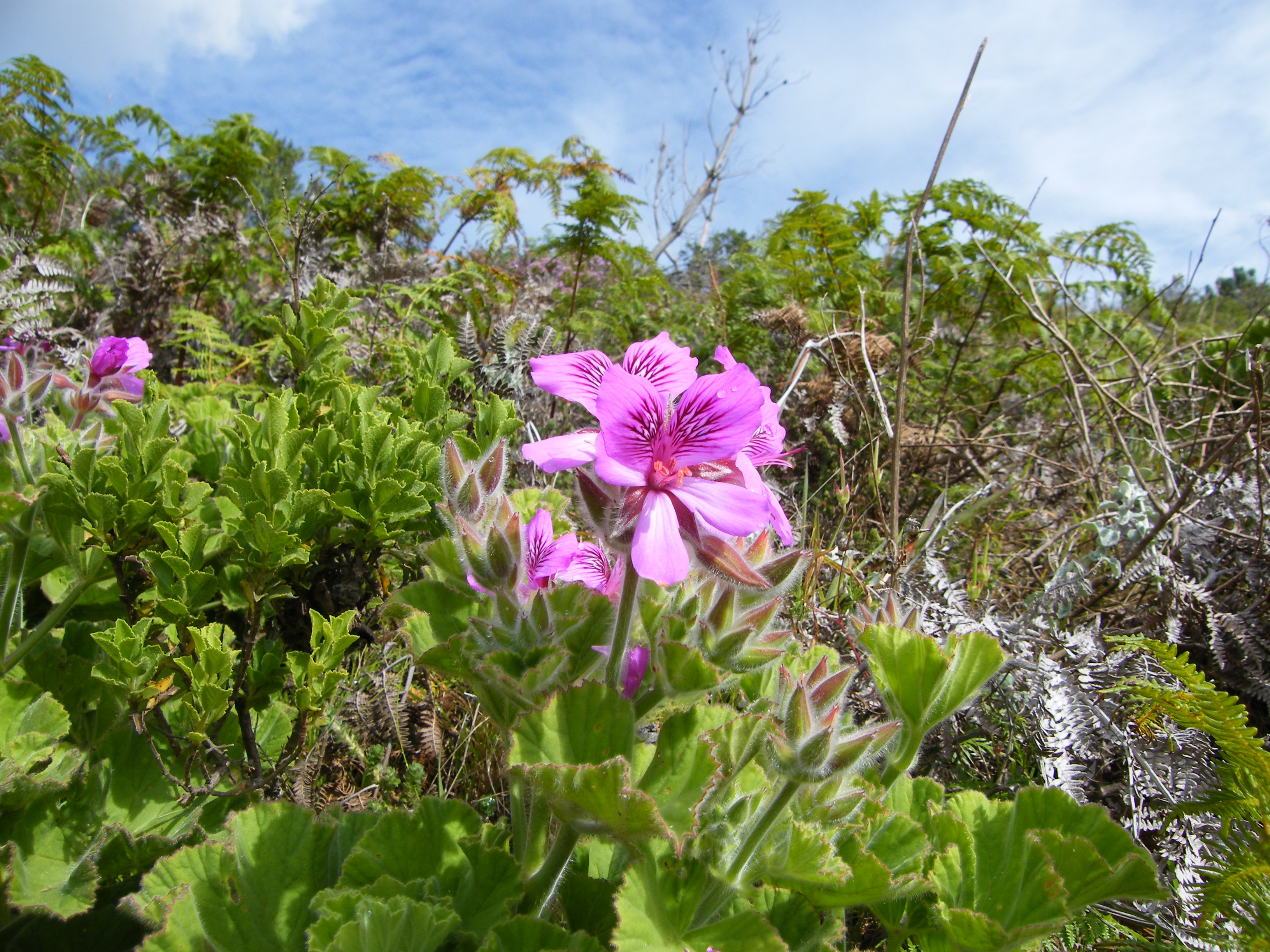
Pelargonium is commonly known as geranium. It is important to note that, while Pelargonium and Geranium belong to the same family (Geraniaceae), they are distinct genera. The name geranium is often used colloquially to refer to Pelargonium species, which can lead to some confusion in gardening and horticultural contexts.
Characteristics of Pelargonium
Pelargoniums are known for their vibrant flowers and diverse leaf shapes. They are popular in gardens and as houseplants. Here are some of their key characteristics:
- Flowers: They come in various colors, including pink, red, and white, often with striking patterns.
- Leaves: The leaves can be rounded, serrated, or even aromatic, depending on the species.
- Growth habit: They can be found as shrubs or trailing plants, making them versatile for different gardening styles.
Types of Pelargonium
There are several types of Pelargonium, each having unique traits and uses. Here are some notable types:
- Zonal Pelargonium: Known for their distinct zones of color on the leaves, they are commonly used in outdoor gardens.
- Trailing Pelargonium: Often used in hanging baskets due to their cascading growth habit.
- Scented-leaved Pelargonium: These plants release fragrant oils when brushed against, offering aromatherapy benefits.
Cultivation and Care of Pelargonium
Growing Pelargonium is relatively easy, as they are low-maintenance plants. Here are some tips for their care:
- Light: Pelargoniums thrive in bright, indirect sunlight and can tolerate direct sunlight for part of the day.
- Watering: Allow the soil to dry out between waterings, as overwatering can lead to root rot.
- Soil: A well-draining potting mix is ideal, often enhanced with sand or perlite for better drainage.
Uses of Pelargonium
Pelargoniums have several applications, both in ornamental gardening and practical uses. Some common uses include:
- Ornamental purposes: They are popular in landscapes and containers for their beauty and variety.
- Medicinal uses: Some species are used in traditional medicine for their antioxidant properties.
- Essential oils: Scented varieties are often used to extract oils for perfume and home fragrances.
Common Misconceptions about Pelargonium
There are various misconceptions surrounding Pelargonium, especially regarding their name and characteristics. Here are some clarifications:
- Confusion with Geranium: Many people mistakenly refer to Pelargonium as true geraniums, which can lead to misunderstandings.
- Hardiness: Some believe that all Pelargonium species are hardy, but many are tender and sensitive to cold.
- Perennial vs. Annual: While some Pelargonium varieties can survive year-round in warm climates, they are often treated as annuals in cooler regions.
Questions from Our Readers
What is the main difference between geranium and pelargonium?
Both geranium and pelargonium are part of the Geraniaceae family, but the primary difference is their botanical classification. Geranium refers to true geraniums, which are hardy perennials, while pelargonium includes the more commonly cultivated varieties known as Zonal Geraniums or Flowering Pelargoniums.
Are geraniums and pelargoniums used interchangeably?
While many people often use the terms geranium and pelargonium interchangeably, this is technically incorrect. Pelargonium refers to a specific group of plants that are not true geraniums, which could lead to confusion in gardening and horticulture.
How can you identify a pelargonium from a geranium?
You can identify a pelargonium by its asymmetrical leaves and the arrangement of its flowers, which often have a unique shape and coloration. In contrast, geraniums typically have symmetrical leaves and more understated flowers, providing visual differences that are essential for identification.
Which is better for outdoor planting, geranium or pelargonium?
For outdoor planting, both have their merits; however, pelargoniums are often favored for their vibrant blooms and ability to thrive in warmer conditions, while geraniums are more resilient to colder temperatures. Ultimately, the choice depends on your specific climate and gardening preferences.
See also:

If you want to read more articles like Understanding the Difference Between Geranium and Pelargonium: Key Distinctions Explained, we recommend you check out our Landscaping category.
Leave a Reply
Related Articles